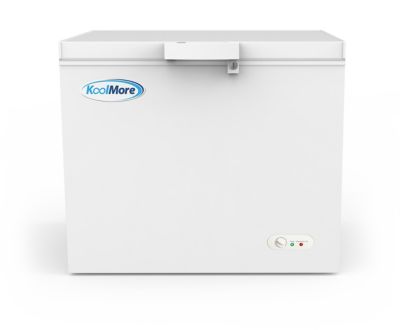
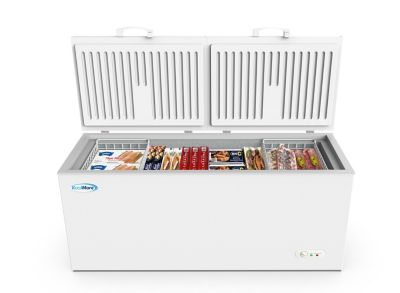
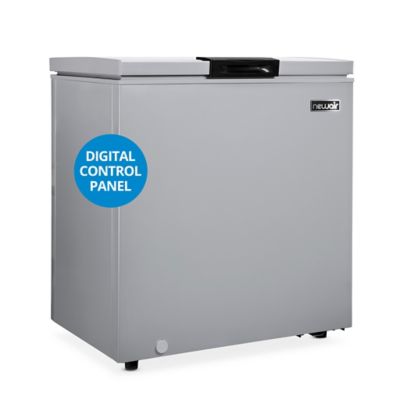
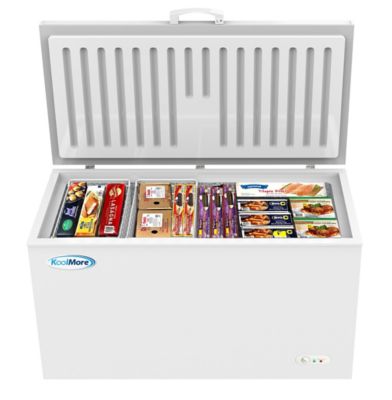
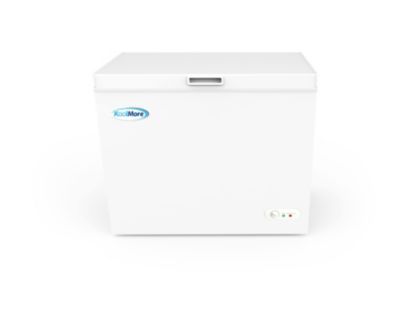
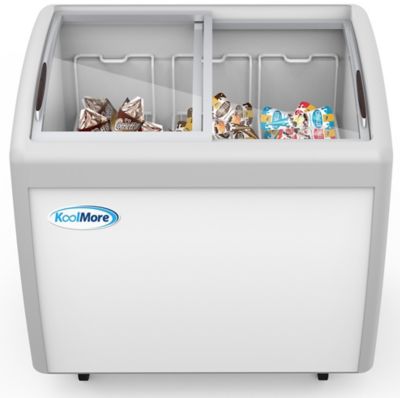
Chest freezers for game meat provide dedicated frozen storage for venison, elk, wild turkey, waterfowl and other properly handled game. Their broad compartments make room for everything from neatly stacked ground venison to wrapped roasts and larger bone-in cuts, without crowding the freezer attached to the kitchen refrigerator. For a hunting household, that extra space can mean keeping burger, sausage and steaks together while leaving room for the next batch from the processor. Chest-style storage also suits families who divide meat among relatives or put up enough game to carry everyday meals well beyond a successful hunt. Capacity is measured in cubic feet, but the way meat is packaged makes a big difference in how much fits. Flat, evenly shaped packages stack more closely than irregular roasts, and bone-in cuts take more space than boneless portions of the same weight. As a rough planning estimate, a cubic foot may hold about 30 to 35 pounds of wrapped meat, with actual capacity depending on packaging, baskets and the shape of each cut. Leaving room to sort packages is often more practical than filling every gap. A compact chest freezer can suit a smaller household with limited floor space, while a larger cabinet makes more sense for several hunters sharing storage or a family bringing home a substantial amount of processed game. Neither footprint nor outside dimensions alone tells the whole story: interior dimensions, the compressor compartment and basket placement all affect usable space. The depth deserves attention, too. A deep cabinet can hold plenty, but reaching a small package at the bottom takes more effort than lifting one from a shallow basket. The right fit balances storage volume with the space and reach needed to get supper on the table without unloading half the freezer. A little breathing room in the layout makes everyday access much easier.
Consistent freezing performance matters more than extra features when the contents represent hours in the field and a full round of processing. Game meat should stay at 0°F or below for frozen storage, and a separate freezer thermometer makes the actual compartment temperature easier to check. An adjustable control helps set the appliance, while a temperature alarm, where included, can call attention to a problem before it goes unnoticed for long. A power indicator serves a different purpose: it can show that electricity is reaching the freezer, but it does not confirm that the meat is staying cold enough. Chest freezers can be energy-efficient because their top-opening design limits how much cold air spills out when the lid opens, though insulation, size, operating conditions and energy ratings all affect electricity consumption. The appliance’s energy label provides a better comparison than cabinet size alone. Placement matters just as much as capacity. A freezer headed for a garage or outbuilding needs an operating-temperature rating that matches that location; a garage-ready designation does not mean every model works across the same range. The manufacturer’s installation requirements also cover ventilation space, floor support and electrical connections. A level, solid surface helps the lid sit squarely against its gasket, and enough overhead clearance keeps shelves or low rafters from blocking a full opening. Coated steel cabinets are common, while interior liners and finishes vary, so easy-to-wipe surfaces and accessible corners are worth a close look. Hinges, handles, lid supports and seals are working parts that see repeated use, especially when several people share the freezer. A lid that stays open as designed makes it easier to lift a heavy roast with both hands. For a busy household, a lock may also be useful, particularly where children can reach the appliance. Manufacturer-specified electrical connections and a properly grounded outlet belong in the placement plan, rather than becoming an afterthought once a loaded freezer is in position.
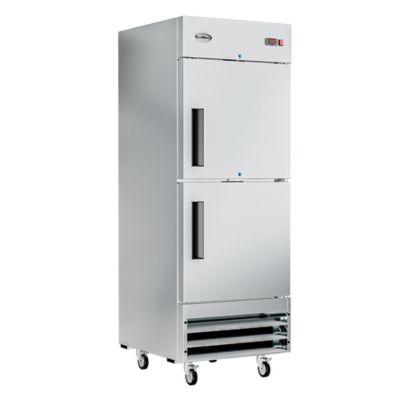
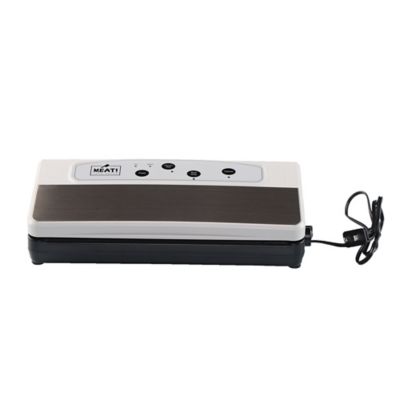
Organization is what turns a large chest freezer into useful meal storage instead of a deep pile of mystery packages. Lift-out baskets keep smaller portions, sausage links and packages for upcoming meals close to the top, while lower sections can hold larger roasts or grouped packages from the same animal. Dividers and freezer-safe bins, when compatible with the cabinet, help separate ground meat from steaks or keep one household’s share apart from another’s. Clear labels showing the species, cut and packaging date make those sections easier to manage. A simple inventory kept nearby can save repeated lid openings and help bring older packages forward before newer ones disappear underneath them. Packaging matters as much as the cabinet: tightly sealed freezer packaging limits air exposure and moisture loss, helping protect flavor and texture. Vacuum-sealed portions and properly wrapped freezer-paper packages each need intact seals or closures, and sharp bone edges need protection so they do not puncture the wrapping. The freezer preserves meat that has been properly handled; it does not make spoiled meat safe or replace careful field handling and processing. Large amounts of fresh meat also need to stay within the appliance’s stated freezing capacity so the load can freeze promptly without warming already frozen food. For manual-defrost chest freezers, frost buildup eventually calls for planned maintenance, with meat kept safely frozen elsewhere while the appliance is cleaned according to its manual. An accessible drain can make that job less awkward. Gentle cleaning, a clean gasket and a dry exterior help keep the cabinet in good working order. For households that prefer shelves and a front-opening layout,
Upright Stainless Steel Freezers offer another storage arrangement to consider. Chest freezers remain a practical match for hunters who want broad storage space, room for larger cuts and a straightforward way to keep carefully packed game ready for the next skillet, slow cooker or family supper.