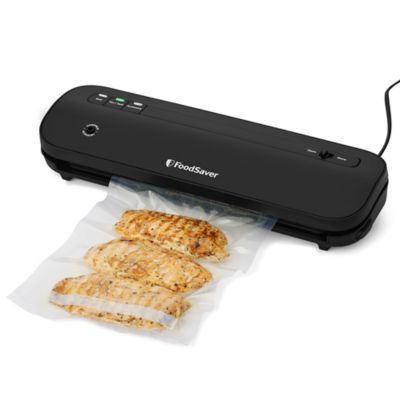
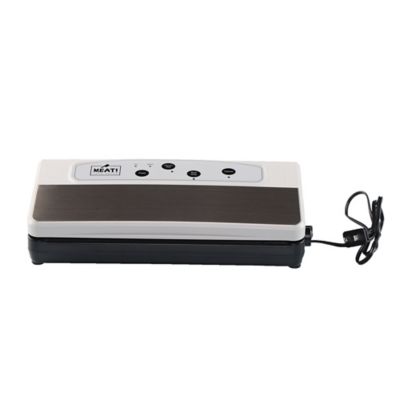
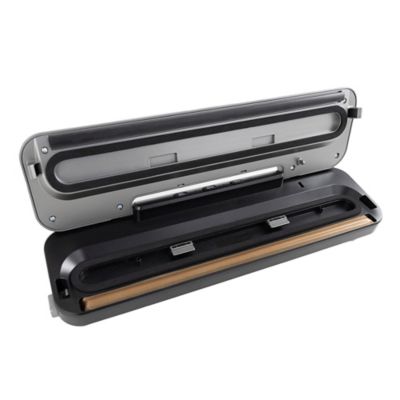
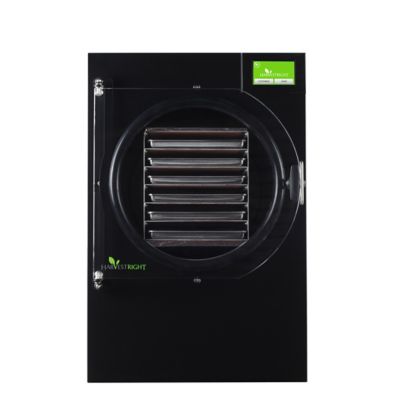
Vacuum sealers for meat help keep air away from steaks, roasts, ground meat, poultry, and game, making it easier to portion a processing-day haul or get supper organized ahead of time. Less air around the meat means less exposure to oxygen and helps limit freezer burn, which can leave dry, leathery patches on a good cut. The right machine depends on how much meat gets packaged at once, how much moisture it carries, and the size of the bags needed. External edge sealers pull air through a bag’s open end before heat-sealing it shut. Their relatively compact footprint suits household portions, from a pair of pork chops to a pound of ground venison. Chamber vacuum sealers remove air from the chamber surrounding the bag as well as from inside it, then seal the bag before pressure returns. That design generally handles liquids better, making chamber machines worth considering for meat with substantial juices or liquid marinades. Liquids still need to stay below the bag opening, and the machine’s operating directions matter. Neither style is automatically the better fit for every kitchen or processing space. An edge sealer can suit occasional meal preparation, while a chamber machine may suit someone packaging larger quantities or working with wetter foods regularly. Workload matters as much as suction: a machine intended for repeated sealing cycles is a better match for a table full of wrapped roasts than one that needs frequent cooling breaks. Published cycle limits, sealing time, and any required rest periods help show whether a machine fits the job. A wider sealing bar accommodates wider bag openings, but a chamber machine also needs enough room inside for the filled bag. A long roast, a thick stack of steaks, and a flat package of burger each take up space differently. Measuring the portions normally headed for the freezer gives those dimensions a practical meaning beyond the numbers on a specification sheet.
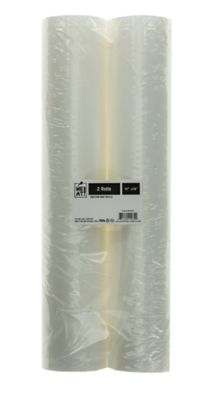
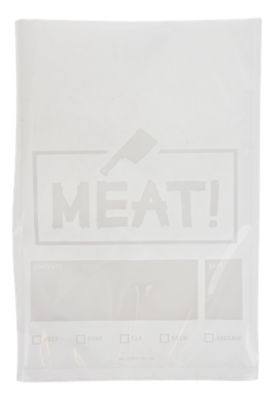
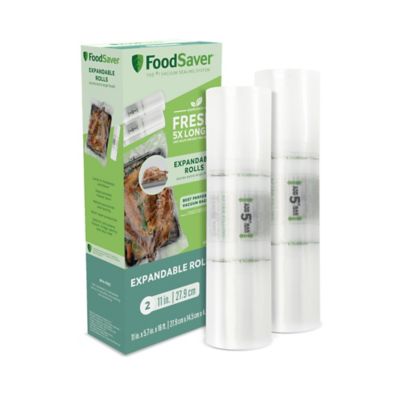
Construction and controls make a difference when hands are busy and the next tray of meat is waiting. Stainless steel housings can make exterior cleanup straightforward, while lighter housings may be easier to move between a pantry shelf and the kitchen counter. Smooth surfaces, accessible drip trays, and removable parts approved for cleaning help with the mess that comes with raw meat. A secure lid latch and an easy-to-read control panel also matter when several family members share the work. Moist-food settings, manual sealing, and pulse controls can offer more control over juicy cuts or tender portions, although they do not make an external machine suitable for pulling in free-flowing liquid. Partially freezing a soft or juicy portion can help it hold its shape and reduce liquid movement, provided the meat stays safely chilled throughout preparation. Bag choice belongs in the same conversation as machine choice. Many external sealers require textured bags or rolls that provide channels for air removal, while chamber machines often accept smooth chamber bags; the equipment instructions should confirm compatibility. Food-contact bags rated for freezer storage help protect meat through handling and time in the freezer. For bone-in cuts, a food-safe bone guard or another manufacturer-approved protective barrier can help keep a sharp edge from puncturing the bag. Rolls allow bag lengths to match a roast or rack of ribs, while precut bags simplify a run of similarly sized portions. Either format needs enough empty space at the opening for proper placement across the sealing area. Fat, meat juices, wrinkles, and small scraps caught in that area can interfere with the seal. A continuous, wrinkle-free seal with no visible gaps is worth checking before a package goes into storage. Bags intended for sous vide cooking also need an appropriate heat rating; a freezer-storage label alone does not establish that a bag suits cooking in heated water.
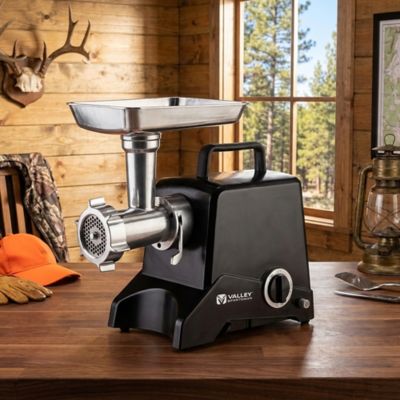
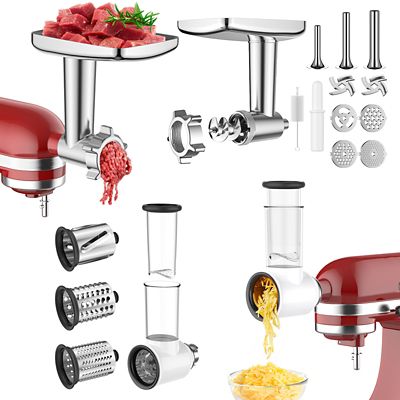
For hunters, livestock owners, backyard cooks, and families who portion meat at home, a vacuum sealer fits into the stretch of work between cutting and storing. Ground meat packs neatly in flat portions that stack without turning the freezer into a jumble of rounded bundles. Steaks can be grouped by the number needed for a meal, and smaller packages of stew meat keep a full roast from becoming an all-or-nothing supper decision. Venison processing often brings grinding and packaging together, making
Meat Grinders For Venison a related part of the setup for turning trimmed cuts into meal-ready portions. Clear labels with the cut, weight, and packaging date make it easier to tell breakfast sausage from ground beef and rotate packages sensibly. Vacuum sealing does not sterilize meat, replace refrigeration, or make unsafe food safe. Raw meat still needs prompt refrigeration at 40°F or below or freezing at 0°F or below, along with handling that keeps raw juices away from ready-to-eat foods. Refrigerated vacuum-packed meat still has a limited storage life, so follow food-safety guidance for the particular meat rather than assuming an airtight package extends it indefinitely. Thawing in the refrigerator keeps preparation manageable without leaving meat on the counter. Cleanup afterward protects the equipment as well as the work area: unplug the machine, clean food-contact areas as directed, and let cleaned parts dry before putting them back. Gaskets and sealing strips deserve regular attention because residue, wear, or poor placement can affect air removal and sealing. Some chamber pumps require oil checks or changes, while others follow a different maintenance routine. Those requirements are worth weighing before bringing a machine home. As a gift, a meat vacuum sealer makes sense for someone who already processes game, portions farm-raised meat, or enjoys preparing meals ahead. Matching its capacity, storage footprint, and upkeep to that person’s routine makes it a practical addition to the workbench or kitchen counter.