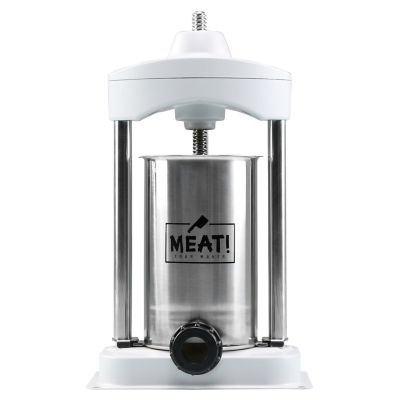
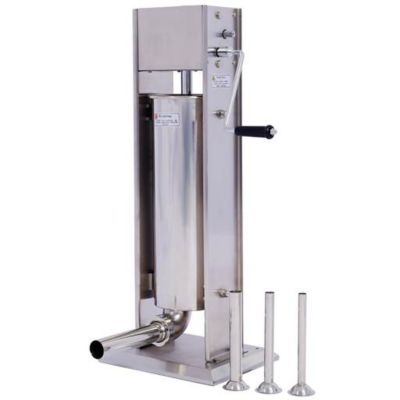
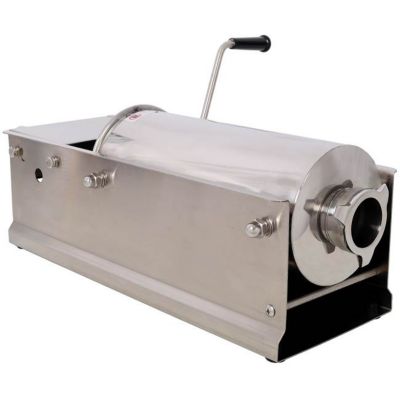
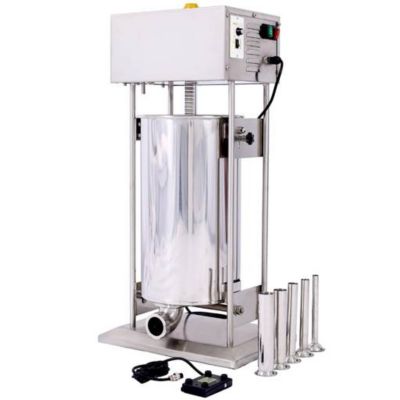
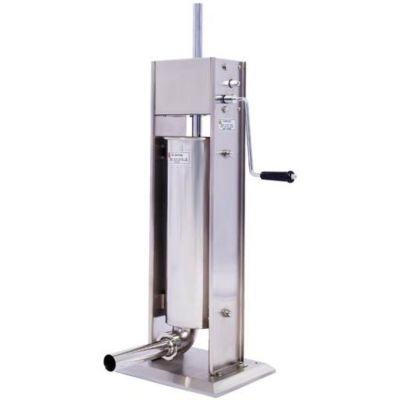
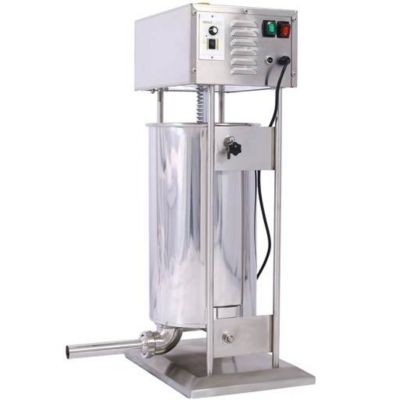
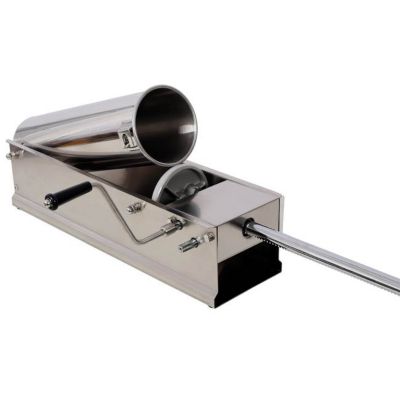
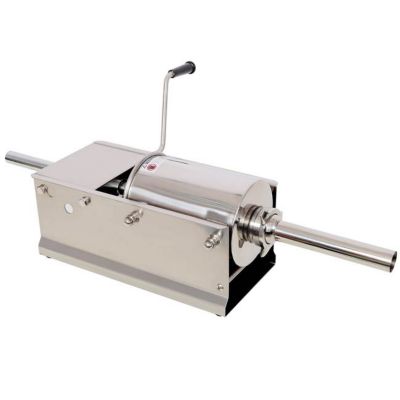
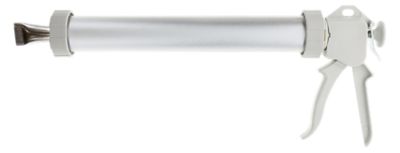
Venison sausage stuffers push prepared ground meat into casings, helping hunters and home meat processors turn deer meat into fresh links, snack sticks, and larger sausages. A dedicated piston-style stuffer moves the mixture from a cylinder through a stuffing tube without sending it through the grinder again. That separation matters with lean venison: repeated handling and friction can warm the mixture and smear the added fat that many sausage recipes call for. A stuffer gives the grinding, mixing, and filling stages their own jobs, with more control over how quickly the casing fills. Manual models put that control at the crank, while motor-driven designs can reduce hand effort during longer runs. Some powered designs have foot controls that leave both hands free to manage the casing, though controls and operating requirements vary. For someone working through a small batch at the kitchen counter, a hand-crank machine may be plenty. For a household that processes several batches in one sitting, cylinder capacity, refill access, and the effort needed to move a firm mixture become bigger considerations. Vertical stuffers generally take up less counter length, while horizontal designs need room for the cylinder and crank along the work surface. Either layout needs a stable place to sit, enough clearance for the handle or motor, and space in front of the tube for the filled casing. A machine that looks compact on its own can still need a fair stretch of counter once bowls, casing water, and trays enter the picture. Check the full working footprint rather than just the base dimensions, especially if the same table also handles trimming and packaging. Venison sausage stuffers make practical gifts for deer hunters who already grind their meat, families who share processing chores, and home cooks ready to move beyond a grinder attachment. The best match depends less on the biggest cylinder and more on batch size, available workspace, and how many hands help with the job.
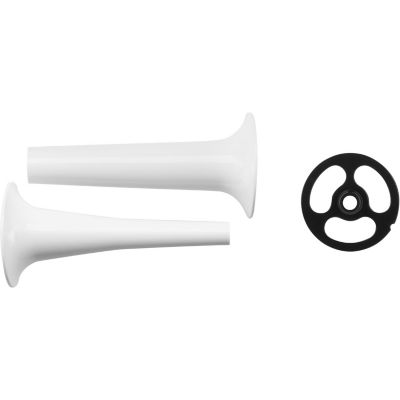
Construction and component fit have a lot to do with how a sausage stuffer feels after the first few batches. Stainless steel cylinders and stuffing tubes are common considerations because their smooth surfaces suit food contact and cleanup, though the frame, piston, gears, and seals deserve attention as well. A rigid frame helps keep the cylinder and piston aligned under pressure. Secure clamps or mounting points help prevent the machine from shifting when a thick mixture meets resistance. Metal gearing can be worth considering for frequent processing, but gear material alone does not tell the whole story; handle leverage, shaft support, and the manufacturer's operating limits also matter. Some manual designs have separate speeds for filling and raising the piston, which can shorten the pause between batches without forcing meat through the tube faster than the casing can handle. A close-fitting piston seal helps direct meat toward the outlet rather than around the edge of the plate. An air-release valve can let trapped air escape from the cylinder, although careful loading and casing handling still matter. Stuffing tube size should match both the casing opening and the sausage being made. Narrow tubes suit smaller casings, while wider tubes suit larger links and can offer an easier path for the mixture. Small openings create more resistance, so snack-stick work can place different demands on a machine than filling broad casings. Compatibility is worth checking before choosing extra tubes: connection style, retaining hardware, and tube length can differ between designs. Natural and collagen casings also have their own handling requirements, and the right tube should allow the casing to slide on without stretching or tearing it. A steady feed helps fill links evenly, leaving enough give for twisting or tying rather than packing every casing tight. That control is useful when one person cranks and another manages the links, or when a single operator needs to pause and reposition a tray. Matching the stuffer to the intended sausage makes the work smoother than asking one setup to handle every casing the same way.
Cleanup and storage deserve as much thought as cranking power, particularly when the machine has to move from a worktable to a cabinet between batches. A removable cylinder, accessible piston, and detachable stuffing tubes make it easier to reach surfaces that touch raw meat. Seals, valves, retaining rings, and the area around the outlet need attention, too; a clean-looking cylinder does not mean every small passage is clear. Dishwasher suitability varies by component, and motors or gear housings may need a different cleaning method from the food-contact parts. Follow the manufacturer's directions for washing, sanitizing, lubrication, and reassembly, then let the appropriate pieces dry before storage. Keeping small fittings together saves a search when the next batch is ready, while checking seals and mounting hardware helps catch wear before it interrupts the work. Replacement-part compatibility is a useful consideration for anyone planning to keep a stuffer in service for years. In the kitchen, the machine is only one part of the setup: venison and any added fat need proper cold handling, and fresh sausage needs safe refrigeration, freezing, and cooking. A stuffer does not cook, cure, or preserve the filling. Smoked or cured sausages call for tested recipes and a controlled process, not just a casing that looks finished, and a food thermometer is a better check for cooked sausage than color alone. The payoff is room to make the kinds of sausage a household actually enjoys, whether that means breakfast links for a skillet, larger links for supper, or portions packed for later meals. If venison is also part of your dog's regular meals, explore
Dog Food With Venison rather than sharing seasoned sausage, which may contain ingredients unsafe for pets. For the people doing the processing, a well-matched stuffer brings the useful details together: manageable capacity, steady filling pressure, casing-compatible tubes, and parts that come apart without turning cleanup into another afternoon's work.