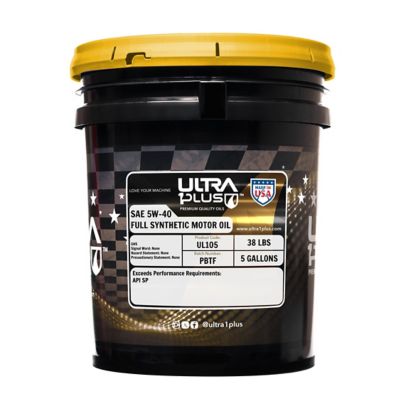
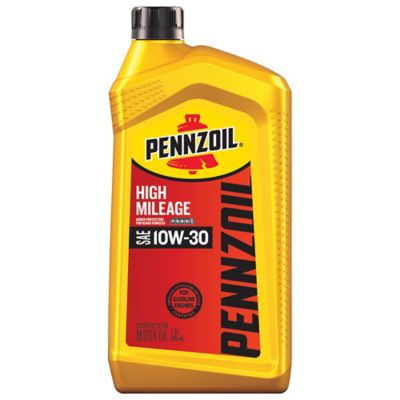
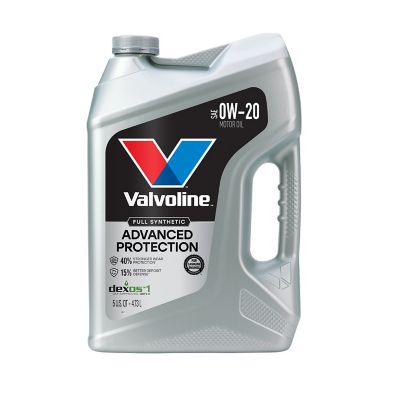
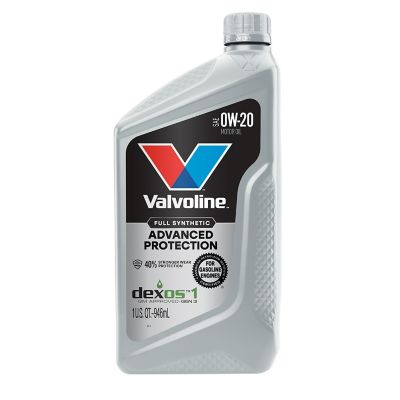
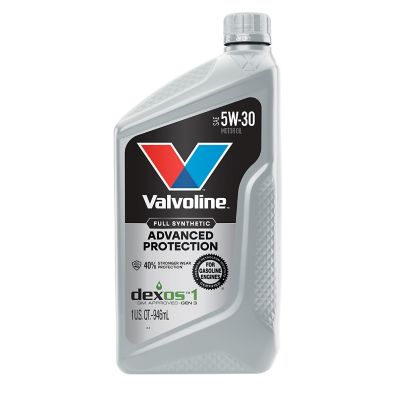
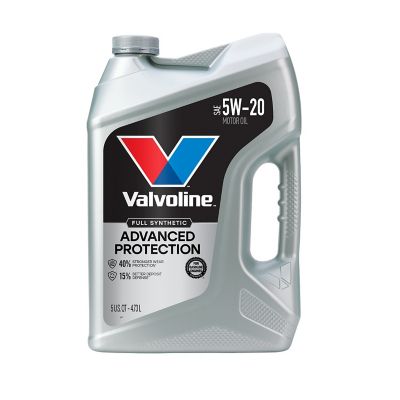
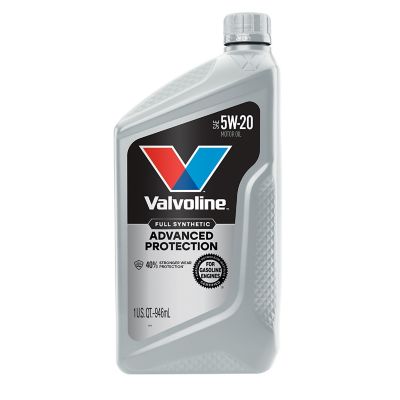
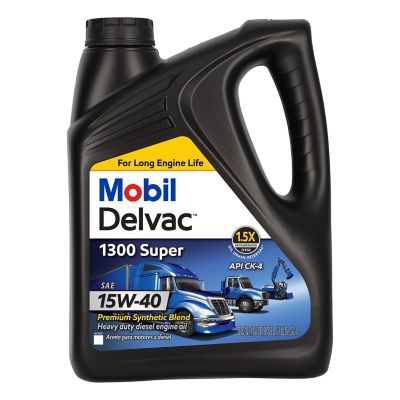
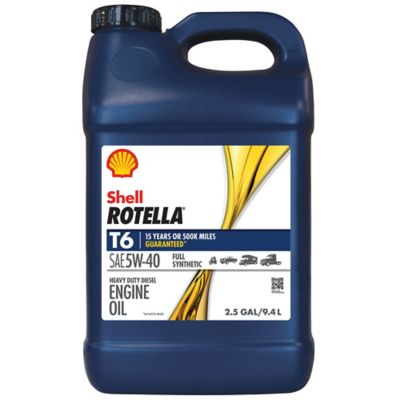
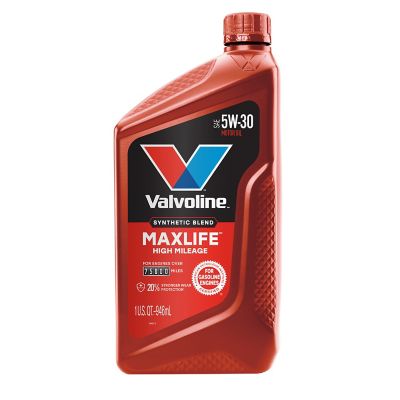
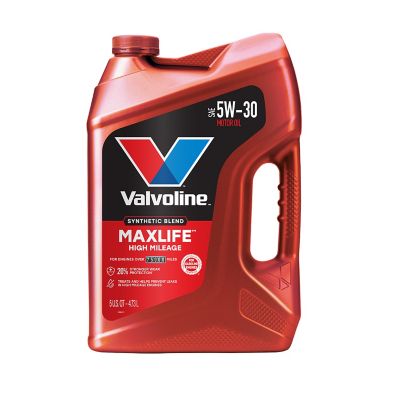
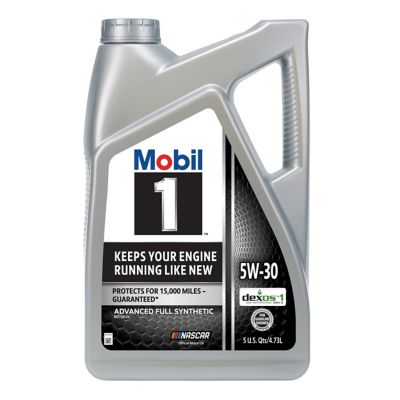
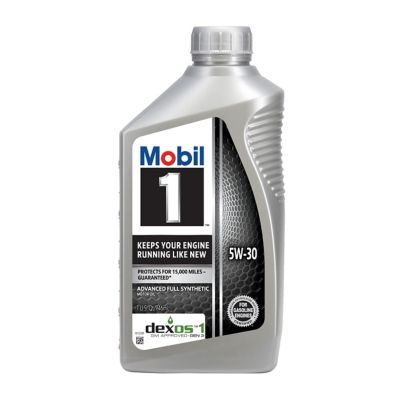
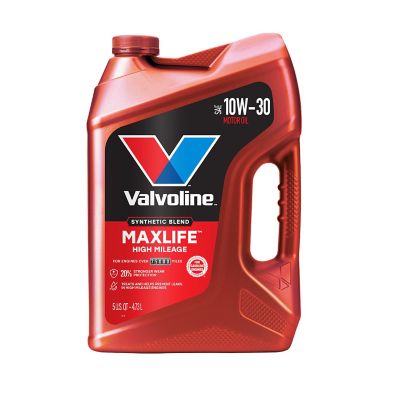
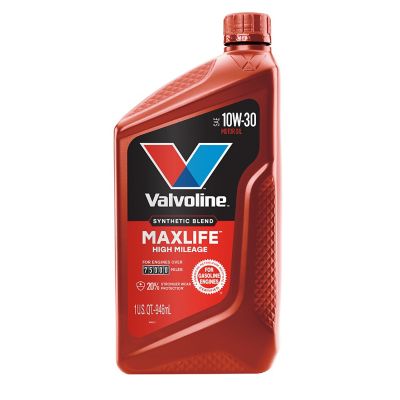
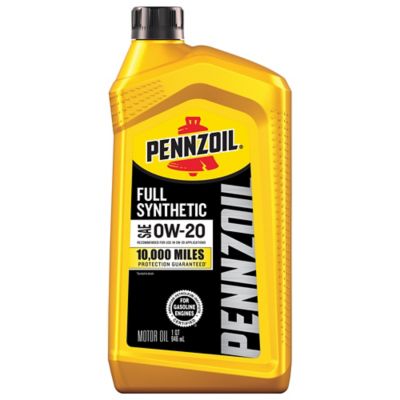
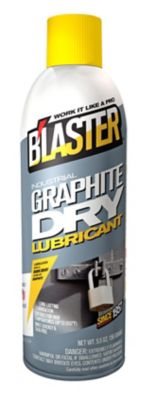
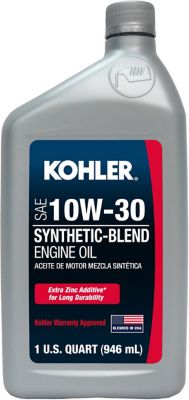
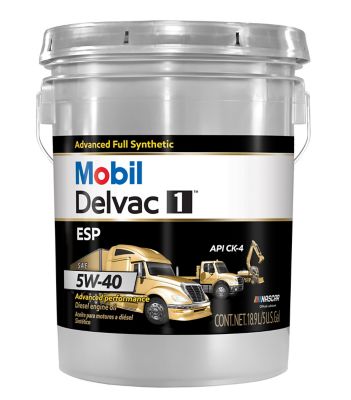
Lubricating oils help keep moving parts working smoothly by reducing friction, heat and wear between surfaces that rub together. Around the farm, shop, garage and home, the right oil can make a noticeable difference in how equipment starts, runs and holds up over time. Motorized equipment, small engines, chains, hinges, bearings, tools and machinery may all call for lubrication, but they do not all use the same kind. Before choosing an oil, check the equipment owner’s manual, the label on the fill point or the manufacturer’s recommended viscosity and performance rating. Viscosity describes how easily an oil flows, and choosing one that is too thick or too thin can affect protection, startup and overall operation. Mineral oils are refined from crude oil and remain a practical choice for many everyday jobs, especially where a basic lubricant meets the equipment’s requirements. Synthetic oils are engineered for more consistent performance across temperature changes and may handle heavy use, cold starts or high heat better; browse
Synthetic Oils when you need that added range. Bio-based oils, made from plant or animal sources, can be useful for certain applications where renewable ingredients or disposal considerations matter. Additives may help an oil resist oxidation, reduce rust, clean deposits or protect against pressure, but additives are not interchangeable, and mixing products is not always recommended. A bottle meant for a small engine should not automatically go into a hydraulic system, gearbox or vehicle transmission. Read the application details carefully, match the required rating and keep the original container or label information handy for the next service.
Different equipment puts different demands on its lubricant. Fast-moving parts usually benefit from oil because it flows into tight spaces and can help carry heat away from working surfaces. A well-placed drop on a hinge, pivot or linkage can quiet a stubborn squeak, while the proper oil can help protect sewing machines, hand tools and other small mechanisms from premature wear. For engines, use the grade and service classification specified for that engine, and give extra thought to operating conditions such as long run times, dusty work, frequent starts or wide swings between warm and cool weather. Oil used in tractors, generators, mowers, pumps and other outdoor equipment can collect dirt and moisture, so clean the fill area before opening a cap and avoid letting debris fall inside. Change intervals matter, too. Oil can break down, become contaminated or lose some of its protective qualities even when equipment has not been used heavily. Hydraulic systems, gearboxes and drive components often require their own dedicated fluids because pressure, seals and gear loads vary from one machine to another. Slow-moving parts carrying heavy loads may need grease instead of oil, since grease stays in place longer, while oil is generally better where steady flow or cooling is important. Never use an automotive fluid as a substitute for a hydraulic, gear or specialty lubricant unless the equipment maker specifically allows it. During warmer weather, dust and long hours can put added strain on moving parts; during cooler months, a lubricant’s cold-flow performance can affect starting and circulation. Keeping a few properly labeled oils on hand can make routine maintenance easier, but storing every kind of fluid is not a replacement for selecting the correct one for each job.
When shopping for lubricating oils, consider the equipment first, then the working conditions, package size and storage needs. A smaller container may be convenient for occasional household repairs or a compact tool kit, while a larger size can make sense for regular maintenance on several machines. Look for a secure cap, clear use instructions and information about viscosity, temperature range, compatibility and intended applications. If an oil will be used outdoors, check whether the container is suitable for repeated handling and store it upright in a cool, dry, well-ventilated area away from sparks, flames, feed, seed and animal access. Keep oils in their original containers so they are not mistaken for another fluid, and wipe off the outside before putting them away. A clean funnel, drain pan and shop towels help prevent spills and keep fresh oil from picking up grit. Used oil should be collected in a sealed container and taken to an approved recycling or disposal location; do not pour it onto the ground, into a drain or in areas where livestock and pets may reach it. Gloves and eye protection are sensible whenever you are draining old oil or working under equipment, and machinery should be shut off, cooled as appropriate and secured before lubrication. Lubricating oil can be a useful addition to a farmhand’s toolbox, a new homeowner’s workshop or a practical care package for someone who enjoys maintaining vehicles, outdoor power equipment or hand tools. It is the kind of everyday supply that earns its place on a shelf: a little attention at the right time can help a hinge move quietly, an engine run more confidently and hardworking equipment stay ready for the next chore.