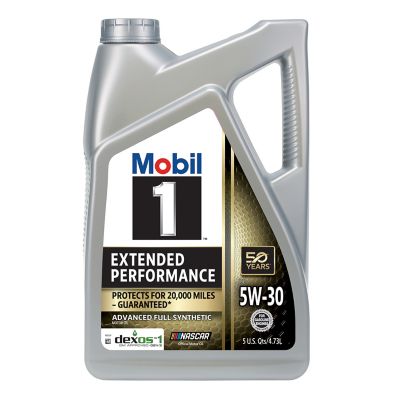
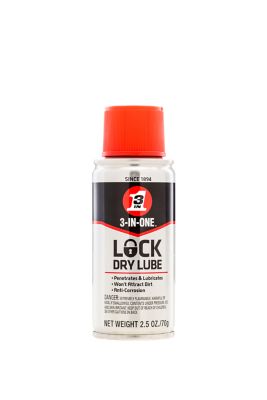
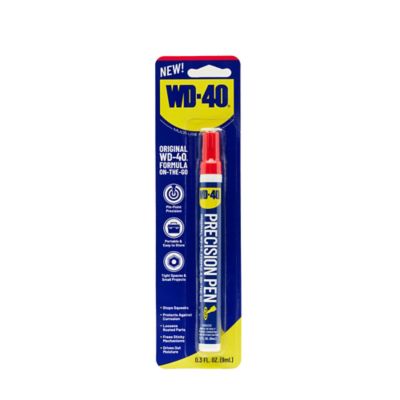
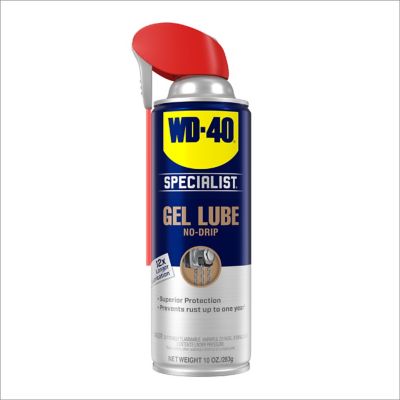
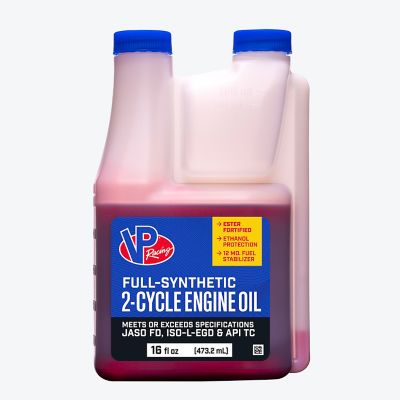
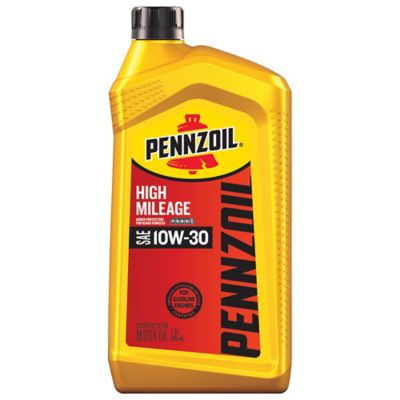
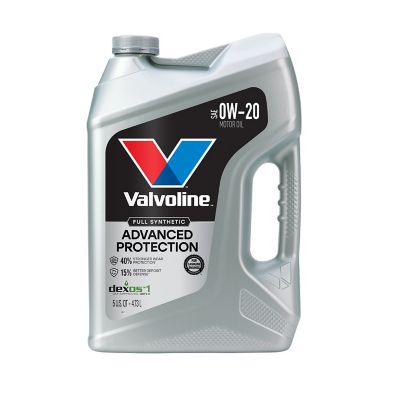
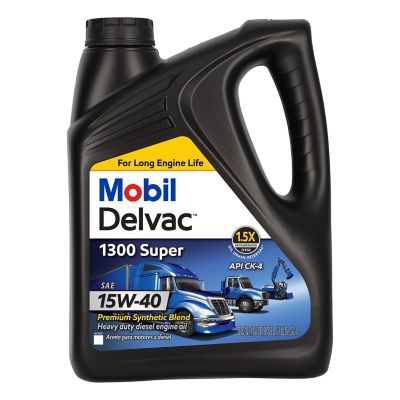
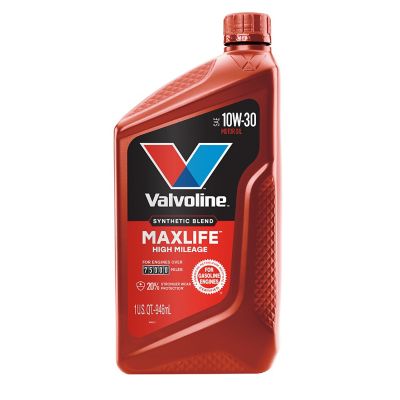
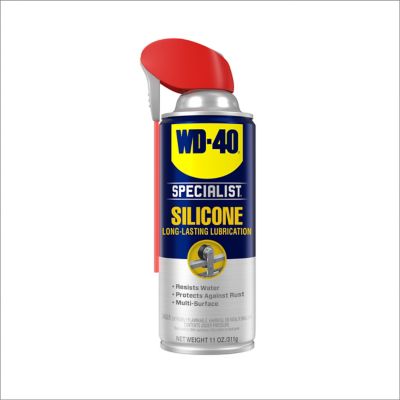
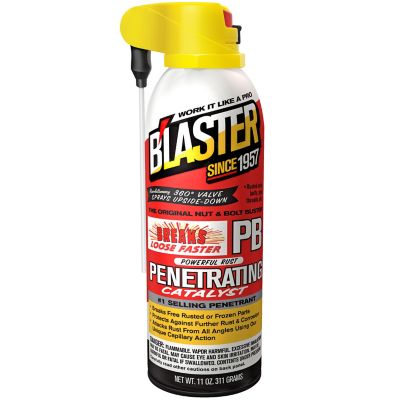
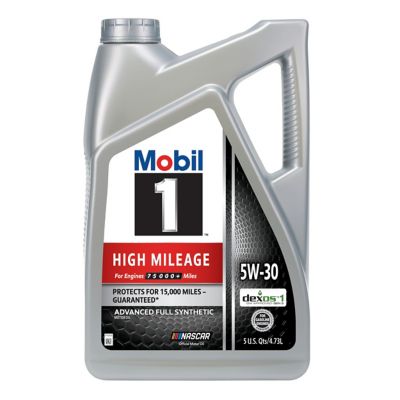
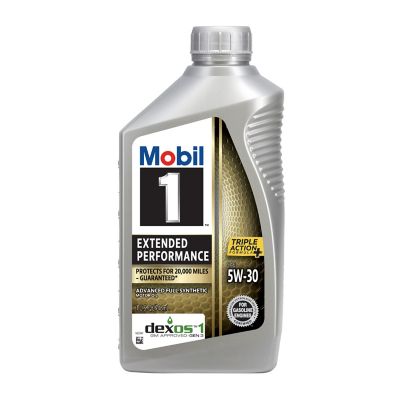
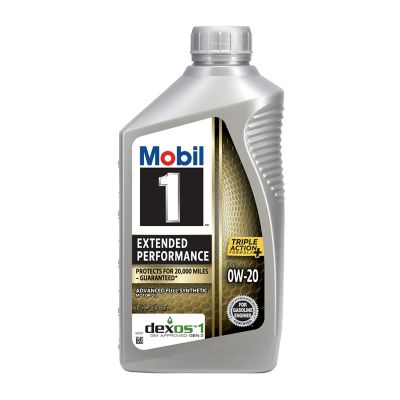
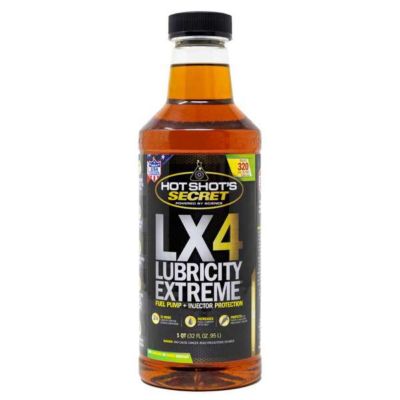
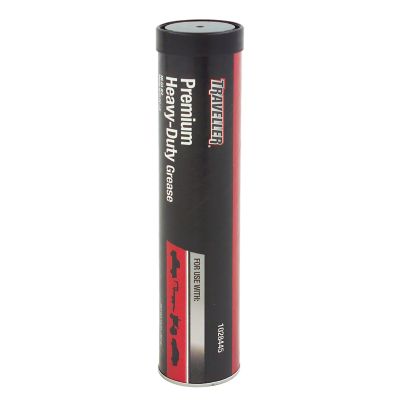
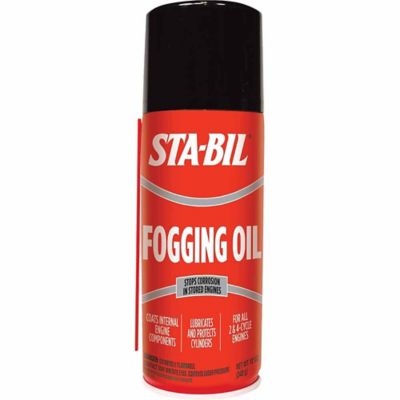
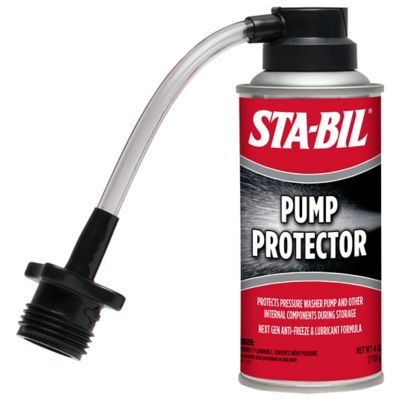
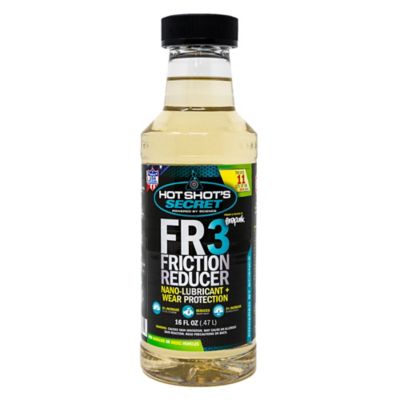
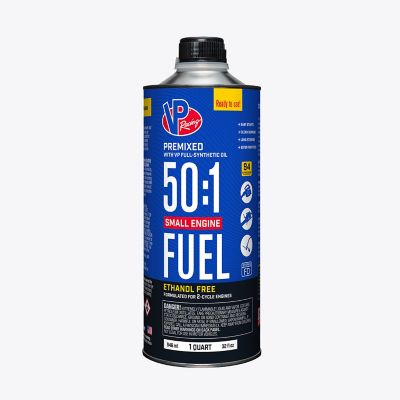
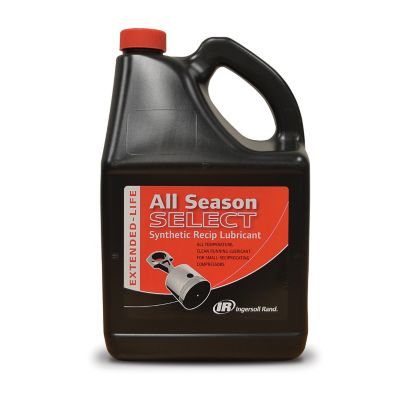
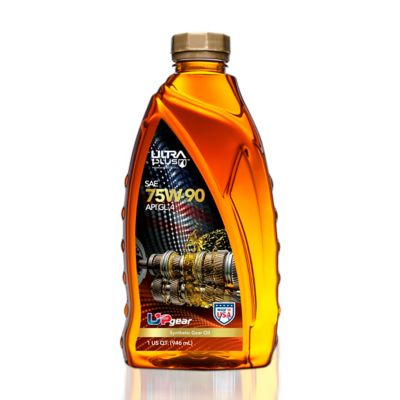
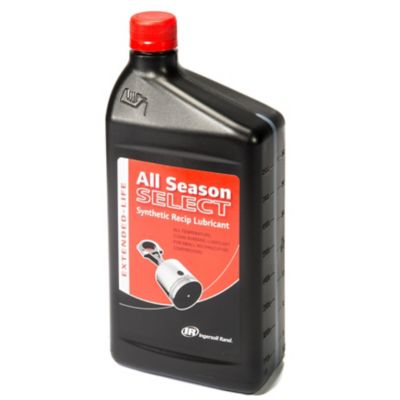
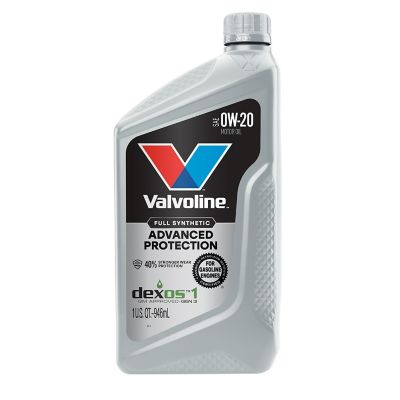
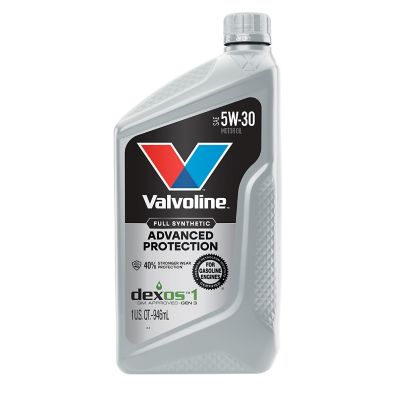
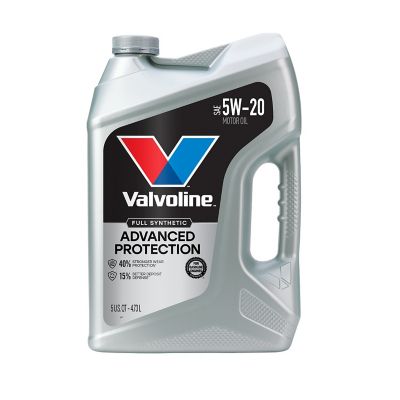
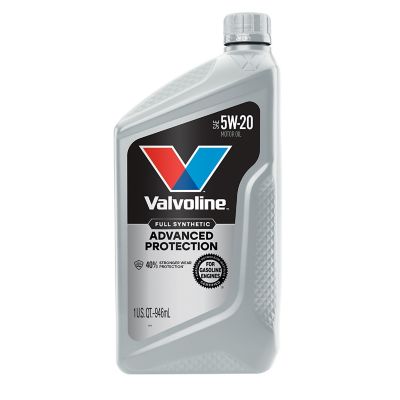
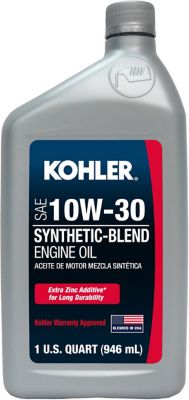
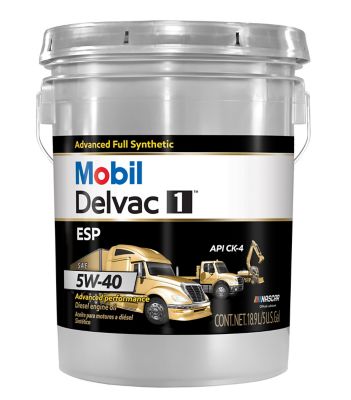
High performance lubricants help engines, transmissions, gearboxes, hydraulic systems, bearings, and other hardworking equipment keep moving when heat, pressure, dirt, and long hours put ordinary fluids to the test. They are made to protect metal surfaces with a durable lubricating film, helping reduce friction and wear while supporting steady operation under heavy loads or high engine speeds. Many premium formulas use synthetic base oils, including carefully selected PAO, ester, or other advanced base stocks, along with additive packages designed to resist oxidation, sludge, varnish, corrosion, and foam. That combination can be especially useful in turbocharged engines, diesel equipment, work trucks, tractors, generators, compressors, and machinery that spends much of the day pulling, hauling, mowing, digging, or powering through demanding jobs. A high-quality lubricant may also hold its viscosity more consistently across temperature swings, from a cold start during the cooler months to a long, hot afternoon in the field. For drivers and equipment owners, that can mean dependable protection during towing, stop-and-go work, extended idling, dusty jobsites, and seasonal storage. To narrow down the right option, start with the machine’s owner’s manual and identify the exact type of fluid required. Engine oil, gear oil, hydraulic fluid, transmission fluid, and grease are not interchangeable, even when they look similar on the shelf. Check the recommended viscosity grade, performance classification, manufacturer approvals, and service requirements before making a purchase. If you are shopping for engine protection, you can also compare options in
Synthetic Engine Oils to find a formula suited to the vehicle or equipment’s specifications.
Choosing a high performance lubricant is less about picking the fanciest label and more about matching the fluid to the work at hand. A compact tractor used for mowing has different demands than a diesel pickup pulling a loaded trailer, while a race engine, air compressor, wheel bearing, or heavily loaded differential may need a specialized formula built for its own pressure, speed, and temperature range. Look for products that clearly state their intended application and service level, then compare the stated viscosity and approvals with the requirements in your manual. Viscosity matters because it describes how readily a lubricant flows at different temperatures, but a thicker fluid is not automatically better. The correct grade allows proper circulation at startup while maintaining an effective protective film once the machine reaches operating temperature. High film strength is valuable in applications where gears mesh under load or bearings face constant pressure, and shear stability helps a lubricant maintain its designed viscosity when exposed to intense mechanical forces. For engines with direct injection or turbochargers, cleanliness and resistance to fuel dilution can be important considerations, since heat and combustion byproducts may contribute to deposits over time. In hydraulic systems, look for fluid intended to support smooth valve operation, protect pumps, and help manage wear and oxidation. Gear oils and greases should be selected for the particular gears, bearings, seals, load levels, and temperature conditions involved. Extended drain intervals may be possible with some high-performance formulas, but the service schedule should always follow the equipment maker’s guidance, operating conditions, oil analysis results, and maintenance records rather than guesswork. Keeping a clean funnel, labeled containers, and a simple change log nearby can make routine maintenance easier, especially when several pieces of equipment share the same barn, garage, or shop.
These lubricants are a practical choice for anyone who depends on equipment to earn a living, finish weekend projects, or keep a property running smoothly. Farmers and ranchers may use them in tractors, utility vehicles, balers, loaders, irrigation equipment, and other machines that see long days and changing conditions. Fleet operators, landscapers, construction crews, mechanics, motorsports enthusiasts, and do-it-yourself owners can also benefit from fluids designed to stay stable under heat, pressure, and repeated service. They make a useful gift for a truck owner, restoration hobbyist, off-road driver, small-engine tinkerer, or new property owner, especially when paired with a funnel, drain pan, grease gun, shop towels, or a maintenance notebook. During the cooler months, the right lubricant can support easier cold-weather starts and help protect equipment that is used less often or placed in storage, provided the machine is prepared according to its manual. As the weather warms and work hours increase, a fresh, correctly matched fluid helps equipment face heavier workloads with less worry. Before pouring anything into a crankcase, axle, reservoir, or grease fitting, inspect the container for the correct application, confirm the capacity, and avoid mixing fluids unless the manufacturer specifically allows it. Store unused lubricant upright in a clean, dry place away from dust, moisture, extreme heat, and open containers of chemicals. Used oil and grease should be collected in a sealed container and recycled through an approved collection point. With the right specification, a sensible maintenance schedule, and careful handling, high performance lubricants can help protect valuable equipment, support reliable operation, and keep the day’s work moving from the first start-up to the last trip back to the shed.