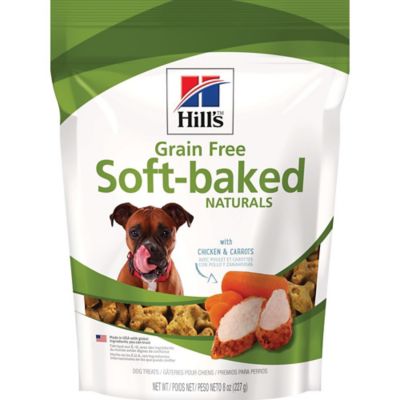
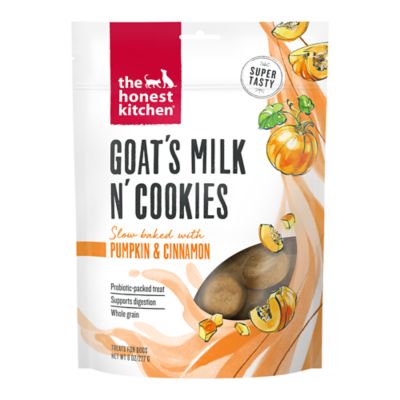
Low-fat dog treats give dogs a rewarding bite while helping their people keep a closer watch on dietary fat. They can fit into a weight-management plan or a veterinarian-directed feeding routine for a dog that needs fat restriction. The best fit depends on the dog’s size, regular food, activity level and health needs—not just the wording on the front of the package. Lower fat does not automatically mean lower calories, and a small treat can still add up when several family members hand out rewards throughout the day. Calories per piece, serving size and fat information all help tell the full story. The guaranteed analysis deserves a close look, too: crude fat is generally listed as a minimum, so that number does not establish the highest amount of fat a treat might contain. When a dog needs a tightly controlled diet, more detailed nutrient information from the manufacturer can help a veterinarian assess whether a treat belongs in the feeding plan. Fat measured in grams per 100 calories can be especially useful for that conversation. Moisture also affects comparisons, since a soft, moist bite and a dry biscuit may have very different water content. For a dog with a history of pancreatitis or another condition requiring fat restriction, the veterinarian should set the limits and approve any extras. A low-fat label alone does not make a treat suitable for every medical diet. Sensitive digestion also has more than one possible cause, so fat content is only part of the picture. Familiar ingredients, an appropriate portion and consistency with the dog’s regular food can matter just as much. These treats make the most sense as a small part of a complete feeding routine, offering a little encouragement without letting snack time crowd out the nutrition in everyday meals. That balance matters whether the dog spends the day tagging along for chores or prefers a steady routine close to home.
Texture and size make a big difference in how a low-fat dog treat fits everyday life. Small, easy-to-chew bites suit quick rewards for coming when called, settling on a mat or waiting while a gate swings open. A dog practicing several skills in one session needs something that goes down promptly, rather than a large snack that interrupts every repetition. Treats that break cleanly into smaller portions can stretch those reward opportunities without turning each successful sit into a full serving. Firmer biscuits bring a different eating experience, with a crunch that some dogs enjoy after a walk or a quiet spell beside the porch. Hardness is not a measure of dental benefit, though, and a crunchy treat should not take the place of toothbrushing or veterinary dental care. Dogs with tender mouths, missing teeth or trouble chewing may need a softer texture, with a veterinarian’s input when oral discomfort is involved. For another texture to consider, browse
Healthy Soft Dog Treats, keeping in mind that softness by itself says nothing about fat or calorie content. Size should match the individual dog’s mouth and eating habits. An enthusiastic gulper may need a different shape or texture than a patient nibbler, and no treat should be so hard or awkward that chewing becomes a struggle. Supervision matters with any edible reward. Ingredients deserve the same practical attention as texture: recognizable meat sources, grains, vegetables or other ingredients can each fit different feeding preferences, but no single ingredient guarantees a low-fat result. Dogs with diagnosed food allergies need treats that follow their veterinarian’s dietary restrictions, including any limits on protein sources. During a food elimination trial, even a small reward outside the approved plan can interfere with the results. A simple ingredient list may be easier to review, but the full nutritional profile still determines how the treat fits the dog’s diet.
Portion control is where low-fat dog treats earn their place in a busy household. For most healthy dogs, treats and other extras should contribute no more than about 10 percent of daily calories, with the rest coming from complete and balanced food appropriate for the dog’s life stage. Some dogs need a smaller allowance, particularly when a veterinarian is managing weight or a medical condition. That daily total includes more than training rewards: dental chews, table scraps and anything tucked around a pill count, too. Setting aside a day’s treat portion in a separate container makes it easier for everyone to work from the same allowance. That can be handy when one person rewards a calm greeting, another handles leash practice and someone else offers a bedtime bite. In a home with several dogs, separate portions also help keep a larger dog’s snack from becoming an oversized serving for a smaller companion. Puppies, adults and older dogs may have different needs, so life-stage directions and feeding recommendations belong in the decision alongside flavor and texture. Storage matters once the package comes home. Follow the package directions for resealing, refrigeration when required and the recommended time after opening. A snug closure helps keep moisture out of crisp treats and helps soft treats retain their intended texture. Keep the package label and date information handy, especially when moving portions into a training pouch or another container. Treats with mold, an unexpected smell or a noticeable change in appearance belong in the trash, not the dog’s bowl. Wash treat containers and let them dry fully before refilling, and store rewards away from curious noses. With a suitable texture, a sensible portion and clear feeding information, low-fat treats can serve as small rewards for everyday manners, short practice sessions and those welcome moments when a dog gets things just right.