Winter Emergency Supplies And Backup Plan For Livestock
Shop winter emergency supplies and backup plan essentials for livestock, with practical options to help prepare for cold weather, storms, and unexpected farm disruptions. Browse animal care, feeding, watering, shelter, and safety supplies to help keep your herd supported when winter conditions make routine chores harder.

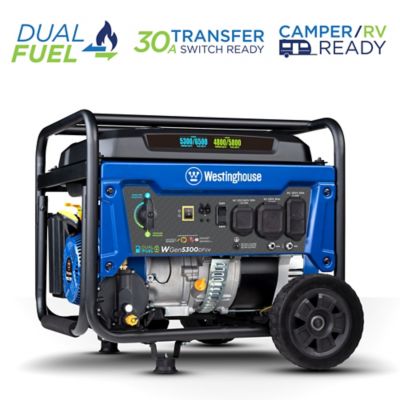
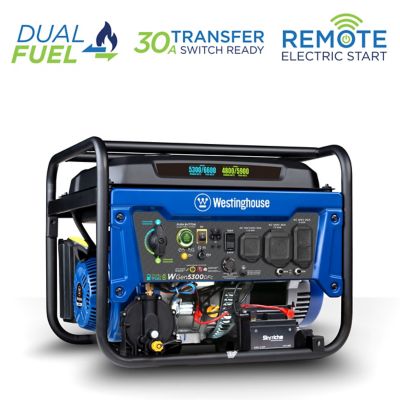
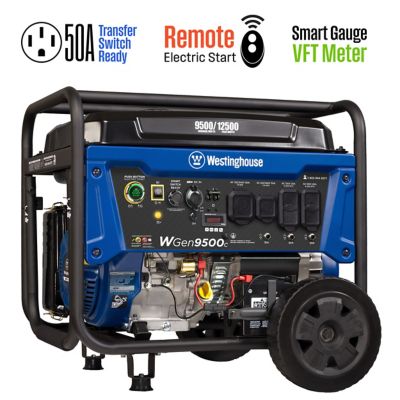
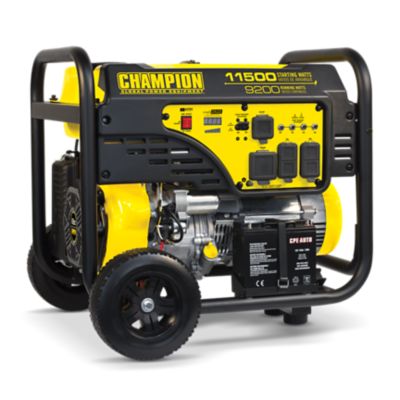
$1,169
.99
Sale Was $1,299.99 Save $130.00 (10%)

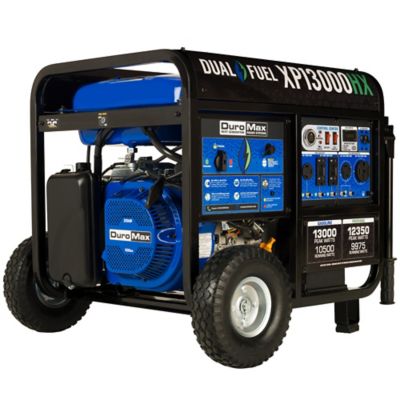
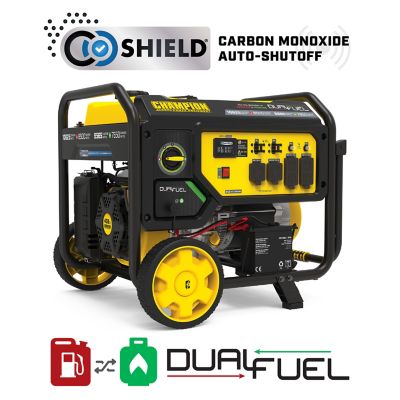
$1,079
.99
Sale Was $1,199.99 Save $120.00 (10%)

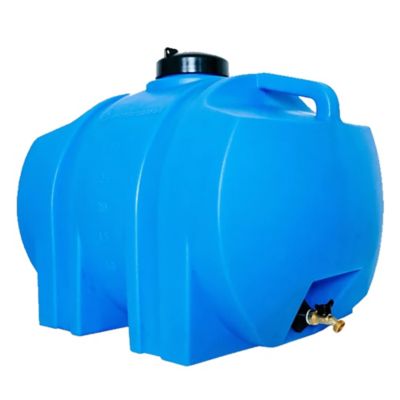
$1,529
.99
Sale Was $1,699.99 Save $170.00 (10%)
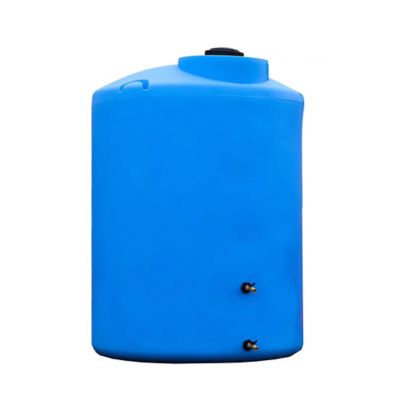
$854
.99
Sale Was $949.99 Save $95.00 (10%)
$674
.99
Sale Was $749.99 Save $75.00 (10%)
$1,799
.99
Sale Was $1,999.99 Save $200.00 (10%)
Best Of FAQ
What winter emergency supplies should I keep on hand for livestock?
Keep extra feed, clean water containers, bedding, mineral supplements, blankets or livestock covers, flashlights, batteries, first-aid basics, and backup power supplies on hand. It also helps to store fence-repair materials, buckets, shovels, and basic tools where you can reach them quickly.
How much extra feed should I include in a winter backup plan?
Plan for extra feed beyond your normal supply in case snow, ice, or road conditions delay a trip to the feed store. Base your plan on the number and type of animals you have, their usual daily needs, and how long you may need to stay stocked up.
How can I plan for livestock water during a winter storm?
Have extra buckets, troughs, and water containers ready, along with a plan for checking and refilling them. Keep backup water stored in a convenient spot, and make sure you have a way to clear ice and move water if regular lines or tanks are unavailable.
What should be included in a livestock winter emergency checklist?
List animal counts, feed needs, water sources, shelter locations, contact information for your veterinarian and livestock helpers, and chores that need to be checked each day. Add backup plans for power, fencing, transportation, and moving animals if conditions change.
How should I organize winter emergency supplies for livestock?
Store supplies in a dry, easy-to-reach place near the animals when possible. Group feed and bedding together, keep tools and fence-repair items in one spot, label containers, and check your supplies before winter and after each major storm.
Best Sellers
-
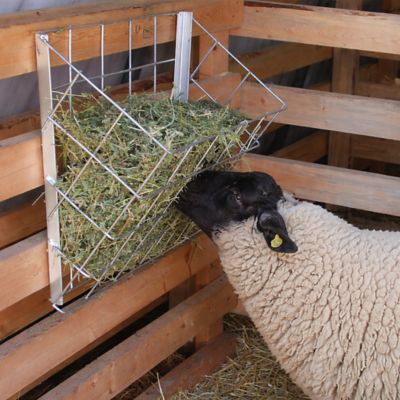
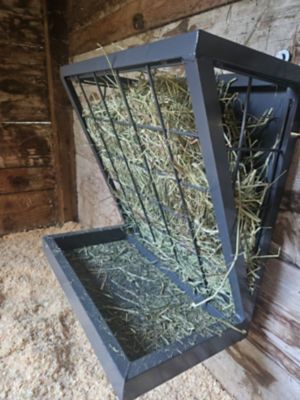
"need a new feeder and want a quality one that will last and last than Rugged Ranch Products is the best"
-
"I fits nicely in the pen and my two pigmy goats love it"
-
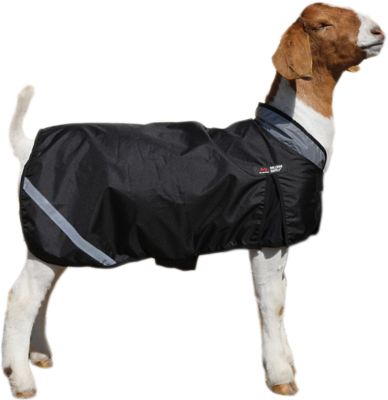
"It stays on and fits great. My does love to wear them when it's cold outside"
-
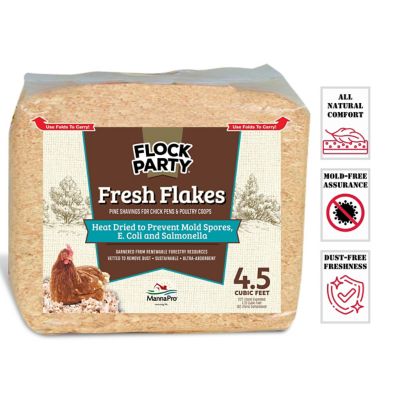
"This is the best bedding for my young chics. Smells great and does the trick"
-
"Great product for worm treatment. I have used this for years"