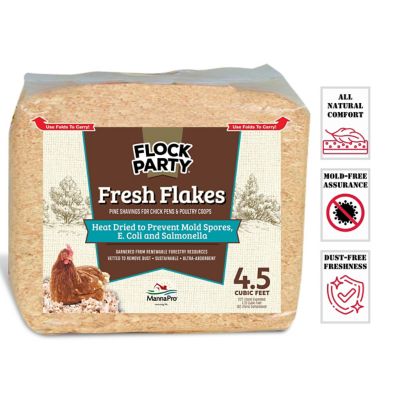
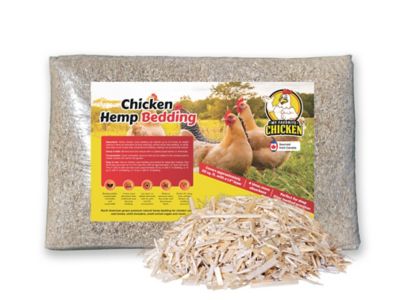
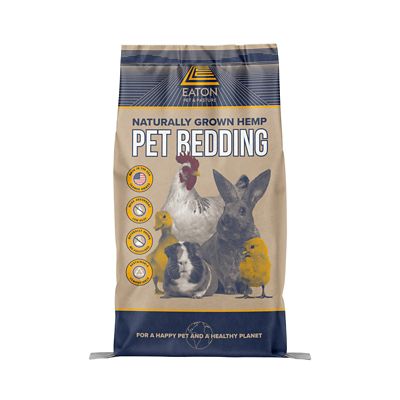
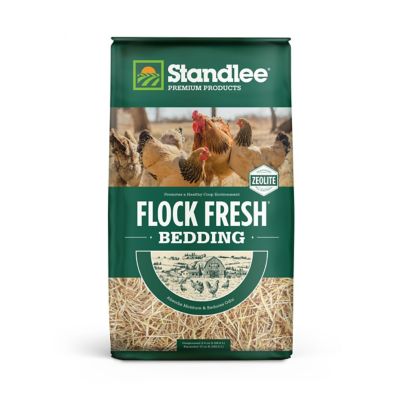
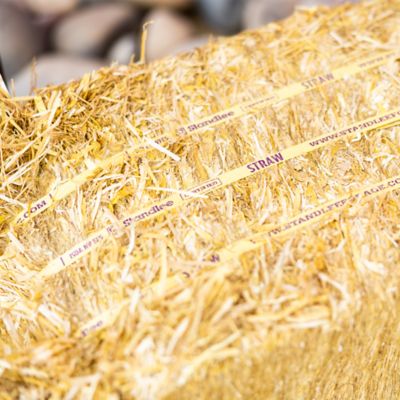
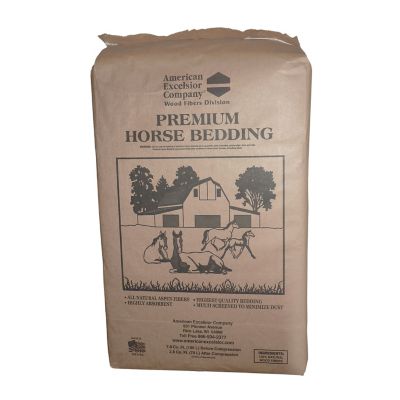
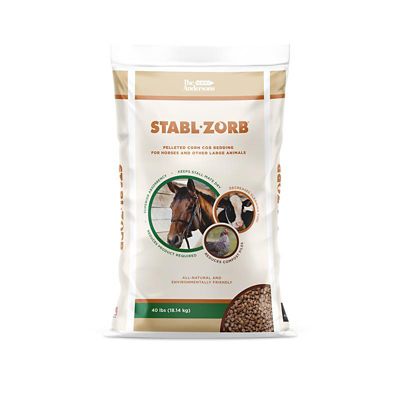
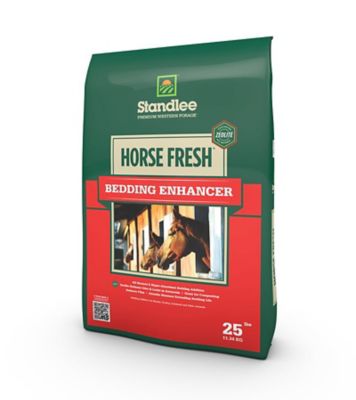
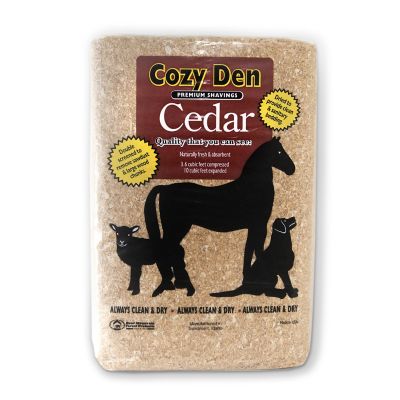
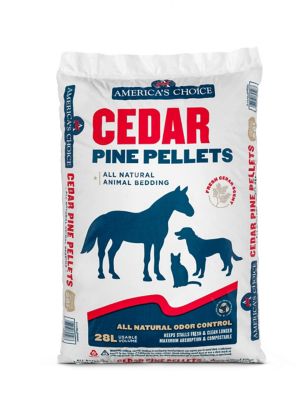
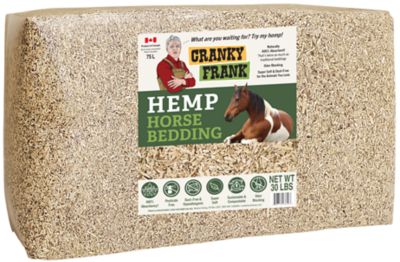
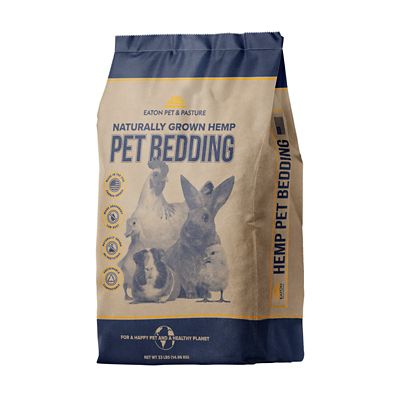
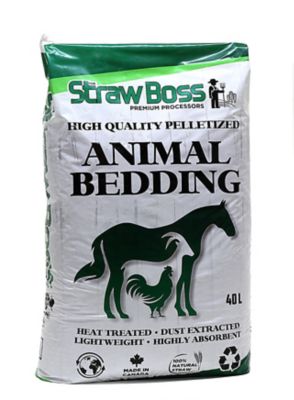
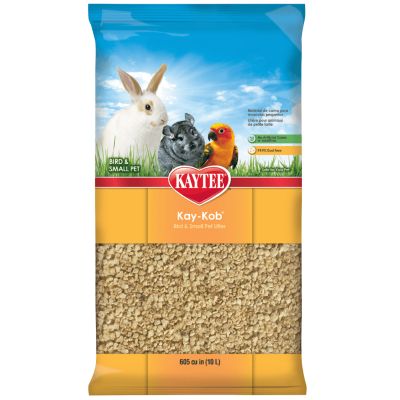
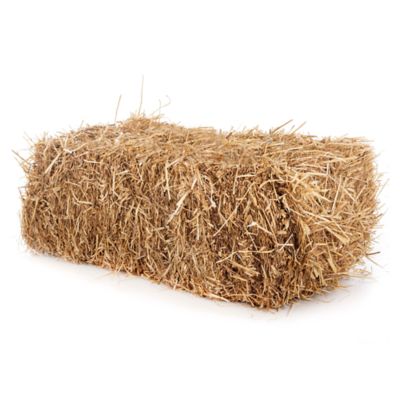
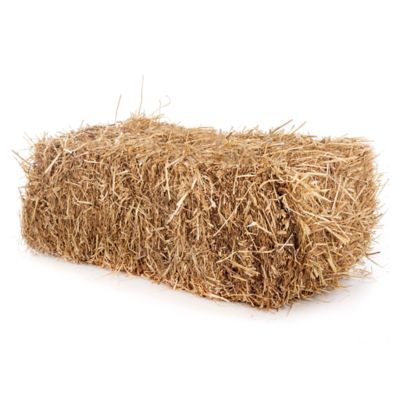
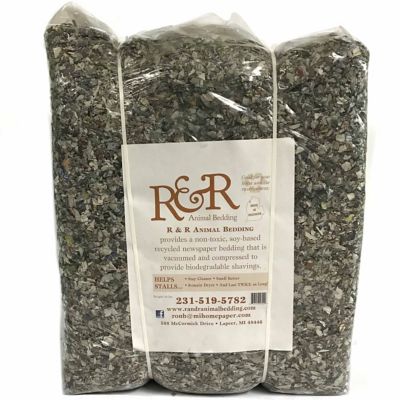
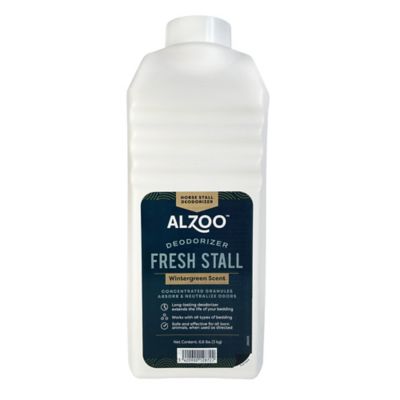
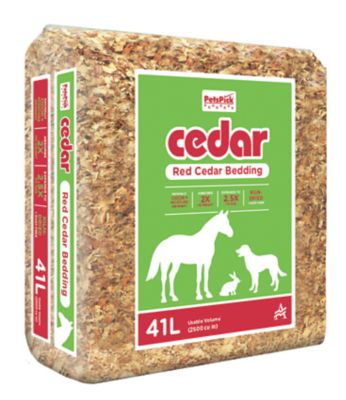
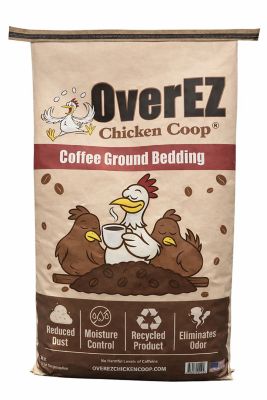
Choosing dry winter bedding for livestock shelters starts with matching the bedding material to the animal, the shelter, and the way moisture collects in your setup. Cattle, goats, sheep, pigs, poultry, horses, and other livestock all benefit from a clean, dry resting area, but they may need different bedding depths and textures. A good bedding material helps insulate animals from cold ground, absorbs urine and spilled water, cushions knees and hocks, and gives livestock a more comfortable place to settle when chilly weather keeps them indoors. Straw is a longtime choice for the top layer because its hollow stems trap air and help hold warmth close to the animal. Choose clean, dry straw rather than hay for bedding. Hay can absorb moisture quickly, spoil, and become less suitable for a clean shelter, while straw is generally better suited for creating a dry layer over the floor. Pine shavings are useful as an absorbent base, especially in stalls, barns, hutches, coops, and other covered spaces where urine can collect. Look for low-dust material that is free of mold, sharp debris, and chemical treatments. Avoid bedding with a musty smell, visible damp spots, or signs of insects. Cedar shavings may have strong aromatic oils that can bother sensitive respiratory systems, so many livestock owners choose pine or another animal-appropriate option instead. For a quick reference when checking shelter conditions, feed supplies, water access, fencing, and other cold-weather needs, use the
Pre-Winter Livestock Readiness Checklist alongside your bedding plans.
The right purchase often depends on how large the shelter is, how many animals share it, and how much moisture the bedding will need to handle between cleanouts. For a small poultry coop, rabbit area, or kid and lamb pen, a thinner layer of absorbent shavings may be practical, with fresh material added to wet spots as needed. Larger livestock shelters may call for a deeper bedding pack that provides insulation across the floor and stays comfortable as animals move, lie down, and rise. Some farmers begin with a layer of pine shavings or another absorbent bedding, then add clean straw on top to create a warmer, springier surface. This layered approach can help keep urine below the resting area while the straw provides loft and insulation. With deep bedding, remove wet or heavily soiled areas regularly and add fresh material before the pack becomes compacted, foul-smelling, or damp at the surface. A deep pack should be managed, not simply left untouched. Watch corners, doorways, feed areas, and low spots where water may enter or where animals tend to stand. Bedding that looks dry at the top can still be wet underneath, so turn or lift sections during routine chores. Keep feed and water containers stable and positioned to reduce spills, since a tipped bucket can soak through bedding faster than a cold night can dry it. For poultry, make sure bedding stays loose enough for scratching and does not cake around waterers. For horses and larger animals, choose a material that gives dependable footing and does not create excessive dust when animals walk or paw. Farmers, homesteaders, 4-H families, animal rescuers, and anyone preparing a first barn or backyard shelter can use these bedding supplies as part of a practical cold-weather setup. They can also make a thoughtful, useful gift for a new livestock owner, especially when paired with feed buckets, stall tools, or other everyday barn supplies.
Dry bedding works best when the shelter itself is ready to shed rain, snow, and condensation. Check the roof, walls, doors, and floor before laying down fresh material, and close drafts at animal level without sealing the building so tightly that moist air becomes trapped. Good ventilation helps remove humidity from breathing, manure, and wet bedding while still protecting livestock from direct wind. A sheltered, well-drained location keeps bedding from wicking moisture up from the ground, and raised or properly finished floors can make a noticeable difference during the cooler months. Store unused straw and shavings under cover, off damp ground, and away from leaks. Keep bags or bales protected from rain, but allow safe airflow around stored materials so they do not develop a musty odor. Before use, inspect every bale, bag, or scoop for mold, unusual heat, heavy dust, trash, wire, or other sharp material. Replace bedding when it is wet, compressed, strongly odorous, or no longer providing a clean place to lie down. Pay attention to the animals themselves: coughing, watery eyes, dirty coats, damp legs, or reluctance to settle can signal that bedding, ventilation, drainage, or cleaning routines need attention. Dry winter bedding for livestock shelters is not one-size-fits-all. Clean straw can provide a warm top layer, pine shavings can help absorb moisture underneath, and a well-managed combination can keep resting areas more comfortable through cold, wet weather. Stocking the appropriate material before conditions turn harsh makes daily chores easier and gives livestock a cleaner, warmer place to rest when the ground outside is cold and muddy.