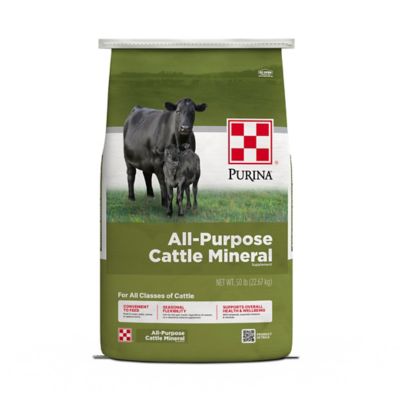
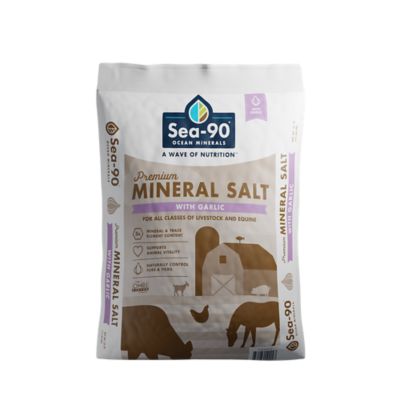
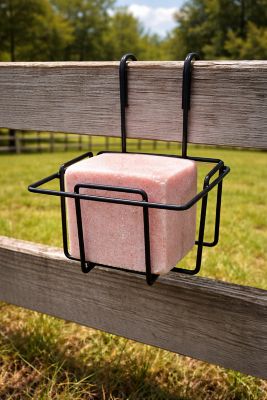
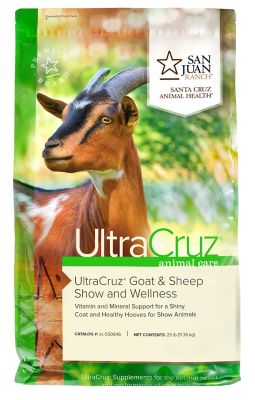
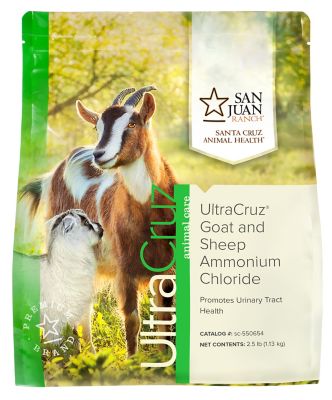
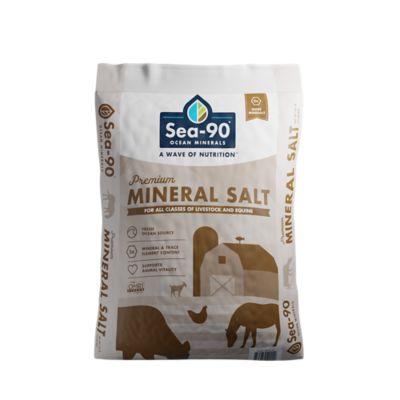
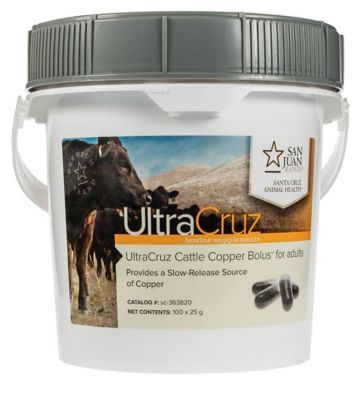
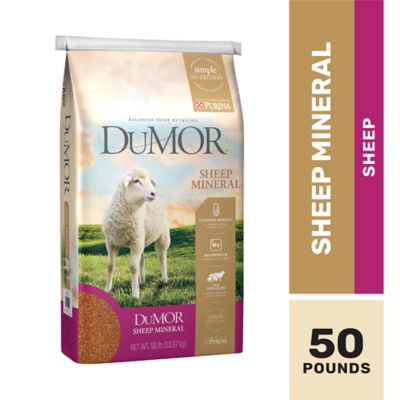
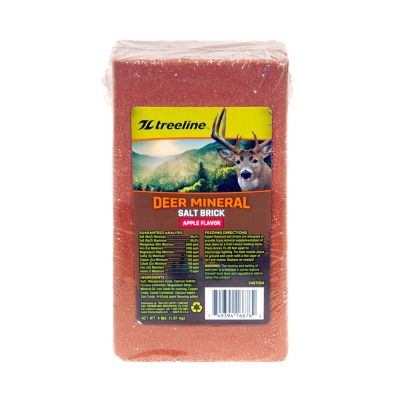
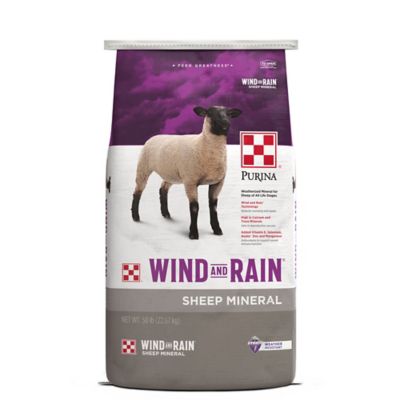
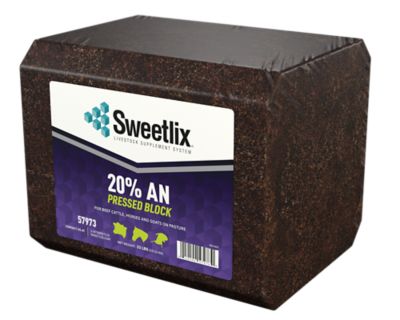
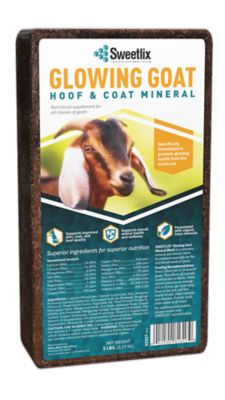
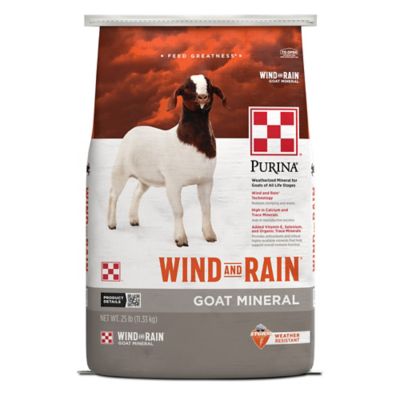
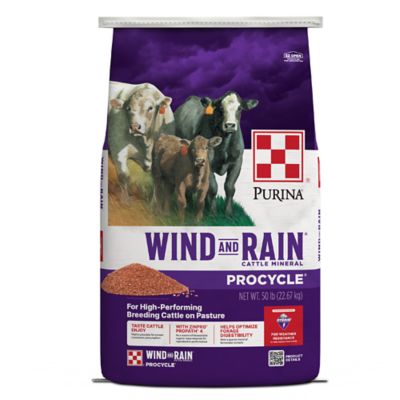
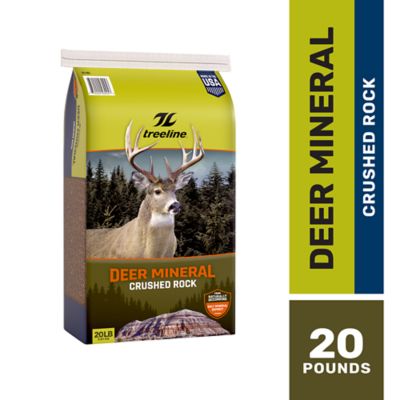
Winter livestock mineral and salt planning starts with knowing what your animals are eating when pasture slows down and stored forage becomes the main part of the ration. Cattle, goats, sheep, horses, and other farm animals do not all need the same mineral blend, so choose supplements made for the species, age, production stage, and forage program you manage. A mature beef cow carrying a calf, a growing heifer, a milk goat, and a horse at maintenance can have very different needs, even when they share the same pasture. During the cooler months, hay quality, local soil conditions, and the amount of grain or other feed in the ration all affect mineral needs. A forage test can show important details about calcium, phosphorus, magnesium, potassium, and other nutrients, while a soil test may help explain why certain trace minerals are limited in your area. If testing is not available, use the feed analysis when possible and follow the feeding directions on the mineral or salt supplement. A balanced trace mineral option may provide copper, zinc, selenium, cobalt, iodine, and other elements, but more is not always better. Sheep, in particular, can be sensitive to excess copper, and some animals may need a species-specific formula rather than a general livestock mix. Phosphorus deserves extra attention when forage is dormant or when hay is low in phosphorus, since it supports growth, reproduction, and normal body function. Animals receiving high-phosphorus feeds may need a different plan, so consider the full ration instead of looking at one ingredient by itself. Salt supplies sodium and chloride, helps support normal fluid balance, and encourages consistent mineral intake. Keeping plain salt or a trace mineralized salt option available according to the needs of the herd can be an important part of a steady winter routine. These supplies are practical for livestock owners, small homesteads, 4-H families, and anyone putting together a thoughtful farm gift for a neighbor or relative who cares for animals.
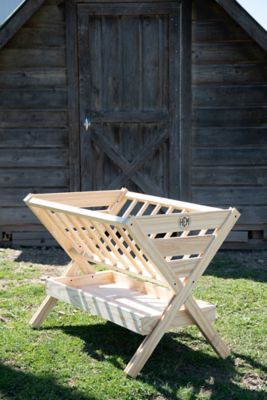
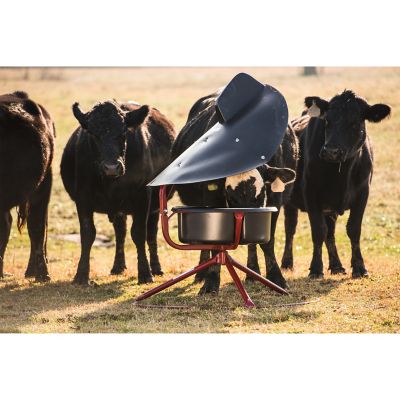
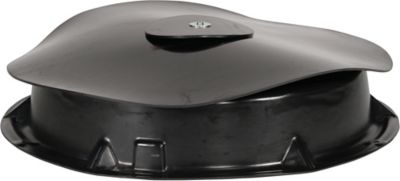
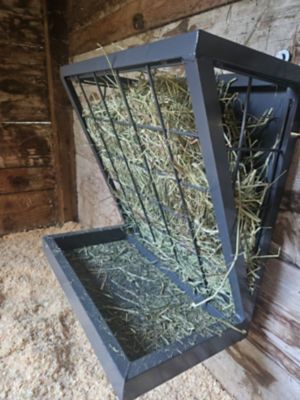
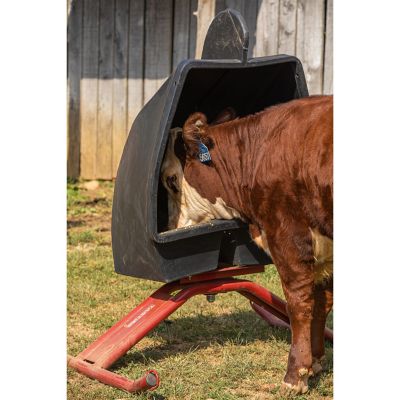
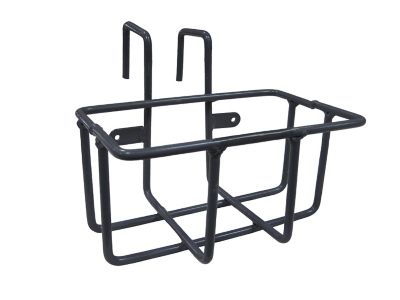
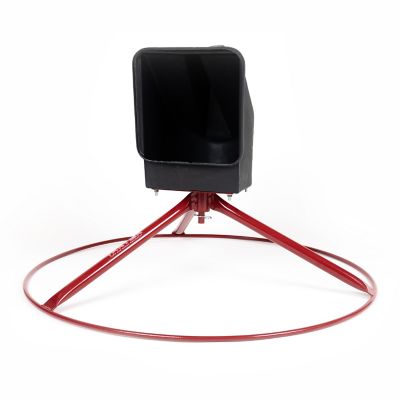
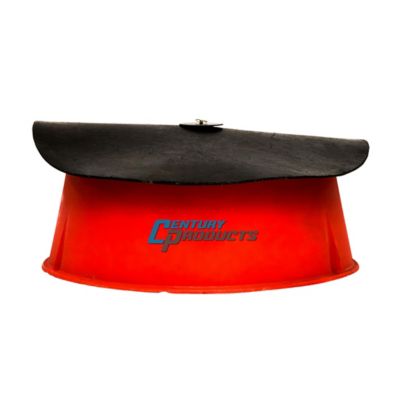
Where you place and protect mineral and salt supplies can make just as much difference as what is in the feeder. Put free-choice supplements where animals naturally gather, such as near a dependable winter water source, hay rings, loafing areas, or a well-used gate, while avoiding muddy spots and locations that collect runoff. A covered feeder helps keep loose minerals dry through rain, sleet, and snow, which reduces caking, waste, and spoiled material. Livestock may ignore a hard, damp block of supplement or take in too much from a feeder that is not protected, so check the supply often and keep the container clean and accessible. Read the label for the intended intake rate and compare that guidance with how much is disappearing from the feeder. For cattle, many mineral programs are designed around roughly 2 to 6 ounces per head per day, but the proper amount varies by formulation, animal size, forage, and feeding program. Do not assume every animal is consuming an equal share in a group. Horned cattle, younger animals, timid goats, or animals lower in the pecking order may be pushed away, while one or two dominant animals may consume more than their share. Adding another feeder or spreading feeding points apart can help distribute access. Keep records when you can: note how much was placed out, how many animals have access, and how long it lasts. A sudden change in consumption may signal wet feed, a change in the hay, altered water access, or an issue that deserves closer attention. Clean, unfrozen water is essential, since animals cannot make good use of feed and minerals without adequate water. Check tanks and automatic waterers during freezes, and keep an eye on windbreaks, bedding, and shelter so livestock can spend more time eating and resting instead of standing in harsh weather. Mineral supplements support a complete feeding program but do not replace good-quality hay, adequate energy, protein, water, or veterinary care.
Planning ahead is especially helpful when winter roads are slick, deliveries are delayed, or a storm keeps you away from the nearest farm-supply store. Keep enough mineral, salt, hay, feed, and bedding on hand for the conditions typical of your area, allowing extra room for a long cold snap or muddy stretch. Store unopened bags in a dry place off the ground, away from rodents and moisture, and close opened containers securely. Before putting out a new supplement, compare its guaranteed analysis with the current ration and avoid stacking several fortified feeds without checking the total amounts of trace minerals. A livestock owner may also want a simple written plan that lists animal numbers, feeding rates, water checks, emergency contacts, and the location of spare supplies. Pregnant, lactating, growing, elderly, or recovering animals may need closer observation and a more tailored ration. Watch body condition, coat quality, appetite, manure, movement, and behavior; changes can be useful early signs that forage or mineral intake needs attention, though unusual symptoms call for help from a veterinarian or qualified livestock nutrition professional. As dormant forage gives way to fresh growth later in the season, review the plan again. Rapid changes to lush green forage can affect magnesium needs, and some herds benefit from added magnesium during that transition to help reduce the risk of grass tetany. Local extension offices, veterinarians, feed specialists, and forage laboratories can help interpret test results and build a practical program for your animals. For a broader checklist covering backup feed, water, shelter, handling supplies, and storm readiness, visit
Winter Emergency Supplies and Backup Plan for Livestock. With a dry feeder, dependable water, the right species-specific supplement, and a habit of checking intake, mineral and salt planning becomes a manageable part of everyday chores rather than a last-minute scramble.