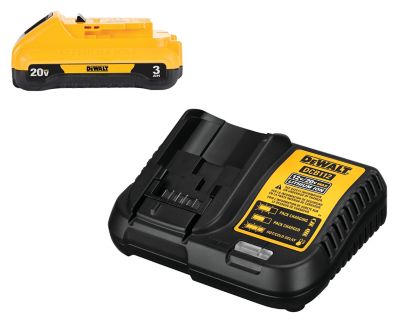
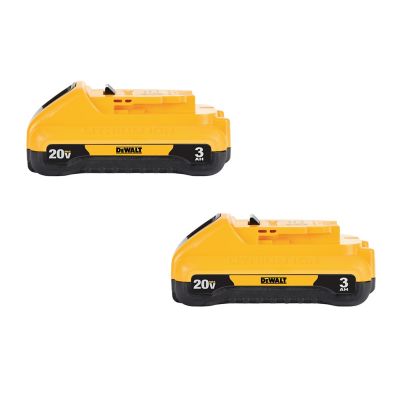
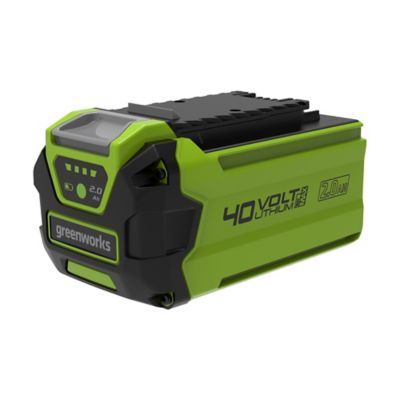
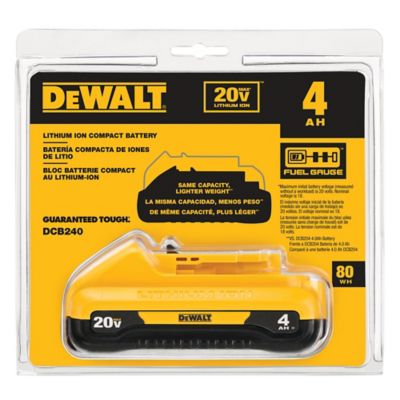
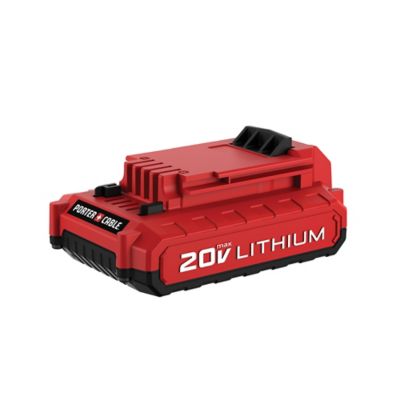
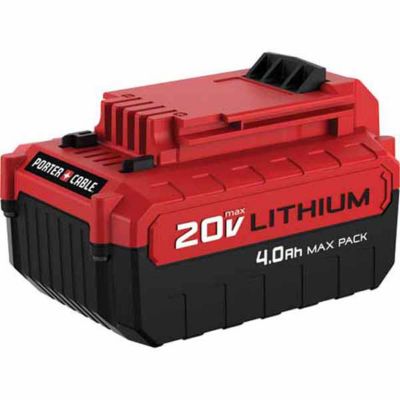
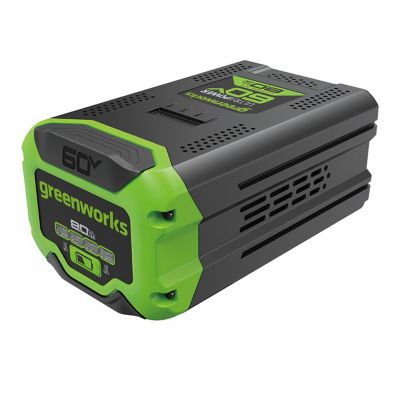
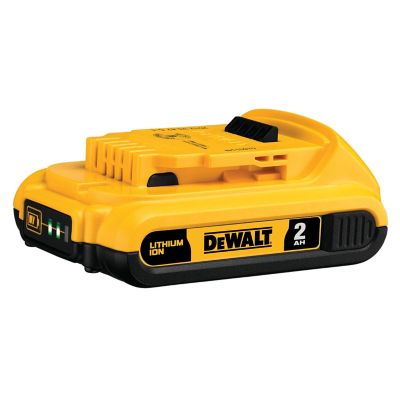
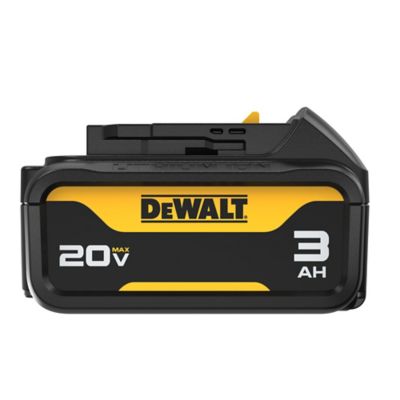
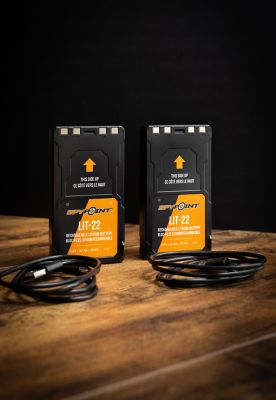
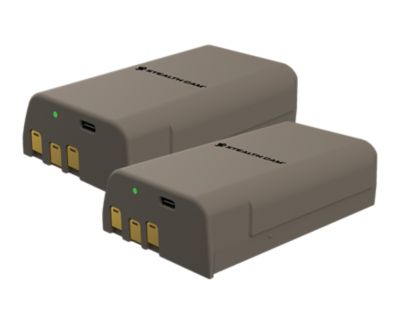
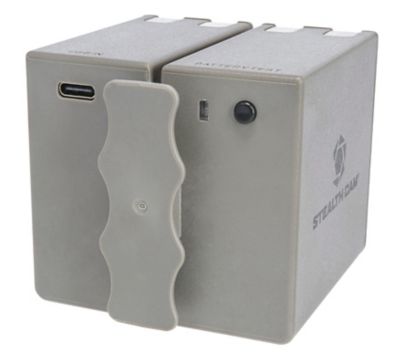
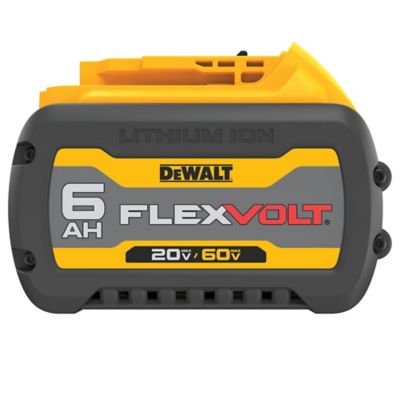
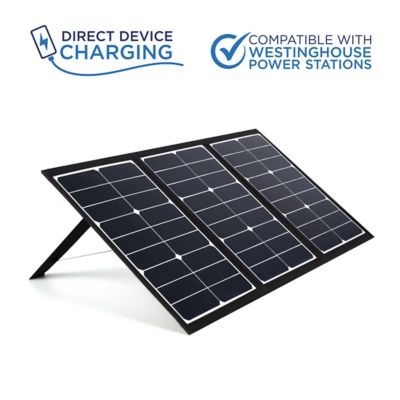
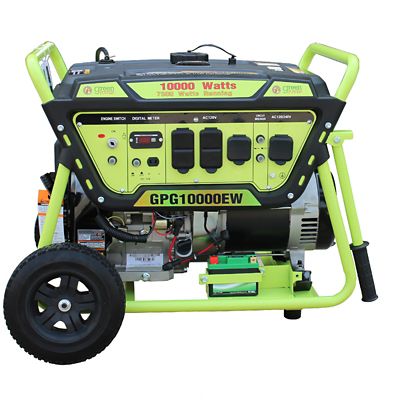
Lithium-ion batteries put rechargeable power close to the job, whether that means driving screws along a fence line, lighting a workbench or running equipment away from an outlet. A lithium-ion battery stores and releases energy as lithium ions move between two electrodes through an electrolyte. During discharge, ions travel from the negative electrode, called the anode, to the positive electrode, called the cathode, while electrons flow through the connected equipment to supply power. Charging reverses that process. The anode is commonly graphite, while the cathode contains a lithium-based compound, such as a metal oxide or iron phosphate. A thin separator keeps the electrodes apart while allowing ions to pass through. Those internal materials help determine the battery’s weight, power output, service life and charging requirements. For shoppers, the practical appeal is plenty of stored energy in a relatively compact package. Compared with many older rechargeable battery types, lithium-ion batteries can carry less weight for the same stored energy and lose less charge while sitting idle. They also do not need to be completely drained before recharging to prevent the memory effect associated with some older battery chemistries. That makes partial recharging practical between chores, rather than waiting until a tool stops halfway through a repair. The category covers everything from removable equipment packs to larger batteries built for energy storage, but these formats are not interchangeable. Some designs favor short bursts of high power, while others are intended to supply steady energy over longer stretches. Lithium iron phosphate, often shortened to LiFePO4, is one type of lithium-ion chemistry commonly found in deep-cycle applications. Other chemistries are common in compact tool packs where weight and space matter. Ranchers, property owners, tradespeople and folks maintaining a home workshop may all reach for rechargeable power, though the right battery depends on the equipment and the demands of the job rather than the chemistry name alone.
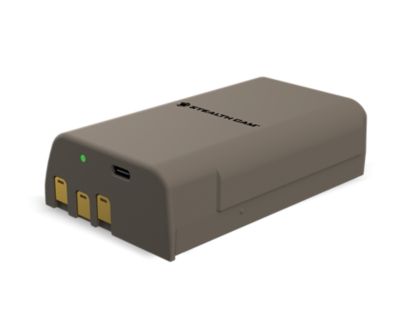
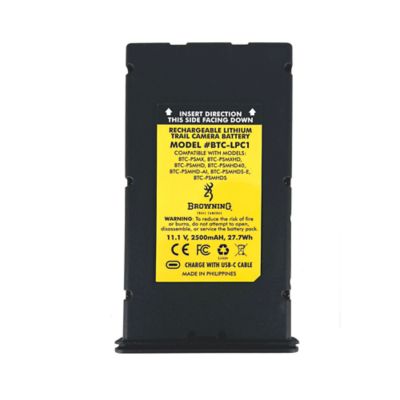
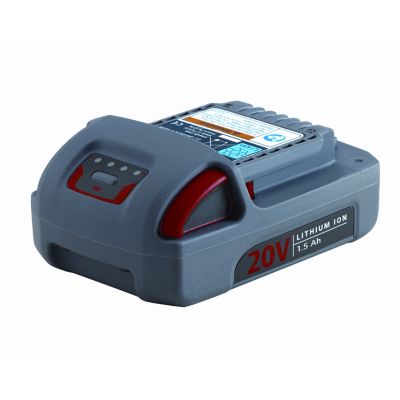
Fit starts with the equipment manufacturer’s battery requirements, not just whether a pack slides into place or a pair of terminals looks familiar. Voltage, chemistry, connector style, physical dimensions and electronic compatibility all matter. Removable packs may have platform-specific rails, latches and electrical contacts, and similar-looking packs can belong to entirely different systems. Larger installations also require the right terminal arrangement, secure mounting and electrical protection. A battery’s amp-hour rating describes its charge capacity, but it only gives a useful runtime comparison when batteries have the same voltage and operate under comparable conditions. Watt-hours offer another way to compare stored energy: nominal voltage multiplied by amp-hours gives an approximate watt-hour figure. A 20-volt nominal battery rated at 5 amp-hours, for example, stores about 100 watt-hours. The label’s nominal voltage matters here because a maximum-voltage marketing figure can give a different result. Neither rating guarantees a set number of working hours. Driving fasteners into dense lumber draws power differently than keeping a small light on beside a repair bench, and electrical losses also affect runtime. Continuous discharge ratings and peak output limits deserve attention when equipment has a heavy startup demand. More capacity can mean longer stretches between charges, but it can also add weight and change how a handheld tool balances. A compact pack may feel better overhead, while a larger compatible pack can make sense for longer ground-level jobs. Case construction, protected contacts and a firm latch help a battery stand up to everyday handling, though an enclosed housing does not automatically make it waterproof or safe from a hard drop. For RV or stationary storage applications, charging equipment and system settings must suit the battery chemistry; a lithium battery is not automatically a direct replacement for another battery type. When the goal is powering plug-in equipment away from a wall outlet,
Lithium Battery Generators bring battery storage and power-delivery components together in a different format from a standalone replacement battery.
Day-to-day care helps protect both the battery and the equipment it powers. Many lithium-ion packs include a battery management system that monitors conditions such as cell voltage, current and temperature, with protections that may shut the pack down when operating limits are reached. Those features vary by design and do not take the place of compatible equipment or proper handling. Charging calls for a charger approved for the battery’s chemistry, voltage and pack design, even when another charger’s connector appears to fit. A clear spot on a firm surface, away from loose hay, fuel and other combustible materials, is a better charging location than a cluttered corner of the barn. Manufacturer instructions set the permitted charging conditions, ventilation needs and storage charge level. Complete discharge is unnecessary for routine care, and leaving a depleted pack sitting for a long stretch can make recovery difficult or impossible. For equipment that spends time between jobs, periodic checks and storage at the recommended charge level help keep the battery ready without treating constant charging as a universal rule. Clean, dry contacts support a sound connection, while covers or separate compartments keep terminals from touching loose screws, nails or other metal objects in a toolbox. A pack that swells, leaks, develops an unusual odor or shows damage needs to come out of service rather than go back on the charger. Battery housings should never be opened, punctured or altered to make an incompatible connection work. Service life depends on chemistry, workload, charging habits and storage conditions, so cycle-life figures are best read alongside the manufacturer’s test conditions and remaining-capacity definition. Over time, reduced runtime can signal normal capacity loss, even when the battery still takes a charge. At the end of its working life, a lithium-ion battery belongs with a collection program that accepts its type, not in household trash or ordinary curbside recycling. The receiving facility can explain terminal protection and handling requirements, especially for damaged packs. Matching the battery to the job, keeping connections protected and following its charging requirements make rechargeable power a practical part of getting chores done.