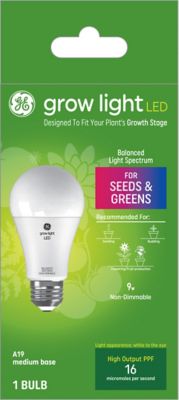
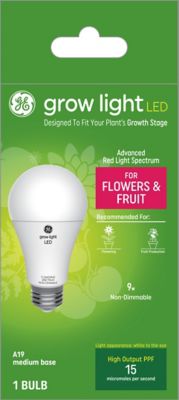
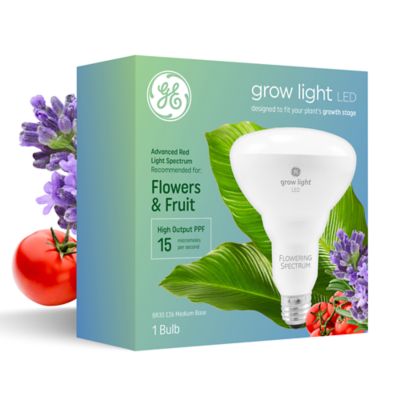
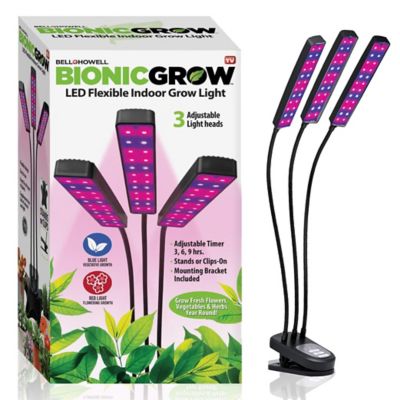
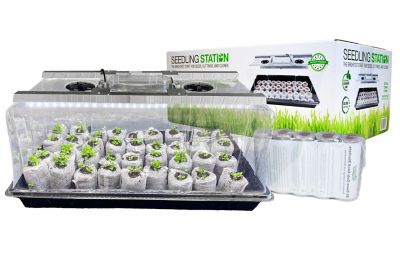
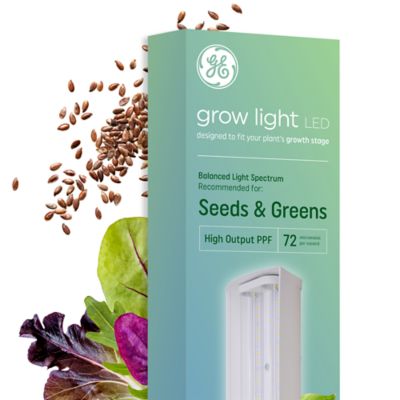
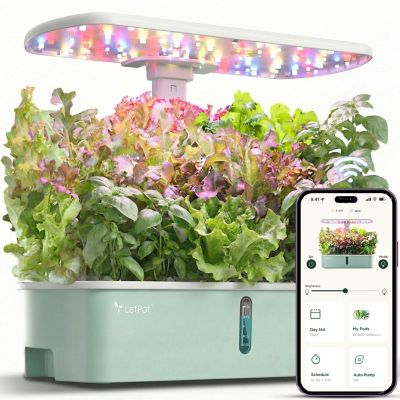
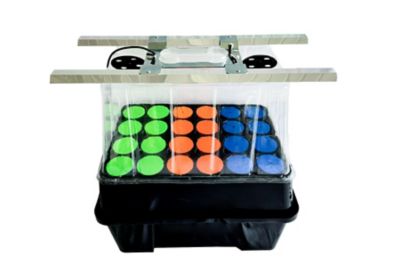
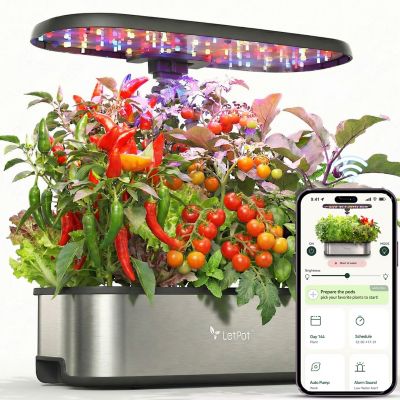
LED grow lights provide plant-focused lighting for indoor seed trays, herbs, houseplants, and other growing spaces where sunlight alone may not meet a plant’s needs. These fixtures use light-emitting diodes to deliver wavelengths that plants absorb for photosynthesis, the process that turns light into energy for growth. Full-spectrum LED grow lights generally provide a broad range of visible light, often with blue and red wavelengths that support different aspects of plant development. Blue light helps regulate compact growth and leaf development, while red light plays a role in photosynthesis and flowering responses. The right balance depends on the crop and its stage of growth; a tray of young cabbage seedlings has different lighting needs than a mature pepper plant carrying fruit. For a kitchen herb shelf, a propagation bench, or a dedicated growing rack, the main goal is enough usable light spread evenly across the leaves. LEDs can deliver that light with less electricity and less radiant heat than many older growing-light technologies, though performance varies by fixture. They still generate heat, and leaves can suffer from excessive light or contact with a hot housing. Long operating life is another reason growers consider LED lighting, but rated lifespan is an estimate rather than a promise of unchanged output. Light levels can decline over time, and the driver, ventilation, and operating conditions all affect service life. For someone tending a few pots of basil beside the kitchen sink, a compact setup may be all that fits. A gardener raising several flats of vegetable starts will generally need broader coverage and room to raise the lights as plants grow. Indoor grow lights also suit teachers growing classroom seedlings, families watching beans sprout, and plant enthusiasts tending collections away from a bright window. As a gift, a grow light makes the most sense when its size, mounting style, and controls match the recipient’s growing space rather than simply offering the highest output.
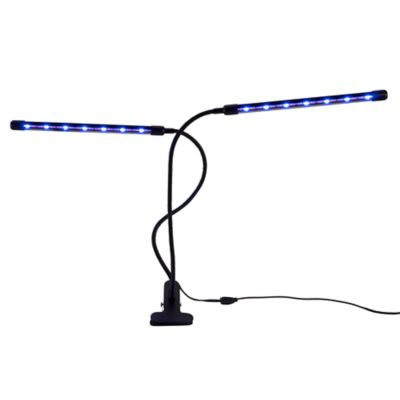
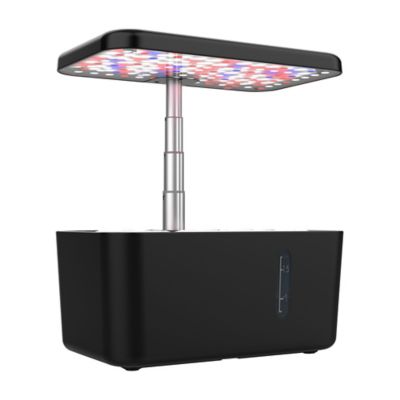
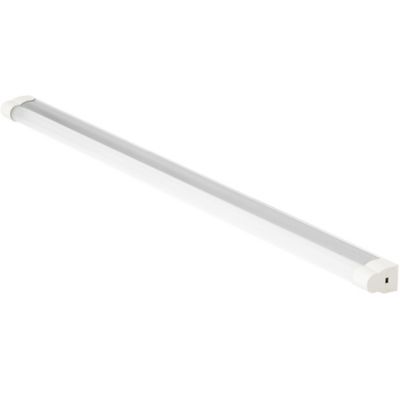
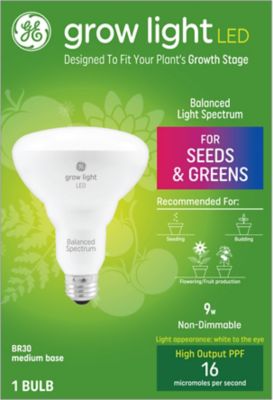
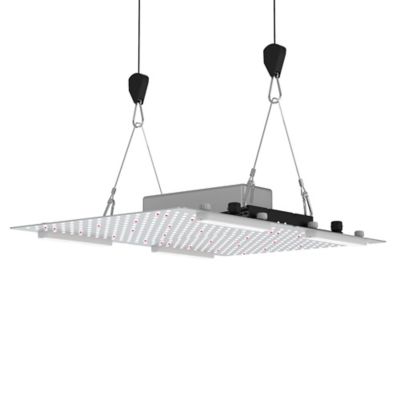
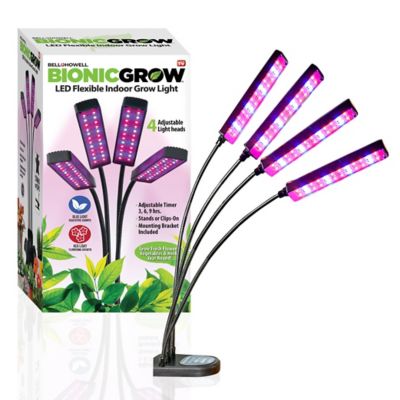
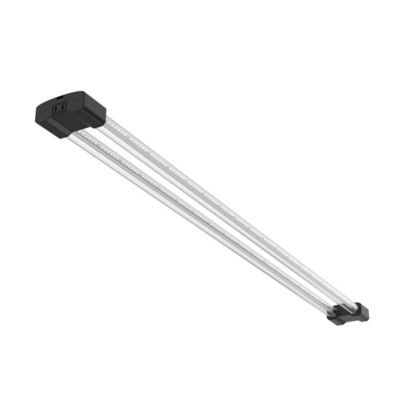
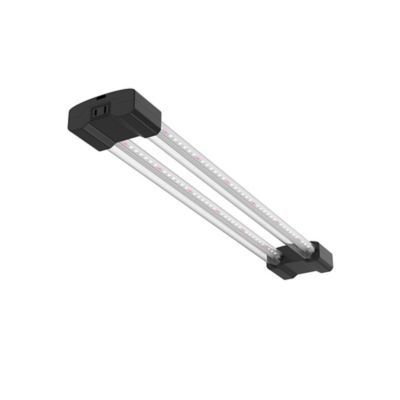
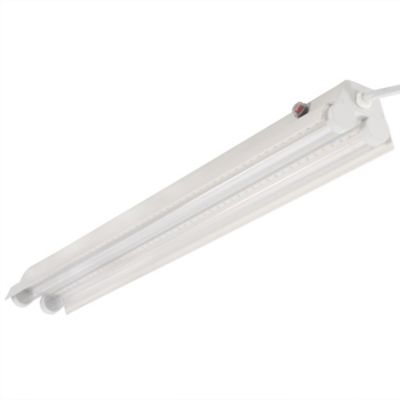
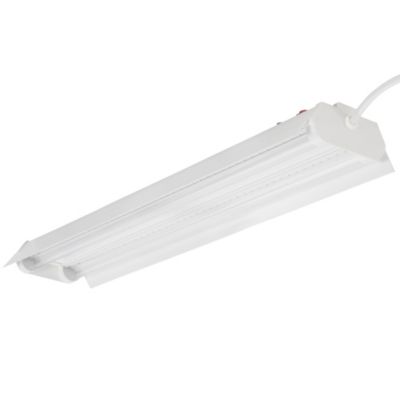
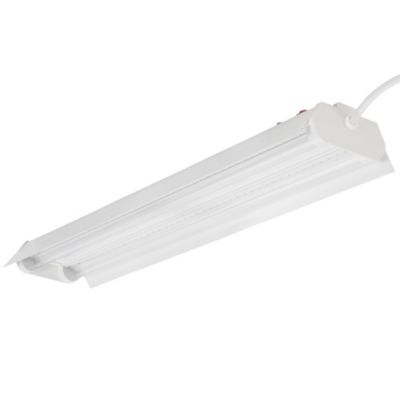
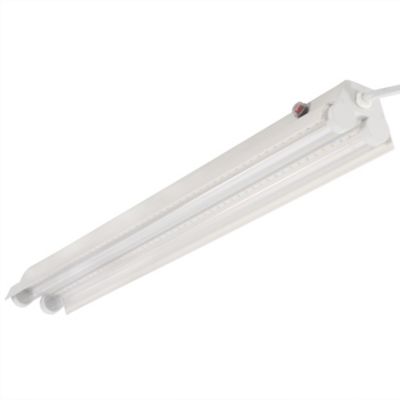
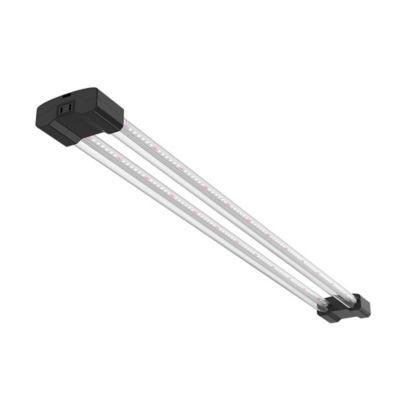
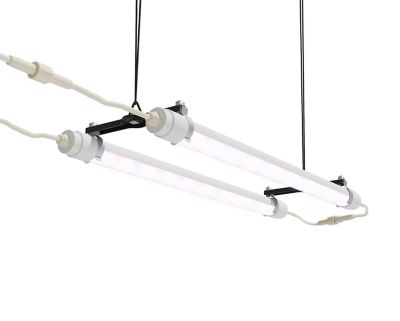
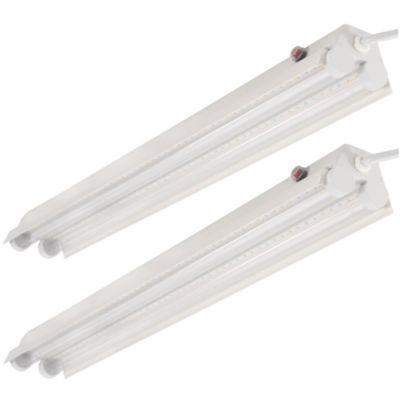
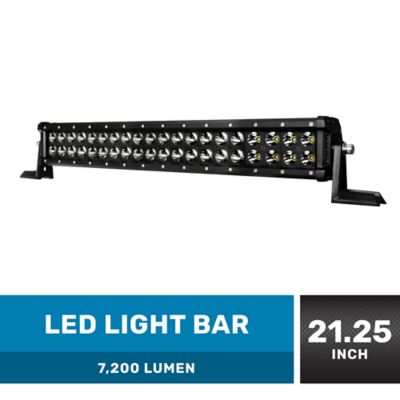
The shape and mounting arrangement of LED grow lights matter just as much as their light output. Linear bars fit neatly beneath shelves and can spread illumination along rows of small pots, while panels cover wider growing areas from an overhead position. Grow bulbs work with compatible sockets and fixtures, provided the lamp’s electrical rating, ventilation, and installation requirements match. Clip-on styles can suit a small plant station, but the clamp needs a firm mounting surface and enough reach to position the light over the foliage. On a growing rack, check both the shelf dimensions and the clearance left after accounting for trays, pots, fixture depth, and plant height. A fixture’s coverage rating should identify the hanging distance and intended growth stage, since the same light may cover a larger area for seedlings than for fruiting plants that need greater intensity. Wattage describes electrical consumption, not how much useful light reaches every leaf. Lumens describe brightness as human eyes perceive it, so they are not the best measure of plant-lighting performance. Photosynthetically active radiation, or PAR, refers to the light range from 400 to 700 nanometers that plants use for photosynthesis. Photosynthetic photon flux density, or PPFD, measures how much of that light reaches a given area each second. When provided, a PPFD map helps show whether a fixture illuminates the edges of a growing area as well as its center. Photon efficacy, often listed in micromoles per joule, helps compare how efficiently fixtures turn electricity into plant-usable light. Those measurements are especially helpful when a crowded shelf holds both sturdy seedlings directly beneath the fixture and stretched, leaning plants around the edges. Dimming controls and adjustable hangers offer flexibility as that growing space changes. Timers can keep lighting schedules consistent without a daily trip to the outlet, while linked fixtures can simplify a multi-shelf arrangement when the manufacturer permits that configuration. Check connection limits and total electrical load before expanding a setup; matching plugs alone do not establish compatibility.
Good fit also means choosing construction and electrical features suited to a space where watering is part of the routine. Aluminum housings and heat sinks help move heat away from LED components, while lenses and covers influence light distribution and protect internal parts. A solid mounting system, accessible controls, and cords that reach a suitable outlet without stretching make everyday tending easier. Water resistance varies, so a fixture intended for a dry room should not be treated as splash-resistant greenhouse equipment. Follow the listed location rating, keep connections away from water, and use GFCI protection where required. Ordinary room lighting serves a different purpose:
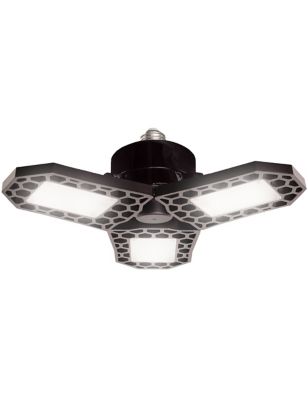
LED Garage Lights can brighten a garage workspace, but task lighting should not be assumed to provide the spectrum, intensity, or coverage a plant needs. For grow lights, hanging height and daily operating time should follow both the fixture’s directions and the needs of the plants beneath it. Many seedlings and common indoor plants grow under schedules of roughly 12 to 16 hours of light daily, with a regular dark period, but flowering responses and total light requirements vary by species. There is no single correct hanging distance for every LED fixture. A powerful panel may need considerably more clearance than a low-output shelf light, and moving either one changes the intensity at leaf level. Adjustable mounts make it easier to maintain appropriate spacing as stems lengthen. Pale patches or curled leaves can signal excessive light, while long, weak stems and growth leaning toward the fixture can point to insufficient illumination; watering and nutrition problems can cause similar symptoms. Keeping plants with similar needs together makes adjustments less of a chore. Routine care is straightforward: disconnect power before cleaning, follow the manufacturer’s cleaning directions, and remove dust from accessible surfaces and ventilation openings. Check hangers, clamps, cords, and connections periodically, especially around frequently watered trays. With suitable coverage, secure mounting, and manageable controls, an LED growing setup can fit comfortably into the everyday work of raising plants indoors.