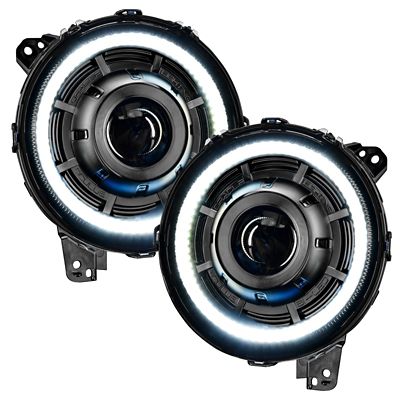
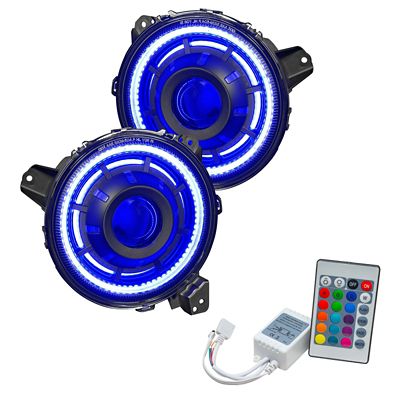
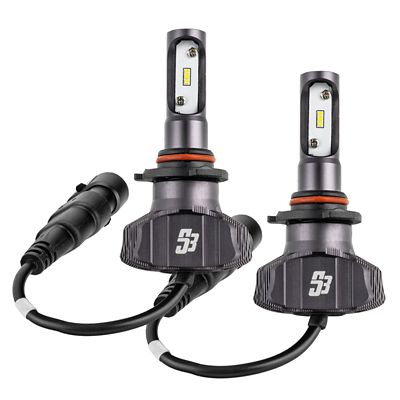
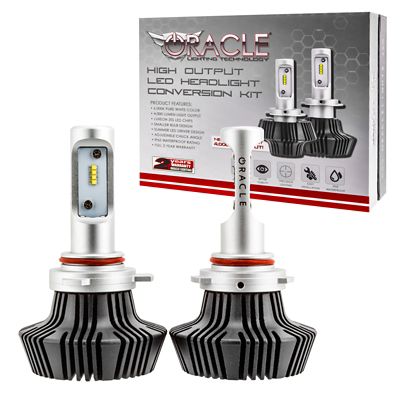
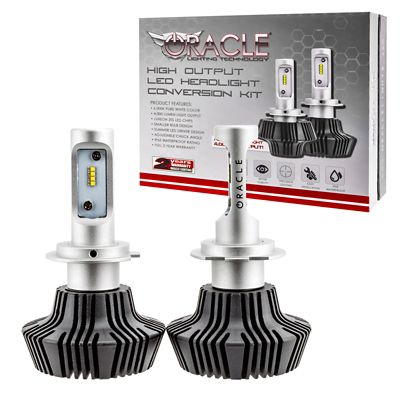
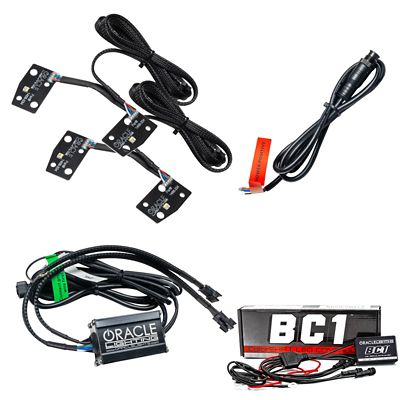
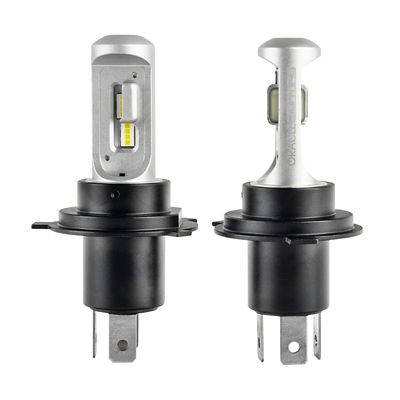
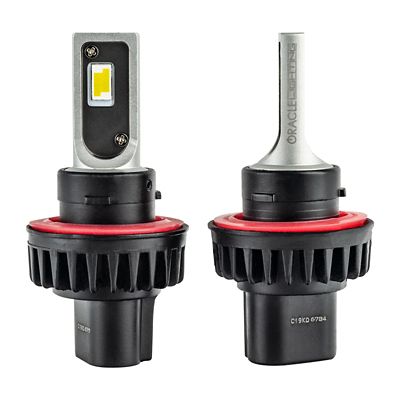
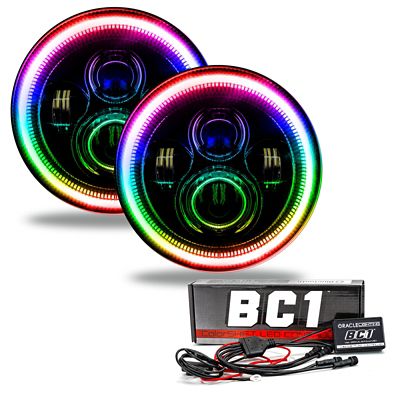
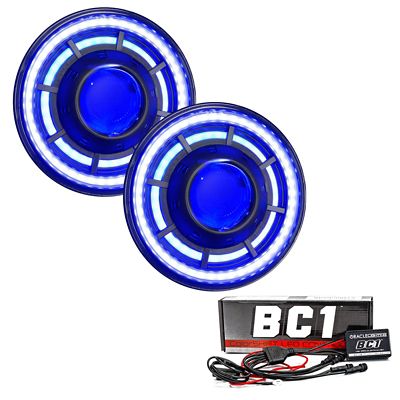
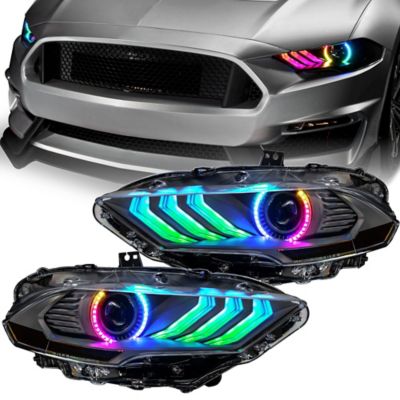
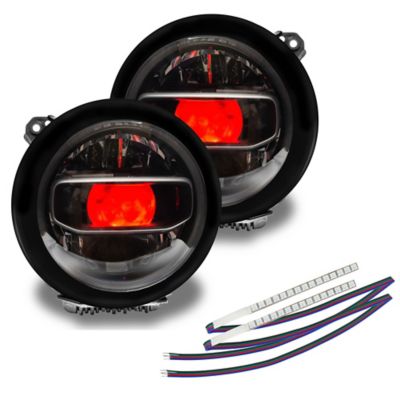
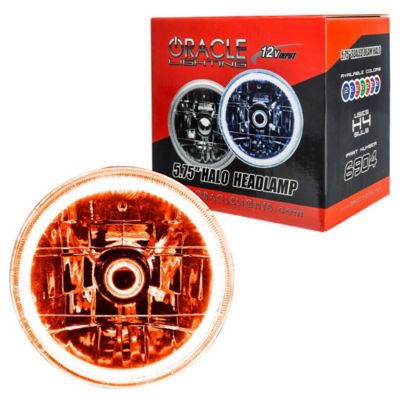
LED headlights put semiconductor lighting to work where it matters: on the road ahead, along a farm lane, or across a designated off-road route. Instead of heating a filament like a halogen bulb, an LED produces light when electrical current passes through a semiconductor. That design allows instant illumination without a warm-up period and often requires less electrical power than a comparable halogen system. For folks heading out before daylight, hauling a trailer home after chores, or driving between properties after dark, a well-matched headlight system helps make the path ahead easier to see. The important distinction is that brightness alone does not tell the whole story. Useful illumination depends on the complete system, including the light source, reflector or projector, lens, and headlight aim. A controlled beam places light on the driving surface without sending excessive glare into another driver's eyes. Many LED headlights produce white light around 6000 Kelvin, but color temperature describes the appearance of the light, not how far it reaches or how well a driver can spot an obstacle. A higher Kelvin number is not automatically better, and a high advertised lumen count does not guarantee a better view from behind the wheel. Lumens describe light output, while the beam pattern determines where that light lands. A gatepost beside a narrow entrance, the edge of a gravel lane, and a curve farther down the road call for a useful balance of reach and coverage. Low beams need controlled distribution for meeting traffic, while high beams provide additional reach when conditions and traffic allow. LED headlight bulbs and complete LED headlight assemblies serve different replacement needs, so the right choice starts with the vehicle's original lighting design rather than a brightness claim. For a pickup, passenger vehicle, motorcycle, or compatible piece of equipment, proper fit and intended use matter just as much as the light source itself. The goal is a clear, usable view that suits the vehicle and respects everyone sharing the road.
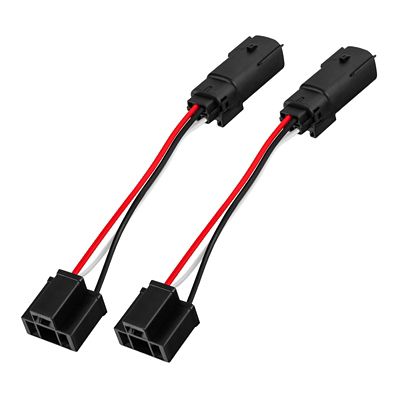
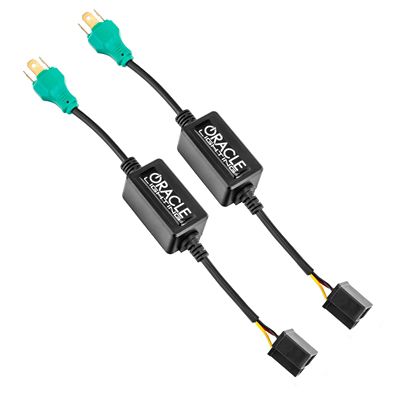
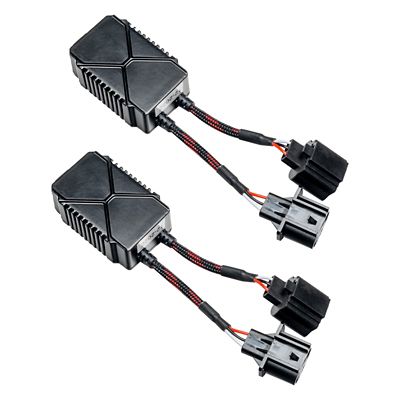
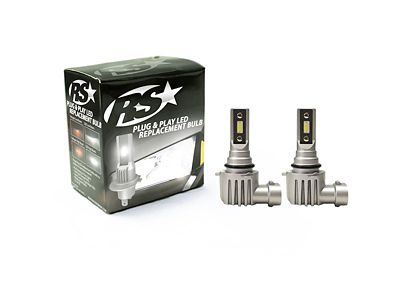
Fit involves more than a bulb that slips into the socket. Vehicle year, make, model, trim, and original headlight type can all affect compatibility, and two vehicles that look alike may have different lighting equipment. A headlight designed for a halogen bulb is not automatically suitable for an LED replacement, even when the base matches. The position and shape of the light source must work with the housing's optics; otherwise, the result can be scattered light, dark spots, or glare rather than a helpful improvement. Complete LED headlight assemblies pair the light source with optics designed around it, but they still need the correct mounting points, electrical connections, and application fit. For road-going vehicles, lighting must meet applicable federal requirements and state laws. An off-road designation does not establish suitability for public roads, and a bulb's physical fit alone does not establish compliance. That distinction matters for a truck that travels both private acreage and the highway into town. Electrical compatibility also deserves attention. Operating voltage, connector style, polarity, and the vehicle's bulb-monitoring system can affect whether a replacement functions properly. Some combinations may produce flicker, dashboard warnings, or trouble with daytime running lights. Dual-beam arrangements need the correct low- and high-beam operation, not simply a light that turns on. Behind the housing, space can be tight around battery trays, wiring, and access covers. LED bulbs may have heat sinks, cooling fans, or separate drivers that require more room than the original bulb. Factory dust caps and seals still need to close properly rather than being left open to make a part fit. A description such as plug-and-play generally refers to the connection or installation arrangement; it does not settle every question about optical performance, clearance, or road legality. Manufacturer fitment information and installation requirements help separate a suitable replacement from one that only looks right in a photo. When the application is unclear, a qualified installer can help confirm compatibility before the vehicle returns to regular driving.
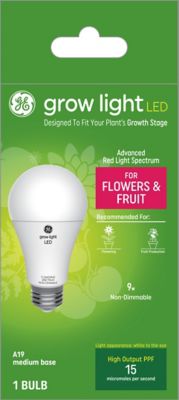
Construction and care have a big say in how headlights hold up to daily travel and work around the property. Depending on the design, LED headlight components may include aluminum heat sinks, molded housings, impact-resistant polycarbonate lenses, and seals that help keep dust and moisture away from internal parts. Aluminum helps carry heat away from the LED chips, while active cooling designs add a fan to move air. Although LEDs can draw less power than halogen bulbs, they still generate heat that must be managed. Restricted airflow, damaged cooling components, or an installation that traps heat can shorten service life. Advertised lifespan figures are estimates rather than promises of a particular number of years on a vehicle; operating conditions, electronics, and installation all influence the result. Vibration resistance and secure mounting are especially relevant for equipment that spends time on rutted lanes or uneven ground. Water- and dust-resistance ratings describe tested levels of protection, not permission to ignore damaged seals or spray electrical connections at close range. Routine attention can be straightforward: clean exterior lenses with materials approved for their surface, keep wiring secured away from moving parts, and look for loose mounts or damaged connectors. Hazy, scratched, or yellowed lenses can reduce useful output even when the light source still works. Persistent moisture inside a housing also warrants attention rather than a brighter bulb to compensate. Correct aim remains important after replacement, suspension changes, or other work that alters vehicle height. A heavy load in the bed or a trailer on the hitch can change the direction of the beams, making the vehicle manufacturer's loading and leveling guidance worth following. For farm trucks, daily drivers, and compatible recreational equipment, the best lighting choice fits the task without adding unnecessary glare or installation headaches. The same broad LED technology serves other jobs around a property, including
LED Grow Lights for plant lighting, but each application calls for its own light distribution and design. With headlights, the priorities stay practical: the correct fit, a controlled beam, sound construction, and illumination suited to the road or route ahead.