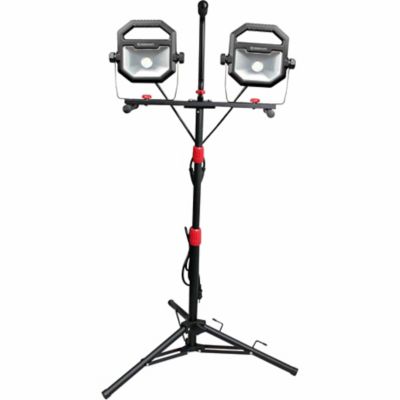
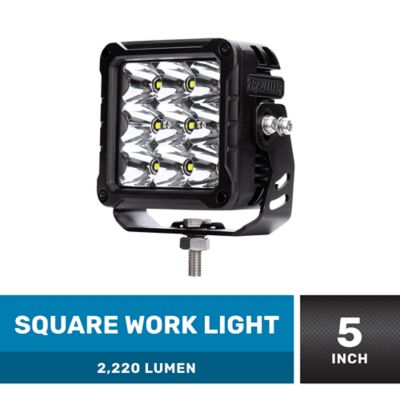
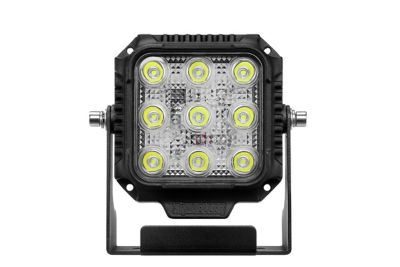
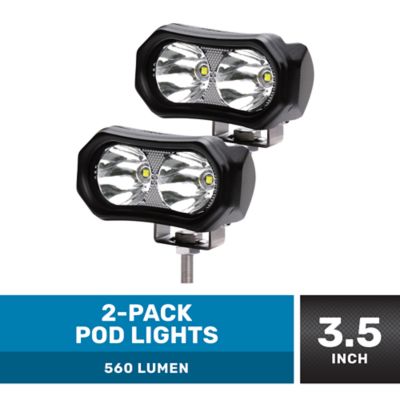
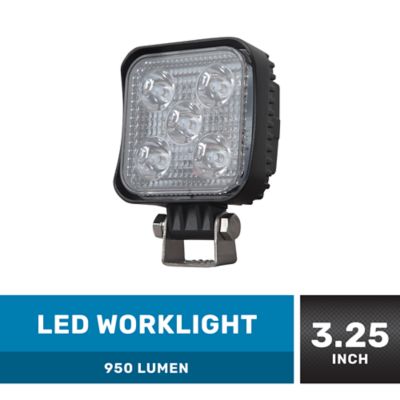
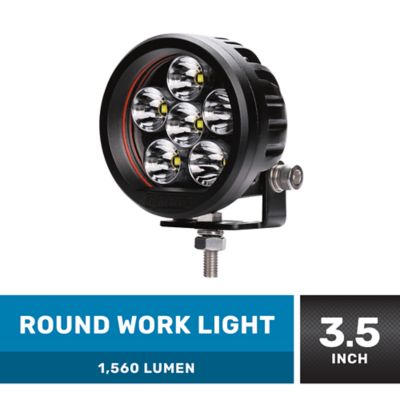
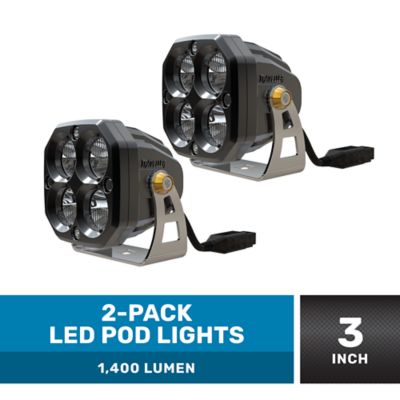
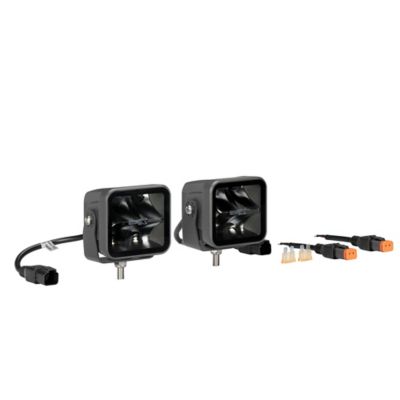
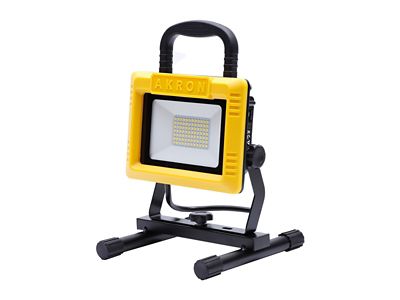
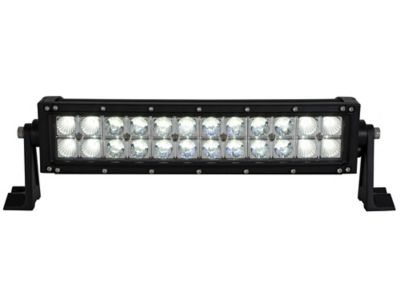
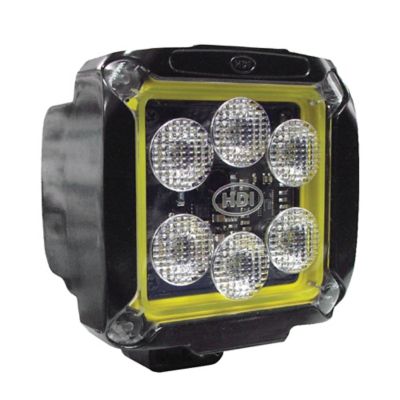
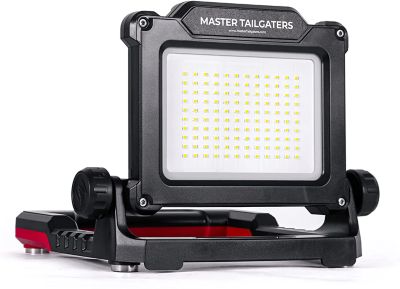
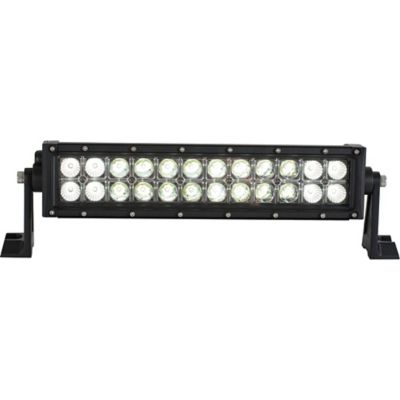
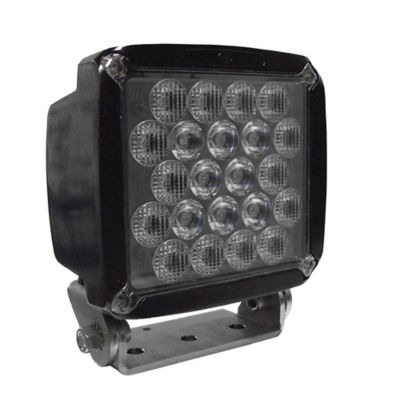
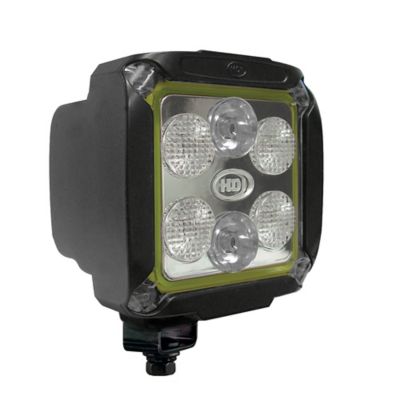
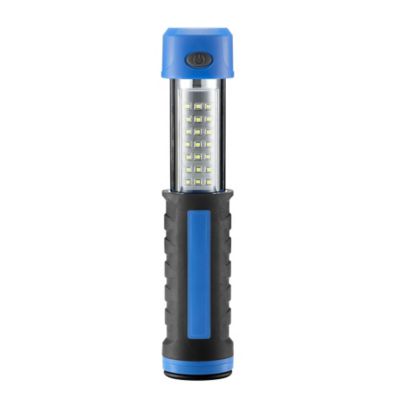
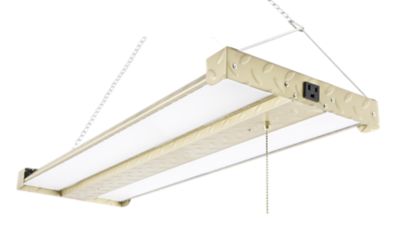
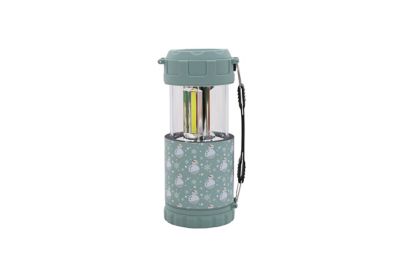
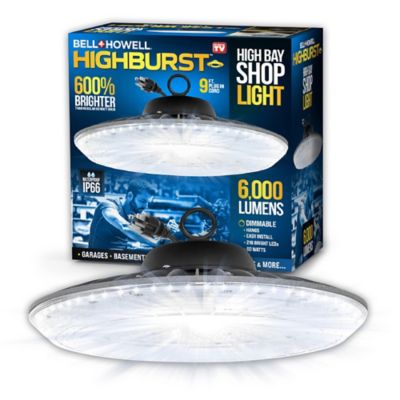
An LED work light puts bright, directed illumination where a ceiling fixture or open doorway cannot reach, whether that means inside a tractor’s engine compartment, beneath a trailer or across a workbench covered with parts. LEDs, short for light-emitting diodes, turn electricity into light efficiently and generally draw less power than incandescent lamps producing comparable brightness. The category includes compact handheld lights, portable floodlights, freestanding lights with adjustable supports and fixtures meant for a permanent shop setup. Each style serves a different kind of work. A slim inspection light can reach behind equipment, while a wide-panel floodlight spreads illumination across a repair area. Tripod work lights raise the light source above tools and other obstacles, and independently adjustable heads can cover separate work areas without moving the entire stand. Hanging shop lights provide overhead coverage for benches, storage areas and shared workspaces. Brightness is measured in lumens, while watts describe electrical power consumption; comparing lumens gives a clearer picture of light output than comparing wattage alone. Compact task lights may provide hundreds to a few thousand lumens, while larger area lights can deliver several thousand or more. A higher lumen rating is not automatically a better fit, especially when a bright beam reflects off polished metal or shines straight into someone’s eyes. Beam width, placement and distance from the task all affect how useful that output feels. A broad flood pattern suits a large workspace, while a concentrated beam helps pick out a smaller target farther away. For that narrower beam pattern,
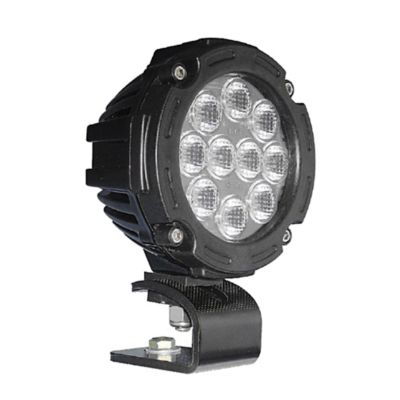
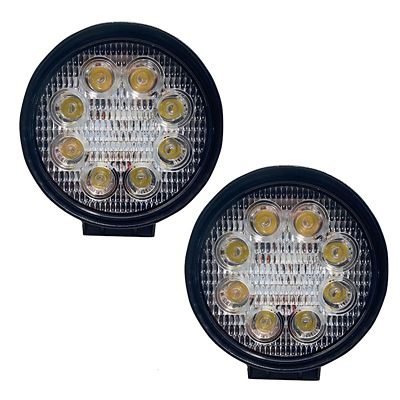
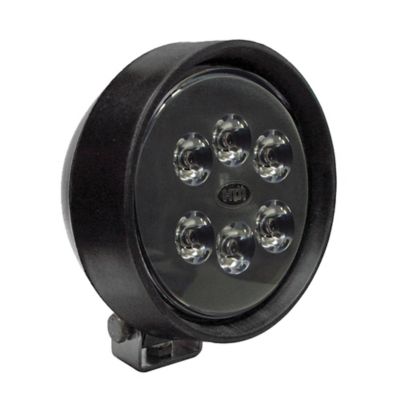
LED Spot Lights offer another lighting option. Color temperature, listed in kelvins, describes whether the light looks warmer or cooler in tone. Color rendering describes how naturally colors appear, which matters when sorting wires, comparing finishes or checking marked parts. Dimming controls, diffused lenses and pivoting heads help match the illumination to the work instead of forcing the work into an awkward position.
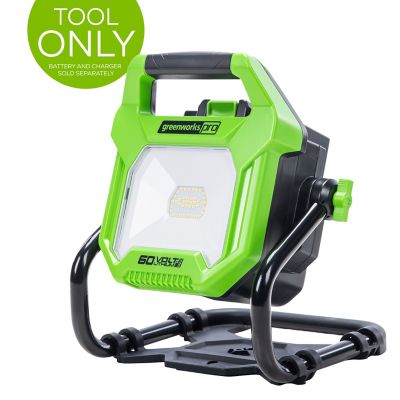
Power source makes a big difference in how an LED work light fits into a normal workday. Corded work lights suit jobs near an outlet, including longer repairs and steady bench work, because there is no battery runtime to manage. Cord length and outlet placement still matter, and any extension cord needs the electrical rating and location rating required for the setup. Rechargeable work lights make it easier to move between the barn, equipment shed and garage without dragging a cord across the floor. Built-in batteries keep the light and its power supply together, while removable battery designs allow a charged pack to take over when another needs charging. Cordless tool-battery lights can fit neatly into an existing tool setup, provided the battery platform and voltage match the light’s stated requirements. Similar-looking battery connections do not guarantee compatibility. Runtime depends on battery capacity, brightness setting and the light’s design, so a full-output runtime figure is more useful for long tasks than a maximum runtime measured on the lowest setting. Battery indicators and selectable output levels help stretch a charge when full brightness is unnecessary. USB charging can be handy, though connector type, required input and included charging equipment vary by design. Beyond power, the mounting arrangement determines how easily the light settles into the job. Magnetic bases hold suitable lights against clean steel surfaces, but they will not grip wood, plastic or aluminum. Hanging hooks work well from suitable overhead supports, and clamps can secure a light along a bench edge when their opening and grip match the surface. A folding stand gives a portable light its own footing, while a tripod brings more reach and a larger footprint. Adjustable height, head rotation and locking joints help place illumination above a mower deck or beside an equipment panel. A stable base and a clear walking path matter just as much as brightness when tools, cords and parts share the floor.
Construction details help separate a light meant for occasional household tasks from one suited to regular shop or farm work. Metal housings, including aluminum, can help manage heat from the LEDs, while molded polymer housings can reduce weight and resist corrosion. Protective bumpers, recessed lenses and guarded edges help limit damage from everyday knocks. Lens materials also deserve a look: impact-resistant plastics and glass have different strengths, and either needs protection from grinding sparks, harsh cleaners and other hazards outside its intended rating. Dust and moisture protection should match the location. An ingress protection rating describes tested resistance to solids and water; for example, IP65 indicates a dust-tight enclosure with protection against water jets under specified test conditions, not permission to submerge the light. The manufacturer’s location rating, outlet requirements and operating instructions still govern where it belongs. Ordinary work lights are not a substitute for lighting specifically approved for areas with flammable vapors or combustible dust. For everyday care, disconnect the power or remove the battery as directed before cleaning, allow hot surfaces to cool and wipe the housing and lens with a soft cloth. Clear lenses transmit light better than lenses coated with grease and dust, and clean cooling surfaces help the fixture shed heat. Cords, plugs, charging ports, mounting hardware and adjustment locks benefit from regular inspection, especially on lights that travel between jobs. Carry handles and folding frames make storage easier, while protected switches are less likely to catch against nearby tools. These details matter to mechanics, maintenance crews, farmers and anyone handling repairs around the place. A compact light can keep both hands free for a stubborn fastener; a broad area light can make a larger assembly easier to see without constant repositioning. LED work lights can also make practical gifts for someone who spends evenings tinkering in the shop or keeping equipment ready for the next job. Matching the power source, mounting style and beam to that person’s workspace gives the light a clear purpose from the start.