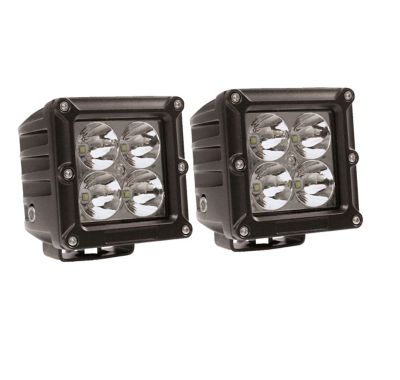
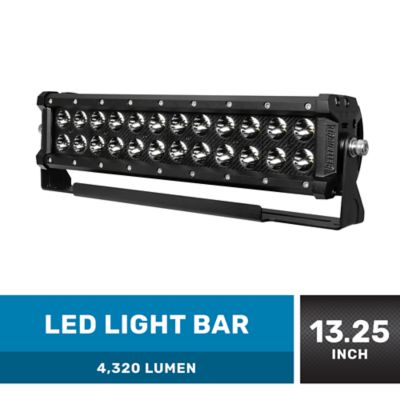
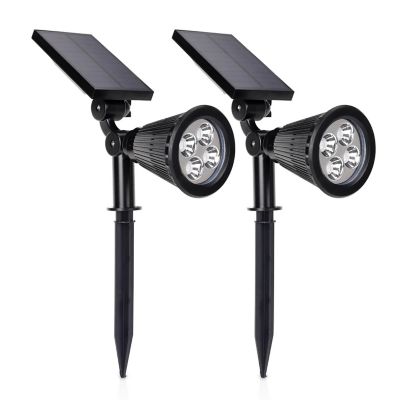
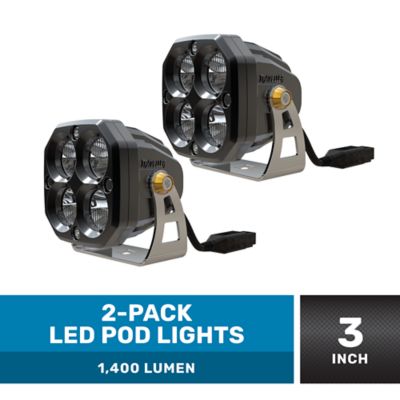
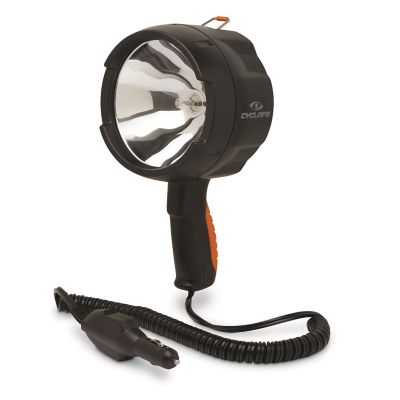
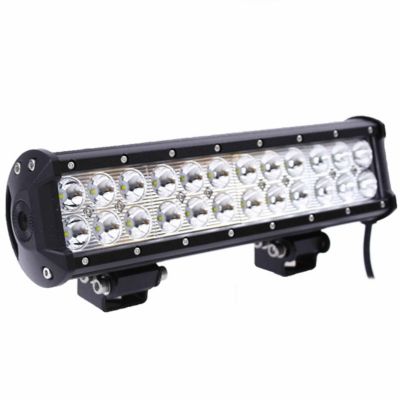
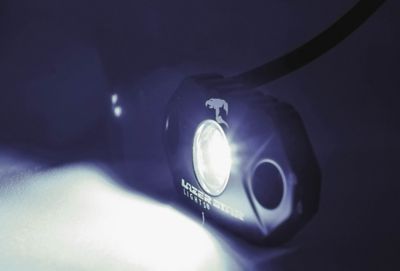
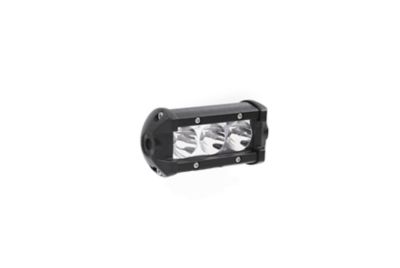
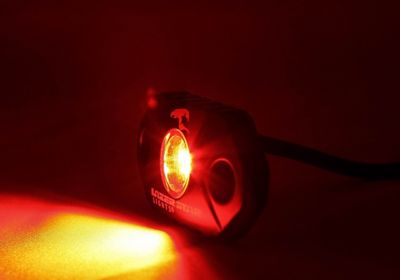
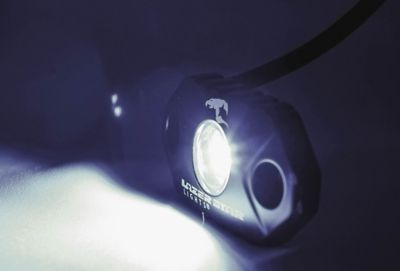
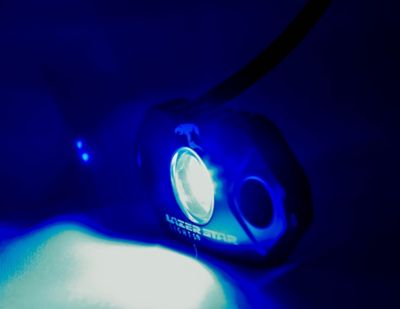
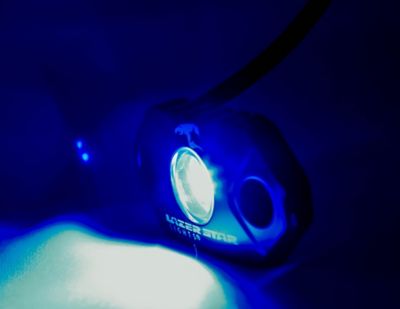
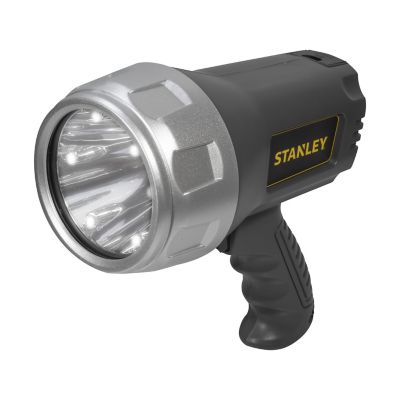
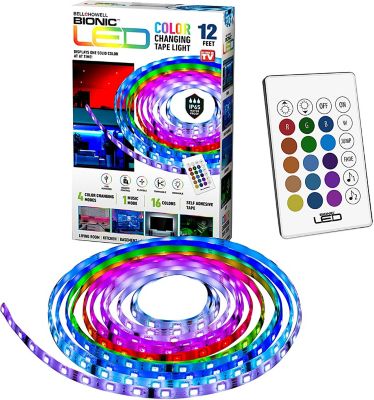
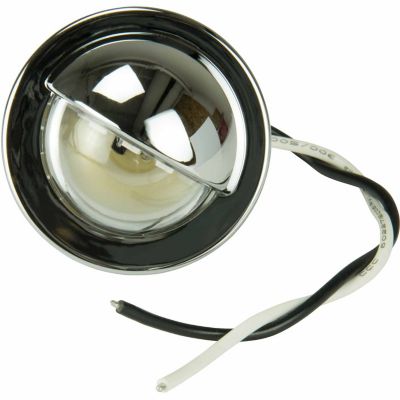
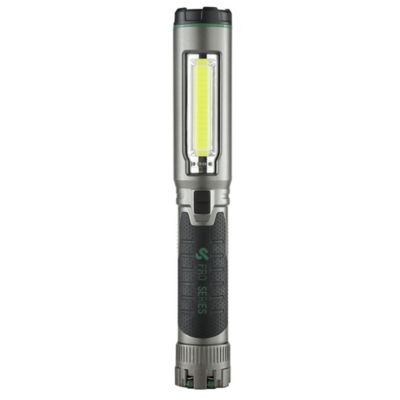
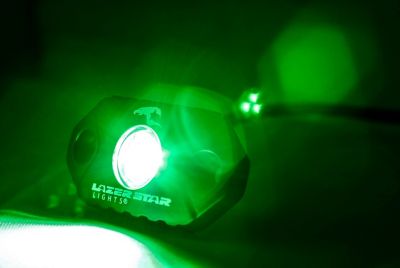
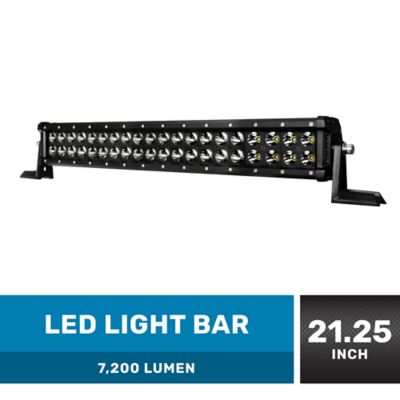
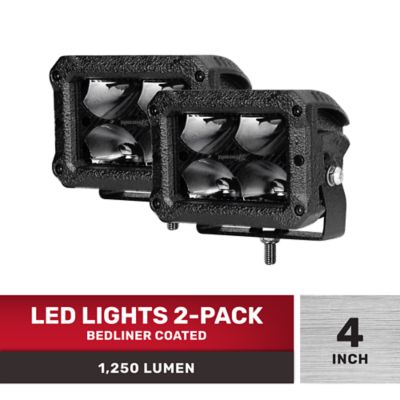
LED spot lights put focused light where you need it most, making them a handy choice for farms, homes, shops, barns, driveways and outdoor gathering spots. Unlike broad flood lighting, a spot light sends a narrower beam toward a particular target, such as a flagpole, sign, tree, gate, porch column, shed entrance or piece of equipment. Beam angles commonly range from about 10 to 25 degrees. A 10- to 15-degree beam creates a tight pool of light for a tall flag, distant tree or other narrow feature, while a 20- to 25-degree beam spreads the light across a wider area. Think about the distance between the light and the object before choosing a beam. A light set close to a small tree may need less spread than one aimed from the edge of a long driveway. Lumens also matter. For everyday accent lighting around a home or garden, output in the 500- to 2,000-lumen range may be suitable, while larger yards, tall structures and work areas may call for 5,000 lumens or more. Brightness alone does not determine how well a spot light works; placement, beam angle, mounting height and the color of the surface being lit all play a part. A dark barn wall can absorb light, while a pale fence or metal sign can reflect it across the yard. During the cooler months, focused lighting can make paths, gates and steps easier to see when daylight fades early, and it can help you keep an eye on outbuildings without lighting every corner of the property.
For outdoor use, check the light’s weather protection rating and construction details before adding it to an exposed location. An IP65 rating generally indicates protection from dust and water spray, while IP67 offers a higher level of protection and may be better suited to areas that see heavy rain or temporary water exposure. Even a well-protected light needs sensible placement. Aim fixtures so water can drain away, keep cords and connections off wet ground, and follow local electrical requirements for hardwired installations. Battery-powered lights can be useful around gates, sheds, trailers and other places where running a wire would be a chore. Plug-in lights suit spots near an existing outdoor outlet, while hardwired options can provide a steady setup for landscape lighting or a regular work area. Check battery run time, cord length, mounting hardware, adjustment range and switch access along with brightness. A pivoting head makes it easier to aim light at a moving target, while a fixed mount can keep a beam lined up on a driveway marker or flagpole. Warm white light around 3000K gives landscaping, porches and stonework a softer appearance, while daylight near 5000K offers a crisper view for security checks, loading areas and outdoor work. If the light will be installed near plants that need a controlled growing environment, browse
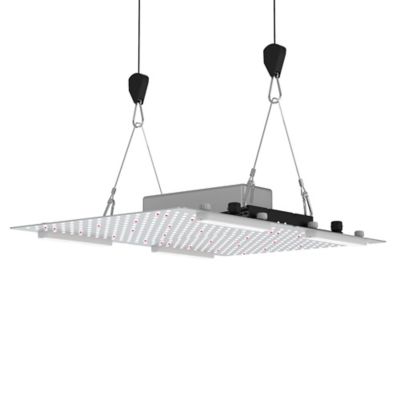
LED Grow Lights for lighting made with plant growth in mind rather than general-purpose illumination.
LED spot lights can serve many kinds of shoppers, from rural property owners checking a back gate after dark to homeowners highlighting a mature oak beside the driveway. They can also be a thoughtful gift for someone who spends time maintaining a homestead, caring for livestock, tending a garden or working in a detached shop. A focused light aimed at a livestock lane can help with evening checks, while a fixture near a tool shed can make it easier to find a latch, read a label or load equipment when the sun is down. For hunting cabins, campsites and recreational properties, portable spot lights can provide directed visibility without spreading glare across the whole area. Around a home, use them to draw attention to a house number, light the approach to a porch or make a walkway easier to follow. Aim outdoor lights downward or toward the intended feature to reduce glare for neighbors, drivers and people walking through the yard. Keep the beam away from windows and roads, and leave enough room around the fixture for heat to dissipate as directed by the manufacturer. LED lighting is well suited to frequent use because it typically uses less energy than older bulb types and produces little heat compared with many traditional options. Choosing the right brightness, beam width, color temperature, power source and weather rating helps ensure the light fits the job instead of creating harsh glare or leaving dark gaps. Whether the goal is to mark a driveway, spotlight a flag, brighten a work area or add visibility around a barn, LED spot lights offer a practical way to put light exactly where it belongs.