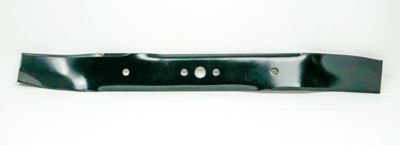
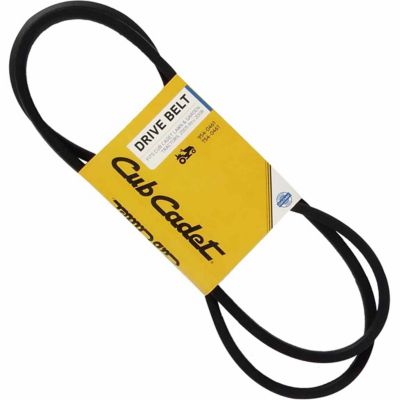
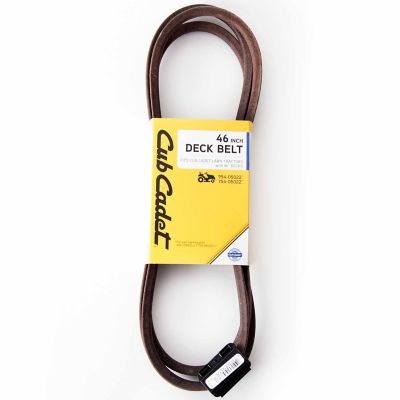
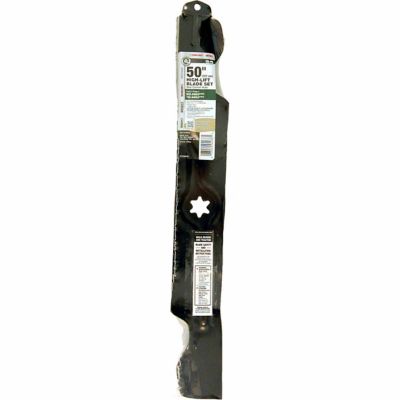
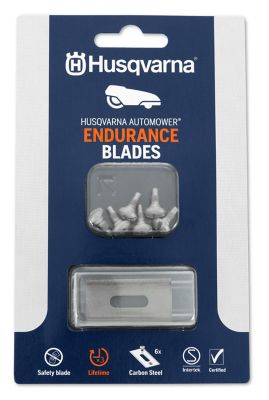
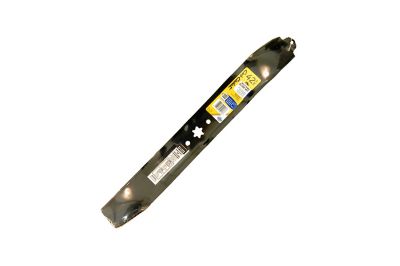
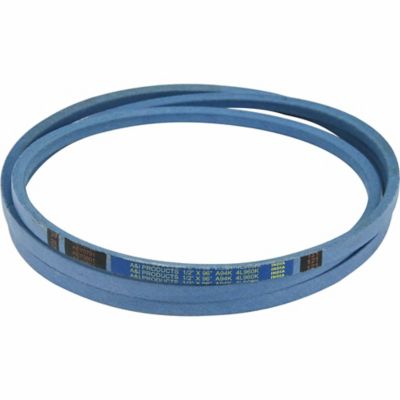
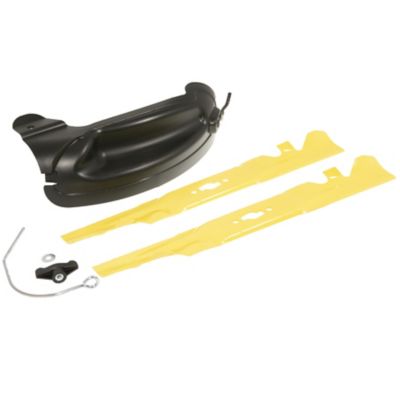
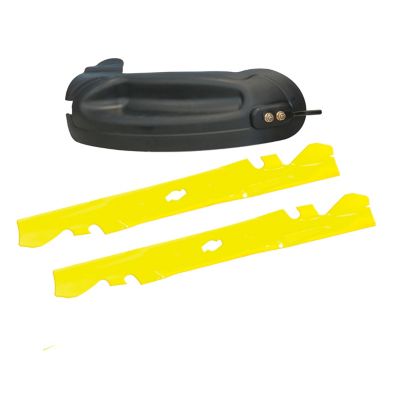
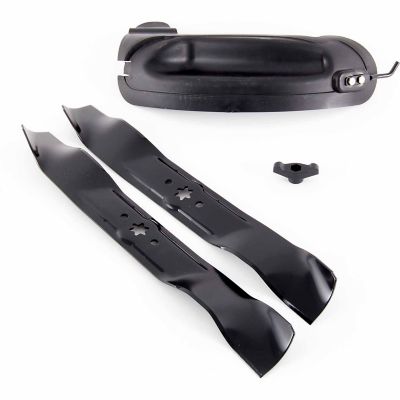
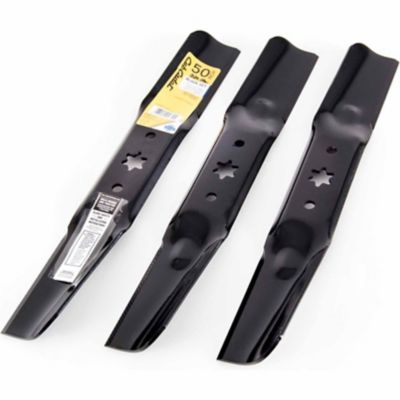
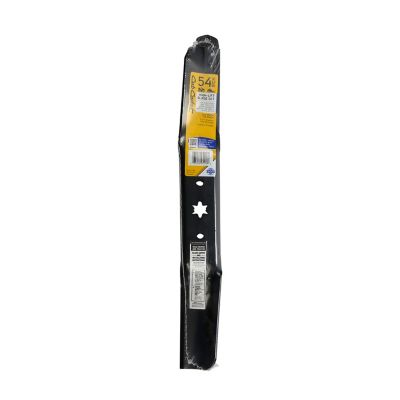
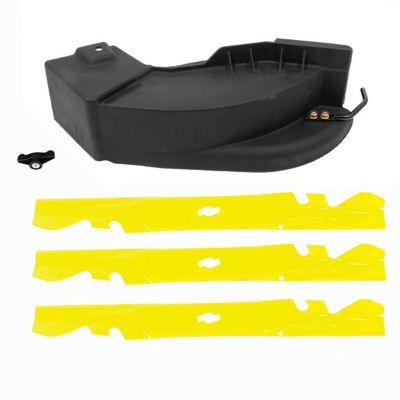
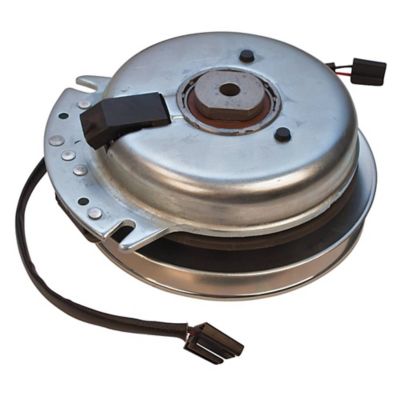
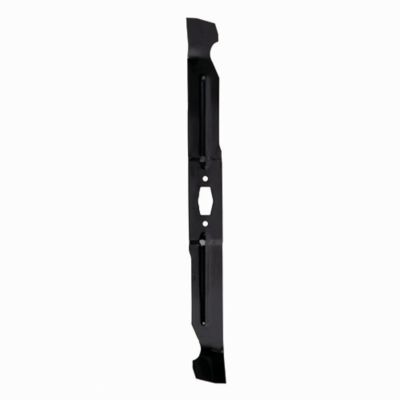
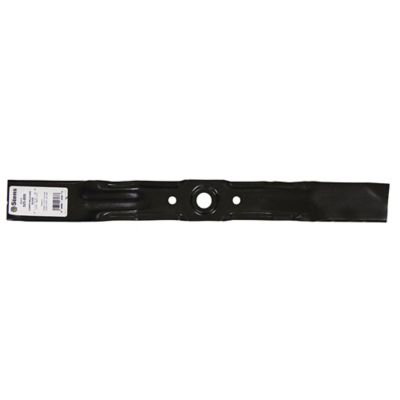
Lawnmower parts and accessories include replacement blades, belts, control cables, tires, filters, spark plugs, and attachments that support cutting, movement, and routine upkeep. From a push mower working around the garden fence to a riding mower covering a wide stretch beside the barn, each machine depends on parts that match its design and workload. The right fit starts with more than the mower’s name: model and serial numbers, engine information, deck width, and original part numbers can all help narrow down compatible replacements. Two mowers with the same cutting width may have different blade mounts, belt paths, or engine components, so measurements alone do not always tell the whole story. Engine parts may also follow a separate model number from the mower itself. Replacement mower blades illustrate why those details matter. Length, center-hole shape, mounting pattern, and blade profile all affect compatibility, while the cutting edge and lift design influence how grass moves beneath the deck. Standard cutting, mulching, and high-lift blades serve different deck and discharge arrangements; changing blade styles only makes sense when the mower manufacturer approves that setup. Heat-treated steel is common in mower blades, giving the cutting edge the strength needed for repeated passes through grass. Blade condition, balance, and correct mounting hardware matter just as much as the material, especially on a mower that travels over uneven ground or works near tree roots. Belts have their own fit requirements, including width, profile, and length. Reinforced rubber construction and internal cords help them handle repeated bending around pulleys, but a belt intended for one drive system is not automatically right for another. Deck belts transfer power to the cutting assembly, while drive belts support movement on applicable machines. Matching the replacement to its job helps keep a familiar mower working as intended, whether that job is a narrow yard behind the house or a long run along a pasture fence.
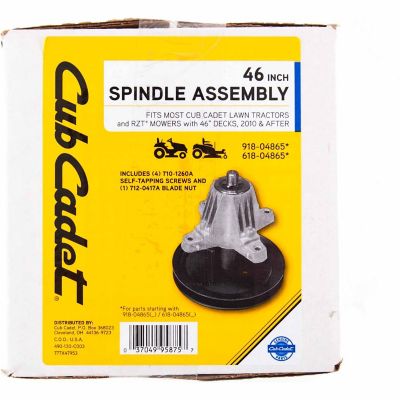
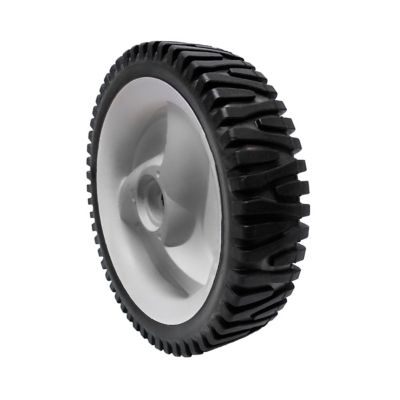
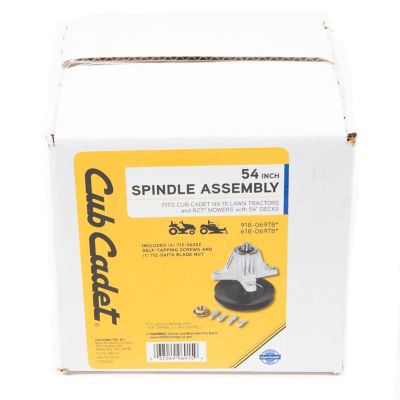
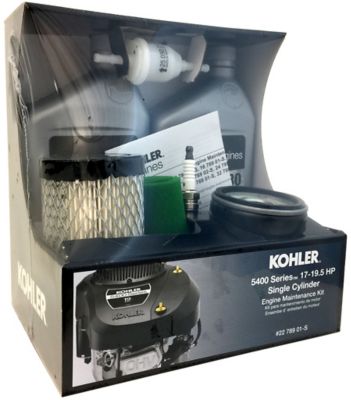
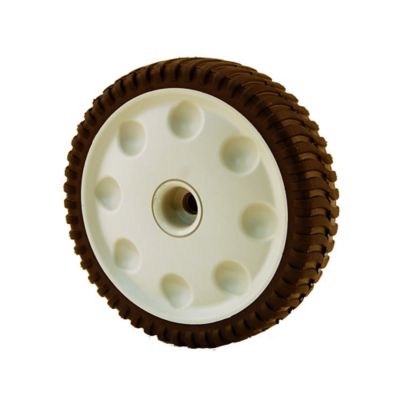
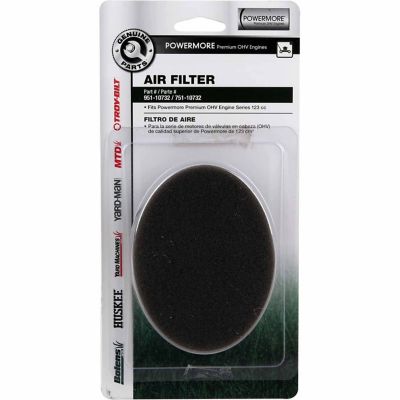
Engine maintenance parts support the less visible work that keeps a mower ready for regular chores. Air filters help limit the dirt and grass dust reaching the engine, oil filters serve engines equipped with pressurized lubrication systems, and fuel filters belong in the fuel systems specified for them. Paper and foam filter elements have different care requirements, and some assemblies combine both materials. A filter that looks close in size can still have the wrong seal or housing fit, making the engine’s listed specifications more useful than appearance alone. Spark plugs also vary in thread dimensions, reach, and heat range, while engine oil needs to meet the manufacturer’s requirements for viscosity and service classification. Maintenance kits group related service components, but their usefulness still depends on matching the engine rather than just the mower’s deck size. Battery-powered equipment has a different set of considerations: replacement batteries and chargers need to match the approved platform, voltage, and connection design. A similar-looking connector does not establish compatibility. Beyond the power source, wheels, tires, cables, and bearings affect how the mower handles across the yard. Tire dimensions, wheel bore, hub offset, and load rating can matter when replacing a worn wheel assembly. Tread patterns influence traction and turf contact, while pneumatic and solid tires have different ride characteristics and upkeep needs. Control cables need the proper length, attachment ends, and travel to operate their designated controls without binding. Spindle assemblies, bearings, pulleys, and related hardware likewise need to match the deck’s mounting points and operating requirements. A mower that makes repeated turns around clothesline posts or crosses a rutted stretch near the shed places different demands on these components than one traveling straight across level ground. Inspection and service intervals belong to the mower’s manual, and any work around blades, belts, or electrical connections calls for the manufacturer’s shutdown and power-isolation precautions. Replacement parts should preserve the machine’s guards, interlocks, and intended operation rather than work around them.
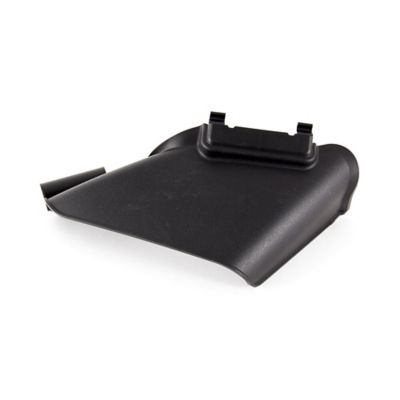
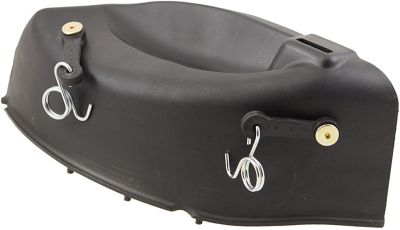
Lawnmower accessories help shape how the machine fits the property and the chores that come with it. Grass-catching systems collect clippings for disposal or composting, while compatible mulching components keep finely cut grass within the mower’s intended cutting path before returning it to the lawn. Side-discharge chutes direct clippings away from the deck according to the mower’s design. These arrangements are not interchangeable on every machine, and a complete attachment may require matching brackets, covers, hardware, or deck components. Bag capacity, mounting style, and the space needed to empty the catcher can make a noticeable difference beside a fenced garden or along a tight shed wall. Collection bags also depend on sound fabric, secure seams, and clear airflow; accumulated grass can affect both handling and collection performance. For walk-behind machines,
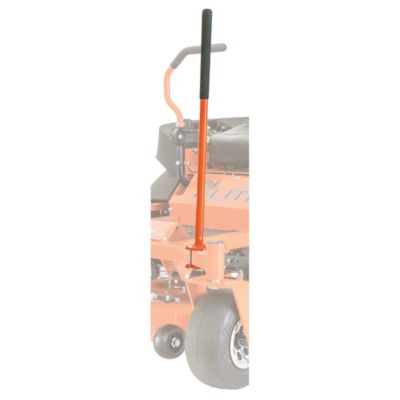
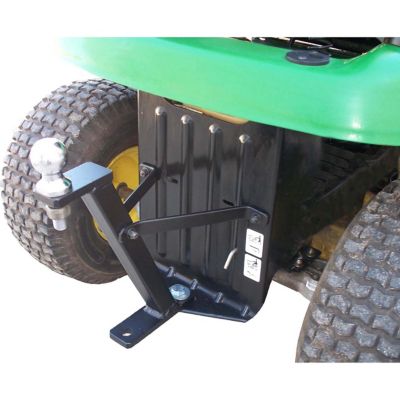
Push Lawn Mower Parts focuses on the components associated with that equipment, where handle controls, wheel fit, and compact deck layouts deserve close attention. Riding mower accessories bring other considerations, including attachment clearance, hitch compatibility, and the limits stated for the machine. A hitch by itself does not establish that a mower can safely pull a particular load. Storage and care accessories have a place in the lineup, too. Covers need enough room for the mower’s overall dimensions and any approved attachments left in place, with closures that stay clear of sharp edges. A cover belongs over a clean, fully cooled machine, and its care instructions help determine the right cleaning method. Grass buildup beneath a deck, debris around cooling passages, and damaged mounting hardware can all interfere with normal operation, so access for routine cleaning and inspection matters. For homeowners keeping the yard tidy, landowners maintaining several mowing areas, or anyone looking after equipment for the family, the most useful parts and accessories are the ones that suit the machine and the work. Clear fit information, suitable materials, and practical care requirements make those choices easier without adding equipment that does not serve a purpose.