Lawn Mower Tires For Landscapes
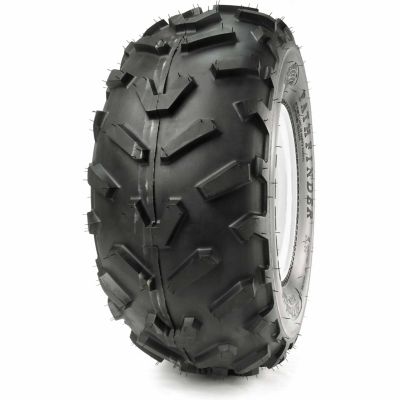
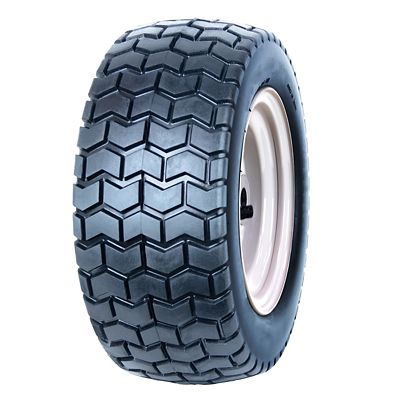
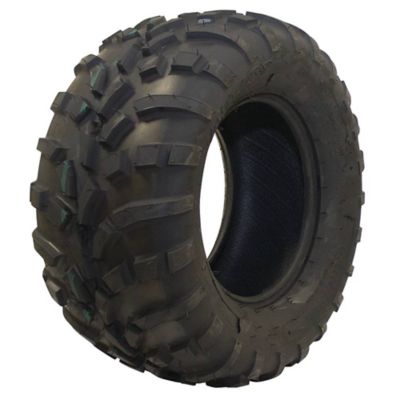
Keeping your yard looking sharp starts from the ground up, and that means having the right set of tires on your mower. Lawn Mower Tires For Landscapes are built to handle everything from thick grass to uneven terrain, so you can tackle mowing jobs big or small with confidence. Whether you’re sprucing up a few acres or maintaining a tidy front lawn, the right tires help keep your mower rolling smoothly all season long. Find what you need to get back out there and make quick work of your landscaping projects.
$35
.99
Sale Was $39.99 Save $4.00 (10%)

$58
.49
Sale Was $64.99 Save $6.50 (10%)
$40
.49
Sale Was $44.99 Save $4.50 (10%)
$17
.99
Sale Was $19.99 Save $2.00 (10%)
$62
.99
Sale Was $69.99 Save $7.00 (10%)
$19
.79
Sale Was $21.99 Save $2.20 (10%)

$134
.99
Sale Was $149.99 Save $15.00 (10%)
$35
.99
Sale Was $39.99 Save $4.00 (10%)
$152
.99
Sale Was $169.99 Save $17.00 (10%)
$26
.99
Sale Was $29.99 Save $3.00 (10%)
$67
.49
Sale Was $74.99 Save $7.50 (10%)

$71
.99
Sale Was $79.99 Save $8.00 (10%)
$22
.49
Sale Was $24.99 Save $2.50 (10%)

$58
.49
Sale Was $64.99 Save $6.50 (10%)
Best Of FAQ
What types of tread patterns are available for lawn mower tires in landscaping?
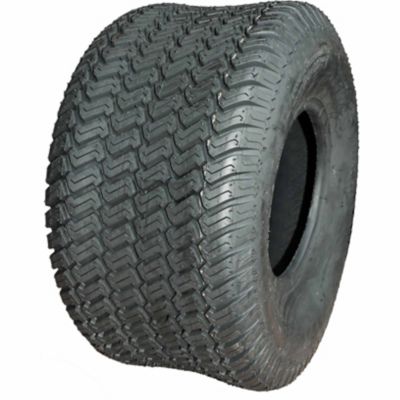
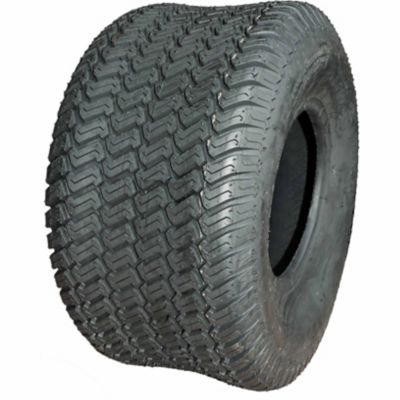
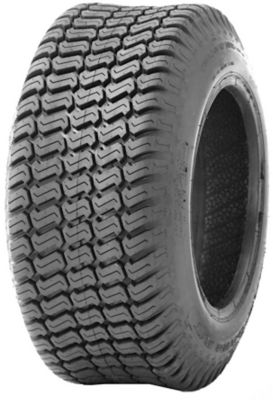
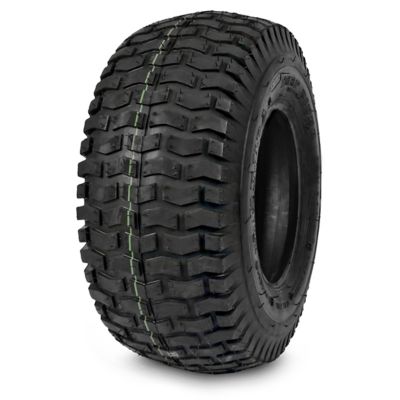
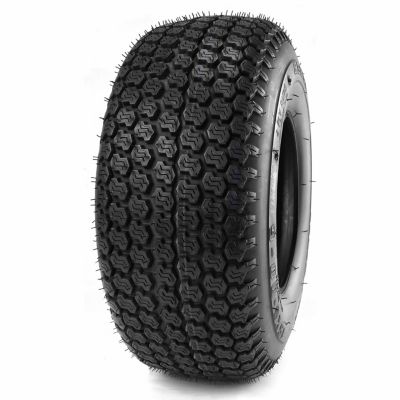
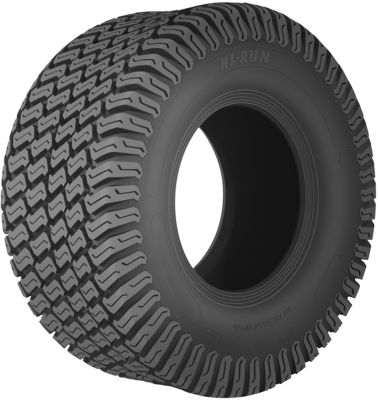
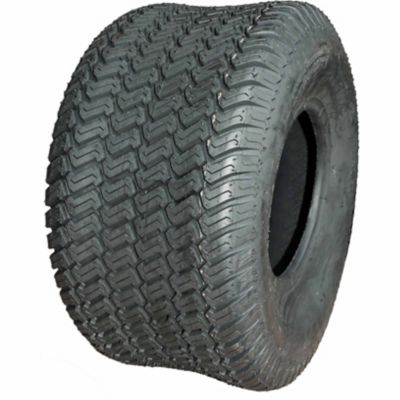
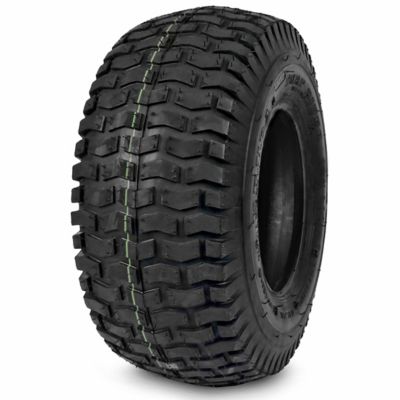
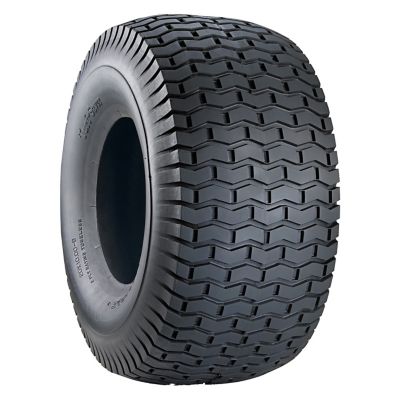
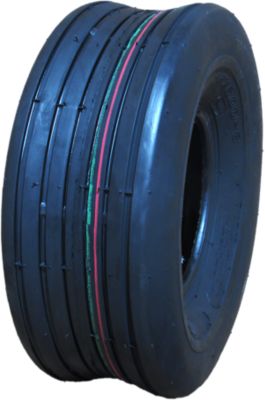
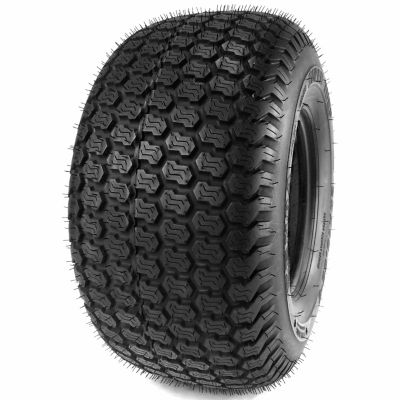
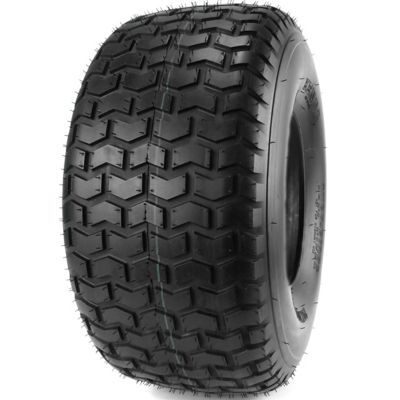
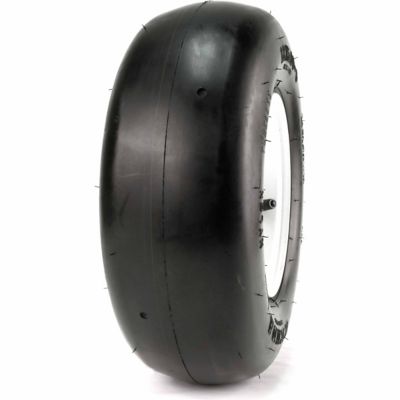
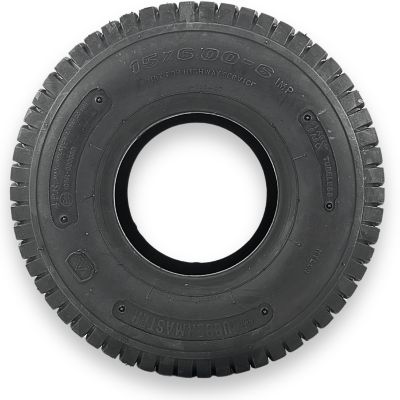
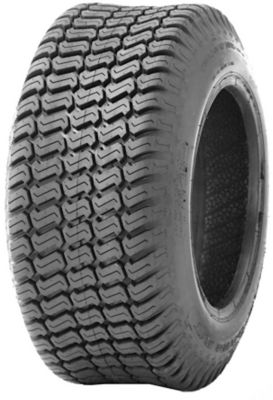
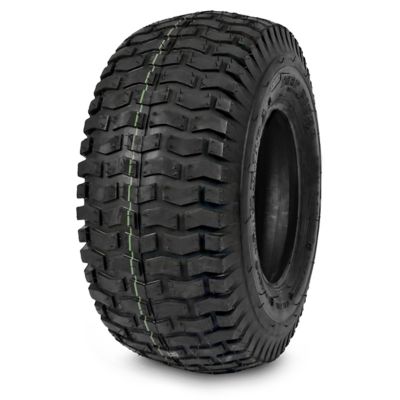
Lawn mower tires for landscaping come in various tread patterns, including turf, ribbed, and lug designs. Turf treads are gentle on grass and ideal for residential lawns, while lug treads provide extra traction for uneven or muddy terrain often found in landscaping projects.
How do I choose the right ply rating for lawn mower tires in landscaping applications?
The ply rating indicates the tire's strength and load-carrying capacity. For most landscaping tasks, a higher ply rating offers better longevity and resistance to punctures, especially when working on rough or debris-filled ground.
Can I use the same lawn mower tires for both front and rear wheels?
It depends on your mower's design. Some mowers require different tread patterns or sizes for front and rear wheels to optimize maneuverability and traction. Always check your equipment's specifications before selecting tires.
What maintenance is recommended for lawn mower tires in landscaping?
Regularly inspect your lawn mower tires for wear, cracks, or embedded debris. Keep them properly inflated according to manufacturer recommendations to ensure optimal performance and longevity during landscaping work.
Are there specific lawn mower tire materials that perform better in landscaping environments?
Many lawn mower tires are made from rubber compounds designed to withstand outdoor conditions. For landscaping, look for tires labeled as puncture-resistant or reinforced, as these offer added protection against sharp objects commonly found in landscape settings.
Best Sellers
-
"Best tire price around"
-
"I bought these about a month ago for my commercial mowers and they work great best price and delivered"
-
"Great fitting tire well made"
-
"They are great quality and inexpensive"
-
"Great replacement tire for my Toro Zero-Turn mower"