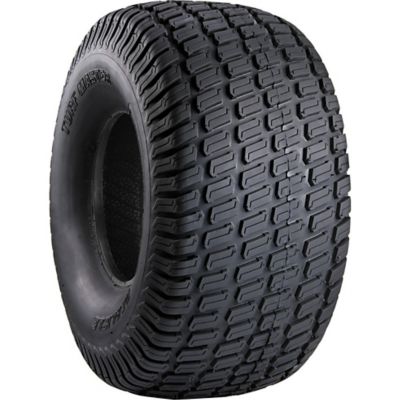
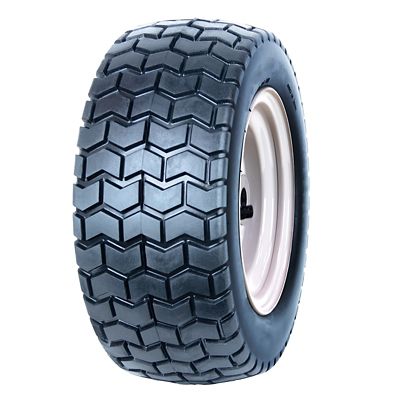
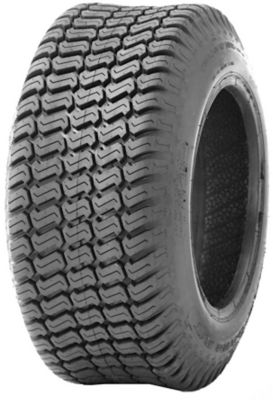
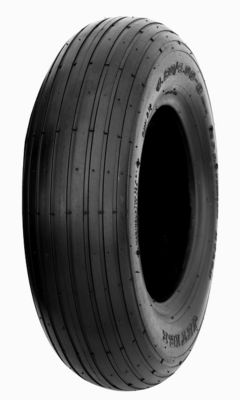
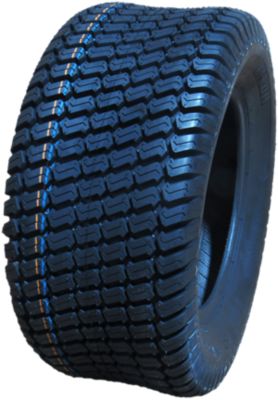
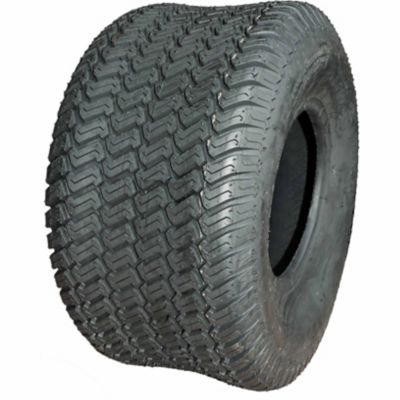
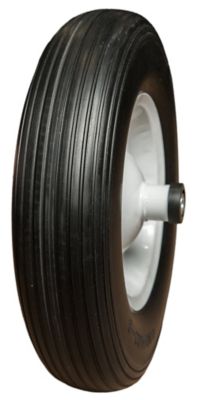
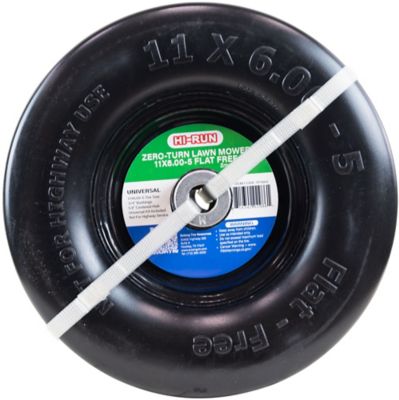
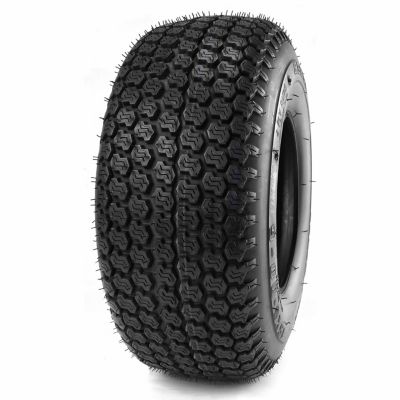
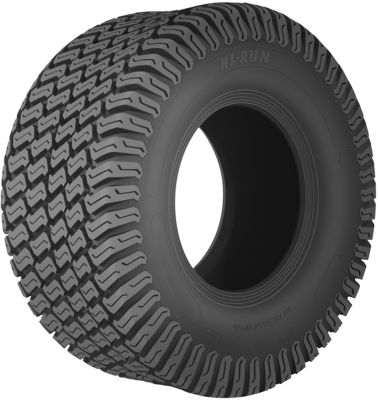
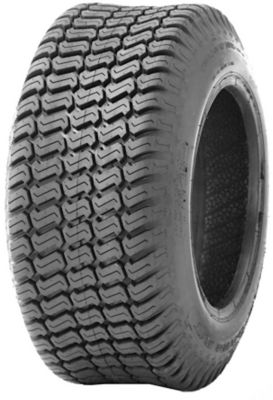
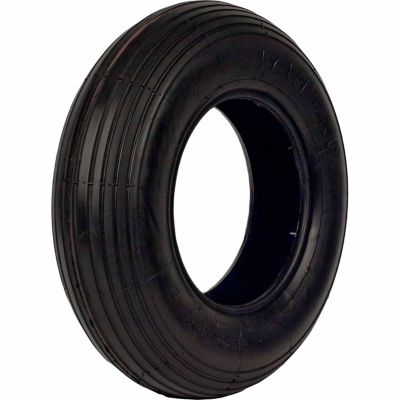
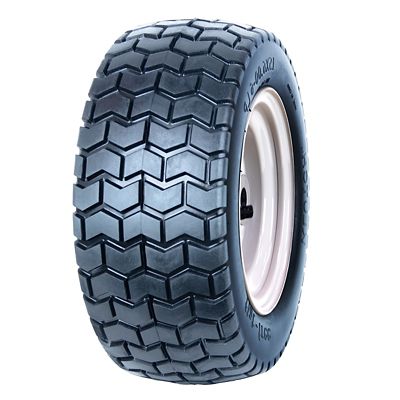
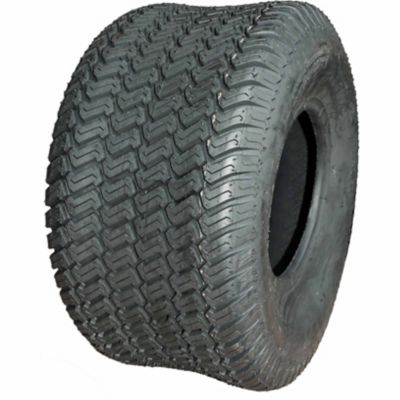
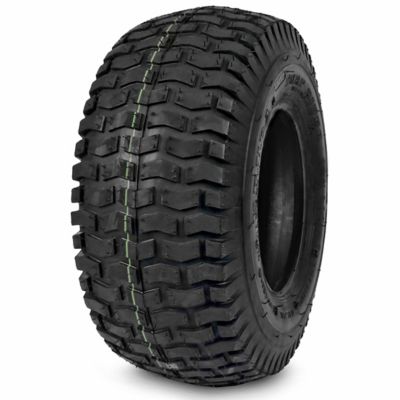
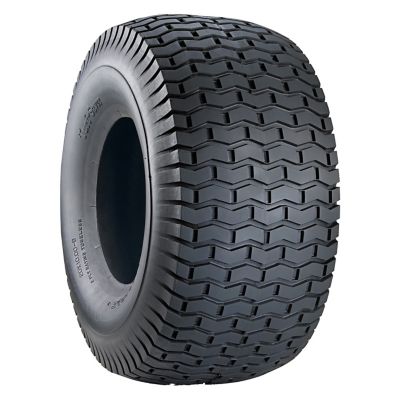
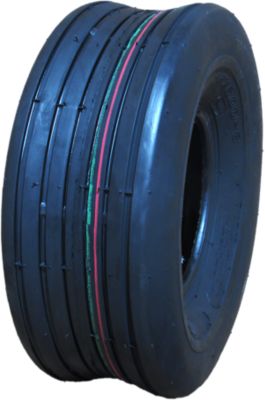
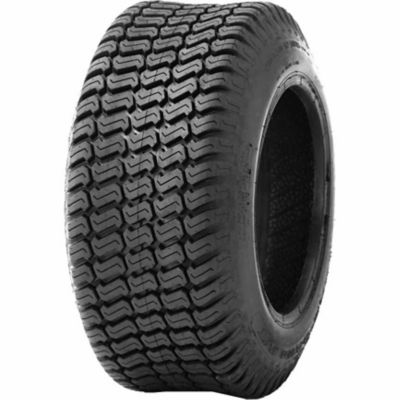
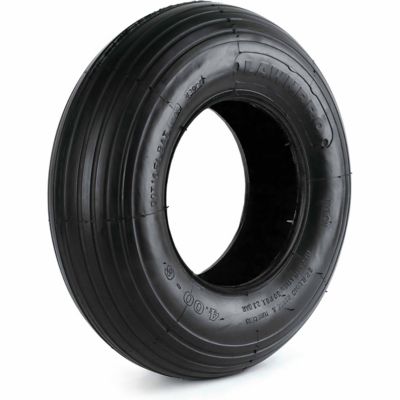
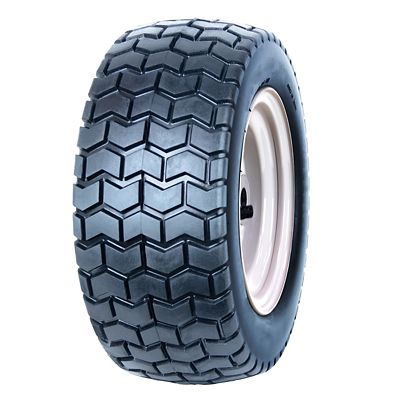
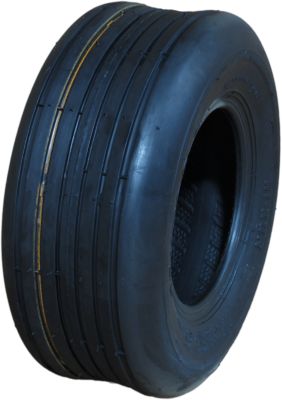
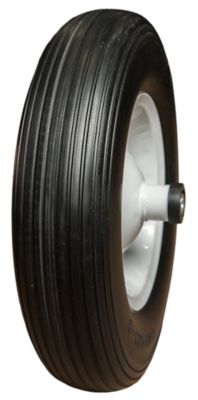
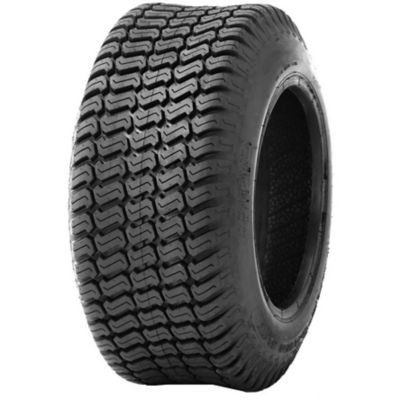
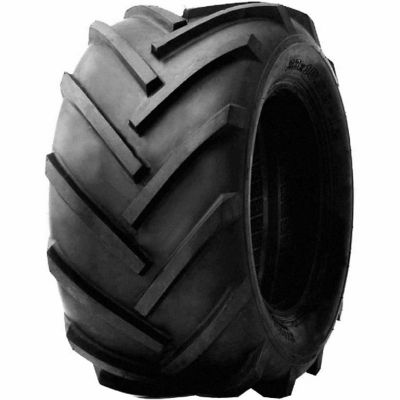
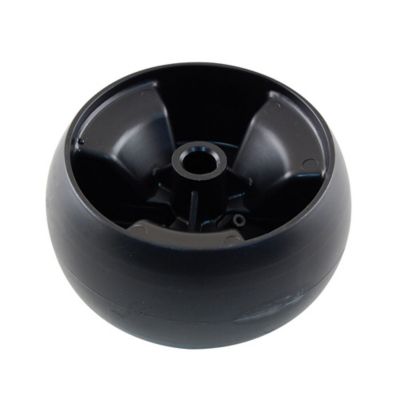
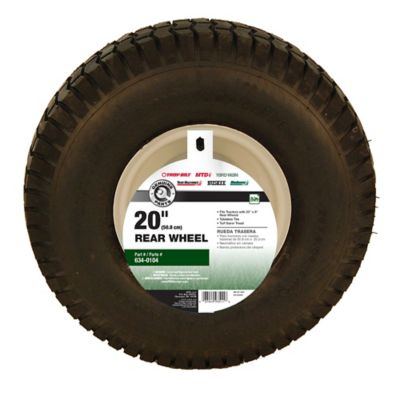
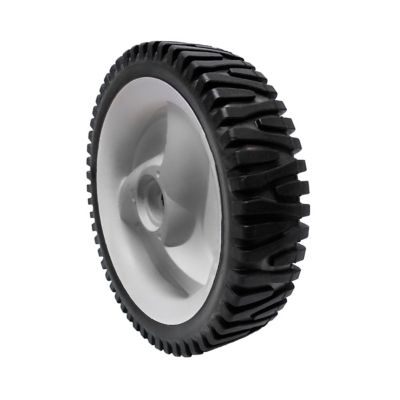
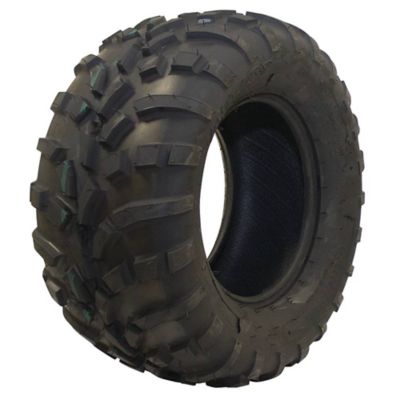
Tires for lawn equipment do more than keep a mower rolling. They help carry the machine’s weight, put drive power to the ground and influence how the equipment moves across the grass around a house, barn or fence line. A lawn that includes open stretches, narrow gates and turns around shade trees calls for a different balance of traction and maneuverability than a mostly level yard with long, straight mowing passes. Turf-style tread spreads contact across the ground and is designed to limit scuffing, while deeper tread patterns can offer more grip where the surface is loose or uneven. No tread can prevent lawn damage in every situation; sharp turns, wheel spin and soft ground still matter. Smooth and ribbed tires also have a place on certain front wheels and caster assemblies, where easy rolling and steering are more important than pulling power. The best match starts with the equipment itself, not just the appearance of the tread. Riding mowers, zero-turn mowers and lawn tractors can have different requirements for front and rear tires, even when their overall sizes look similar. Tire diameter, width, rim diameter and clearance all affect fit. A tire that is too wide may rub nearby parts, while a different overall diameter can alter the machine’s stance and mowing setup. Sidewall size markings provide a useful starting point, but the equipment manual helps confirm what belongs on each wheel position. It also matters whether the purchase is a tire alone or a tire mounted on a wheel, since wheel assemblies bring additional details such as axle bore, hub length and mounting style into the decision. For a homeowner mowing around garden beds or a groundskeeper tending several acres, getting those details straight helps keep an everyday replacement from becoming a headache. Matching the application means looking at the whole job: the machine, the ground it travels over and the load it carries when equipped with approved attachments.
Construction makes a difference in how lawn equipment tires handle that work. Air-filled tires combine a rubber tread with a reinforced casing, using air pressure to support the load and provide some cushioning over bumps. Their ability to flex can be helpful when a mowing route crosses uneven patches, exposed roots or small dips, though tire choice does not replace careful operation. Tubeless designs require a compatible rim and a sound seal at the bead and valve. Tube-type setups depend on the correct inner tube as well as a tire and wheel that work together. A replacement tube needs to match the tire size and valve arrangement; squeezing in the wrong size can create folds or strain rather than solve the problem. Flat-free designs avoid loss of inflation pressure, but their construction varies, and they still need to match the equipment’s load, speed and wheel-position requirements. They can also feel different from air-filled tires as they roll over uneven ground. Flat-free does not mean wear-free, and a tire intended for a light-duty caster should not be assumed suitable for a drive wheel. Load ratings and the equipment maker’s recommendations matter more than a tough-looking tread. The same applies to ply ratings, which describe a strength classification rather than necessarily stating the number of physical layers inside a tire. For lawn tractors carrying approved implements, or mowers that spend long stretches moving across a property, the weight placed on each tire deserves attention. Tire condition and inflation also affect how weight is supported. A properly matched pair on the same axle helps keep the machine riding as intended, while mismatched sizes or uneven inflation can contribute to an uneven stance and handling differences. Around a gravel drive, a shed entrance or the edge of a pasture, the goal is a tire built for the equipment’s actual route without choosing more aggressive tread than the lawn needs. Traction, turf protection and ride feel all belong in that decision.
A little attention between mowing jobs helps protect both the tires and the equipment they support. On air-filled tires, pressure checks are most useful before operation, with a gauge suited to the tire’s pressure range. The equipment manufacturer’s recommended pressure should guide setup; a maximum pressure shown on a sidewall is not automatically the correct operating pressure for the mower. Low inflation can allow excess flexing and make a tire more vulnerable to rim or bead problems, while excessive inflation can reduce cushioning and change the tire’s contact with the ground. Equal-looking tires do not always have equal pressure, so a visual glance is no substitute for a gauge. Tread wear, embedded debris, sidewall cracks, cuts and damaged valve stems are worth noticing before the mower heads out past the driveway. A tire that repeatedly loses air may have a puncture, a leaking valve, a bead-sealing issue or a rim problem, and replacing one part does not necessarily address the others. Bulges, exposed reinforcement and substantial sidewall damage call for taking the equipment out of operation until the problem is assessed. Cleaning away grass clippings and packed dirt makes inspection easier, especially around the rim and valve, while avoiding harsh chemicals helps protect rubber surfaces. Keeping tires away from oil, fuel and unnecessary sunlight during storage can also help limit deterioration. For a related look at mower tire upkeep,
Lawn Mower Tires for Seasonal Maintenance connects tire selection with ongoing care. Any wheel removal or tire service should follow the equipment manual, including secure support for the machine and the specified fastening requirements. Whether the work is keeping a small yard tidy or mowing the lanes between outbuildings, sensible tire care supports fewer interruptions. A good replacement match brings together the correct dimensions, suitable construction and tread suited to the property, so the equipment can get back to its regular job without an overlooked fit detail getting in the way.