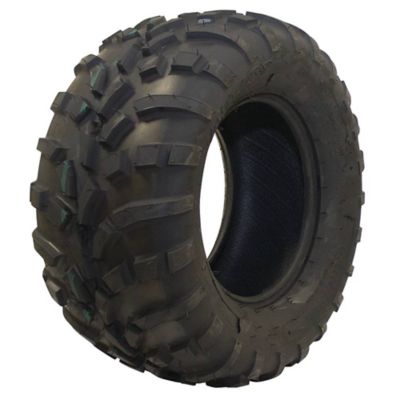
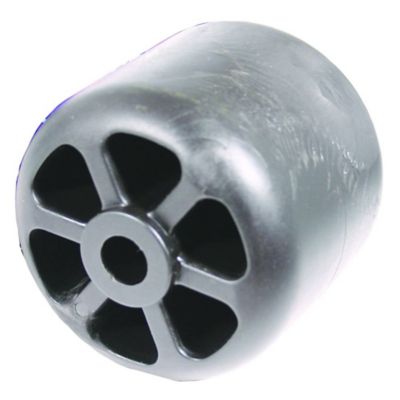
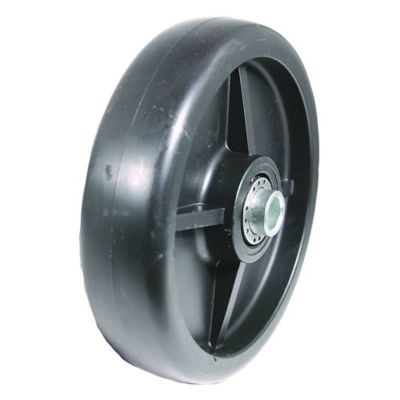
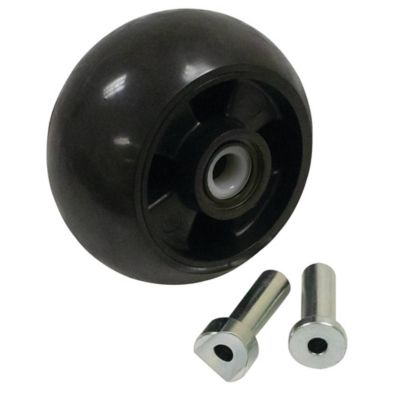
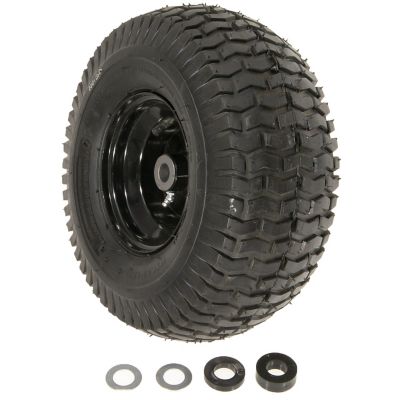
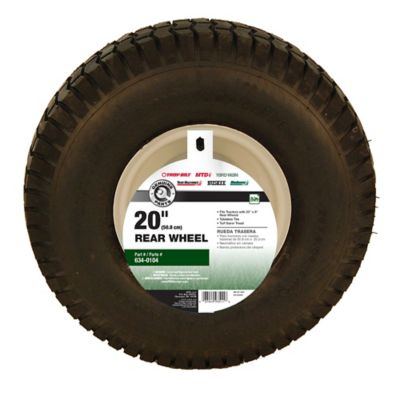
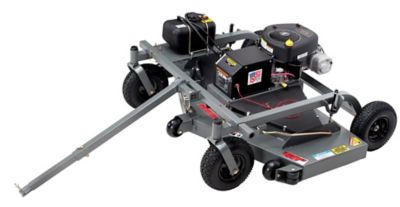
Lawn mower tire sizes depend on the mower model, wheel position and wheel specifications, so a replacement needs to match more than the space beneath the fender. Common front tire sizes include 15x6.00-6 and 11x4-5, while rear sizes can include 20x10-8 and 22x9.50-12. These are examples, not a fit recommendation for every mower. The size stamped on the existing tire’s sidewall, checked against the mower manual, gives a better starting point than appearance alone. In a size such as 20x10-8, the numbers describe the nominal overall tire diameter, tire width and rim diameter in inches. Matching the rim diameter is essential, but width, clearance and the tire’s approved rim width matter, too. A tire that looks close can still rub a steering component, sit incorrectly on the wheel or change how the mower handles. Front and rear tires also have different jobs: steering tires help the mower follow its path, while drive tires transfer power to the ground. On a zero-turn mower, front caster tires have different fit requirements from the steering tires on a lawn tractor. Replacement choices generally fall into three groups: a tire alone, an inner tube or a complete tire-and-wheel assembly. A tire alone fits onto a compatible existing wheel; a tube must match the tire size and valve requirements; and a mounted assembly must also match the mower’s wheel attachment. Depending on the wheel position and design, that can mean checking the axle bore, bearing size, hub length, offset or bolt pattern. Even two assemblies carrying the same tire size may attach differently. For a mower that makes long passes along a pasture fence or squeezes between the garden and the shed, those fit details help preserve the handling and clearance the machine was built to have.
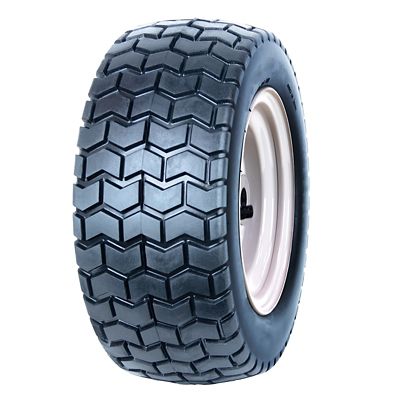
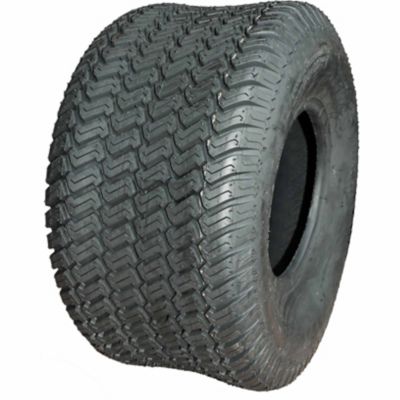
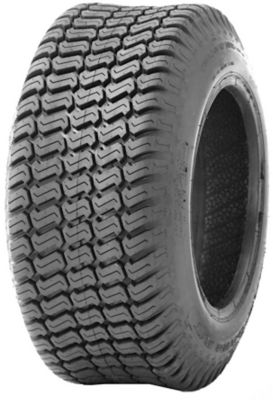
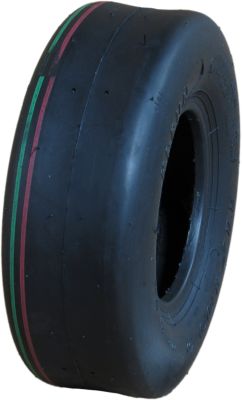
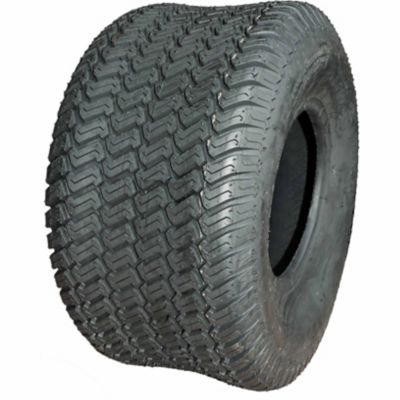
Tread pattern makes a noticeable difference in how a mower travels across the yard. Turf-style tread spreads contact across the grass and is intended to provide traction without the deep bite of an agricultural tire. That makes it a practical match for established lawns, especially where tight turns happen around trees, flower beds and gateposts. More open tread patterns can offer additional bite on loose ground, but they may also leave stronger marks when the mower turns sharply. Tire tread does not change the mower’s approved slope limits, and extra grip is no substitute for following the operating manual. For front caster positions, smooth or lightly patterned tires may be specified to let the wheel pivot with less disturbance to the turf. The correct choice depends on the mower’s design rather than a preference for the deepest-looking tread. Beneath that tread, rubber compounds and reinforced tire casings work together to support the machine and resist everyday wear. Load ratings, ply ratings and recommended inflation all deserve attention, particularly when a mower carries an operator plus an approved grass catcher or other attachment. A ply rating describes a tire’s strength classification, not necessarily the number of fabric layers inside it. Sidewall markings and manufacturer specifications provide the details needed to compare suitable replacements. Pneumatic tires also provide some cushioning over uneven ground, helping take the edge off the little ridges and dips found around tree roots and well-traveled yard paths. Tubeless tires require a compatible wheel and a sound seal at the bead and valve. Tube-type tires require the specified inner tube. Adding a tube is not a fix for damaged tire cords, a badly cracked casing or a wheel that is no longer sound. Choosing the right construction and tread for the mower’s regular chores supports steady handling and helps avoid unnecessary lawn damage.
Care plays a big part in tread life, even when the mower spends most of its time on familiar ground. Check tire pressure before operation, using the mower manufacturer’s recommendation rather than treating the maximum pressure stamped on the sidewall as the operating target. Unequal pressure from side to side can affect how the mower sits and may contribute to an uneven cut. Too little air can let the sidewall flex excessively or allow the tire to slip on the wheel, while too much can reduce cushioning and change the contact patch. A mower that seems to lean or leave a lower strip on one side may need a pressure check before a deck adjustment. Regular inspection should include the tread, sidewalls, valve stems and the area where each tire meets the wheel. Nails near a workshop, thorny trimmings beside a fence and sharp debris along a gravel drive can all cause trouble that is easier to spot before the next mowing job. Persistent air loss deserves attention even when the tire still has plenty of tread; the source may be a puncture, valve leak, bead leak or wheel damage. Cuts, bulges, exposed cords and deep cracking call for evaluation rather than simply adding more air. Keep tires clear of accumulated debris and away from spilled fuel, oil and solvents that can harm rubber. When replacing a tire, check the condition of the wheel and any associated bearings or bushings, since a fresh tire will not correct a loose or damaged wheel assembly. Related components can be explored through
John Deere Lawn Mower Parts when the job involves more than the tire itself. Tire mounting requires the right equipment and safe inflation practices, so professional mounting is worth considering when the bead is stubborn or the wheel needs attention. For homeowners tending a few acres or caretakers keeping a long stretch of lawn neat, a properly matched tire helps the mower steer, carry its load and get through its regular work with fewer interruptions.