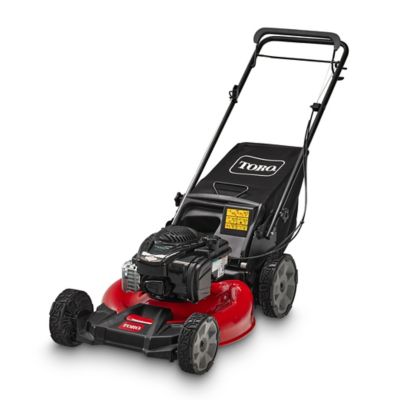
Lawn Mower Tires For Seasonal Maintenance
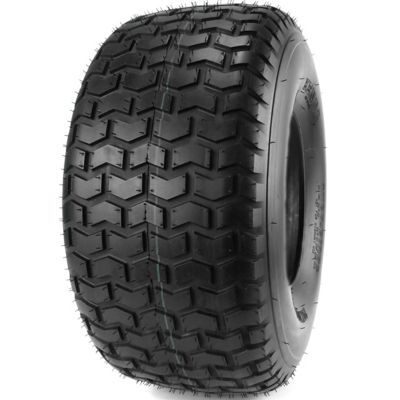
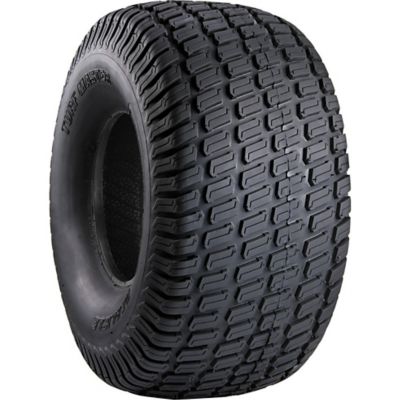
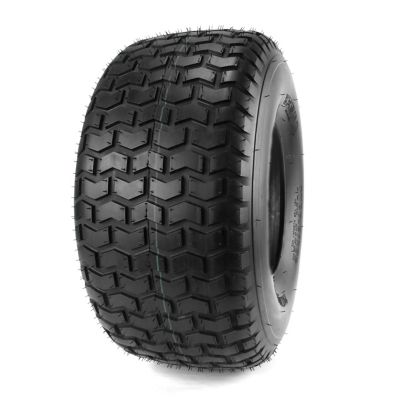
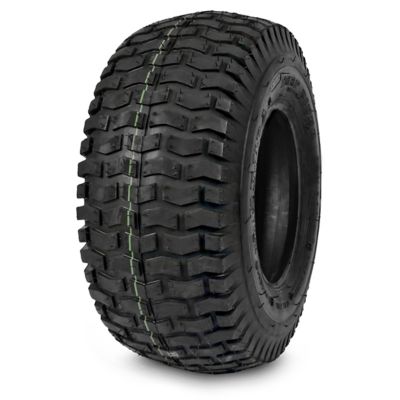
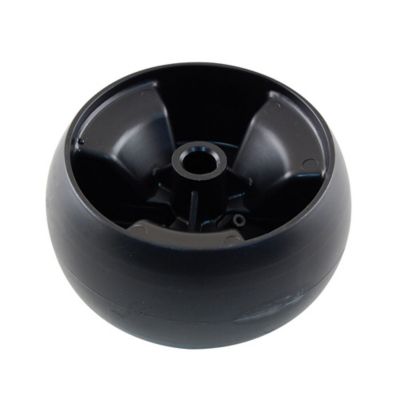
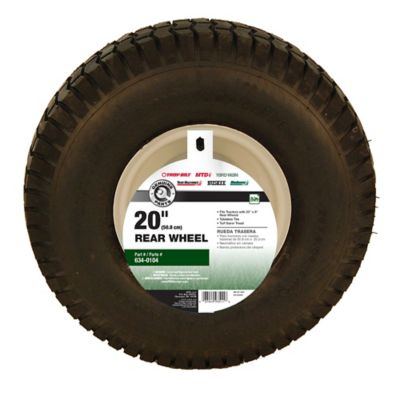
Keeping your yard in top shape means making sure your equipment is ready to roll, and that starts with the right set of lawn mower tires. Lawn Mower Tires For Seasonal Maintenance are essential for tackling changing ground conditions and keeping your mower running smoothly all year long. Whether you’re prepping for spring growth or cleaning up after a busy summer, having dependable tires makes every job easier around your property. Find the right fit for your mower and get back to enjoying a well-kept lawn season after season.

$31
.49
Sale Was $34.99 Save $3.50 (10%)

$22
.49
Sale Was $24.99 Save $2.50 (10%)
$94
.49
Sale Was $104.99 Save $10.50 (10%)

$31
.49
Sale Was $34.99 Save $3.50 (10%)
$31
.49
Sale Was $34.99 Save $3.50 (10%)

$53
.99
Sale Was $59.99 Save $6.00 (10%)
$107
.99
Sale Was $119.99 Save $12.00 (10%)

$107
.99
Sale Was $119.99 Save $12.00 (10%)
$67
.49
Sale Was $74.99 Save $7.50 (10%)

$44
.99
Sale Was $49.99 Save $5.00 (10%)

$58
.49
Sale Was $64.99 Save $6.50 (10%)

$80
.99
Sale Was $89.99 Save $9.00 (10%)

$94
.49
Sale Was $104.99 Save $10.50 (10%)

$53
.99
Sale Was $59.99 Save $6.00 (10%)

$49
.49
Sale Was $54.99 Save $5.50 (10%)
$74
.99
Sale Was $79.99 Save $5.00 (6%)

$58
.49
Sale Was $64.99 Save $6.50 (10%)
$35
.99
Sale Was $39.99 Save $4.00 (10%)
Best Of FAQ
How often should I inspect my lawn mower tires for seasonal maintenance?
It's recommended to inspect your lawn mower tires at the start and end of each mowing season. Regular checks help identify wear, cracks, or embedded debris that could affect performance.
What are common signs that my lawn mower tires need attention during seasonal maintenance?
Common signs include visible cracks, uneven tread wear, loss of traction, or difficulty maneuvering the mower. Addressing these issues early can extend the life of your tires and improve mowing efficiency.
Can I perform basic lawn mower tire maintenance myself?
Yes, many basic maintenance tasks like cleaning, checking air pressure, and removing debris can be done at home with simple tools. For more complex issues like mounting new tires, you may want to consult a professional.
Why is it important to maintain lawn mower tires seasonally?
Seasonal maintenance ensures optimal traction and stability while mowing. Well-maintained tires also help prevent turf damage and reduce strain on your mower's engine.
What steps should I take to store my lawn mower tires during the off-season?
Clean the tires thoroughly, remove any stuck debris, and store your mower in a cool, dry place away from direct sunlight. This helps prevent rubber deterioration and keeps your tires in good condition for the next season.
Best Sellers
-
"Great value and cost less by ordering through on line"
-
"Great tire. Best combination of traction without tearing up your lawn"
-
"excellent tires at a great price"
-
"[This review was collected as part of a promotion.] works great. love it! Easy to install"
-
"Best push mower I’ve ever owned! Love the power and love the fresh cut"