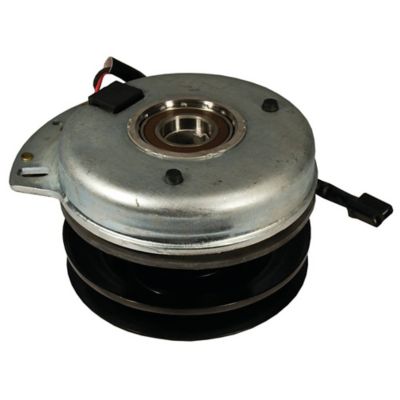
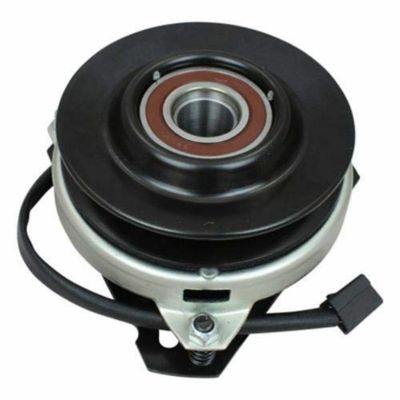
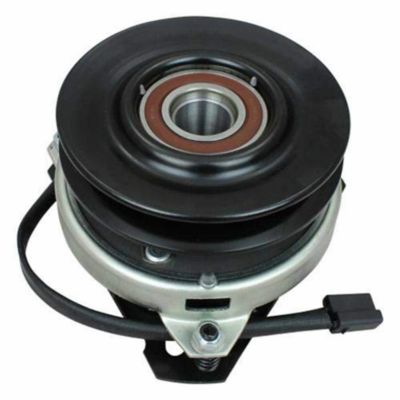
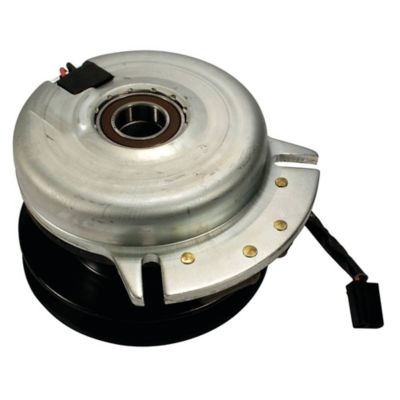
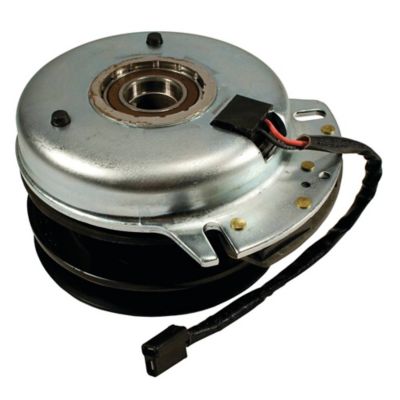
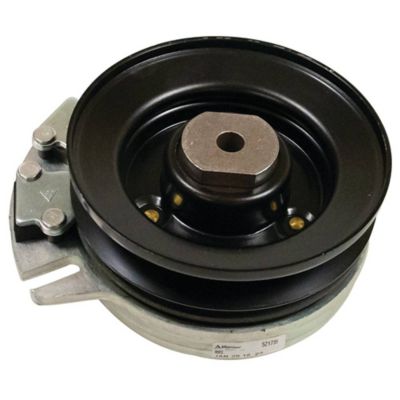
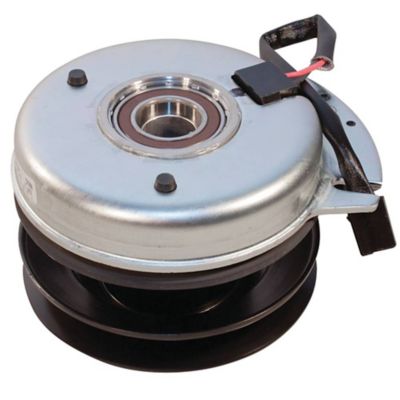
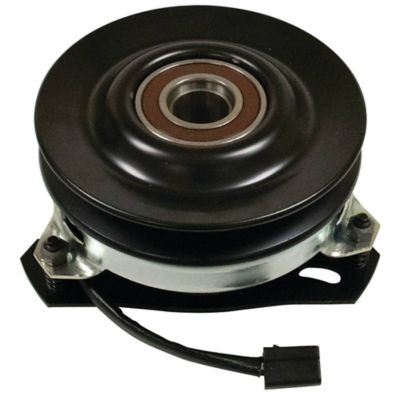
A PTO clutch is a small part with a big job: connecting engine power to the mower’s cutting system when it is time to put the blades to work. On many riding mowers and zero-turn machines, an electric power take-off clutch sits at the engine crankshaft and drives the deck belt through an attached pulley. An electromagnetic coil brings the clutch’s working surfaces together when the operator engages the PTO switch. That connection lets the engine keep running while the operator controls blade engagement separately. Many assemblies also include a braking function that helps bring the cutting system to a stop after disengagement, according to the mower’s design. For someone maintaining a few acres around the house, trimming open ground beside a barn or keeping a long fence line tidy, the right replacement supports the machine’s intended operation without changing how the mower was built to work. These assemblies commonly combine steel working surfaces, a pulley, bearings, electrical wiring and protective components around the coil. Construction varies, so details such as bearing design, wire routing and protection around electrical connections deserve attention alongside the main dimensions. A sealed bearing can help keep contamination away from internal surfaces, but it does not make the entire assembly immune to grass buildup, oil leaks or damage. The clutch also works as part of a larger drive system rather than acting alone. Belt condition, pulley alignment, deck resistance and the mower’s electrical supply all affect operation. A slipping belt or weak electrical connection can resemble a clutch problem, which makes a confirmed diagnosis useful before choosing a replacement. PTO clutches serve homeowners, acreage owners, grounds crews and repair shops that need a mower back to its regular cutting duties. The goal is a replacement that matches the original application, carries the expected load and fits into the machine without improvised changes.
Fit starts with the mower’s identification information, not simply the deck width or the way a clutch looks in a photo. Two machines with similar bodies can have different engines, wiring connections or drive arrangements, and a shared model name does not always mean every production version takes the same assembly. The full model number, serial number and original clutch part number provide a stronger starting point for comparing replacement specifications. Engine information can matter, too, especially when a machine has had an engine replacement during its working life. Important measurements may include the crankshaft bore, pulley diameter, overall assembly height and the position of the pulley within the belt path. The shaft connection, mounting hardware arrangement and anti-rotation feature also need to agree with the equipment’s design. Even a small difference in pulley position can leave a belt running out of line, while the wrong pulley profile can keep the belt from seating as intended. Electrical fit matters just as much as mechanical fit. Connector shape, terminal arrangement, lead length and operating requirements should match the mower’s system rather than depend on a makeshift wiring change. A connector that reaches the plug is not enough if the lead cannot follow its intended route clear of moving parts. Application listings and manufacturer specifications help separate a true match from a look-alike. Where torque ratings or engagement details appear in the specifications, they belong in that comparison as well; a replacement should meet the machine’s requirements, not merely occupy the same space beneath the engine. Some clutch designs allow an air-gap adjustment, while others do not, so that feature should never be assumed from appearance. Complete assemblies can also differ in whether hardware or electrical adapters are included. Those details matter when planning the job, particularly when the mower is sitting in the shop with its deck belt already off. For a property with another make of equipment in the shed,
John Deere Clutches offers a separate place to look, with each machine still needing its own application check.
Long service life depends on both the replacement assembly and the condition of the equipment around it. Grass packed around the underside of the engine, a belt that sheds material or oil dripping onto the drive area can make a hard-working mower’s job tougher. Keeping the surrounding area clear according to the operator’s manual helps with inspection and reduces the buildup that can hide a worn connector or damaged wire. Electrical leads need their intended clips and routing so they stay away from the exhaust, belts and rotating pulleys. A pinched harness or loose ground can interrupt engagement even when the clutch itself is sound. Likewise, a dragging deck spindle or an incorrect belt can place extra strain on the drive system. Squealing, unusual vibration, an electrical smell or blades that fail to engage call for inspection rather than repeated attempts to keep mowing. Those symptoms can have more than one cause, and proper troubleshooting can prevent replacing a working component while leaving the real fault in place. Any service belongs on a fully shut-down machine, with the key removed and the manufacturer’s precautions followed to prevent accidental starting or movement. Mounting-bolt torque, retaining hardware and any specified adjustment are application-specific details, making the service manual or a qualified repair shop worthwhile when the work goes beyond routine upkeep. For an owner who handles maintenance at home, clear application information and complete specifications make comparisons more straightforward. For a shop handling several mowers, matching each assembly to the machine’s records helps keep similar-looking parts from getting mixed up on the bench. Whether the mower spends its days circling a farmhouse yard or covering larger stretches around outbuildings, a properly matched PTO clutch belongs in a sound drive system with the right belt, sound connections and freely turning deck components. That combination keeps attention on the cutting work instead of another interruption beside the shed.