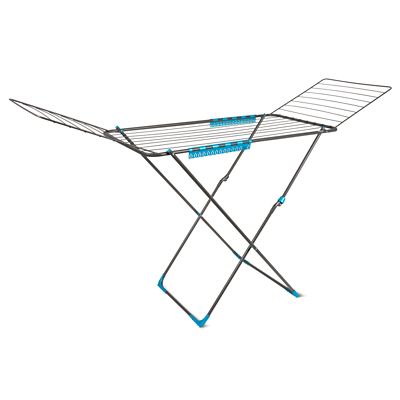
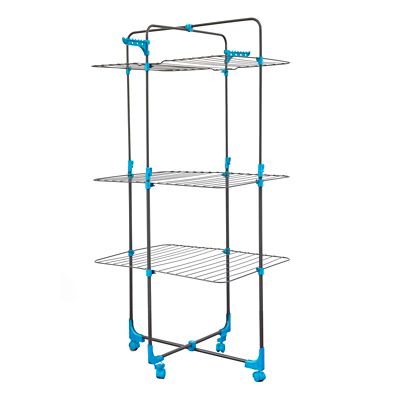
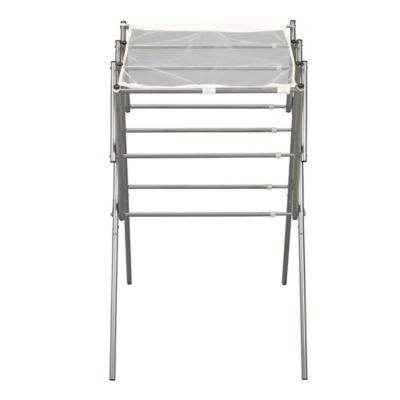
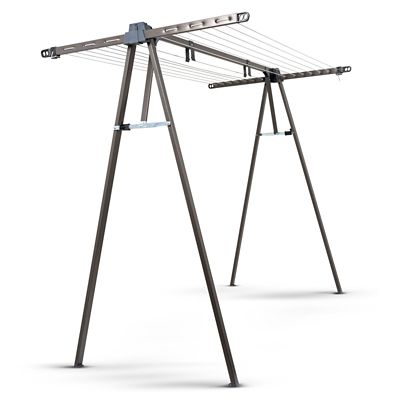
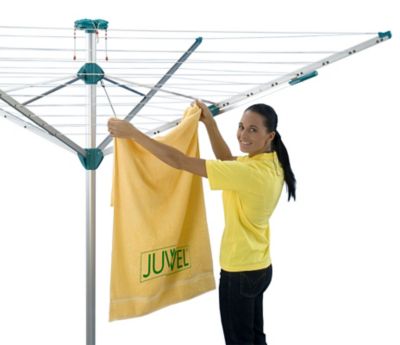
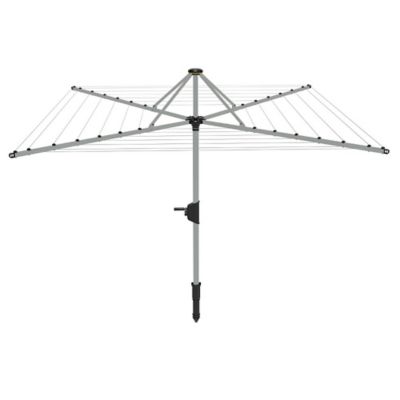
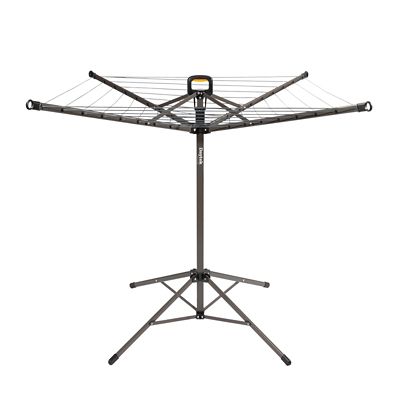
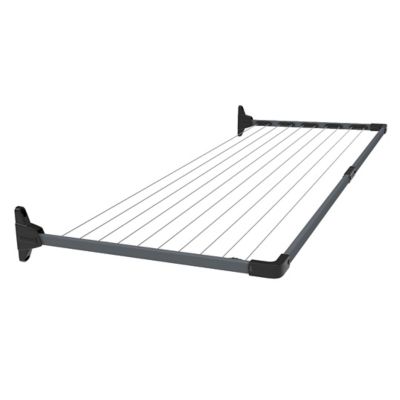
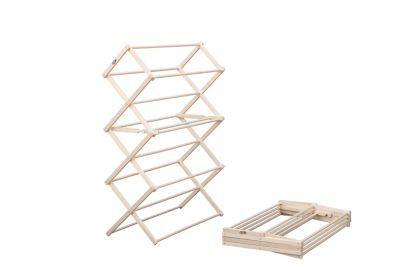
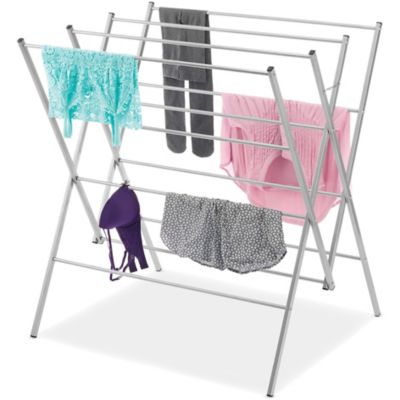
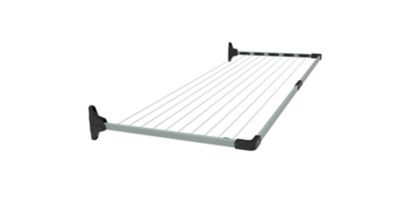
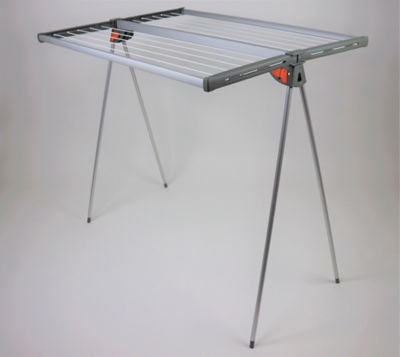
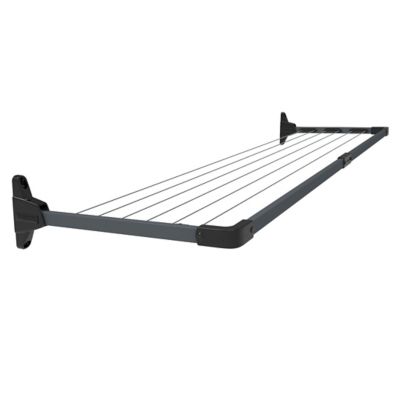
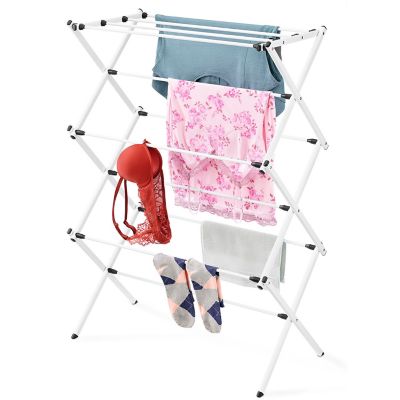
Laundry drying racks give clothes, towels and other washable fabrics a place to air-dry without running them through a machine dryer. Their open frames hold laundry across rods, rails or mesh surfaces so air can move around each piece. For a household with work shirts, everyday jeans and a steady pile of socks, a rack makes it easier to separate garments that need different care. It also provides a spot for clothing with care labels that call for line drying or drying flat. Freestanding racks sit on the floor and can move between a laundry room, bathroom or another suitable space. Folding accordion racks expand into a series of horizontal bars, then collapse for storage between loads. Winged racks have side sections that open outward, offering room to spread smaller pieces beside longer garments. Tall, multi-tier drying racks stack hanging space vertically, making them useful where floor space is limited. Wall-mounted racks attach to a supporting surface, while over-the-door designs hang from brackets and keep the floor clear. Some frames include a flat drying area for garments that should not hang from a bar. The right layout depends as much on the laundry as it does on the room: a stack of washcloths needs different spacing than a pair of damp overalls. Overall dimensions tell part of the story, but the arrangement and length of the rails help show how much laundry can fit without crowding. A rack that opens wide may suit a roomy laundry area, while a narrow upright frame can fit beside a washer without taking over the walkway. Folded dimensions matter, too, especially when the rack will tuck beside a cabinet or slide into a closet. For households that air-dry only a few pieces at a time, a compact frame can keep the routine simple. Larger households may benefit from more rail space and separate sections for sorting garments by size or drying needs.
Materials and construction affect how a clothes drying rack handles daily laundry and repeated folding. Steel frames can provide firm support, and painted or powder-coated finishes help protect the metal when the surface remains intact. Aluminum frames are often lighter to carry, though load limits still depend on the design and connections. Wood and bamboo racks offer another frame style, with smooth rails that need attention to surface condition and moisture exposure. Plastic components may appear in hinges, feet, clips or entire frames; their strength depends on their construction rather than the material name alone. Smooth contact surfaces matter across all these options because rough edges, splinters or damaged coatings can catch fabric. Rounded rails can also reduce sharp fold lines compared with narrow edges, although some garments will still show a crease where they rest over a bar. A rack’s stated weight capacity applies to the frame as directed by its manufacturer, and damp laundry can weigh considerably more than dry clothing. Heavy bath towels and denim call for a different level of support than lightweight shirts or dish towels. Rail spacing is just as important as capacity: closely packed pieces leave less room for air circulation and can take longer to dry. Longer rails offer room to spread a towel rather than bunching it into a small section, while sufficient height keeps pant legs from touching the floor. Adjustable wings or different rail levels can make it easier to arrange a mixed load. For door-mounted racks, bracket fit, door thickness and clearance need to match the intended location so the door can function without pinching laundry. Wall-mounted designs need secure attachment to a suitable supporting surface according to the installation directions. With freestanding frames, a broad base, sound hinges and fully engaged locking supports help keep the rack steady. Level flooring and a balanced load matter more than filling every available bar, particularly when wet garments carry substantial weight.
A laundry drying rack fits into everyday routines without needing a permanent place in the middle of the room. It can hold a few shirts after a small wash load, give kitchen towels their own drying space or provide room for washable chore clothes that need to stay out of the dryer. Fabric care labels remain the starting point, since air-drying does not mean every garment belongs draped over a rail. A knit sweater labeled for flat drying needs support across its shape, while a shirt suited to hanging may benefit from a hanger if the rack is designed to hold one. Thick seams, waistbands and folded areas often need more drying time than thin fabric, making an uncrowded arrangement especially helpful. Indoor placement works best where air can circulate and dripping laundry will not harm the floor or nearby belongings. Outdoor placement is an option only when the rack’s materials and manufacturer directions allow it. Either way, leaving walking paths clear and keeping the frame away from places where it could be bumped makes the laundry area easier to manage. Care is generally straightforward: remove lint and residue, wipe surfaces as directed and let the frame dry before folding it away. Hinges, fasteners and contact points deserve an occasional check for looseness, rough spots or finish damage. Folding sections should close without forcing them, and nothing should sit on top of a stored rack unless its design allows that load. Drying space and storage space serve different jobs;
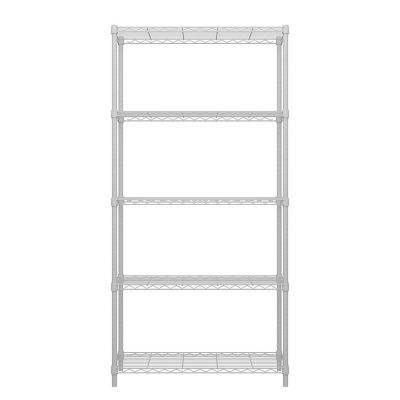
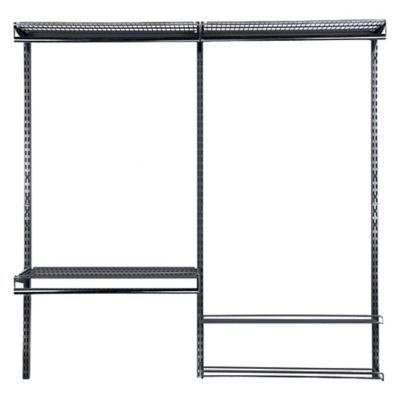
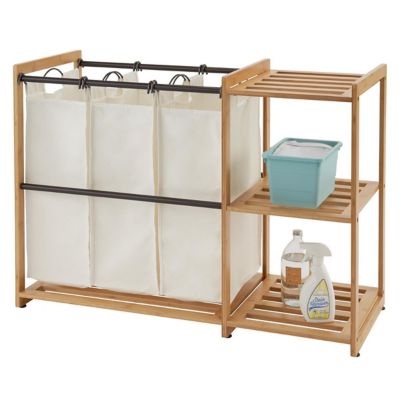
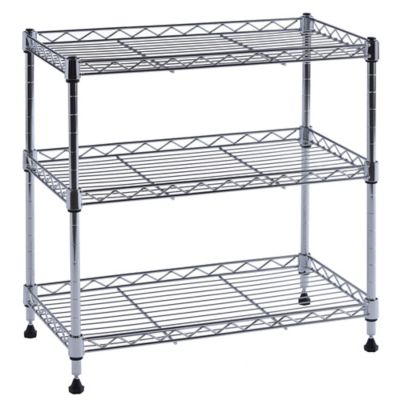
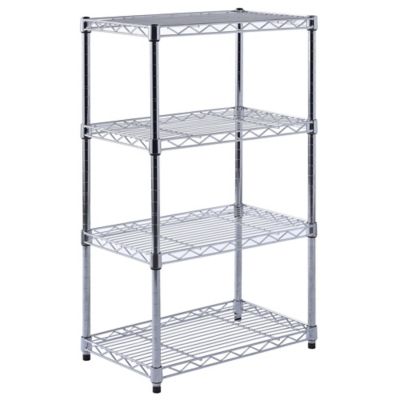
Storage Racks can help organize laundry supplies and baskets while a drying frame remains open for clothes. For an apartment, a farmhouse laundry room or a shared household, the most useful setup matches the available space, the usual load and the way laundry gets put away. A folding rack can also make a practical housewarming gift for someone setting up a laundry area, provided its size and layout suit the home.