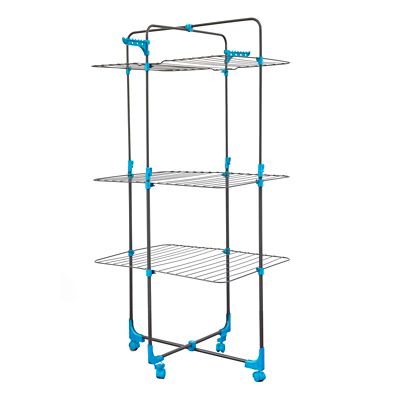
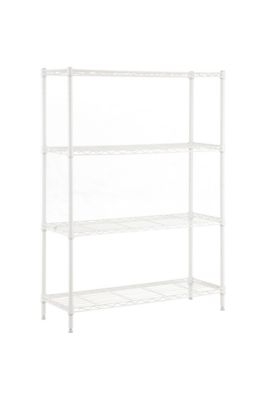
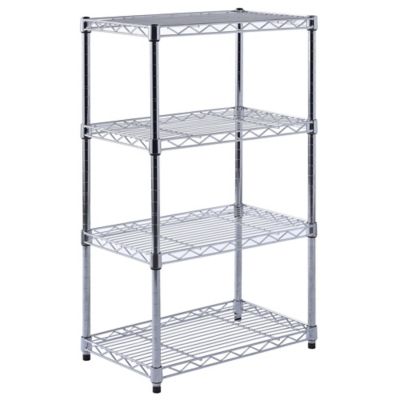
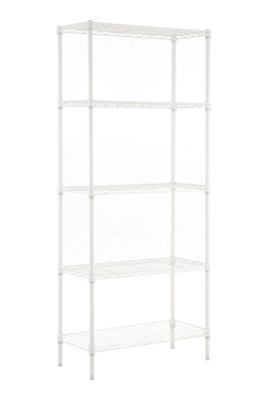
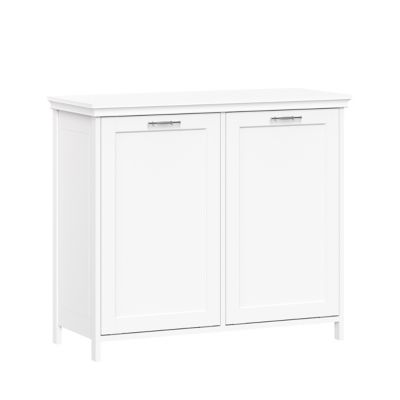
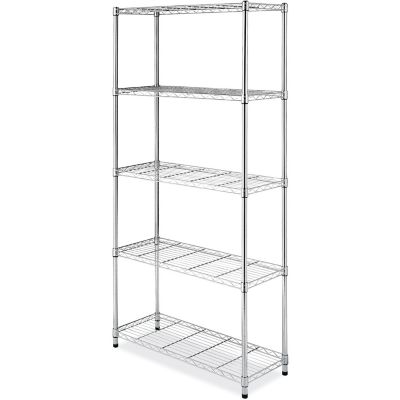
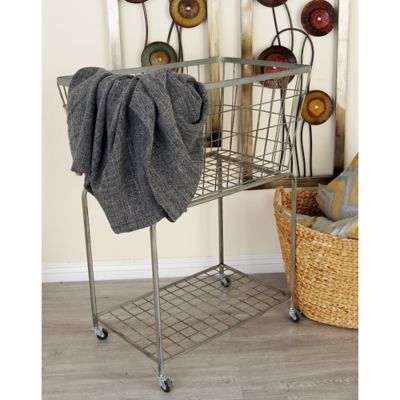
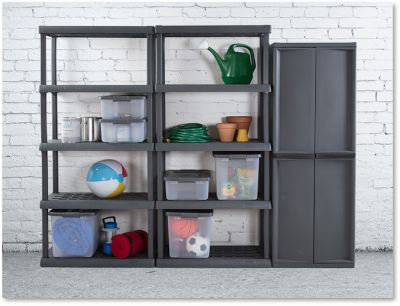
Laundry room storage racks organize detergent, baskets, towels, and other laundry supplies by adding shelf space above appliances, along open walls, or in narrow gaps. They help make the most of vertical space without taking over the floor, which matters when the same room also serves as a back entry, utility room, or spot for chore clothes. A rack can give each part of the laundry routine a home: supplies within reach, empty baskets off the floor, and folded clothing waiting for the trip upstairs. Freestanding racks work well where there’s open floor space, while over-appliance designs put shelves above a washer, dryer, or matching pair. Narrow racks can make a small stretch beside an appliance more useful, provided there’s enough clearance for hoses, cords, and ventilation. Rolling styles offer another option for households that need to move storage aside for cleaning or access. The best fit depends on more than the width of an empty corner. Overall height, shelf depth, doorway clearance, and the space needed to open appliance doors all affect how comfortably a rack fits into the room. Top-loading washers need room for the lid to rise fully, and front-loading machines need an unobstructed door swing and space to handle a full basket. Shelves above the machines should leave controls, dispensers, and service connections accessible. In a busy household, those details can make the difference between storage that helps and storage that gets in the way. A family washing school clothes alongside work shirts may need room for several baskets, while a smaller household might get more benefit from a slim rack with just a few shelves. For anyone bringing in dusty jeans or clothing from barn chores, keeping laundry supplies separate from the clean-clothes area helps the room stay organized. Open shelving also makes it easier to see what belongs where, whether laundry falls to one person or gets shared around the house.
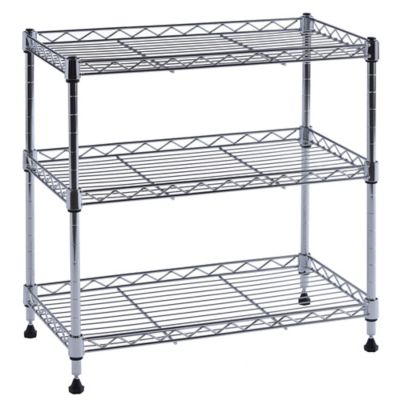
Materials and construction influence how a laundry room storage rack handles regular loads, spills, and repeated cleaning. Steel frames can provide firm support for filled containers and stacked baskets, though shelf capacity and total rack capacity still depend on the individual design. Powder-coated finishes add a protective layer to metal, but scratches and chipped areas deserve attention because exposed steel can develop rust. Stainless steel offers corrosion resistance, while plastic shelving is generally easy to wipe down and doesn’t rust. Wood and bamboo bring a warmer look to a utility space, although their finishes need care around standing water and leaking containers. Whatever the material, joints, shelf supports, feet, and braces all play a part in keeping a loaded rack steady. Wire shelves allow air to move around stored belongings and let lint show through, but small bottles or narrow container bases may sit better on a solid surface. A compatible shelf liner can help bridge those gaps when the rack’s instructions allow it. Solid shelves provide an even surface for folded linens and smaller supplies, though spills can collect rather than drain through. Adjustable shelf spacing makes room for taller bottles, short baskets, or stacks of washcloths without leaving large stretches of wasted space. Weight ratings deserve a close look, especially when storage includes full liquid containers. A shelf’s listed limit and the rack’s overall limit are separate considerations, and the load may need to be spread evenly rather than concentrated in one spot. Heavier containers generally belong lower down, with lighter towels and empty baskets above. Leveling feet can help a freestanding rack sit evenly on a suitable floor, while locking casters help keep a rolling rack in place when parked. Neither feature replaces any anchoring required by the manufacturer. A rack should stand independently of the washer and dryer unless its design specifically calls for another arrangement; appliance vibration is another reason to leave the clearances specified in the instructions.
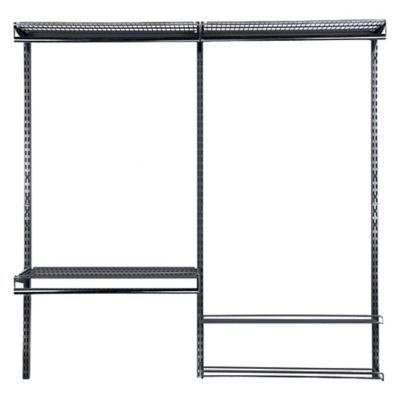
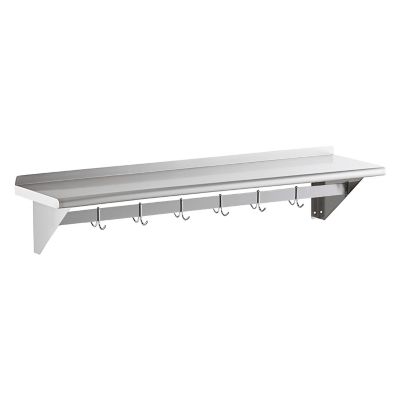
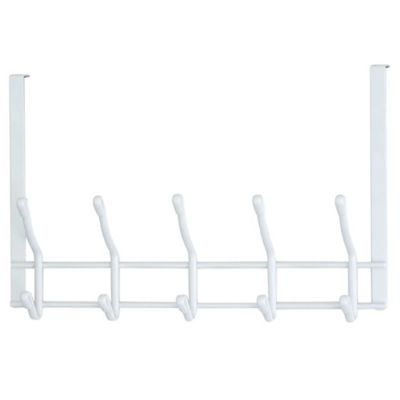
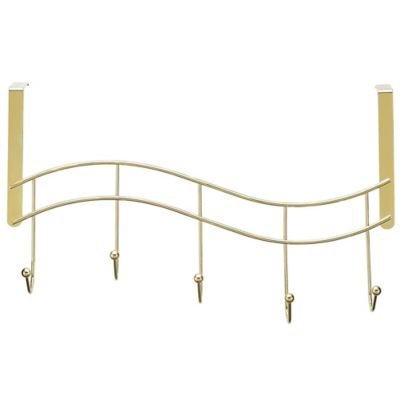
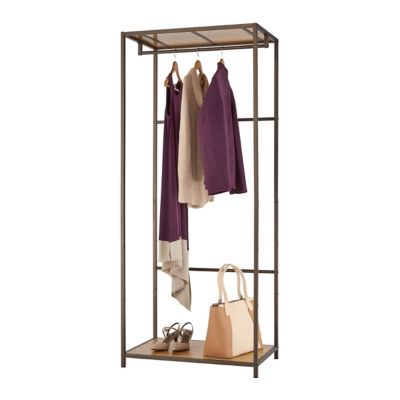
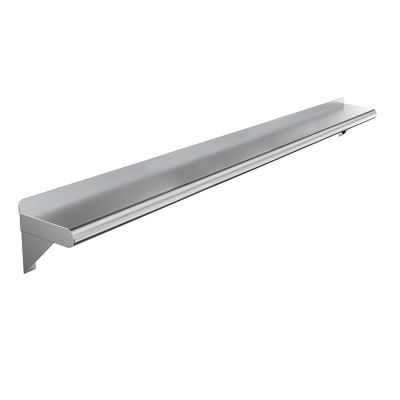
The most practical laundry room storage racks match the way the household actually handles laundry. Deep shelves can hold roomy baskets, but extra depth may make the back row harder to reach or crowd a narrow walkway. Shallower shelves keep bottles and folded towels visible without projecting as far into the room. Open sides make baskets easier to slide in and out, while shelf edges or rails can help keep smaller belongings from slipping off. A hanging bar, where included, gives shirts a place to wait before they head to the closet; its placement should still leave enough room below for clothing to hang freely. Hooks can hold lightweight laundry bags or cleaning brushes when the rack is designed to support them. For a room that needs both floor-level basket storage and shelves attached to the wall,
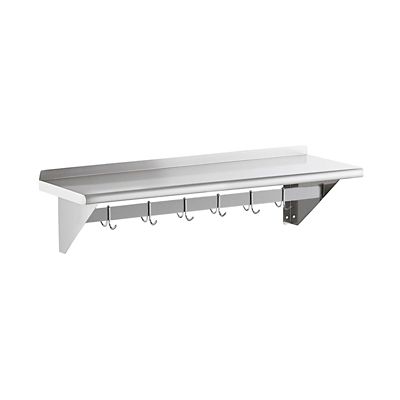
Laundry Room Wall Shelves offer another way to arrange the space without filling every open patch of floor. Reach matters as much as capacity: everyday supplies are easier to handle at a comfortable height, particularly when lifting a bottle with one hand and steadying a basket with the other. Laundry detergent and similar products need storage in their original containers, out of children’s reach and sight, preferably in a locked cabinet rather than on an open rack. Routine care helps the surrounding storage stay tidy, too. Wiping up drips, clearing lint from shelf corners, and following the finish’s cleaning instructions can prevent sticky buildup and surface damage. Rolling racks need clear paths, and their wheels benefit from checks for caught hair and lint. Fasteners and shelf connections also warrant occasional checks according to the manufacturer’s directions. With sensible spacing and a layout that leaves room to work, a storage rack can keep clean towels away from the hamper, give stray socks a landing spot, and make a full laundry basket easier to manage. The payoff is a room where supplies are easy to find and the next load doesn’t start with clearing the floor.