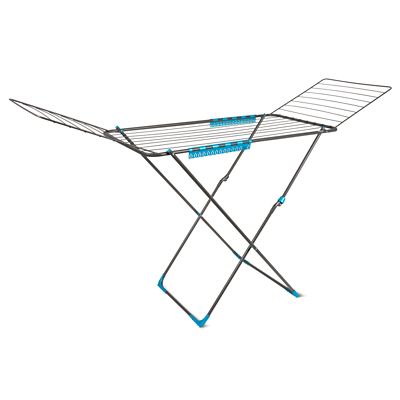
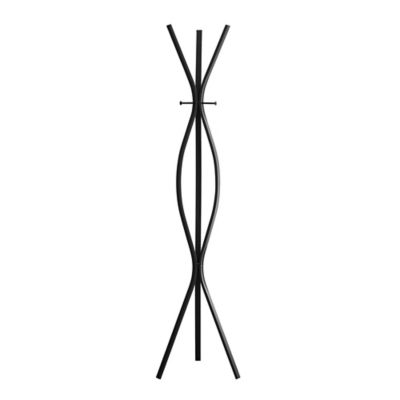
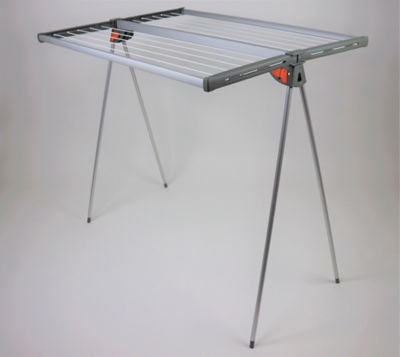
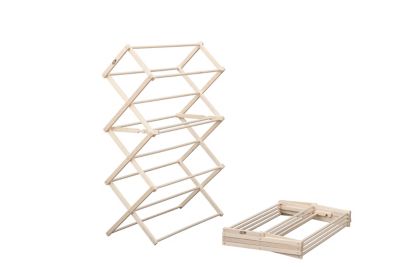
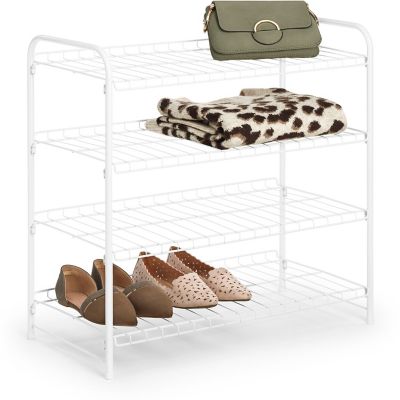
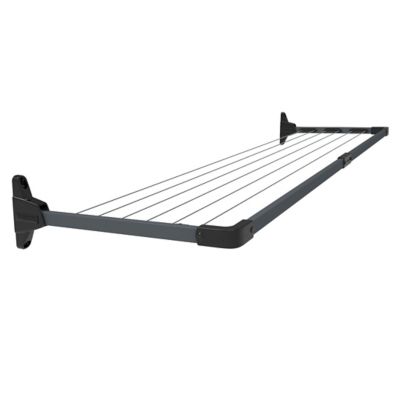
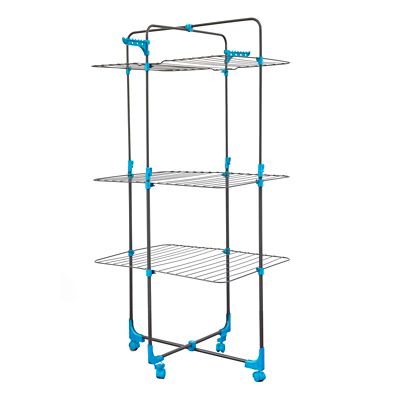
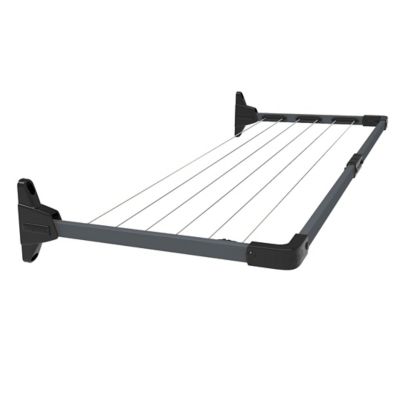
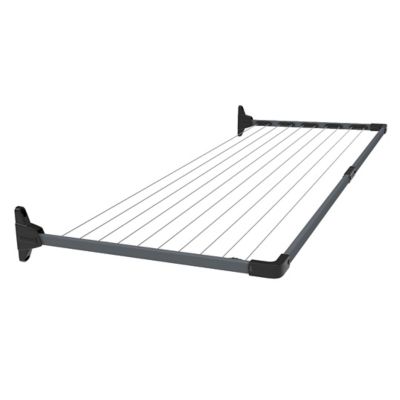
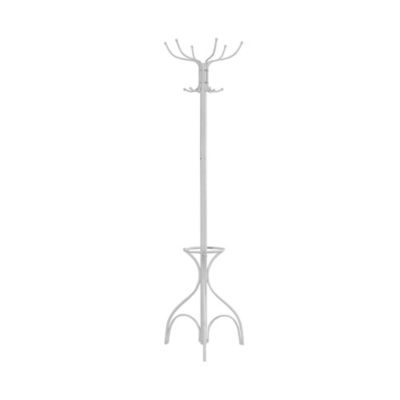
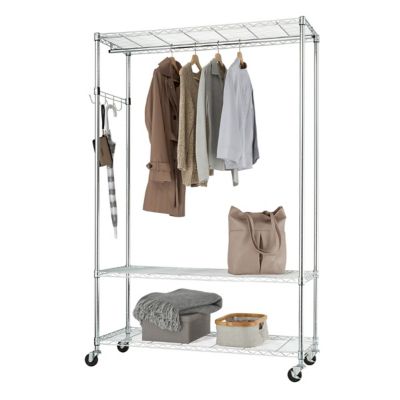
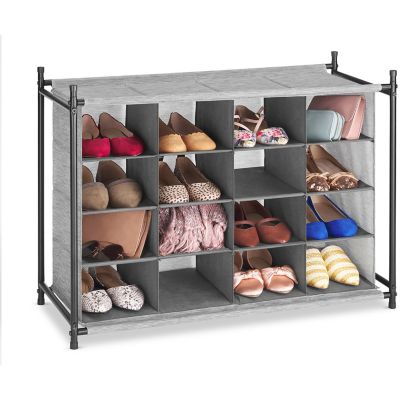
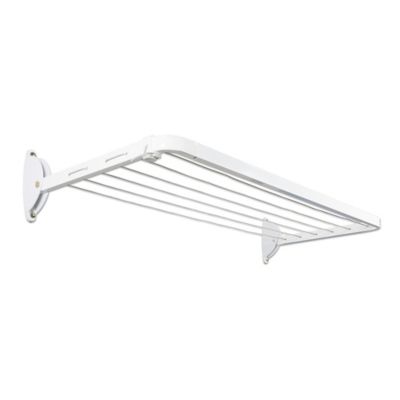
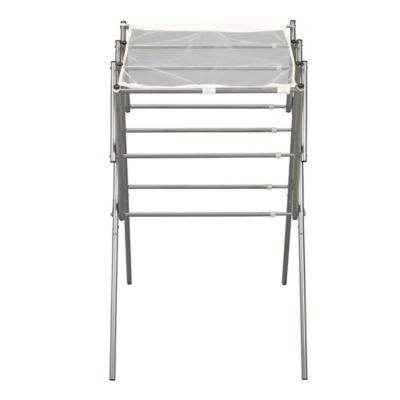
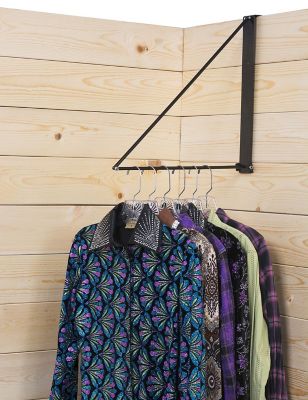
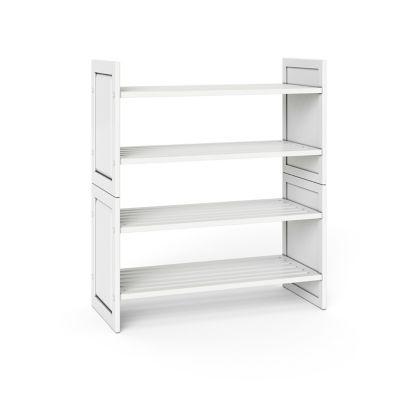
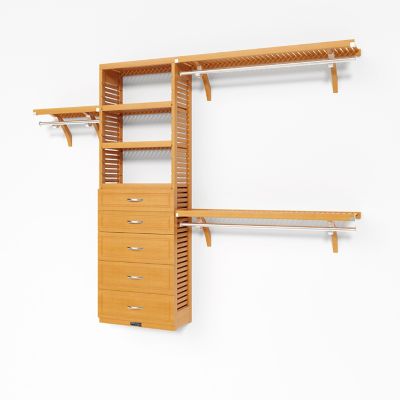
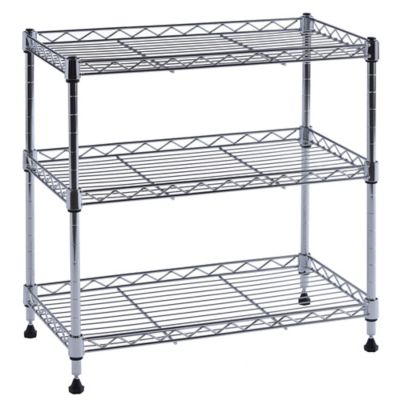
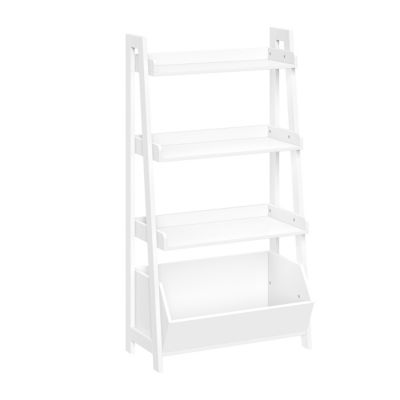
Clothes racks for small spaces make room for hanging garments without the footprint of a full wardrobe. Compact freestanding frames, wall-mounted rails and racks with shelves put vertical space to work, helping keep clothing off chairs, beds and the floor. In a small bedroom, that might mean a narrow rail for everyday shirts beside a dresser; in a mudroom, it might mean a place for work jackets with shoes tucked underneath. An open rack also makes it easier to see what is ready to wear before heading out the door. The best fit depends on more than the width of an empty corner. Overall height, base depth and the space taken up by hanging garments all affect how comfortably a rack fits into a room. Hangers and shirt sleeves can extend beyond the frame, while wide feet may reach farther out than the rail above them. A rack that fits against a wall still needs enough clearance for a nearby door to swing open and for someone to walk past without brushing against clothing. Single-rail designs leave more room for long garments, including coveralls, dresses and coats. Double hanging rails can hold more shirts and folded-over pants within the same floor area, provided there is enough space between the bars to keep garments from bunching. Some layouts combine a shorter hanging section with open shelves, giving folded jeans, baskets and footwear their own spots. For a spare bedroom that also serves as a home office, a slim frame can keep visiting family members’ clothing together without taking over the room. In a small farmhouse bedroom with little built-in storage, a taller rack can bring hanging space closer to an otherwise empty wall. Open designs keep garments within reach, though a little breathing room between hangers makes clothing easier to remove and return. Matching the rack’s proportions to both the room and the clothing helps turn a tight spot into practical everyday storage rather than another obstacle to step around.
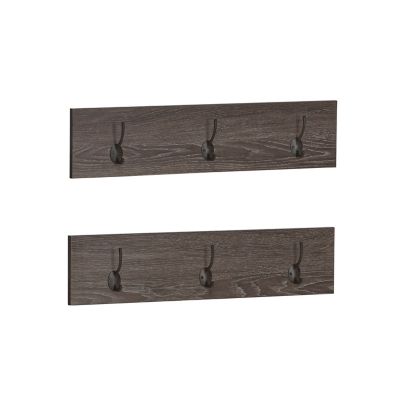
Materials and construction affect how a compact clothes rack handles daily work. Steel frames are common for hanging heavier garments, while wood and bamboo bring a different look that can sit comfortably alongside bedroom furniture. The material alone does not tell the whole story: tube thickness, joints, bracing, shelf supports and the manufacturer’s stated load limits all matter. A rail carrying a few lightweight shirts faces a different task from one holding denim jackets and several pairs of work pants. Overall weight limits and any separate ratings for individual rails or shelves deserve attention, especially on racks that combine several storage levels. Crossbars, well-seated connections and a base suited to the rack’s height help limit movement when garments are lifted on and off. Level feet can help a freestanding rack sit evenly on a suitable floor, while rolling designs make it easier to reach the space behind clothing or move a rack out of the way. Casters need room to turn, and locking wheels help keep a mobile frame in place when parked. Rugs, door thresholds and narrow passages can make rolling a loaded rack harder, so the path matters as much as the parking spot. Wall-mounted racks free up floor space, but their capacity depends on the wall construction, mounting hardware and installation requirements. Attachment points should match the manufacturer’s directions rather than simply lining up with the most convenient patch of wall. For freestanding designs, keep heavier belongings low when the layout allows, spread garments across the rail and follow any anchoring requirements. Shelves can be handy for boots or folded clothing, but their depth and spacing need to suit what will sit there. A shallow shelf may work well for smaller baskets without accommodating larger footwear. Smooth rail surfaces and neatly finished edges also matter wherever fabric makes contact, particularly with knits or garments that snag easily. These details make a difference when a rack becomes part of the daily getting-ready routine.
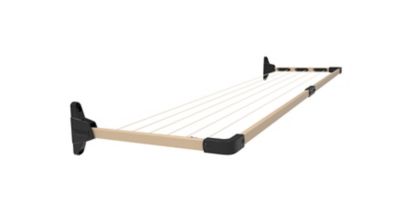
Everyday care helps clothes racks for small spaces stay tidy and function as intended. Metal rails generally benefit from a soft cloth and a cleaner suited to their finish, followed by drying rather than leaving moisture around joints. Wood and bamboo components need care that matches their surface treatment; soaking shelves or letting damp footwear sit directly on them can leave marks or affect the material. Manufacturer care directions take priority, especially where a frame combines several materials. An occasional check of fasteners, shelf connections and wheel locks can catch a loosening part before the rack starts to wobble. Keeping the rail within its stated capacity also makes it easier to slide hangers without forcing them past a tightly packed row of garments. For someone getting dressed before chores, grouping work shirts together and leaving pants within reach can save a fair bit of rummaging. A student in a small room may need a hanging section above baskets for socks and folded clothes, while someone sharing a bedroom may prefer clearly separated sections. In a laundry area, a rack can provide a landing place for freshly pressed shirts or garments ready to return to the closet. Air-drying calls for a rack intended for that purpose and enough spacing for airflow; not every clothing storage frame is meant to hold wet laundry. Covers can help shield stored garments from settling dust, though their dimensions need to accommodate the rack and clothing without pulling tightly across hangers. For a first apartment or a room refresh, a clothes rack can also make a practical gift when the recipient’s measurements and storage needs are known. Larger storage plans may bring hanging rails together with shelves, bins and existing closet space, making
Closet Solutions For Small Spaces a helpful next stop. Whether the rack holds daily workwear or keeps guest clothing organized, a manageable layout leaves belongings easy to reach and gives a small room more room to live in.