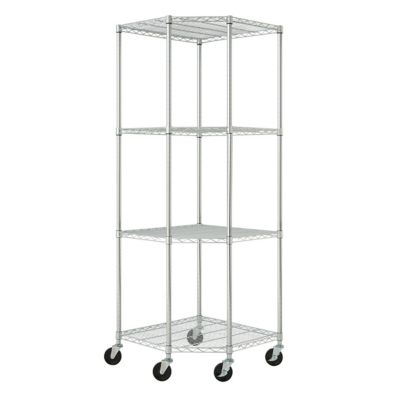
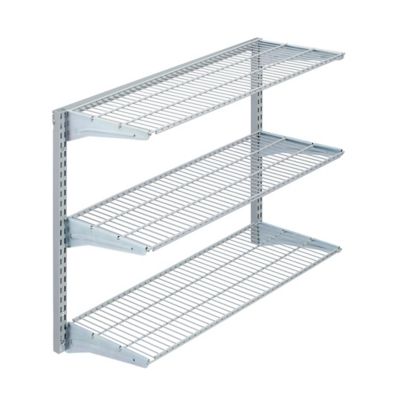
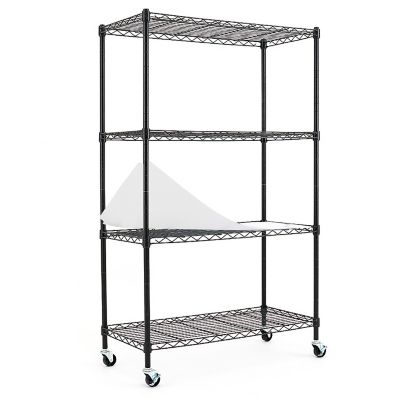
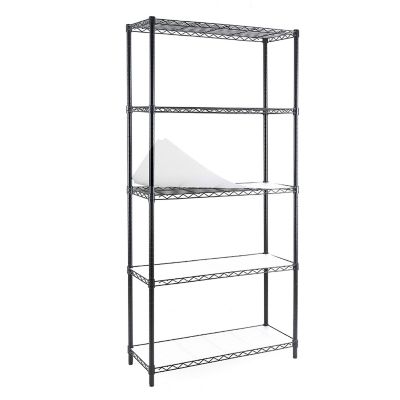
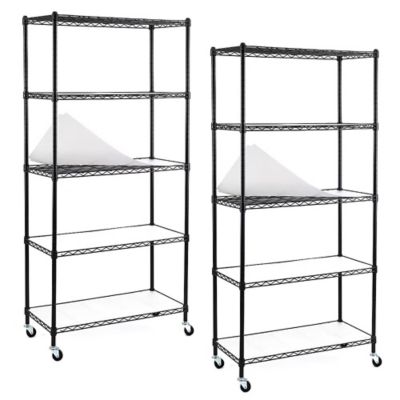
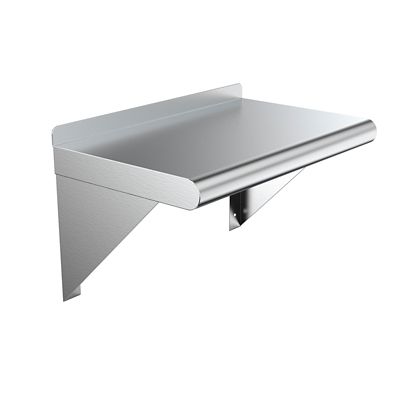
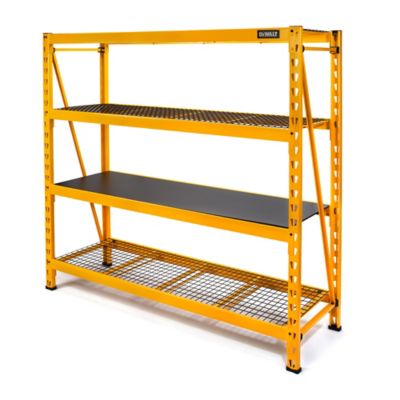
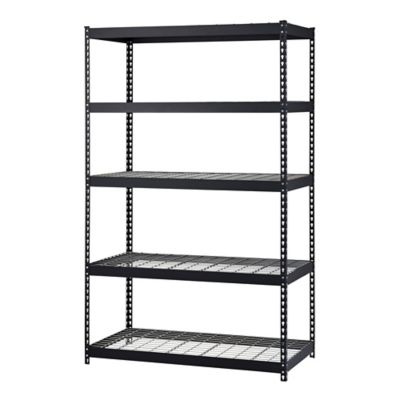
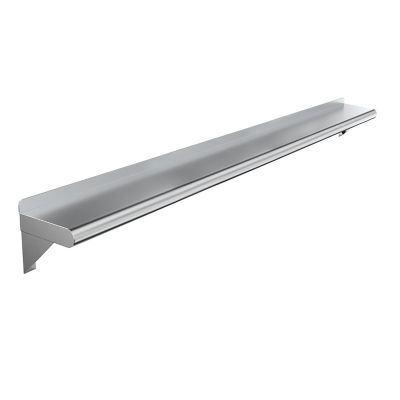
Laundry room storage shelves make it easier to use every bit of space in a hardworking room. The area above a washer and dryer often goes unused, even though it can hold detergent, stain removers, fabric softener, dryer sheets, laundry bags and other everyday supplies. Over-the-washer-and-dryer shelving is made to take advantage of that vertical space, while wall-mounted shelves can help keep supplies off the floor and within easy reach. Freestanding shelving units offer a little more flexibility, especially in a larger utility room, mudroom or multipurpose space where storage needs may change over time. Corner shelves can make good use of narrow or awkward areas, and a deeper unit may provide room for folded towels, spare bedding, laundry baskets or cleaning tools. Before choosing laundry room storage shelves, measure the available wall, floor and ceiling space carefully, including the clearance needed to open machine lids, doors and cabinets. Check the width and depth around the appliances, account for baseboards and outlets, and leave enough room to move a full laundry basket without bumping into the shelving. A shelf that fits neatly above the machines can turn a cluttered wall into a useful supply station, while a freestanding unit can create separate zones for washing supplies, linens and household cleaning items.
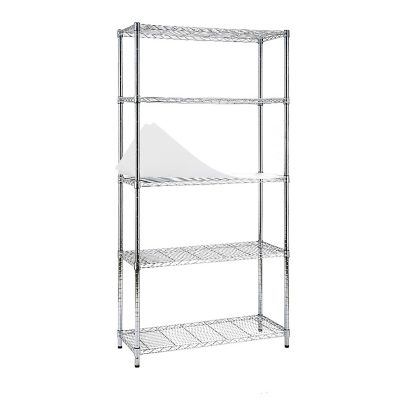
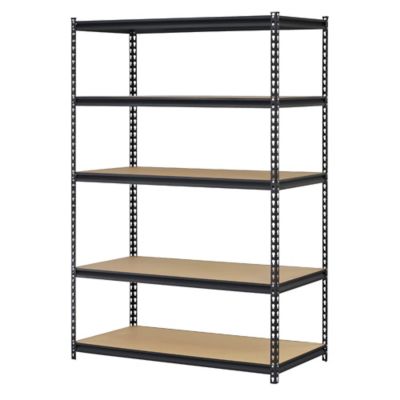
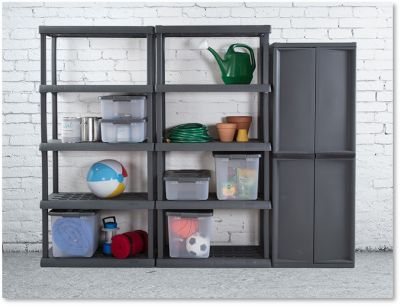
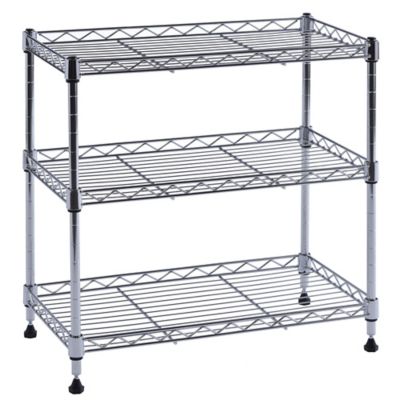
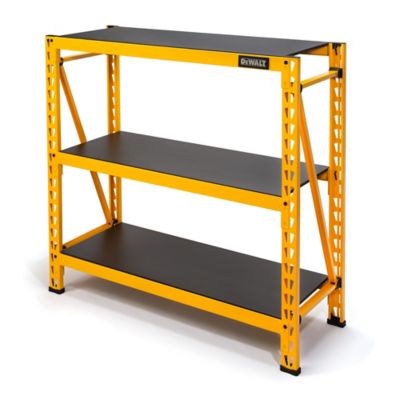
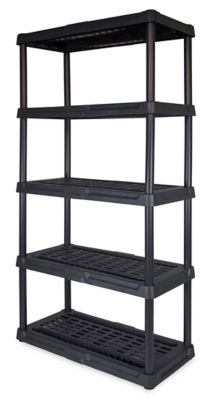
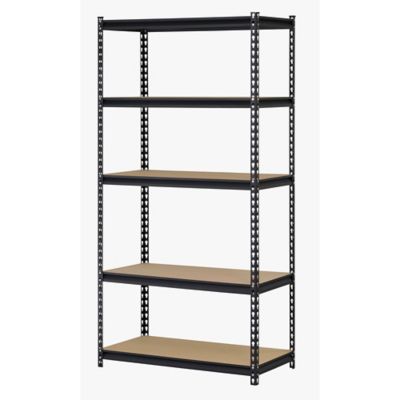
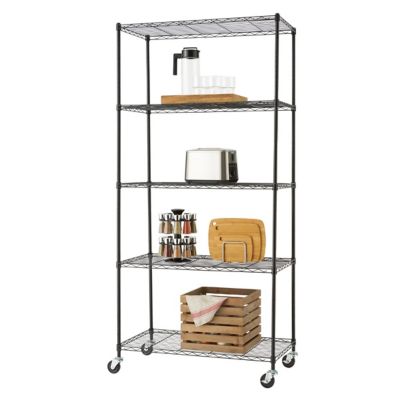
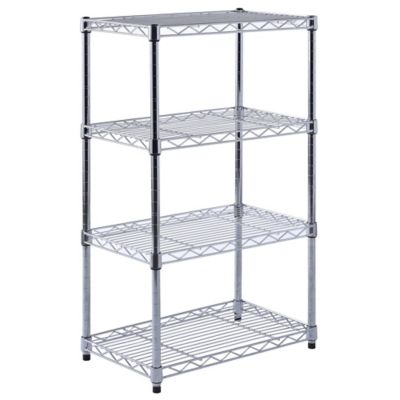
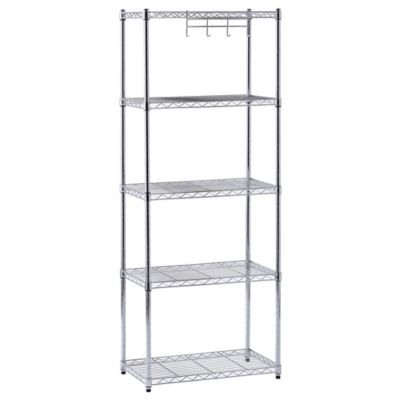
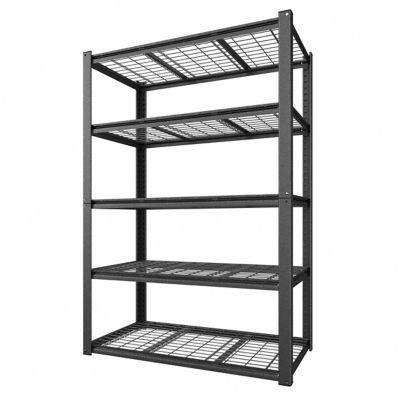
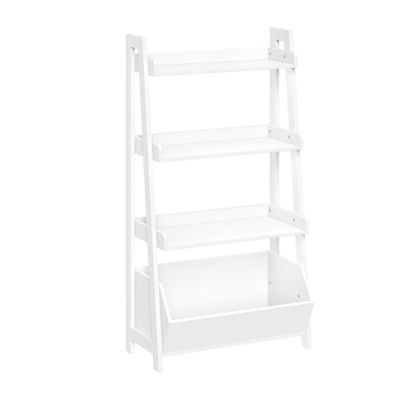
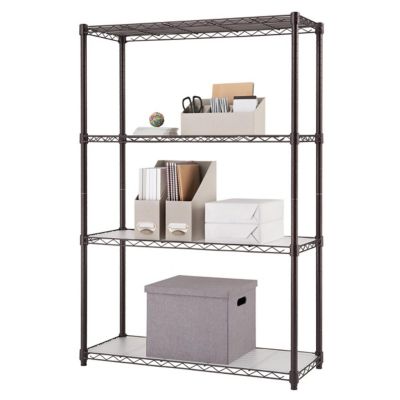
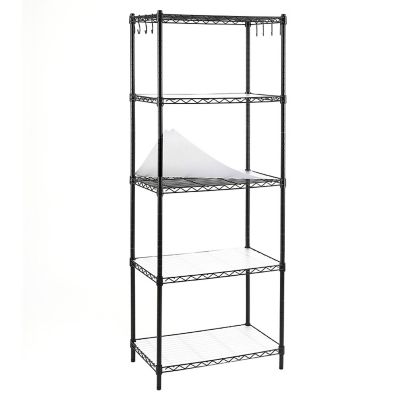
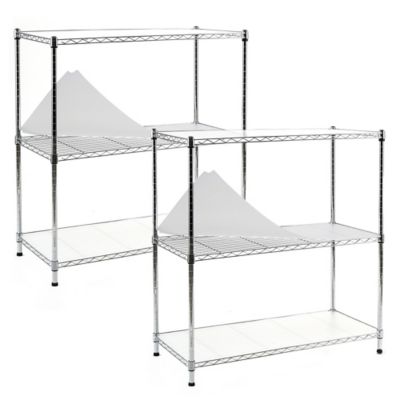
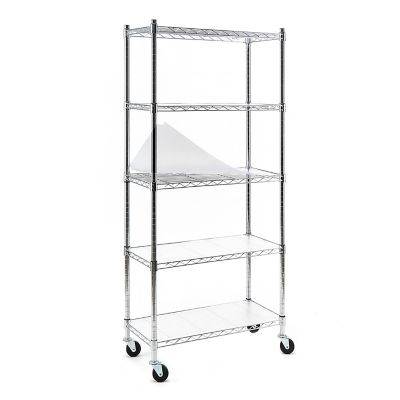
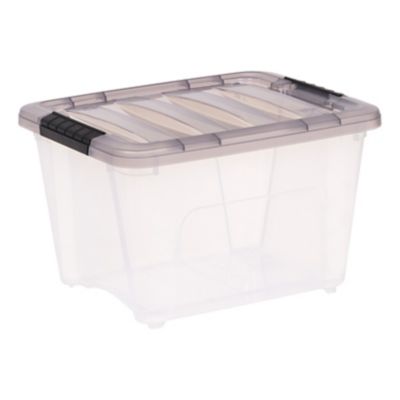
The best laundry room shelves match both the room and the job they need to do. Wood shelving brings a warm, familiar look that works well in a farmhouse-style laundry room, a finished basement or a mudroom near the back door. Look for sturdy construction and a finish suited to a room where damp clothes, splashes and changing humidity are part of the routine. Metal shelving is a practical choice for busy households, workshops and utility areas because it can provide dependable support for heavier containers, baskets and stacks of towels. Wire shelves allow air to circulate and are often handy where wet items need room to breathe, while solid shelves keep smaller bottles and loose supplies from tipping through gaps. Plastic shelving is lightweight, easy to wipe clean and useful for lighter loads or rental spaces where a simple storage solution is preferred. No matter the material, pay attention to weight capacity, shelf spacing, stability and the quality of the mounting hardware or supports. Heavy jugs and large containers should rest on shelves designed to hold their weight, with lighter items placed higher up where they are easier to arrange. Families with young children or pets may also want to keep detergent, bleach, pods and other household chemicals on a higher shelf or in a secured storage area. In a home with older adults, a well-planned shelf layout can reduce bending and reaching by keeping frequently used items at a comfortable height. For extra order, pair open shelving with
Laundry Room Storage Bins to group small supplies, clothespins, rags and seasonal items in one easy-to-label place.
A little planning can make laundry room storage shelves feel like part of the room instead of an afterthought. Keep the supplies used most often on the middle shelves, such as detergent, stain treatment and dryer accessories, and reserve the upper levels for backup supplies or items used less frequently. Baskets can hold mismatched socks waiting for their mate, while a wide shelf may give folded work clothes, dish towels and bedding a temporary landing spot before they are carried to the rest of the house. In a farm home, shelves near the mudroom may also hold washable gloves, pet towels, grooming cloths and cleaning rags used after chores. In a smaller apartment, a slim unit or wall-mounted design can provide needed storage without taking up valuable floor space. During the warmer seasons, open shelving can keep outdoor towels, washable picnic linens and garden clothes close to the washer; as cooler weather settles in, the same space can store heavier blankets, coats waiting for a wash and extra household linens. These shelves can also make a thoughtful housewarming gift for someone moving into a first home, setting up a laundry area after a remodel or trying to bring order to a busy family utility room. Choose a style that suits the available space, then build the storage around real habits rather than an idealized laundry day. When every bottle, basket and folded item has a sensible place, sorting a muddy load from the barn or catching up on a pile of towels feels more manageable, and the whole room is easier to clean, maintain and enjoy.