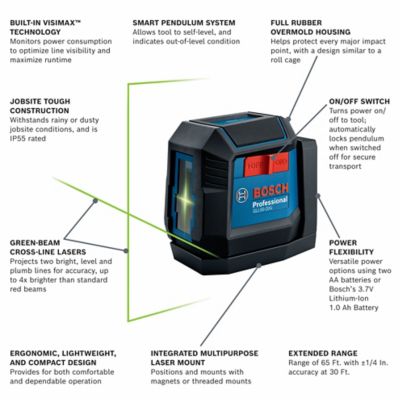
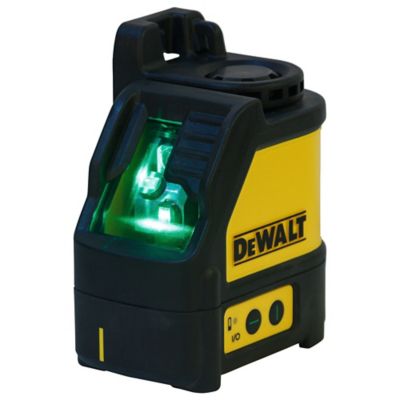
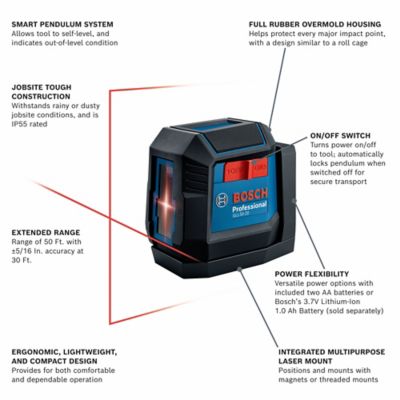
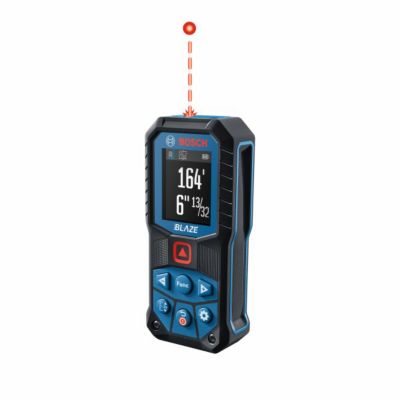
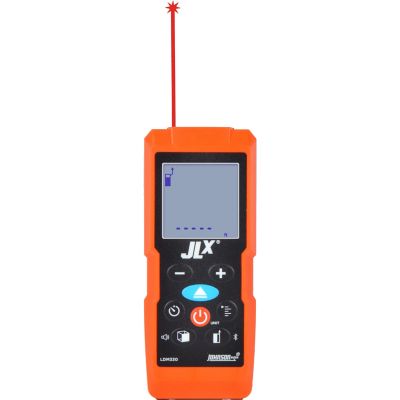
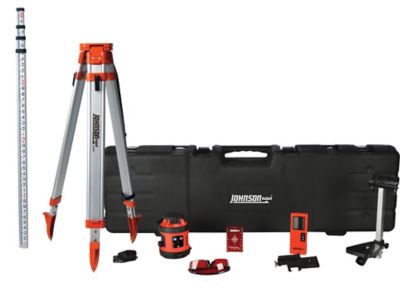
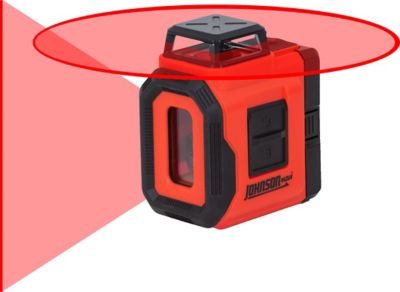
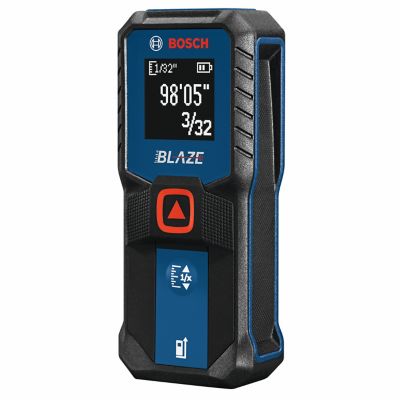
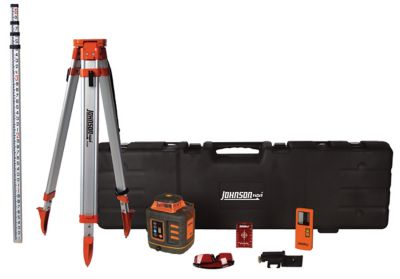
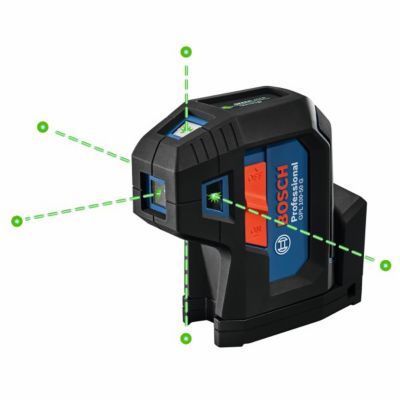
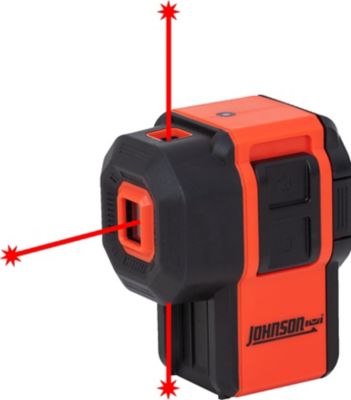
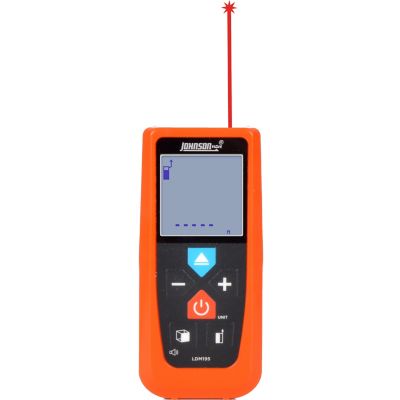
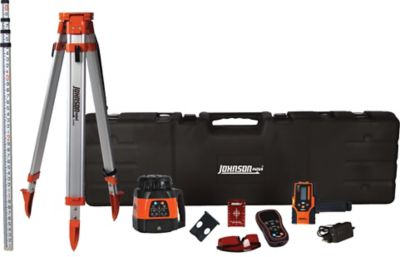
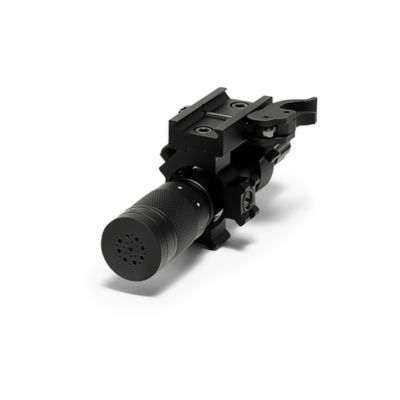
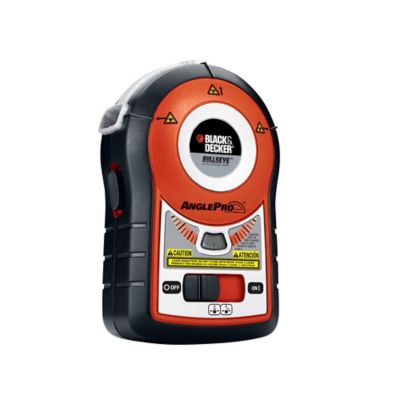
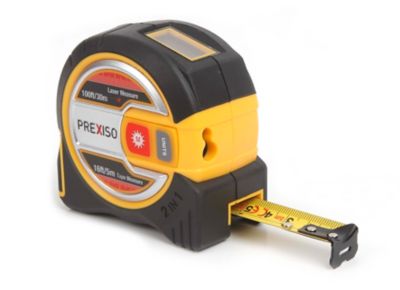
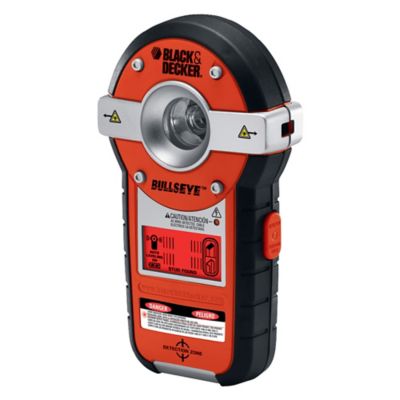
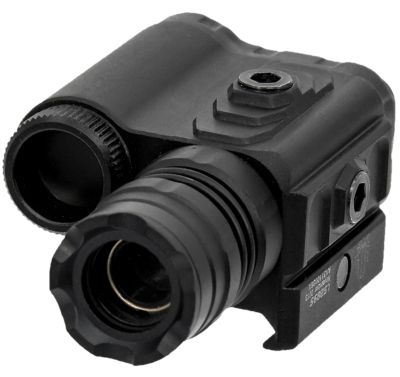
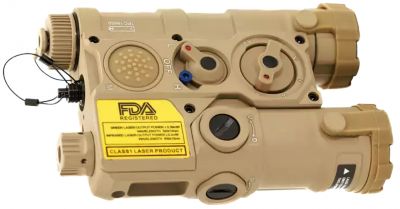
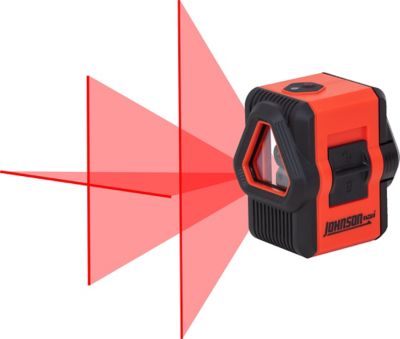
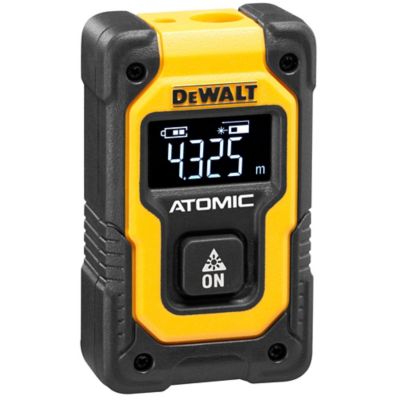
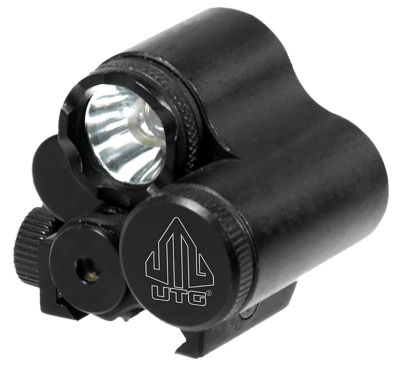
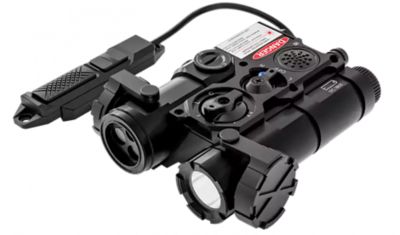
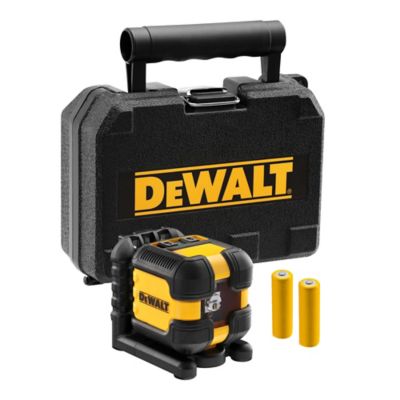
Laser tools bring a clean, easy-to-follow reference line to jobs that can be tough to judge by eye. Whether you’re setting fence posts, hanging cabinets in the shop, lining up a run of pipe, checking the grade on a small building project or measuring a room before materials are ordered, these tools help take the guesswork out of layout and alignment. A laser level may project a straight horizontal, vertical or cross-line reference, while a distance-measuring laser can quickly estimate the span from one surface to another without stretching out a tape in a tight space. For larger properties, construction work and equipment maintenance, alignment lasers can help check whether pulleys, shafts, wheels or other components are sitting in the right relationship to one another. Red and green beam options are available across different tool styles, with visibility affected by lighting, distance and the surface receiving the beam. A green beam is often easier to see in brighter conditions, while a red beam can be a practical choice for many indoor and shaded jobs. When comparing laser tools, think first about the work you do most often. Look at the working range, accuracy rating, leveling method, mounting options, battery life and whether the tool is designed for indoor use, outdoor use or both. Self-leveling models can save time when you’re working on a surface that is close to level but not perfect, while manual-leveling options may suit simpler layouts and occasional projects. A sturdy housing, clear controls and a dependable locking feature matter when a tool rides around in a pickup, gets used in a dusty barn or comes out of the toolbox on uneven ground. Weather resistance can be useful for fence lines, outbuildings and exterior repairs, though the tool should always be used within the limits listed by the manufacturer. A tripod mount or compatible bracket can make a big difference during longer layout jobs, especially when both hands are needed to mark, fasten or adjust materials. Keep in mind that a laser shows a reference; it does not replace careful measurements, a solid base or a good understanding of the job. Check your starting point, confirm the beam at more than one location and mark the work clearly before cutting or drilling. Store the tool in its case, protect the lens from dust and wipe it with a soft cloth rather than a rough shop rag that could scratch the optical window. If you’re rounding out a work area, laser tools can pair well with tape measures, levels, squares, clamps and
Aluminum Tools for a practical setup that covers everyday repairs and bigger projects alike.
Laser tools are useful for homeowners, farmers, ranchers, contractors, maintenance crews, cabinet installers, electricians, plumbers and do-it-yourselfers who want straighter results with less back-and-forth. On a farm, a visible reference line can help keep a row of posts looking tidy across a long stretch of ground, guide the placement of shelves in a feed room or help square up a small repair before siding and trim go on. In a workshop, a distance tool can make quick work of checking the space between a workbench and wall, while an alignment tool can help spot a crooked setup before wear shows up in belts, pulleys or other moving parts. During the warmer part of the year, laser tools can be handy for outdoor projects such as decks, gates, raised beds, fence repairs and storage sheds; when cooler weather settles in, they can move indoors for flooring, drywall, shelving, picture hanging and shop organization. They also make thoughtful gifts for someone setting up a first home, building a new workshop or taking on more maintenance around a property. A beginner may appreciate a straightforward tool with simple controls and a bright, easy-to-follow line, while an experienced tradesperson may look for greater range, multiple reference lines, finer accuracy or a mount that fits an established setup. If the tool will be shared by several people, choose features that are easy to understand at a glance and a design that can stand up to regular transport. Safety deserves attention every time a laser is in use. Never aim a beam at a person, vehicle, aircraft or reflective surface, and keep the beam away from eyes. Read the safety markings and instructions, use eye protection when the surrounding work calls for it and make sure everyone nearby knows when the tool is operating. Lasers can be especially helpful in low-light interiors, but a dim room should not be treated as a reason to ignore safe handling. Before buying, consider the size of the area, the amount of light, the kind of surfaces involved and whether you need a simple reference line or a tool suited to more detailed alignment work. With the right match, a laser tool can turn a crooked, measure-twice-and-still-wonder kind of task into a steady process: set the reference, confirm the measurement, make the mark and get on with the job.