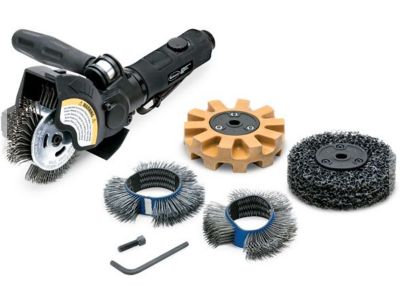
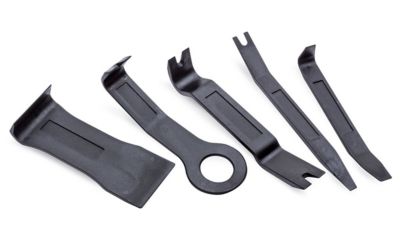
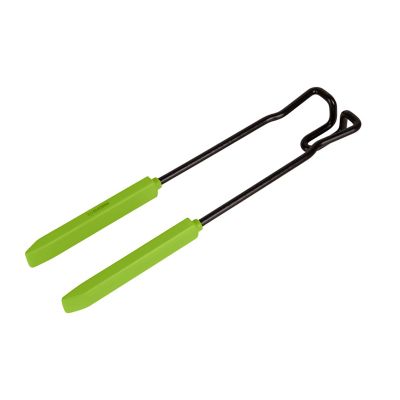
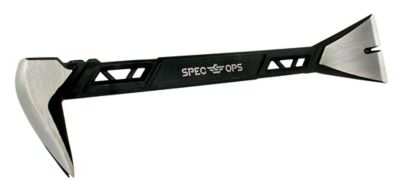
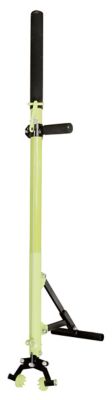
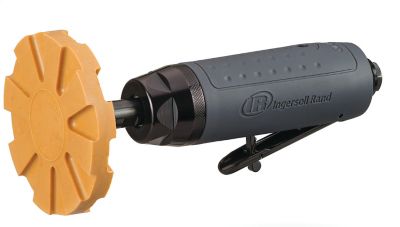
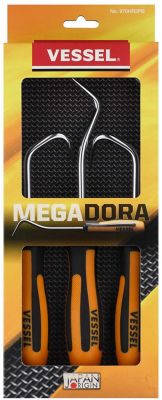
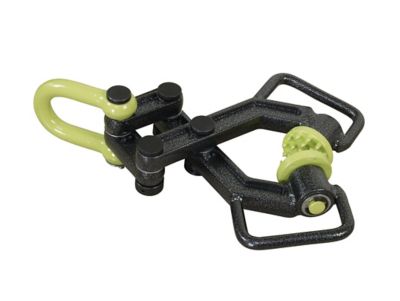
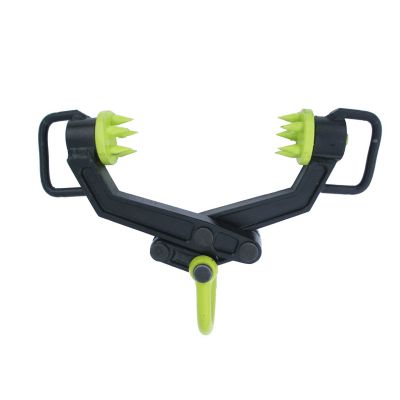
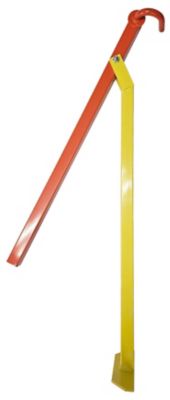
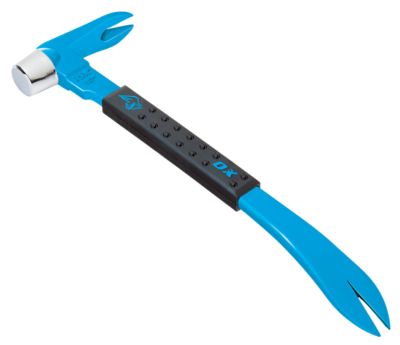
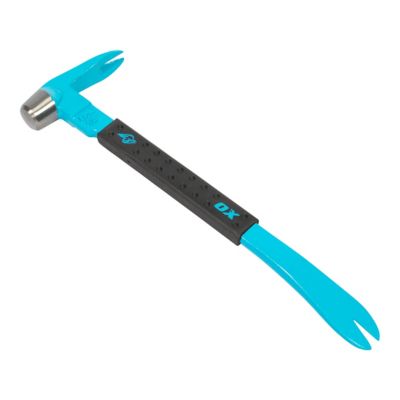
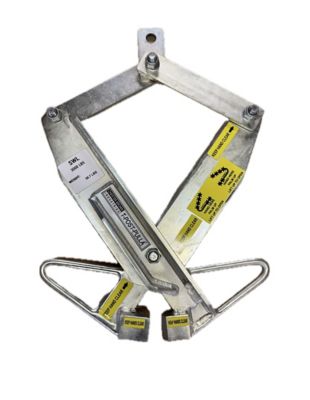
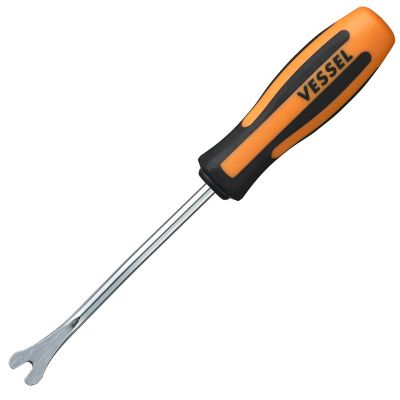
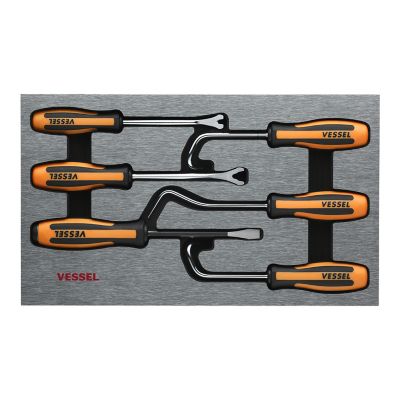
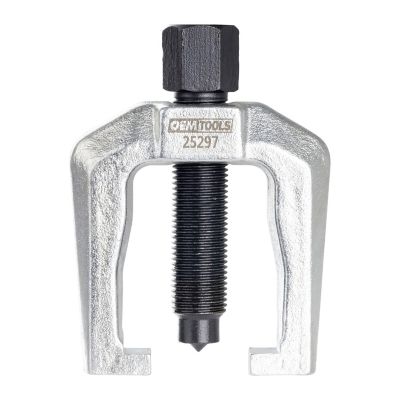
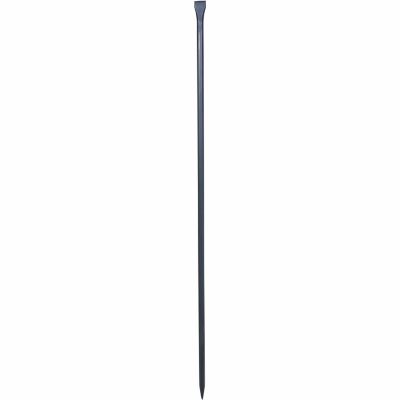
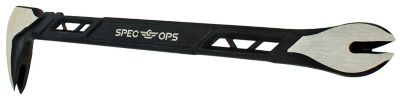
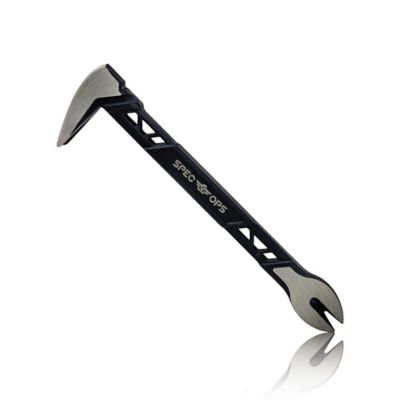
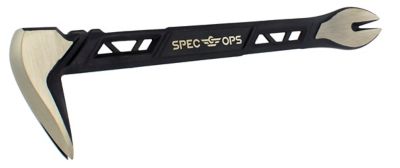
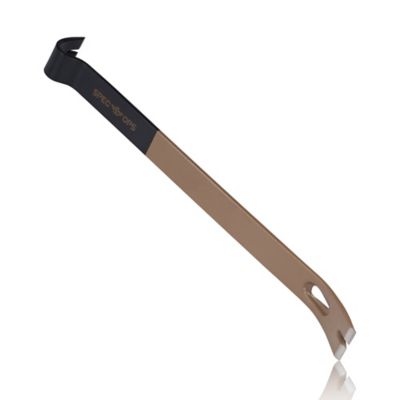
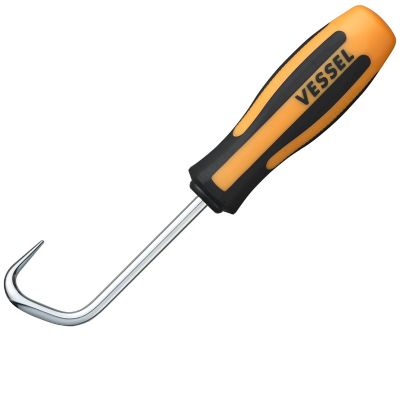
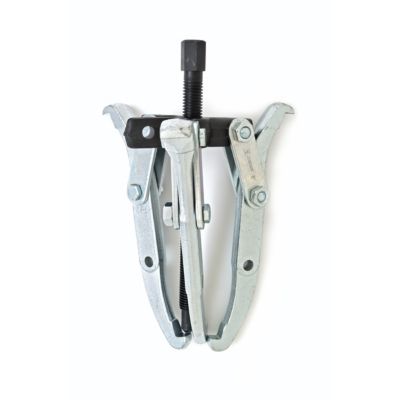
Removal tools help take apart, lift out, pull free, and separate stubborn parts without turning a simple repair into a pile of broken clips, scratched trim, or bent hardware. The right tool depends on what needs to come off and how tightly it is attached. Trim and molding tools are shaped like slim wedges, and many are made from nylon or other composite materials that can slip behind interior panels, door coverings, dashboard pieces, and exterior molding with less risk of marring painted or plastic surfaces. Clip lifters and fastener pliers have forked ends that fit beneath the heads of push pins, rivets, and other retainers, making them useful for automotive repairs, equipment panels, and light body work. Picks, spudgers, and thin opening tools are suited to small housings and adhesive-sealed parts, while seal pullers and mechanical pullers provide the extra leverage needed for gaskets, bearings, gears, steering components, and other tight-fitting pieces. A removal tool set can be handy for a wide range of jobs, but a specialty tool is often the better choice when a part is delicate, recessed, unusually shaped, or under heavy tension. Before adding a tool to your cart, consider the material you will be working around, the amount of force required, the available clearance, and whether the tool needs to resist oil, grease, heat, or repeated shop use. A broad, smooth edge is helpful around painted surfaces, while a hardened metal tip may be more suitable for rugged mechanical work. Handles should feel secure in a gloved hand, and textured grips can make a difference when cold weather, grease, or dust makes small parts harder to hold.
These tools are useful for do-it-yourself vehicle owners, farm and ranch hands, equipment operators, maintenance crews, hobby mechanics, and anyone who prefers to handle routine repairs in the shop or garage. A trim tool may help remove a truck door panel before replacing a speaker or tracing a wiring issue. A clip lifter can save time when taking off a fender liner, grille, bumper cover, or access panel, especially when a plastic fastener has been pressed in tight through years of road grit. For machinery and outdoor equipment, pullers and seal-removal tools can help with maintenance tasks where prying with a screwdriver could damage a shaft, housing, gasket surface, or surrounding part. Smaller opening tools are useful for electronics repair and household maintenance, but delicate casings still call for a light touch. Work slowly, keep the tool aligned with the fastener or seam, and use steady pressure instead of twisting hard from one side. If a panel will not release, check for a hidden screw, clip, adhesive strip, or locking tab before applying more force. It also helps to keep removed hardware in a tray or small container and to replace worn retainers rather than forcing damaged ones back into place. Eye protection is a smart choice when clips, springs, seals, or metal parts may snap free, and gloves can help protect hands from sharp edges without taking away too much feel. In a busy farm shop, a well-organized set kept near the workbench can save a surprising amount of time; it is easier to reach for the proper lifter or pry tool than to improvise with a pocketknife and spend the rest of the afternoon repairing the damage.
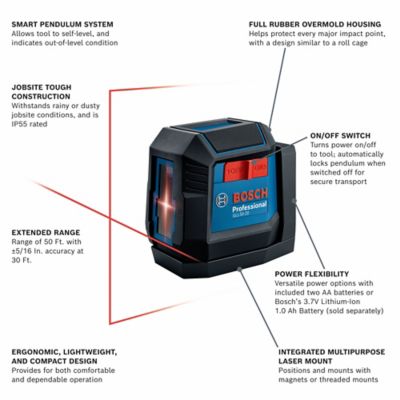
Removal tools can make a practical gift for a new vehicle owner, a neighbor building a home shop, a student learning small-engine repair, or an experienced mechanic who is always looking for a better way to handle a stubborn part. They also pair well with broader workshop essentials, storage solutions, and measuring equipment. For jobs that depend on straight lines, accurate placement, or checking alignment before and after a repair,
Laser Tools can complement a well-rounded tool collection. When choosing removal tools as a gift, think about the recipient’s usual projects rather than simply selecting the largest assortment. Someone who works on cars may appreciate trim wedges, clip lifters, and fastener pliers, while a small-engine tinkerer may get more use from picks, seal pullers, and compact mechanical pullers. A sturdy case or organized storage tray is worth considering too, since narrow tools are easy to misplace beneath a workbench or in the back of a service truck. During the cooler months, removal tools are especially useful for bringing equipment indoors for inspection, replacing worn seals, refreshing vehicle interiors, and catching small problems before they become harder to handle in freezing weather. Look for clear sizing, durable construction, comfortable grips, and tool ends that match the materials you work with most often. Whether the job involves separating a dashboard panel, freeing a fastener, lifting an old gasket, or pulling a tightly seated mechanical part, having the proper removal tool on hand helps protect the work surface, preserve reusable components, and keep the repair moving at a steady pace.