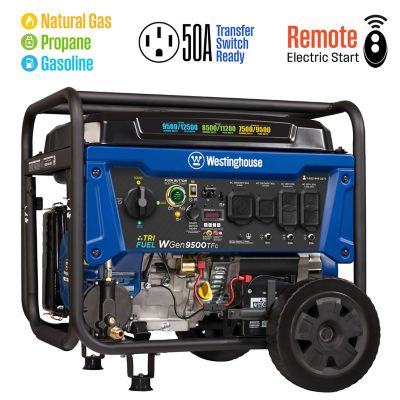
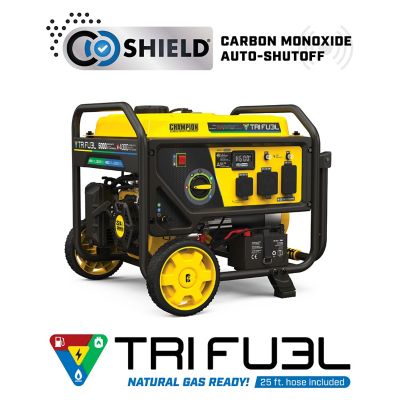
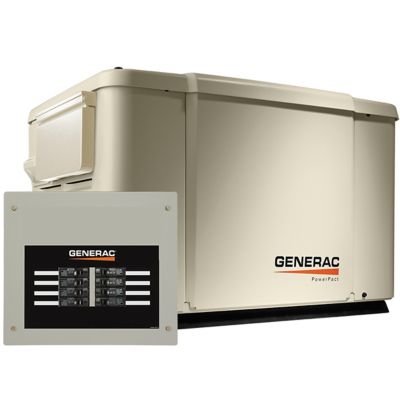
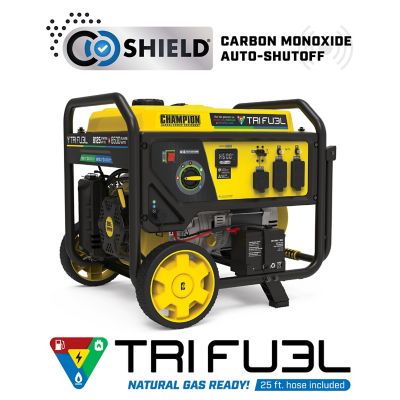
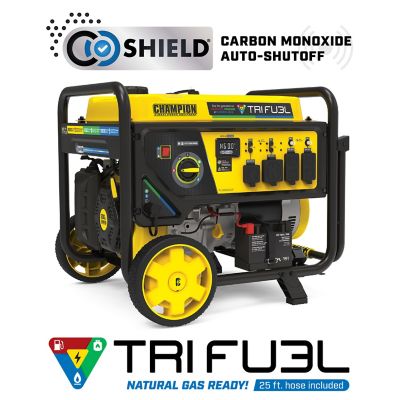
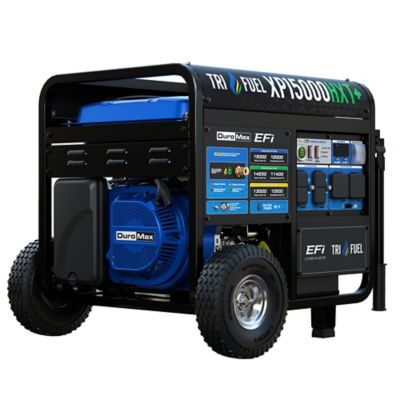
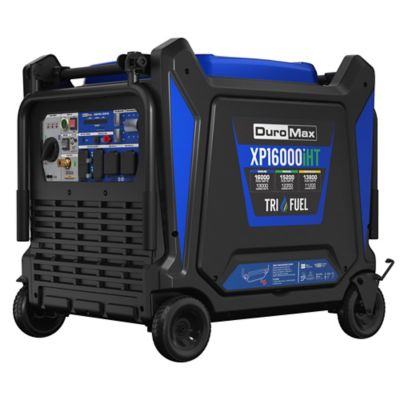
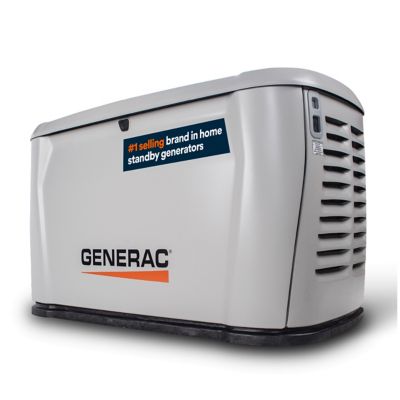
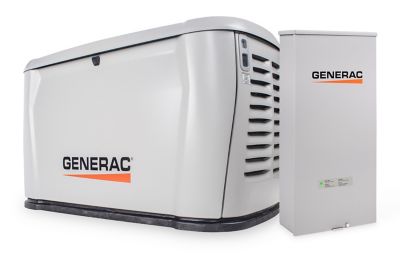
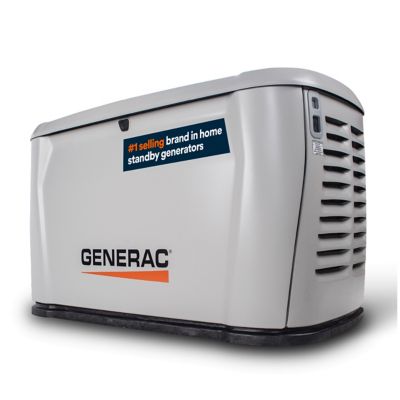
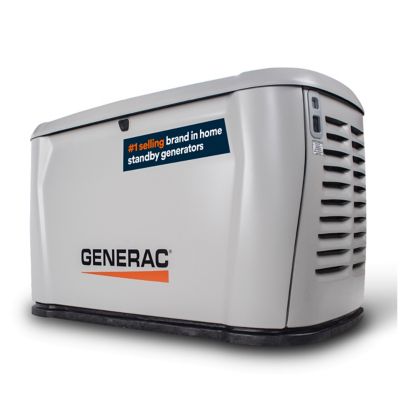
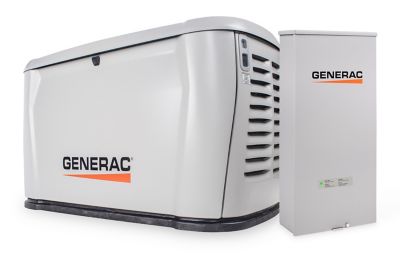
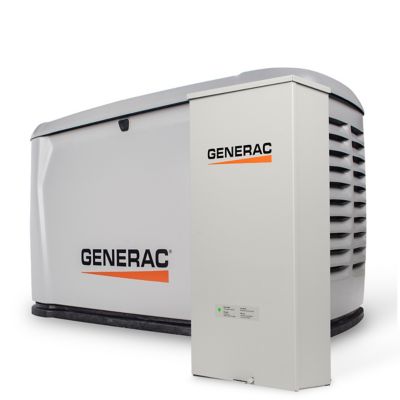
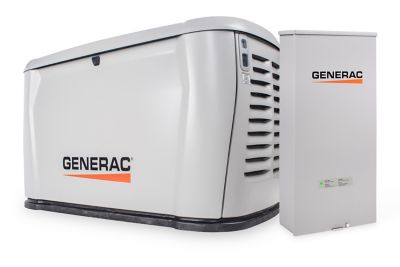
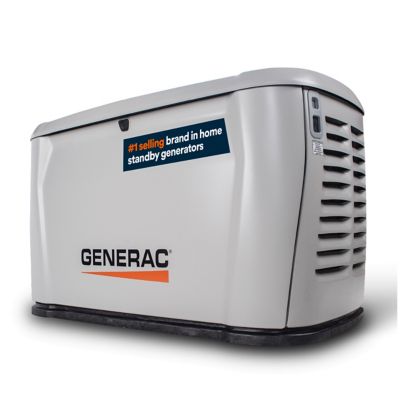
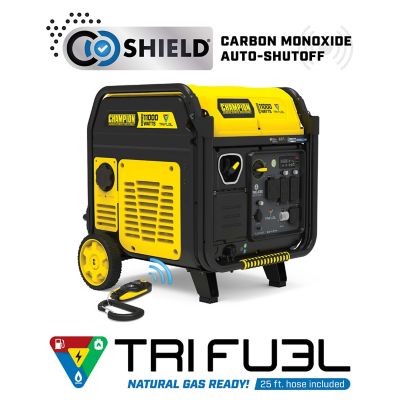
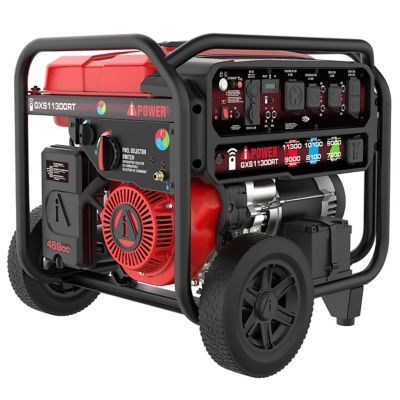
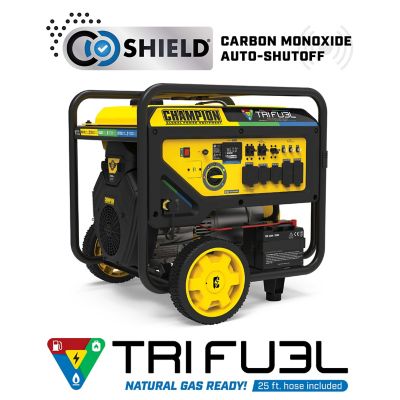
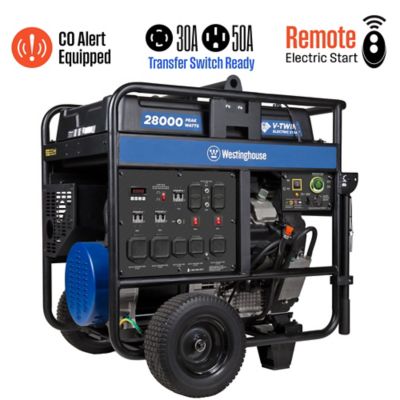
Natural gas generators turn fuel from a connected gas service into electrical power, helping keep essential equipment running when utility electricity goes out. For a household, that might mean keeping the refrigerator, freezer, lights and well pump working. On an acreage or small farm, backup power can also support selected barn circuits, water systems and other equipment that daily chores depend on. The main appeal is the fuel connection: a properly connected natural gas generator draws from the gas line rather than a tank that needs repeated refilling. Operation still depends on an uninterrupted gas supply, proper maintenance and the generator’s operating limits, so a pipeline connection does not mean unlimited power under every condition. This category includes permanently installed standby generators and portable generators specifically rated to run on natural gas. Standby systems generally pair with a compatible automatic transfer switch that detects a utility outage, transfers designated electrical loads to generator power and returns them to utility service after power comes back. Natural gas-capable portable generators offer a different approach, with manual setup and operation requirements that vary by model and connection method. Some generators accept several fuel types, but gasoline or propane compatibility alone does not establish natural gas compatibility. Fuel ratings, connection requirements and electrical output all matter when comparing the options. For properties with existing natural gas service, these generators can make backup power part of the regular household setup without setting aside space for gasoline cans or arranging propane deliveries for that generator. For properties without gas service, a natural gas generator may not be a practical fit. The right match comes down to the work the generator needs to handle, the property’s fuel infrastructure and how much involvement the owner wants during an outage. Keeping a few essential circuits going is a different job from supporting most of a home, and the equipment should reflect that difference.
Permanently installed standby generators make sense for homeowners who want backup power to start automatically, including when nobody is home to bring out equipment. A
Natural Gas Whole House Generator system can support a broad range of household loads when its capacity, transfer equipment and fuel supply are properly matched to the property. “Whole house” does not mean every appliance can necessarily run at once. A well pump starting while a clothes dryer, electric range and other large appliances are operating can place a very different demand on the system than lights and a refrigerator alone. Generator capacity is commonly expressed in kilowatts, and both steady operating demand and the extra power certain motors need at startup belong in that comparison. Square footage by itself does not tell the full story; two homes of the same size can have very different electrical needs. Load-management equipment can help some systems handle those demands by prioritizing selected circuits instead of allowing every large load to start together. Portable natural gas generators suit owners who are comfortable with a more hands-on backup arrangement and have an approved way to connect both fuel and electrical loads. Wheels and handles can help with positioning, but operating weight, storage space and access to the approved outdoor operating location still deserve attention. Rated output can differ by fuel type, so the natural gas rating is the relevant figure when that is the planned fuel. Gas-line size, pressure and meter capacity also need professional evaluation, especially when the same service supplies a water heater, range or other gas appliances. A licensed electrician and qualified gas professional can assess the full installation, including transfer equipment, permits and local requirements. A properly installed transfer switch or approved interlock arrangement, where permitted, prevents dangerous backfeeding into utility lines. These details matter just as much as the number on the generator’s rating label, whether the goal is protecting a freezer full of meat or keeping household water flowing.
Construction, placement and upkeep help determine how well a natural gas generator fits everyday life on the property. Standby units commonly have steel or aluminum enclosures, with finishes intended to help protect the equipment from corrosion. Panel access, clearance around service points and the condition of the enclosure all affect long-term ownership. A permanent unit needs a suitable base and a location that meets manufacturer instructions and local rules, with proper clearance from buildings, openings, vegetation and other equipment. Sound level matters, too, especially near a bedroom, neighboring property or a spot where the family spends time outside. Published sound ratings are most useful when the measurement distance and operating conditions are comparable. Portable units need a safe outdoor operating space as well as a secure storage spot when not running. They must never operate inside a home, garage, barn or other enclosed or partly enclosed space, even with doors open. Operate portable generators at least 20 feet from the home, with exhaust directed away from doors, windows and vents, and follow all manufacturer requirements. Standby placement follows its own installation instructions and applicable codes. Working carbon monoxide alarms inside occupied buildings remain an important safeguard with any fuel-burning backup equipment. Routine care generally includes engine oil and filter service, air-filter checks, spark-plug attention and inspection of electrical and fuel connections according to the manufacturer’s schedule. Electric-start systems also depend on battery condition, and standby exercise cycles do not replace scheduled maintenance. Access to service records, replacement maintenance parts and qualified support helps keep ownership manageable over time. For a household balancing chores, work and family schedules, the best fit is equipment that matches the essential loads without making operation needlessly complicated. Whether backup power is meant for a few important circuits or a larger share of the property, a properly planned natural gas generator setup helps keep an electrical outage from bringing the whole day’s work to a halt.