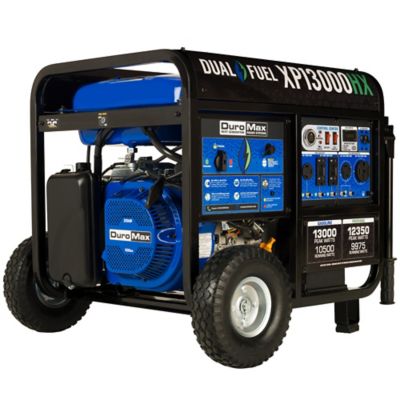
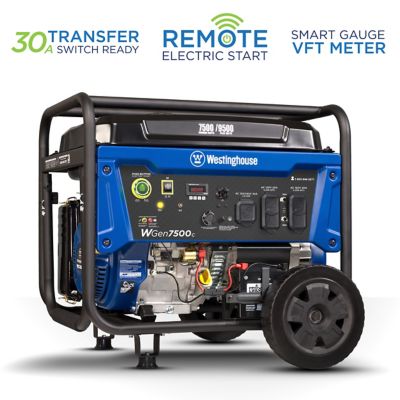
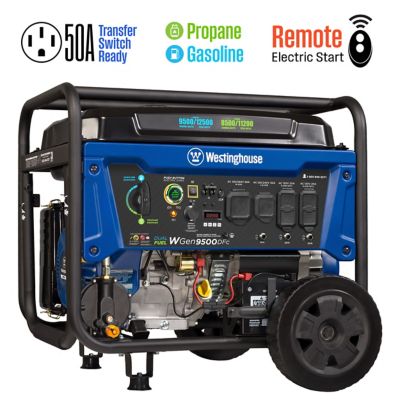
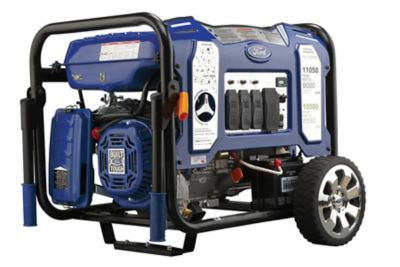
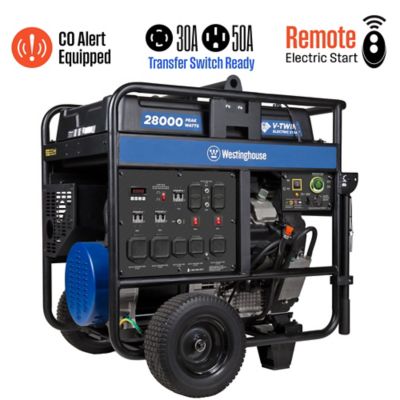
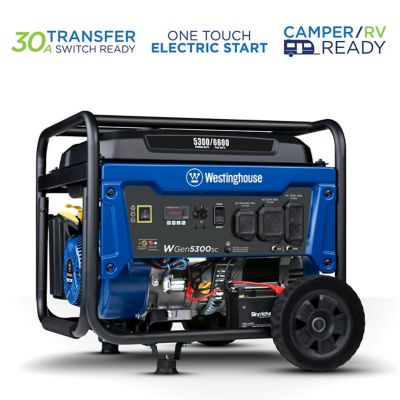
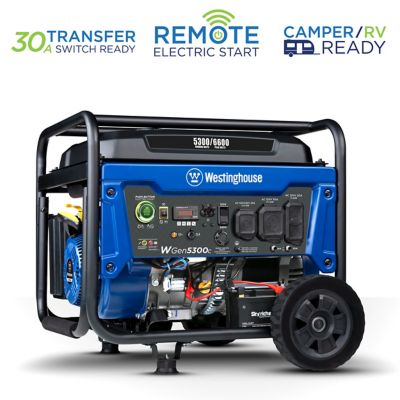
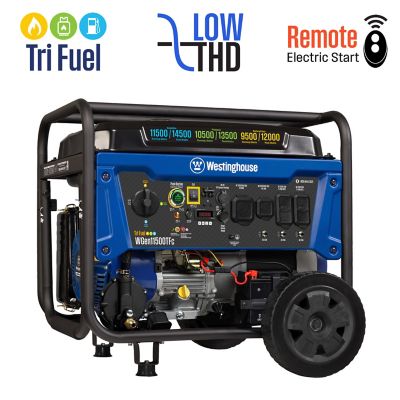
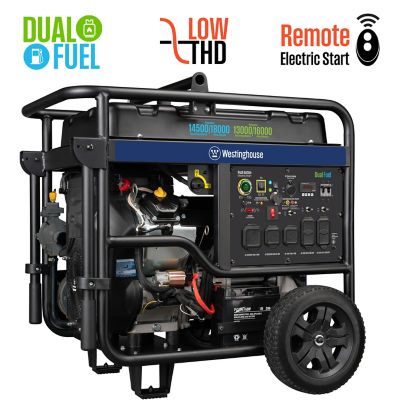
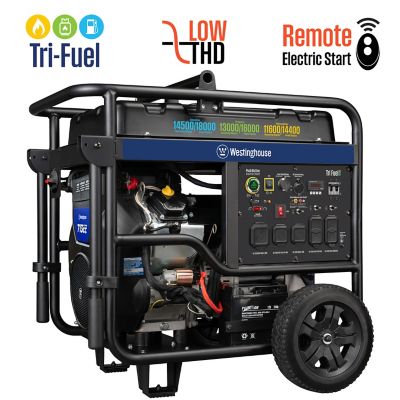
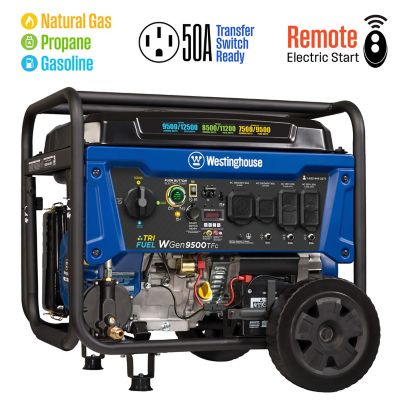
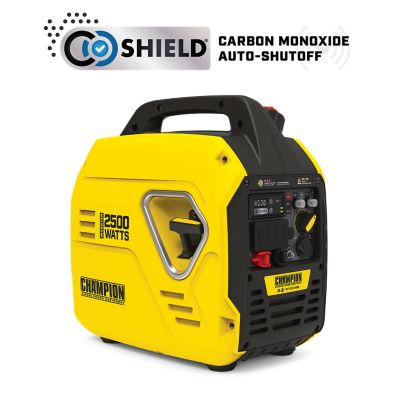
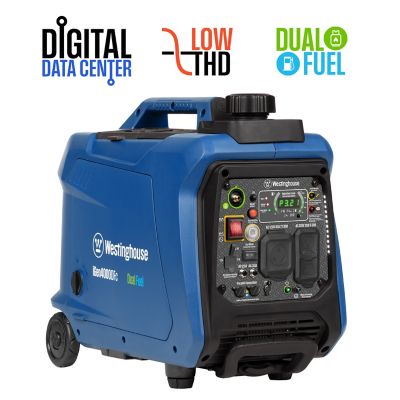
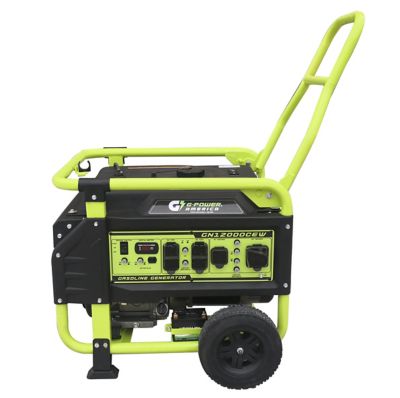
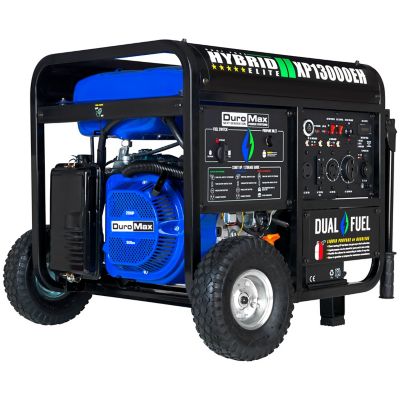
240V generators are built for the kind of dependable backup power that goes beyond keeping a few lights and phone chargers running. These generators typically provide both 120V and 240V split-phase power, giving you standard household outlets for everyday devices along with the higher-voltage output needed by many large appliances, shop tools and farm equipment. Depending on the model, output may range from around 5,000 watts to well over 15,000 watts, with starting or surge wattage usually higher than the continuous running rating. That extra starting power matters for equipment with electric motors, such as well pumps, air conditioners, furnaces, refrigerators, freezers and compressors. A 240V generator may also be used with a properly installed manual transfer switch to supply selected circuits through a home's electrical panel during an outage. On a rural property, that can make a real difference when the power is out and the well, sump pump, livestock waterer or milking equipment still needs to operate. Before choosing a generator, make a list of the equipment you want to run at the same time and check each item's running and starting wattage. Add the starting wattage of the largest motor-driven appliance to the running wattage of the other loads you plan to use together. This helps prevent buying a unit that looks powerful on paper but struggles when several demanding appliances start at once. Also check the generator's outlet layout, including 120V receptacles and 30A or 50A twist-lock connections, as well as whether it includes the type of connection required by your transfer equipment. For additional high-capacity options and compatible connection styles, you can also browse
50 Amp Generators. The right setup depends on your home's wiring, the equipment on your property and the way you expect to use backup power, so an electrician should install any transfer switch or whole-panel connection. Never connect a portable generator directly to a wall outlet, and always operate it outdoors, well away from doors, windows and vents, where exhaust fumes cannot collect inside the home, barn or workshop.
Fuel choice is another important part of selecting a 240V generator. Gasoline models are common and convenient when you have fresh fuel stored safely in an approved container, while dual-fuel models can run on gasoline or propane for added flexibility during a long outage. Tri-fuel models may also use natural gas where a suitable household or property connection is available. Propane stores for longer periods than gasoline and can be handy when the generator is kept for emergency use between storms, but fuel availability, cold-weather performance and local storage requirements are worth considering before you buy. A generator with an electric start can be easier to use when temperatures drop or when the unit is needed by someone who does not want to pull a recoil cord, although a charged battery is essential. Look for a low-oil shutdown feature, fuel gauge, hour meter, sturdy wheels and folding handles if the generator will be moved around the property. Noise level can matter, too. A construction site or open farm lot may allow more distance from the generator, while a unit used near a home, campground or neighbor's property calls for thoughtful placement and attention to the manufacturer's sound rating. Inverter-style generators can provide cleaner, more stable power for sensitive electronics, but not every inverter model is intended for the same heavy loads, so verify its 240V capacity and total wattage rather than relying on the word “inverter” alone. Portability is relative with high-output equipment; many 240V generators are heavy enough to require two people, a ramp or a utility cart for safe movement. Keep the unit on a firm, level surface, protect it from rain and snow with an approved operating cover or sheltered location that still allows plenty of airflow, and keep cords rated for the load and outdoor conditions. During the cooler months, it helps to inspect the battery, check the oil and confirm that the chosen fuel will be ready before severe weather interrupts a trip to town. A short test run under load can reveal a weak battery, stale fuel, damaged cord or tripped breaker before the generator is needed in the dark.
A 240V generator can serve homeowners, farmers, ranchers, workshop owners, contractors and anyone who depends on electrical equipment away from the utility line. It can provide temporary power for a barn or outbuilding, keep a chest freezer cold after an outage, support a well pump, or run selected tools at a jobsite where permanent service has not yet been connected. It may also be a thoughtful gift for a new homeowner, someone moving to a rural property or a family member who spends weekends building, repairing and maintaining equipment, though the recipient's electrical needs should guide the choice more than appearance or price. For emergency preparedness, it is useful to think in terms of essential circuits instead of trying to power every appliance in the house. A refrigerator, freezer, well pump, furnace blower, internet equipment and a few lights may be a practical combination, while an electric range, central air conditioner or water heater can require much more capacity. A licensed electrician can help identify which circuits are safe to back up and whether the home's service and transfer equipment are compatible with the generator's output. Read the owner's manual before the first use, ground the unit as directed, keep children and pets away from hot surfaces, and allow the engine to cool before refueling. Store gasoline and propane according to local rules, inspect cords for cuts or loose ends, and run the generator periodically so its battery, fuel system and engine stay ready. Keep carbon monoxide alarms working inside the home and in nearby sleeping areas, but remember that an alarm is no substitute for outdoor operation and proper clearance. With the right wattage, fuel arrangement, outlets and connection plan, a 240V generator becomes a practical piece of property equipment—ready to help keep essential systems going when a storm, equipment failure or remote work project puts dependable electricity to the test.