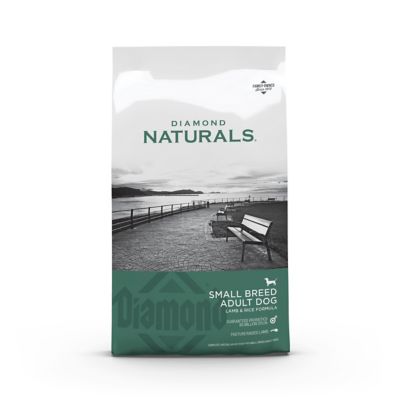
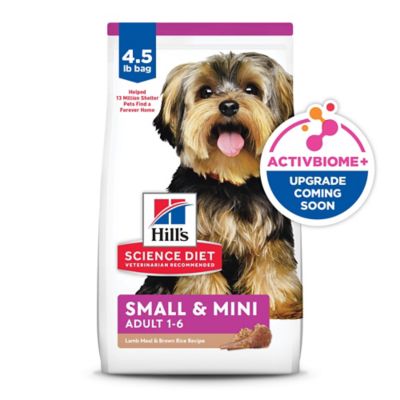
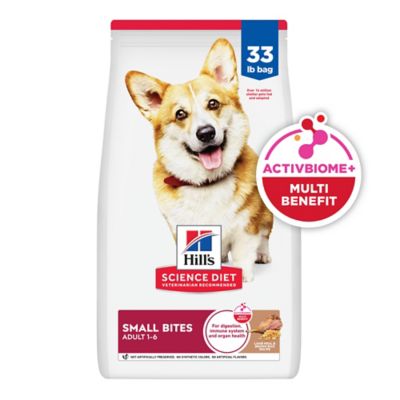
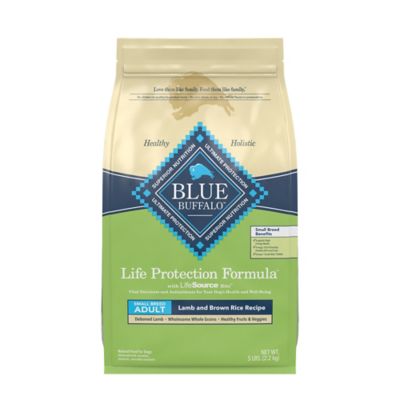
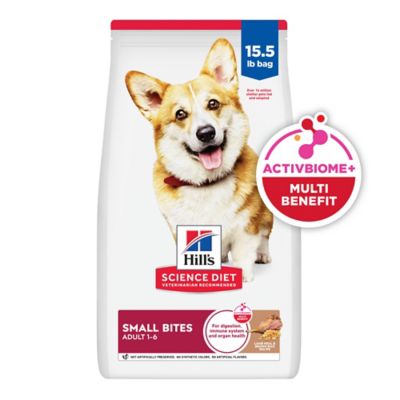
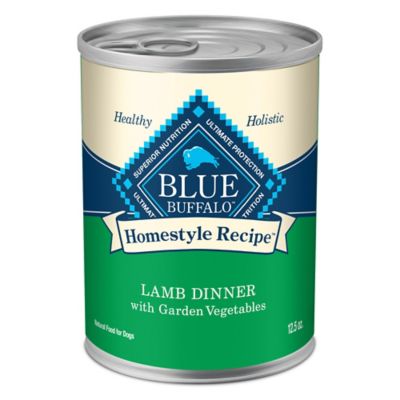
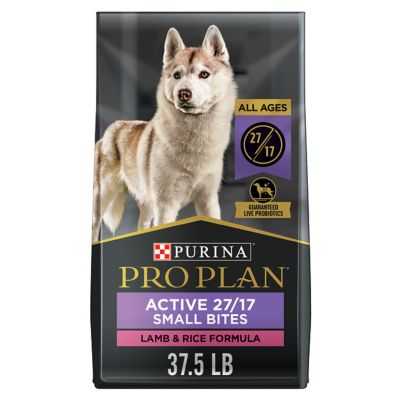
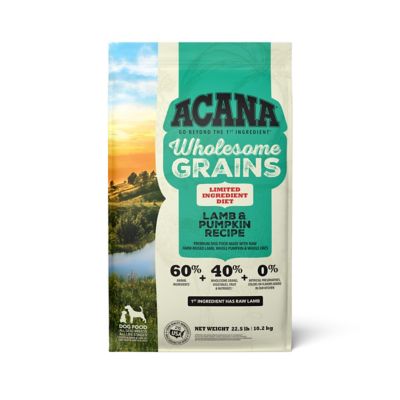
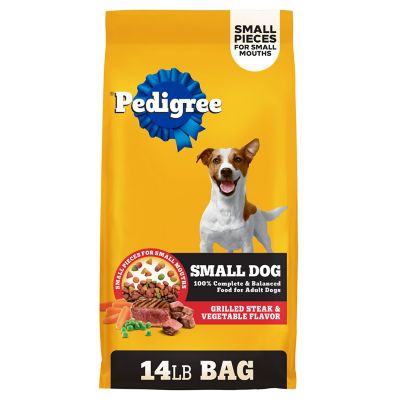
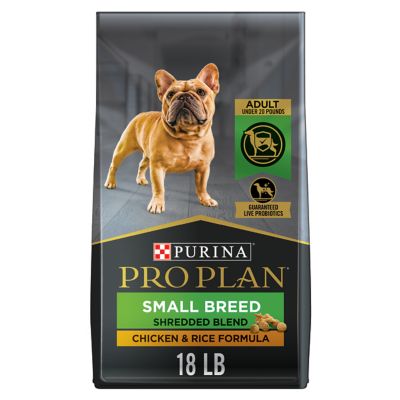
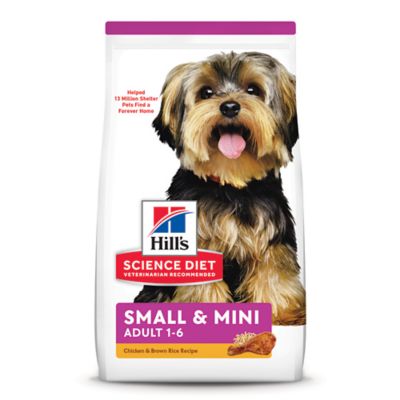
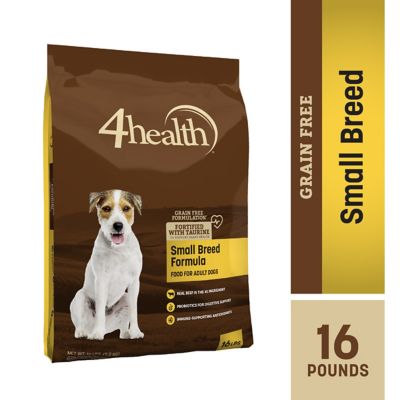
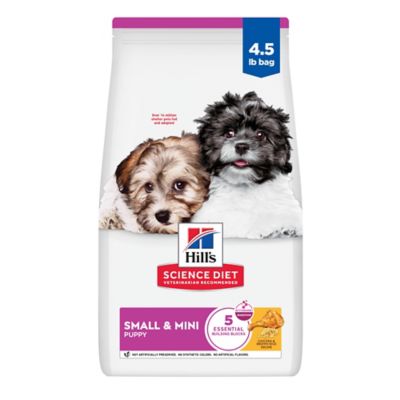
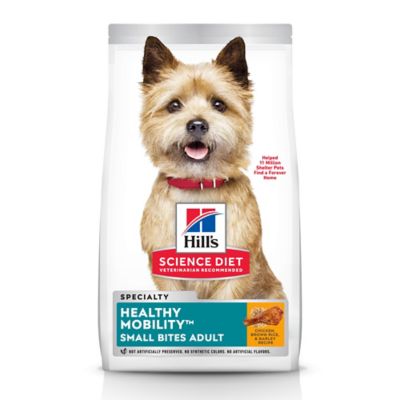
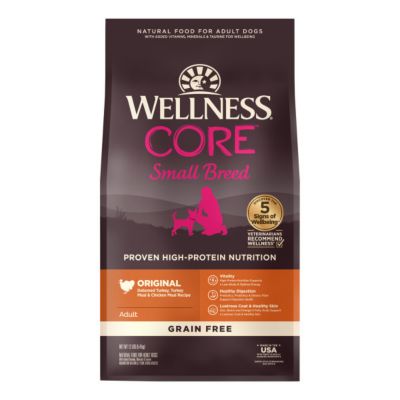
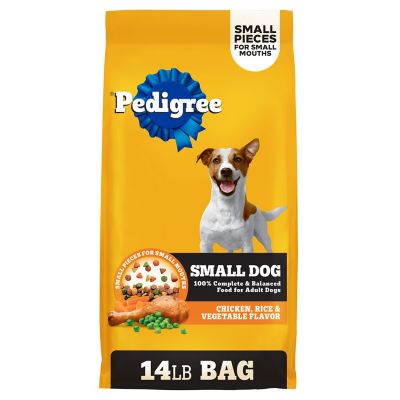
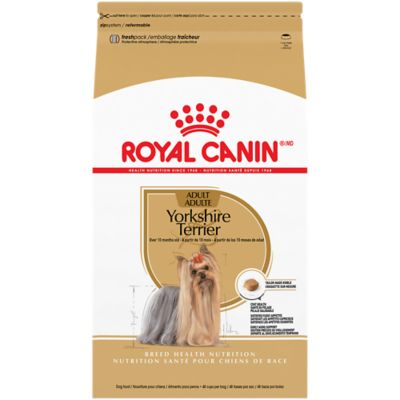
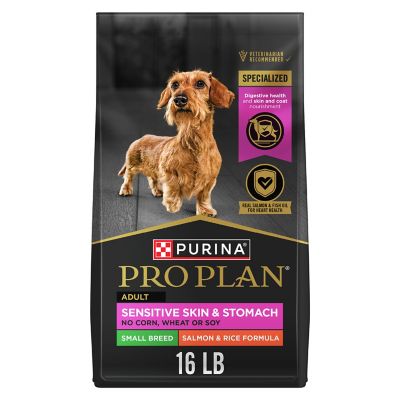
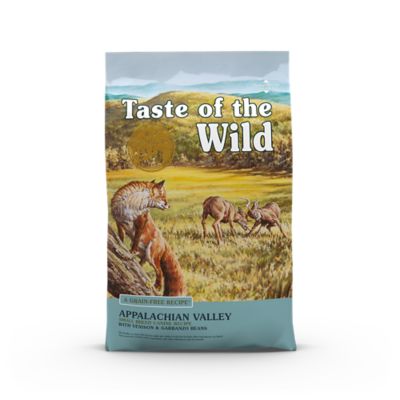
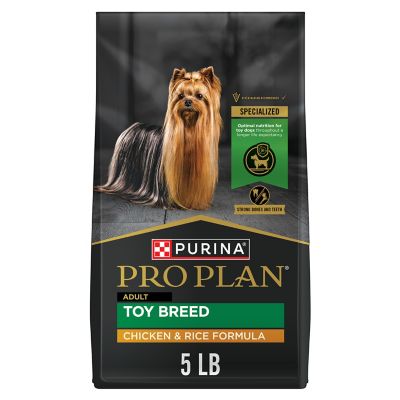
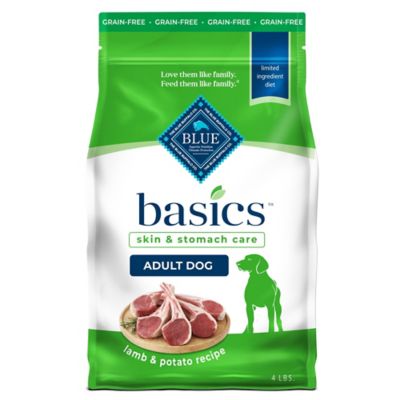
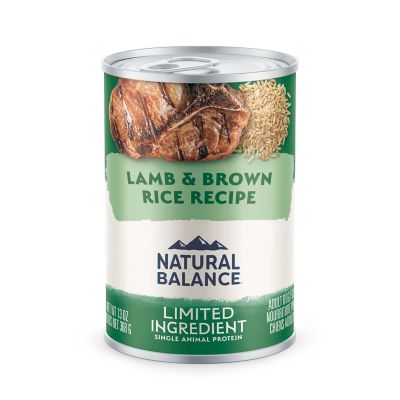
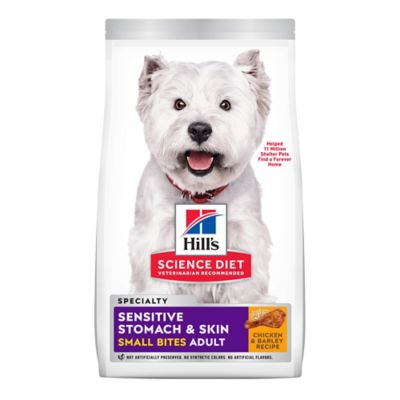
Small breed lamb dog food is made with the needs of little dogs in mind, pairing lamb as a primary animal protein with a compact kibble size and a nutrient-dense recipe. Small and toy breeds often have quick metabolisms, busy little bodies and limited room in their bowls, so a food that delivers balanced nutrition in smaller portions can be a practical choice. Look for a formula labeled for the correct life stage—puppy, adult or senior—and check the feeding directions for your dog’s weight, age and activity level. Real lamb may be a useful alternative for households looking to rotate proteins or avoid recipes built around chicken or beef, although lamb is not automatically suitable for every dog with food allergies or sensitivities. If your dog has a diagnosed allergy, ongoing stomach trouble or another health concern, it is best to check with a veterinarian before changing food. Ingredient lists can help you compare options, while the guaranteed analysis gives additional information about protein, fat, fiber and moisture. Many small breed recipes combine lamb with grains such as rice or oatmeal, while others use different carbohydrate sources or limited ingredient panels. There is no single recipe that fits every dog, so consider your pet’s age, chewing habits, body condition, activity level and history with different ingredients. For a little dog that spends the day following you around the barn, riding along in the truck or patrolling the backyard, a complete and balanced food can help provide steady fuel for everyday adventures. During the warmer months, keep the bag sealed in a cool, dry place away from direct sun, and store it where curious pets, barn cats and other critters cannot get into it. As the weather turns cooler and routines shift indoors, the same careful storage helps preserve freshness and keeps feeding time predictable.
Kibble size matters more than many dog owners expect. Small breed lamb dog food commonly uses extra-small pieces that fit petite mouths more comfortably and may be easier for a tiny dog to pick up and chew than standard-size kibble. Crunchy pieces can also support everyday dental care by giving dogs something firm to chew, but they are not a substitute for brushing, professional cleanings or veterinary dental care. For dogs that gulp meals, a slow feeder or dividing the daily amount into two or more meals may help create a calmer routine. When bringing home a new bag, switch gradually over about a week by mixing increasing amounts of the new food with the old food. A slow change can be gentler on digestion and makes it easier to notice how your dog responds to the recipe. Follow the package directions as a starting point, then adjust with guidance from your veterinarian if your dog gains or loses weight, since feeding needs vary between a compact lap dog and a high-energy small breed that never seems to stop moving. Fresh water should always be available. Lamb-based food can be a thoughtful addition to a new-pet welcome basket, a practical gift for a friend caring for a small dog, or a useful item for someone preparing for a puppy’s arrival, though it is wise to confirm the dog’s current diet and preferred protein before gifting a full-size bag. Keep food and treats within the same daily calorie plan, especially for smaller dogs, since extra bites can add up quickly. If your household includes more than one dog, feed each pet according to its own size and life stage; a small adult dog may need a different recipe from a growing puppy or a senior dog. Owners shopping across life stages can also browse
Large Breed Senior Dog Food for another category of dog nutrition. With the right portion, a comfortable kibble size, dependable storage and a recipe that agrees with your dog, lamb dog food for small breeds can fit neatly into the daily rhythm of porch naps, muddy paws, country walks and supper by the back door.