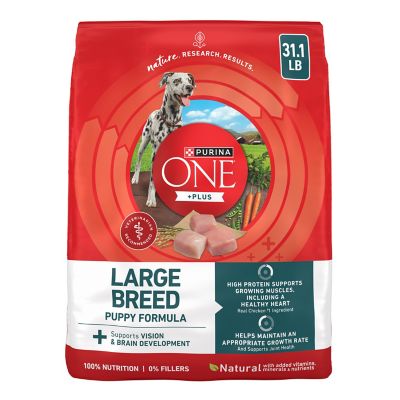
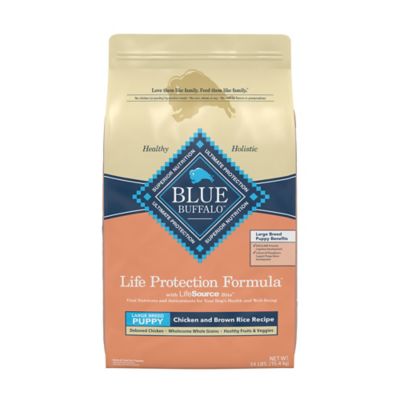
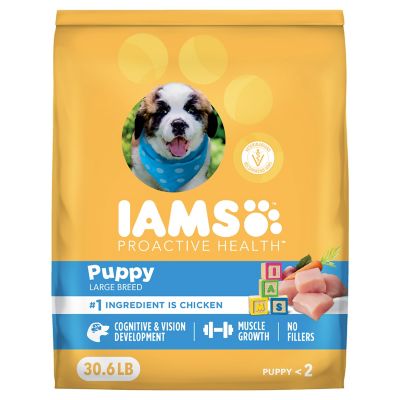
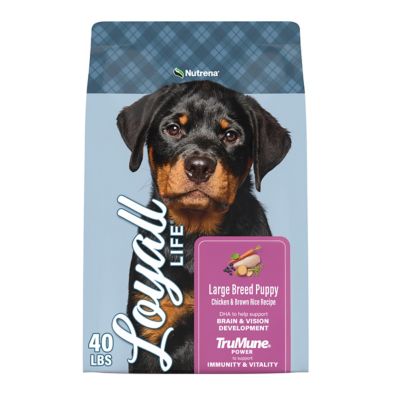
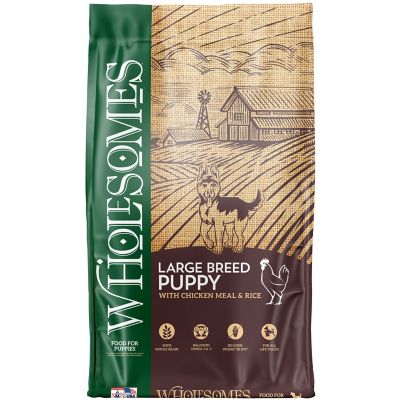
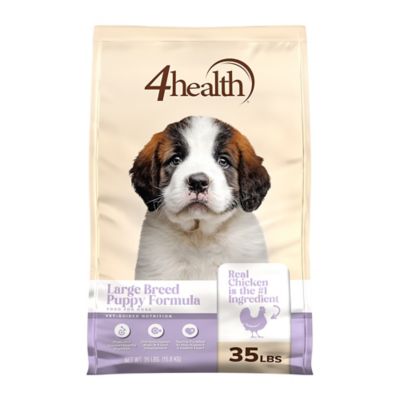
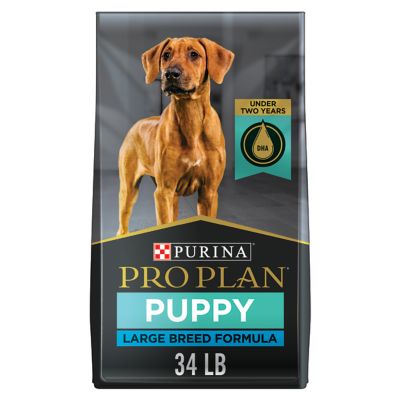
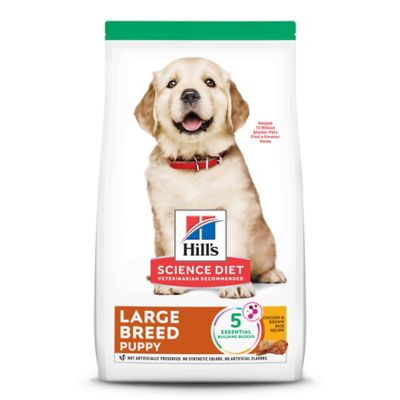
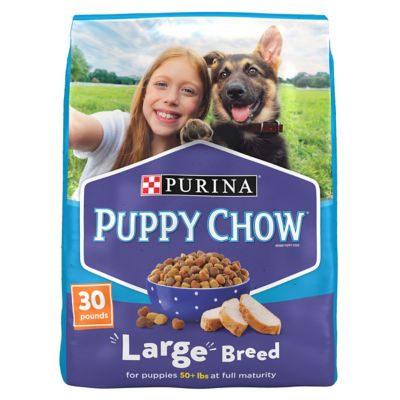
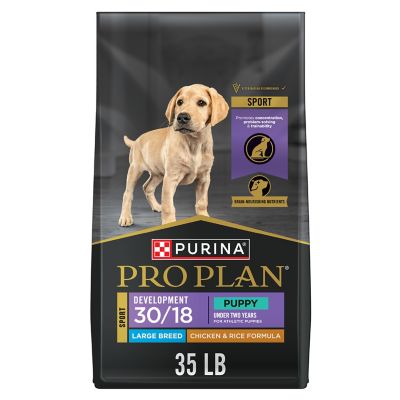
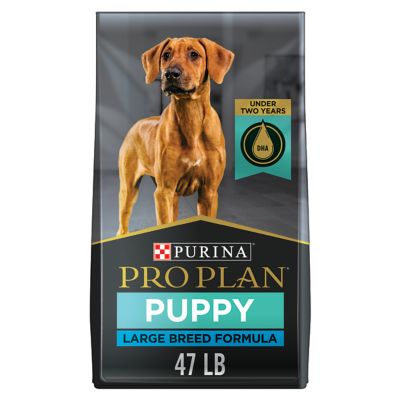
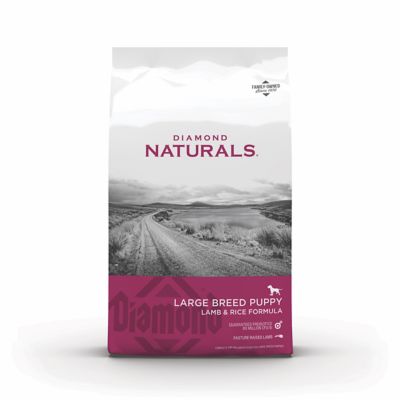
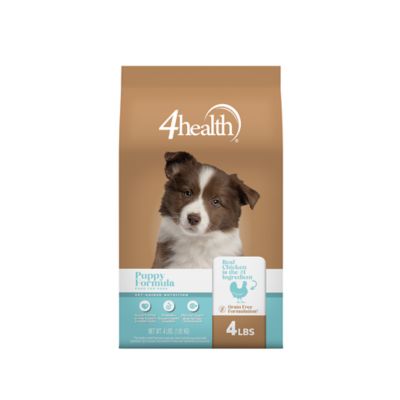
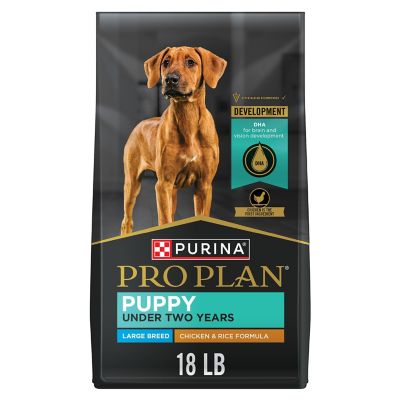
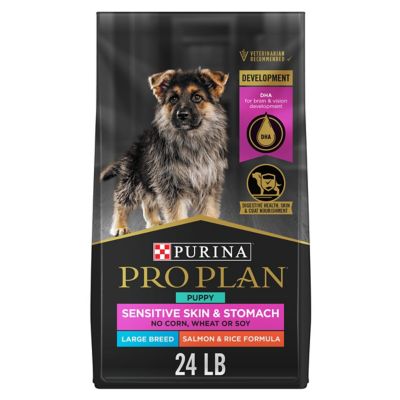
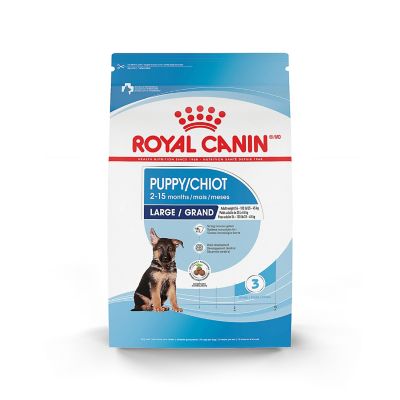
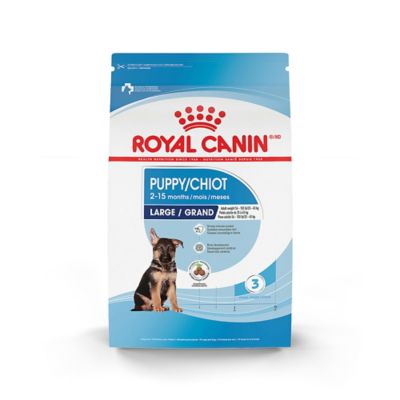
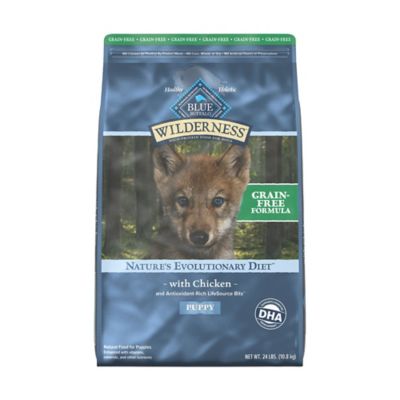
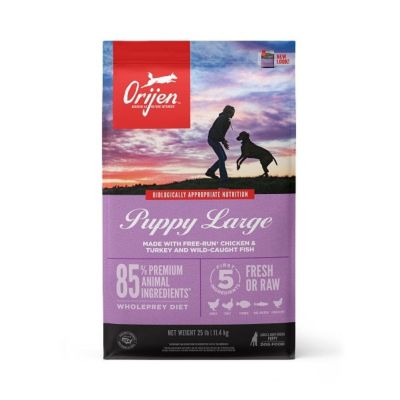
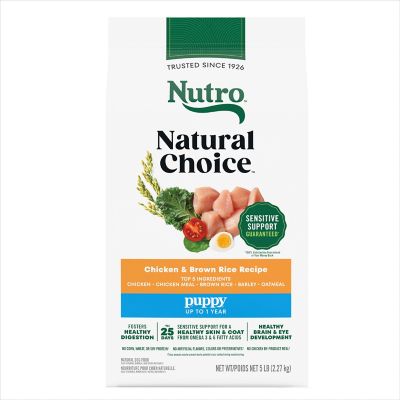
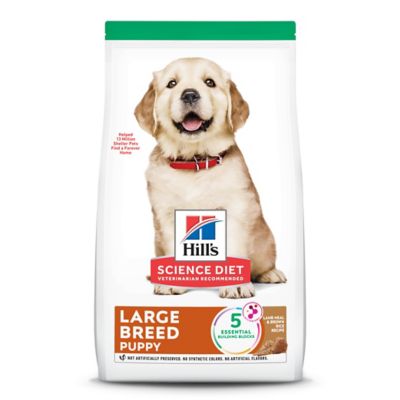
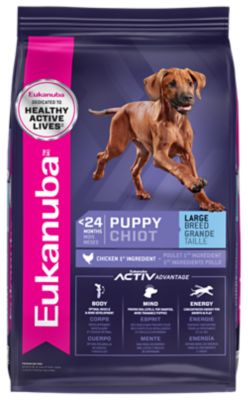
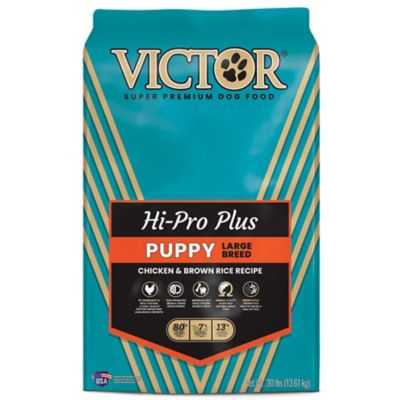
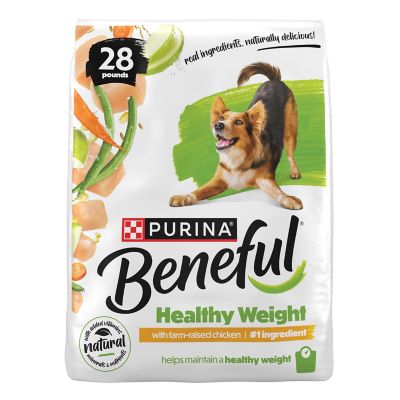
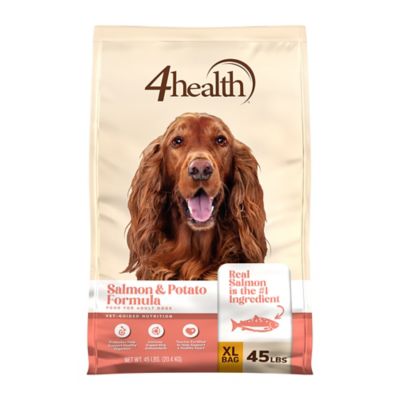
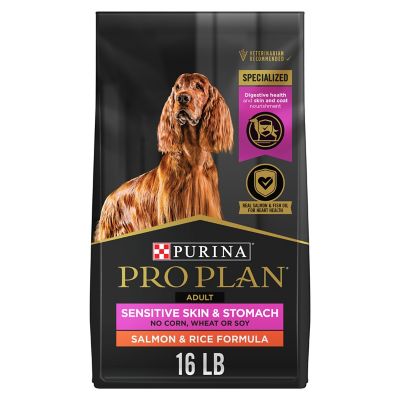
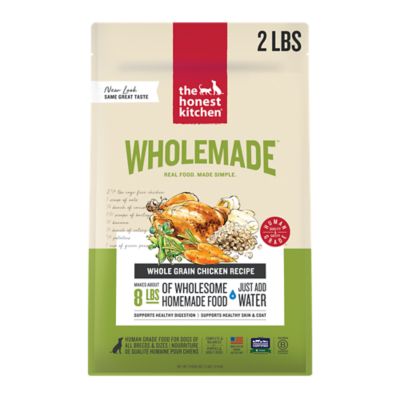
Big paws, a lanky frame, and an appetite that seems to grow overnight are familiar parts of raising a large-breed puppy. Puppy food for large breed dogs is formulated to support steady growth with balanced calcium and phosphorus, appropriate calories, and nutrients for developing muscles, bones, and other tissues. The goal is not to make a puppy grow as fast as possible; it is to nourish that growth while helping keep the pup at a healthy weight. Dogs expected to reach roughly 50 pounds or more are often described as large breeds, though pet food labeling has a more specific benchmark: the Association of American Feed Control Officials, or AAFCO, identifies large-size dogs as those weighing 70 pounds or more as adults. That distinction makes the nutritional adequacy statement on the package especially helpful. A food intended for a growing large-size dog should state that it meets nutritional needs for growth, including growth of dogs expected to weigh 70 pounds or more as adults. A statement that excludes growth of large-size dogs means the food is not intended for those puppies. These formulas suit the early days of a future farm companion, a family dog stretching out beside the kitchen table, or a big mixed-breed pup whose adult size is still an estimate. Protein supplies building blocks for growing tissues, fat provides energy and essential fatty acids, and a balanced blend of vitamins and minerals supports normal development. Some formulas also contain DHA, an omega-3 fatty acid that supports brain and vision development. Controlled mineral levels matter because extra calcium is not a shortcut to stronger bones. Adding calcium or other mineral supplements to a complete and balanced puppy food can upset its nutrient balance unless a veterinarian recommends them. For a puppy with oversized feet and plenty of growing ahead, the right nutritional fit comes from the whole formula, not a single ingredient or a bold claim on the front of the bag.
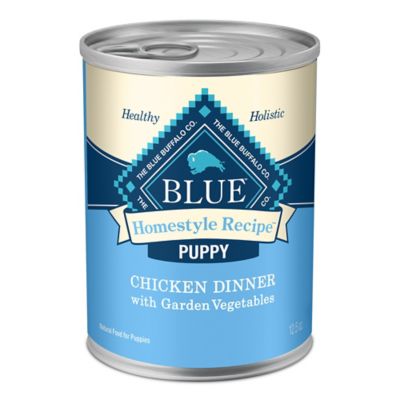
Large-breed puppy food comes in dry and wet forms, with differences in texture, moisture, calorie concentration, and serving size that can fit different feeding routines. Dry kibble is straightforward to portion for regular meals, and a measured share of the daily ration can double as a reward during short training sessions. Kibble shape and size vary, so a piece that suits one puppy may be awkward for another to pick up and chew. A large mouth does not necessarily mean a young pup is ready for the biggest pieces. Wet puppy food brings a softer texture and more moisture to the bowl, which may appeal to some puppies, but it still needs an appropriate nutritional adequacy statement if it supplies the main diet. When dry and wet foods share the bowl, both count toward the daily calorie total. Ingredient lists may include animal proteins, grains such as rice or oats, fats, fiber sources, and added vitamins and minerals. Each contributes to the finished food in a different way, and the order of ingredients alone does not establish whether a recipe meets a puppy’s needs. Grain-inclusive and grain-free recipes are not interchangeable answers to every feeding concern; grain-free food is not automatically easier to digest or a better match for a sensitive puppy. Ongoing itching, loose stools, or repeated stomach trouble deserves a conversation with a veterinarian rather than a string of quick food changes. For everyday feeding, calorie information per cup or can helps explain why equal-looking portions of two foods may deliver different amounts of energy. Bag weight and container size also matter for a household’s routine: a growing puppy may eat a substantial amount, but the package should still fit clean, dry storage and be finished within the maker’s recommended period after opening. Clear feeding directions, storage instructions, and nutrient information make it easier to compare formulas beyond the picture on the package.
A good feeding routine puts large-breed puppy nutrition to work through ordinary days, from a quick trip into the yard at sunrise to settling down after an evening walk. Package feeding charts offer a starting point, with portions adjusted for age, expected adult size, body condition, and the food’s calorie content. A puppy roaming the property under supervision may have different energy needs from one spending more time indoors during the cooler months, but a big appetite alone does not mean a larger serving is needed. A lean body condition generally means ribs that can be felt without a thick layer of fat, a visible waist from above, and an abdominal tuck from the side, allowing for differences in breed and coat. Regular weigh-ins and veterinary checkups help put those observations in context as the puppy grows. Measured meals make intake easier to track than a bowl kept full all day, and younger puppies often need their daily food divided into several meals. Treats and table scraps can shift the nutritional balance and add calories quickly; treats generally should account for no more than 10 percent of daily calories. When changing foods, a gradual transition over about seven to ten days often helps limit digestive upset, though some puppies need more time. Food care matters, too. Dry food stays best in its original bag, closed tightly and placed inside a clean container in a cool, dry spot away from barn dampness, garage heat, and pests. Keep the package’s lot information and best-by date, wash bowls regularly, and refrigerate opened wet food according to its label. Fresh drinking water belongs within easy reach throughout the day. As growth slows, the next step is an adult formula rather than an automatic switch on the first birthday. Many large and giant breeds mature later than smaller dogs, so the timing depends on breed, growth pattern, and veterinary advice. The
Large Breed Dog Food page offers a related place to explore food for the years ahead, while the puppy stage calls for nutrition matched to the growing dog at your feet.