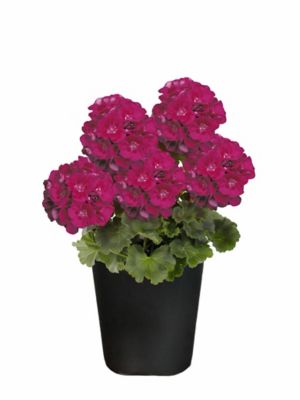
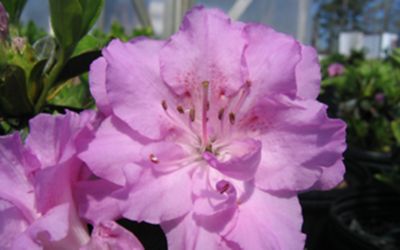
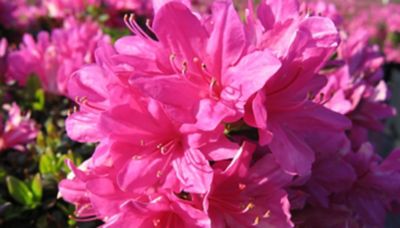
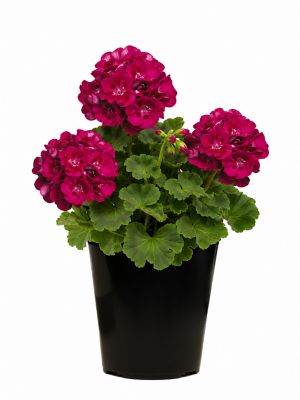
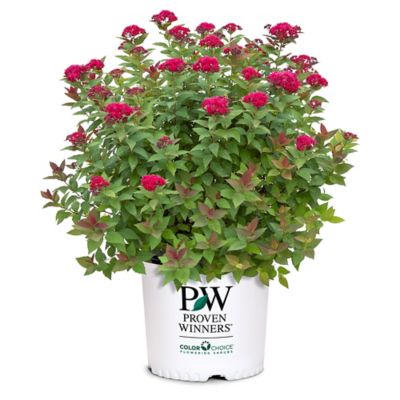
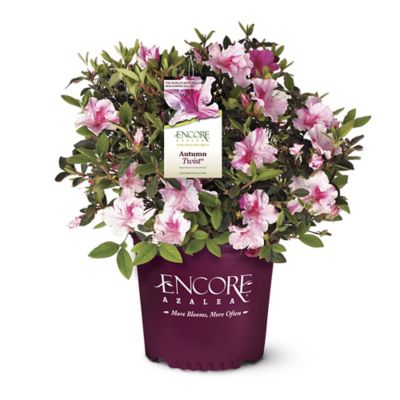
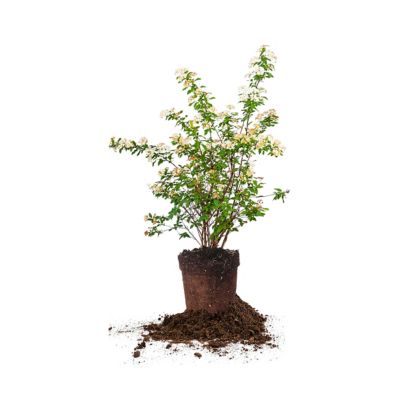
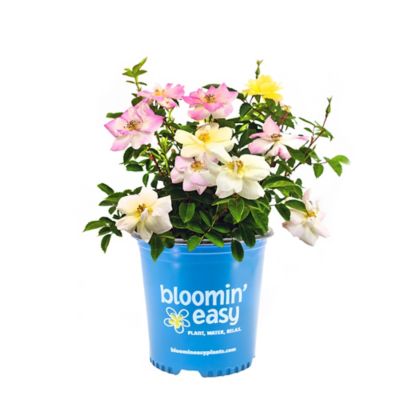
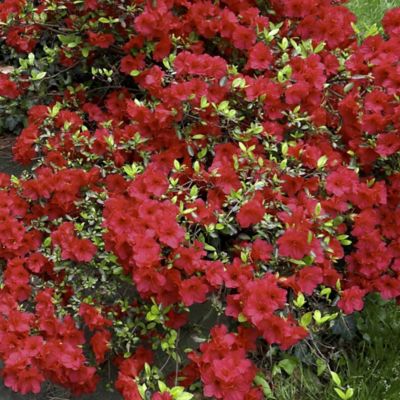
Landscape flowers are flowering plants that add color, texture, and visual interest to garden beds, borders, and other planted areas around a property. Depending on the plant, they can also provide nectar and pollen for bees, butterflies, and other visiting pollinators. They fit just as well along a farmhouse walkway as they do beside a backyard fence, around a mailbox, or in a bed near the front porch. The best fit depends on sunlight, soil drainage, moisture needs, mature size, and the kind of display the space calls for. Annual flowers complete their life cycle in one year and often provide an extended stretch of blooms, while perennial flowers can return year after year under suitable growing conditions. Bloom length varies within both groups, so a mix of plants with different flowering periods can keep a bed interesting beyond a single flush of color. Seeds, bulbs, and established plants offer different starting points, with different expectations for planting depth, development, and time to flowering. Established plants make spacing and overall arrangement easier to picture, while seeds and bulbs require more patience before the finished planting takes shape. For any form, the plant description matters more than the flower pictured on the label. A compact plant suited to a narrow border has a different job than a tall, spreading plant meant to fill the back of a broad bed. Full-sun flowers generally need at least six hours of direct sunlight each day, while plants labeled for partial sun or shade have different light requirements. Soil matters just as much: a bed that drains freely after watering calls for different plants than a low spot that stays damp. Matching flowers to those existing conditions helps support healthy roots, steady growth, and a planting that is easier to look after. It also keeps a small garden from becoming an oversized chore, especially where flower beds share space with vegetable patches, animal pens, or the everyday work of keeping a place running.
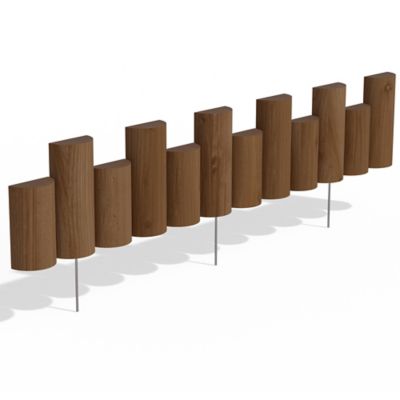
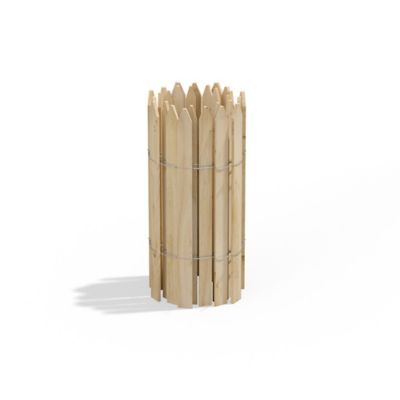
The shape of a flower bed can be just as important as its color. Low-growing landscape flowers help soften the edge of a walk without hiding the path, while medium-height plants fill the middle ground and taller selections add depth near a fence or wall. Mature height and spread give a better picture of that arrangement than the size of a young plant in its pot. Enough room between plants supports airflow, leaves space for maintenance, and reduces the need to move crowded clumps later. Along a driveway or gate, flowers that stay within their allotted space help preserve access and sightlines. Near a porch or sitting area, details such as fragrance, flower shape, and foliage become easier to appreciate up close. A small group of the same flower can read clearly from across the yard, while a mixed planting offers more detail along a frequently traveled path. Color choices can tie into the house, fence, or nearby shrubs without making every bloom match. Leaf shape and texture carry part of the display, too, especially when individual plants are between flowering periods. For pollinator-focused beds, accessible flower centers and a range of bloom shapes can serve different visitors; not every densely petaled flower offers the same access to nectar and pollen. Native flowering plants may be a good fit when they suit the site and local growing conditions, though native status alone does not guarantee a match for every yard. Pairing flowers with
landscape edgings creates a clearer division between planted beds, lawn, and gravel. That boundary can help contain mulch and make trimming along the bed more straightforward. The edging’s height, material, and placement should suit the surrounding surface and leave room for the flowers to reach their expected size. A defined edge also makes a loose, cottage-style planting look intentional without taking away its easygoing character.
Ongoing care is another part of choosing landscape flowers, whether the planting fills a long fence border or a few containers beside the steps. Plants with similar watering needs generally make better bed companions than a mix that requires constant exceptions. A soil test can help identify pH and nutrient needs before fertilizer becomes part of the routine, and soil amendments should address the actual site rather than follow a one-size-fits-all approach. Mulch can help conserve soil moisture and limit weed growth, with space around stems and crowns to keep material from piling against the plants. Container-grown flowers have a smaller root area than flowers planted in the ground, so pot size, drainage holes, and access for watering deserve attention. A large-looking container still needs enough usable soil volume for the plant’s roots, and a pot without drainage can leave roots sitting in excess water. For plants going into a bed, planting depth varies: bulbs, rooted plants, and seeds do not all belong at the same depth. Label directions provide the right reference for each type. Maintenance needs also differ. Some flowers benefit from spent blooms being removed, while others continue flowering without much attention; certain perennials eventually need division to manage crowded growth. These differences matter for a busy household, a gardener tending several beds, or someone who prefers a smaller planting within easy reach of the porch. Flowers near pets, livestock, or children need another layer of consideration, since some flowering plants can be harmful if eaten. Plant identity and toxicity information matter more than appearance in those spaces. For a gardening gift, the recipient’s planting space, light exposure, and interest in ongoing care are worth knowing beforehand. A well-matched flowering plant has a better chance of becoming part of the landscape rather than another pot waiting for a home. Thoughtful choices bring together the flowers’ appearance and their practical needs, creating planted spaces that feel at home beside the house, down the lane, or along a well-traveled garden path.