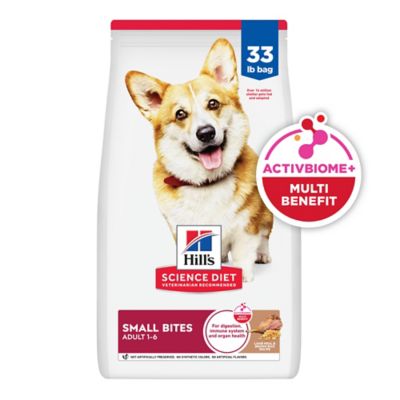
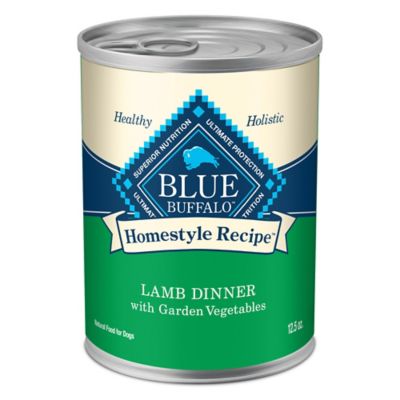
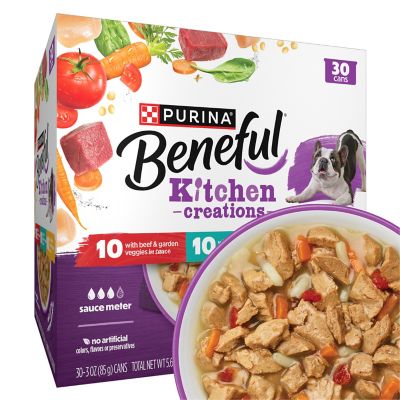
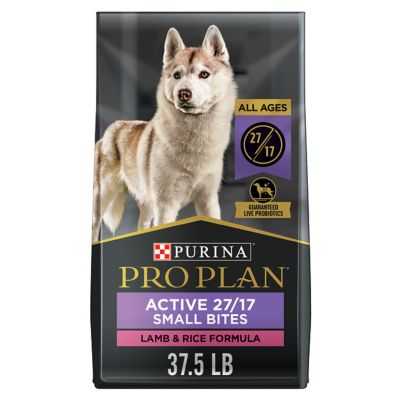
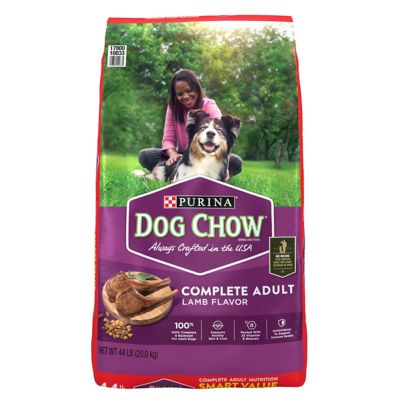
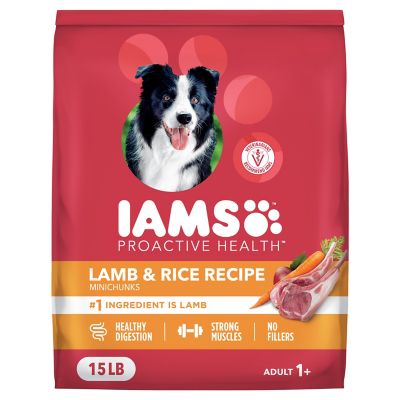
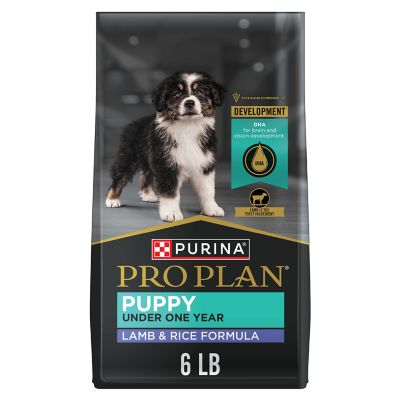
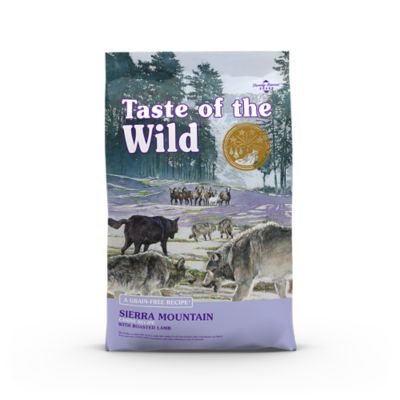
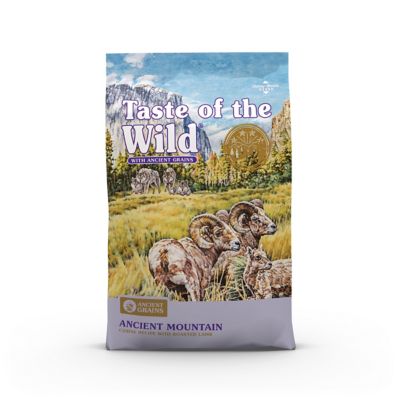
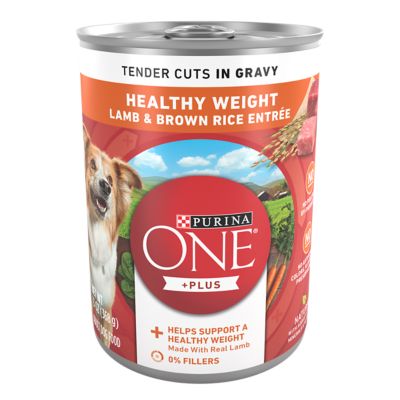
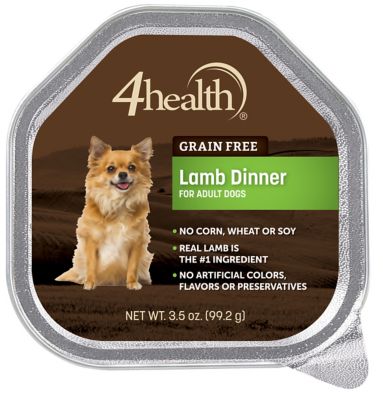
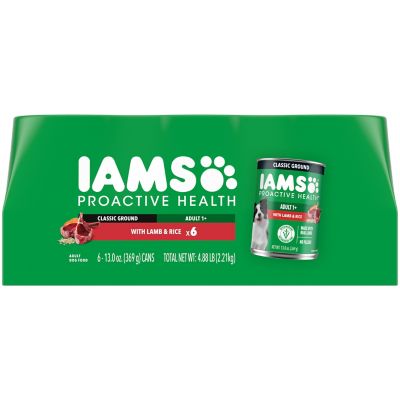
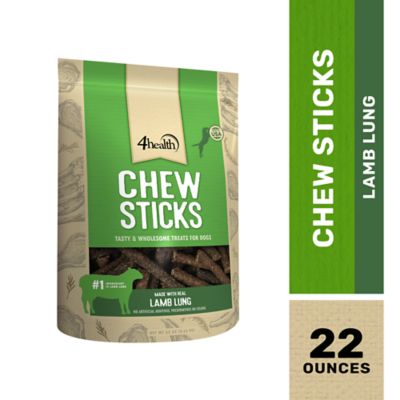
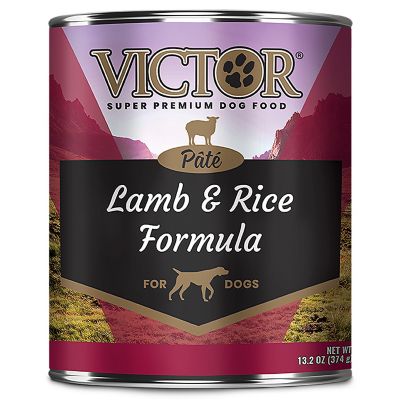
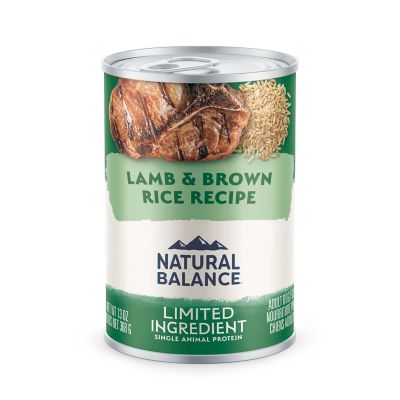
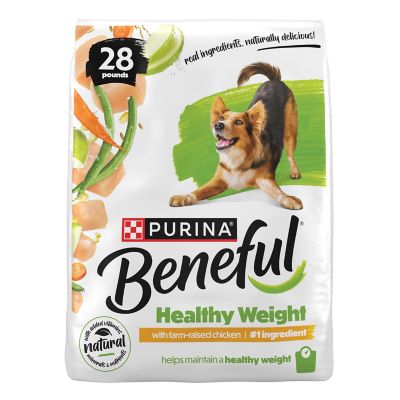
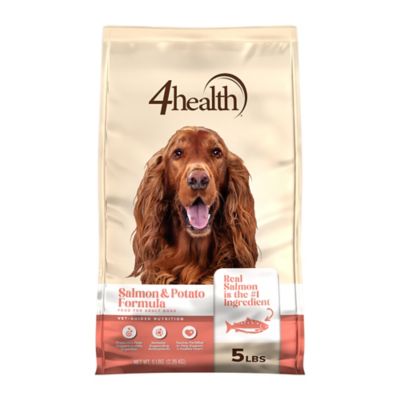
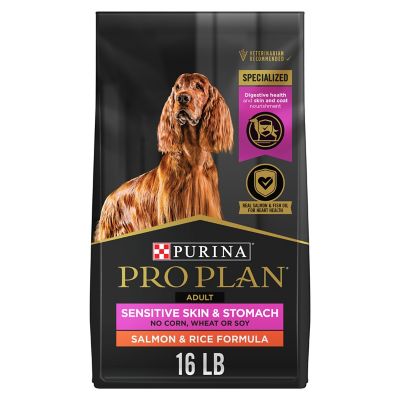
Lamb flavored dog food is a savory option for pet parents who want to add variety to the bowl or offer an alternative to more common proteins such as chicken or beef. Its rich, meaty taste can be a good fit for dogs that turn up their noses at the same old supper, especially picky eaters who need a little extra encouragement at mealtime. Lamb recipes are available in several forms, including dry kibble, wet canned food, soft loaf-style meals, and fresh-prepared recipes, so it is easy to match the food to your dog’s habits and your daily routine. Dry lamb kibble is simple to scoop, store, and carry to the kennel, barn, or family camper, while wet food can add moisture and a softer texture for dogs that prefer tender bites. Some families use a wet lamb recipe as a complete meal, while others spoon a small amount over kibble as a food topper. Before buying, check the label to confirm the recipe is complete and balanced for your dog’s life stage, whether that means puppy, adult, or senior. Look for feeding directions based on body weight, and remember that portions may need adjusting depending on your dog’s activity level, age, size, and overall condition. A hard-working farm dog covering plenty of ground may have different needs than a couch companion who spends most of the day napping by the woodstove. Fresh water should always be available alongside any food, and treats, toppers, and table scraps should be counted as part of the day’s intake.
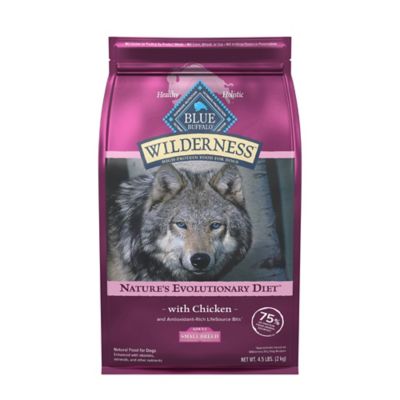
When comparing lamb flavored dog food, start with the kind of recipe your dog already handles well, then consider the ingredient list, texture, package size, and cost per serving. Lamb can provide protein and essential amino acids that help support everyday muscle maintenance, while recipes with healthy fats may help support skin and coat condition. Many formulas pair lamb with rice, brown rice, barley, oats, vegetables, or other wholesome ingredients, and some include added vitamins, minerals, fiber, or probiotics. Ingredient preferences vary from one household to the next, so read the guaranteed analysis and nutritional statement rather than relying on the flavor name alone. “Lamb flavor” may describe the taste of a recipe without meaning lamb is the only protein source, which matters if you are trying to avoid a particular ingredient. Dogs with known food allergies, ongoing digestive trouble, itchy skin, or other health concerns should be evaluated by a veterinarian before you change their diet. Lamb is often chosen as an alternative protein when a dog does not do well with a familiar protein, but it is not automatically the right solution for every sensitivity. When changing foods, mix the new recipe with the old one gradually over several days. A slow transition can make mealtimes easier on your dog’s stomach and gives you time to notice changes in appetite, stool, energy, or skin. Keep bags sealed in a cool, dry place away from livestock, wildlife, and curious paws, and use clean scoops and bowls to help keep food fresh. For smaller dogs, measured portions and appropriately sized kibble can make a real difference; browse
Small Breed Lamb Dog Food for recipes and formats made with little mouths and smaller appetites in mind.
Lamb flavored dog food can suit a wide range of households, from someone feeding a single picky hound to a busy family keeping several dogs on a dependable routine. It can be especially handy during the cooler months, when outdoor dogs may spend more time burning energy in the yard, checking fence lines, or tagging along on chores. A sturdy bag of dry food is practical for stocking the mudroom or feed room, while single-serve wet portions are convenient for travel, boarding, training rewards, or adding a familiar meal when schedules get turned around. These foods can also make a thoughtful gift for a new dog owner, a neighbor caring for an older pet, or a friend welcoming a rescue dog home, though it is smart to find out the dog’s age, size, dietary restrictions, and preferred texture before choosing a large bag. For a dog that has just arrived in a new household, keeping the familiar food at first may help reduce stress; a lamb recipe can be introduced once the owner has a feeding plan in place. Active dogs may appreciate a nourishing meal after a long day outdoors, but more food is not always better, and free-feeding can make weight management harder. Use the package guide as a starting point, measure meals consistently, and adjust with guidance from your veterinarian if your dog’s weight, activity, or health changes. Store opened wet food in the refrigerator and follow the package directions for serving and storage. Whether you choose crunchy kibble for everyday convenience, tender food for a senior dog, or a combination that keeps a finicky eater interested, lamb flavored dog food offers a familiar, hearty taste and flexible way to keep your dog’s bowl stocked through changing routines and seasons.