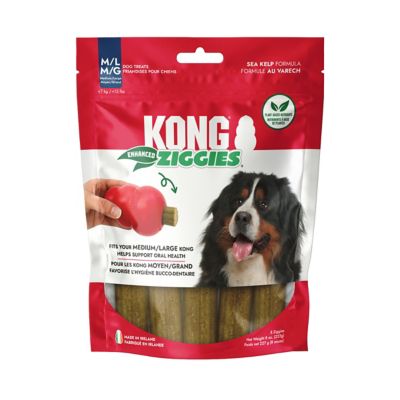
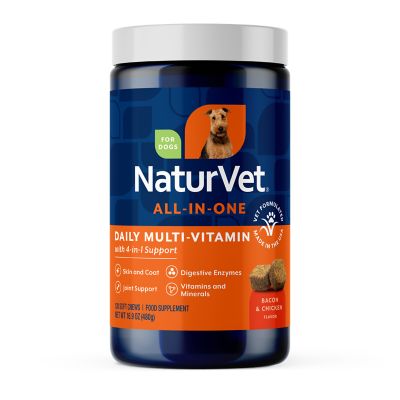
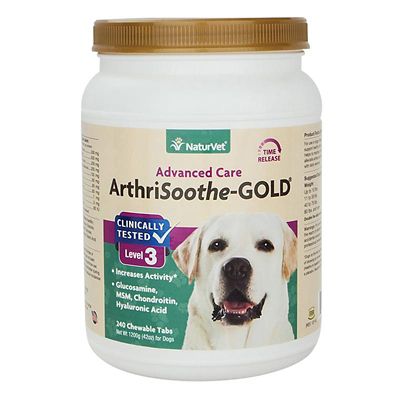
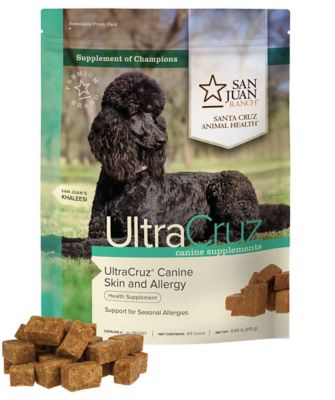
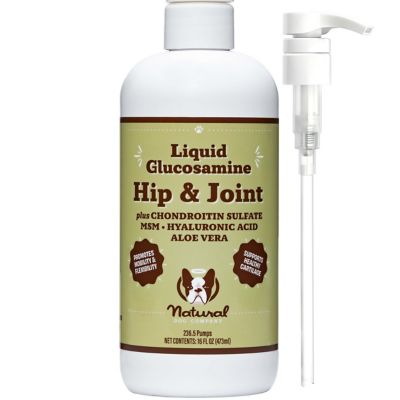
Kelp for dogs is a marine seaweed supplement commonly made from nutrient-rich kelp such as *Ascophyllum nodosum*. It is usually sold as a powder, granule, chew, or ingredient blended into a dog supplement, making it easy to add a small amount to a regular meal. Kelp naturally contains iodine and other trace minerals, along with compounds that may support normal metabolism, skin and coat condition, digestion, and overall nutritional balance. Some dog owners use kelp as part of a daily wellness routine for a dog with a dull coat, seasonal skin irritation, or a finicky appetite, while others choose it as a simple way to add variety to meals during the warmer months, when dogs spend more time outdoors and come home dusty, muddy, and ready for dinner. It may also be useful for households caring for older dogs, active working dogs, or pets whose meals need a little extra nutritional support. Kelp is not a replacement for complete dog food, fresh water, routine brushing, or veterinary care, and it should not be treated as a cure for dental disease, skin allergies, thyroid problems, or digestive illness. Its possible dental benefit is one reason it has drawn attention: certain seaweed compounds may help freshen breath and reduce plaque-related buildup when included in a balanced routine. Still, brushing, dental chews approved for dogs, and regular veterinary examinations remain important for keeping a dog’s mouth healthy. A kelp supplement can make a thoughtful gift for a new dog owner, a friend with a senior companion, or someone who enjoys preparing wholesome meals for a farm dog, hunting dog, or family pet. Pairing it with everyday care items such as grooming supplies or
Calcium Tablets For Dogs may help create a practical pet-care gift, but every supplement should be selected for the individual dog rather than added simply because it is natural.
When shopping for kelp for dogs, start with the dog’s size, age, diet, health history, and the concentration of the product. Read the feeding directions closely and use the measuring scoop or spoon included with the package instead of estimating by eye. Many powdered products are sprinkled over food once daily, but the proper amount can vary widely depending on the formula, so label directions matter more than a general teaspoon estimate. A small terrier and a 100-pound farm dog should not receive the same serving, and a concentrated product may require much less than a plain kelp powder. Check the ingredient list for unnecessary fillers, artificial flavors, added minerals, or other supplements your dog may already be receiving. Commercially prepared complete dog foods generally provide balanced iodine and trace minerals, so adding a concentrated kelp product every day can supply more iodine than a dog needs. Too much iodine may interfere with normal thyroid function, which is why dogs with hypothyroidism, hyperthyroidism, thyroid nodules, or a veterinary-managed endocrine condition should only receive kelp when a veterinarian specifically approves it. The same care applies to pregnant or nursing dogs, puppies, dogs taking prescription medicine, and pets with ongoing kidney, liver, or digestive concerns. Introduce any new supplement gradually and watch for loose stool, vomiting, changes in appetite, unusual thirst, or other signs that the product does not agree with your dog. Never gather kelp or washed-up seaweed from a beach for your pet. Wild seaweed can carry pollutants, harmful bacteria, sharp shells, fishing line, hooks, and other debris, and large pieces may swell or cause a dangerous blockage if swallowed. Store packaged kelp in a cool, dry place with the lid secured, especially if curious dogs, barn cats, or children can reach the feed area. A quality product, careful portioning, and a little patience are the best approach. Whether it is mixed into breakfast before a day in the pasture or added to supper during the cooler months, kelp should be one small part of a steady care routine built around good food, exercise, clean water, grooming, and guidance from a trusted veterinarian.