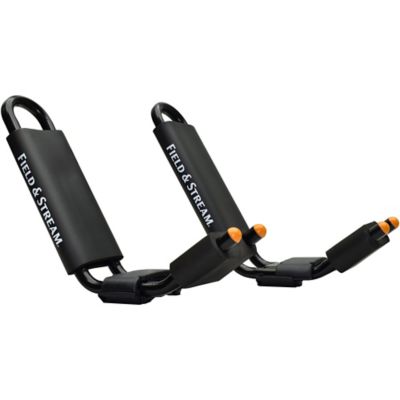
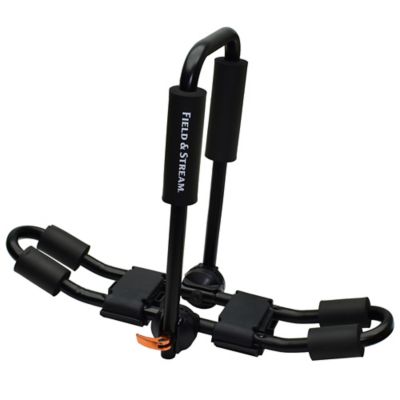
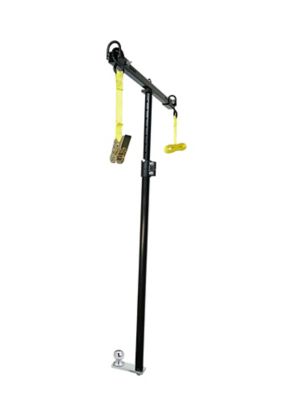
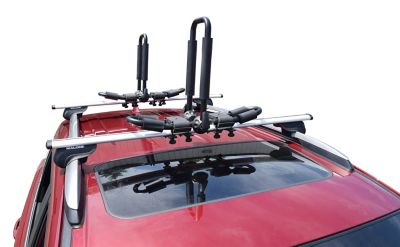
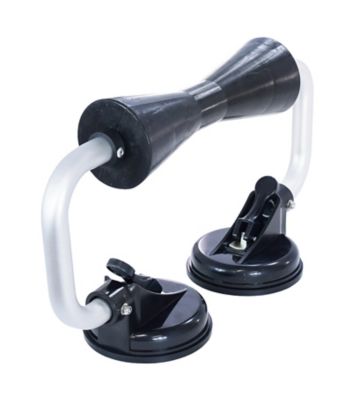
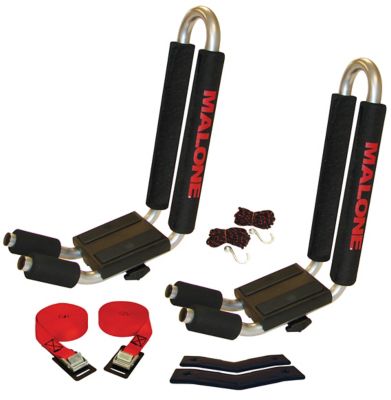
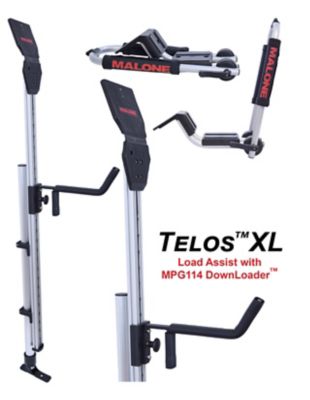
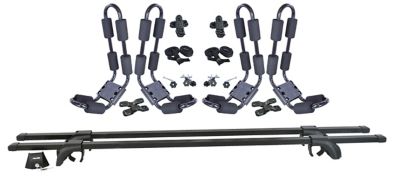
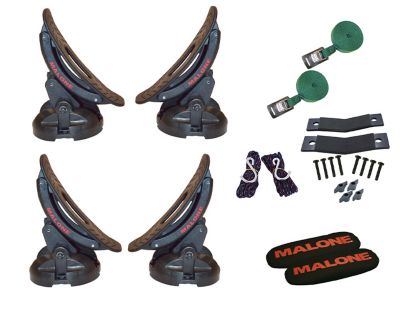
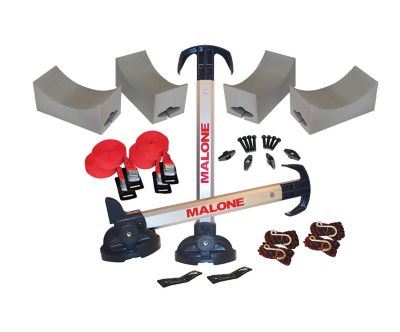
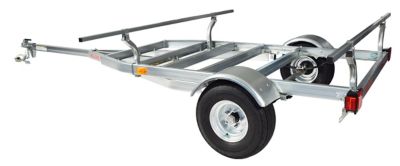
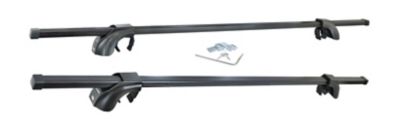
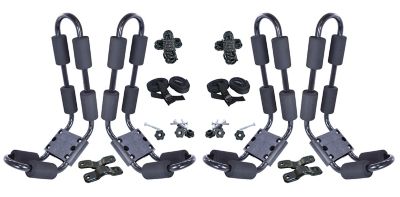
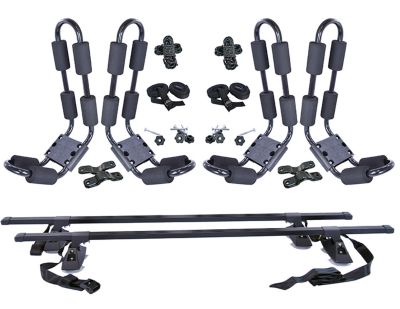
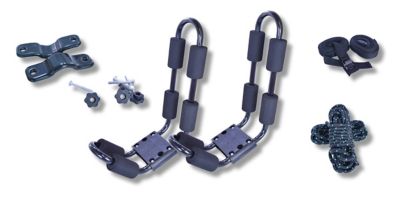
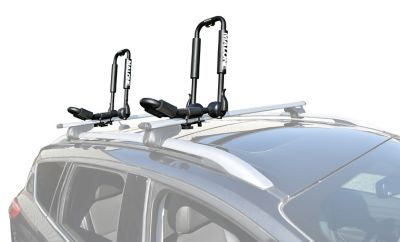
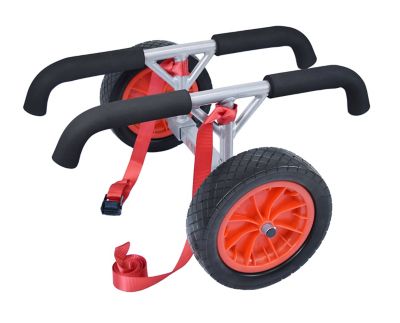
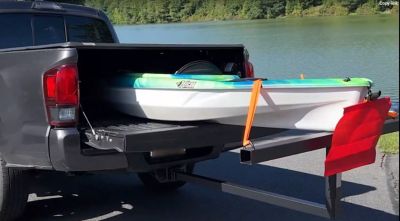
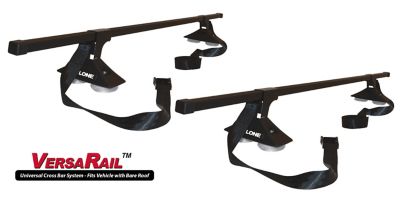
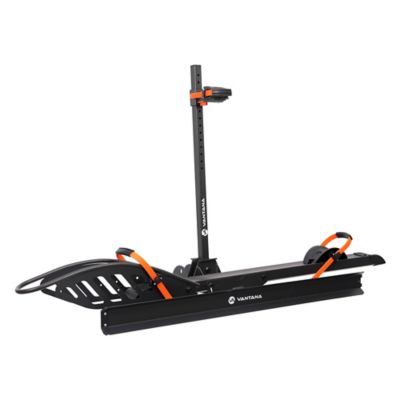
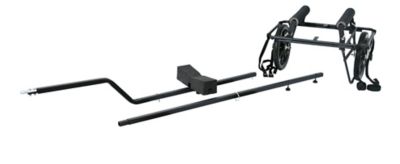
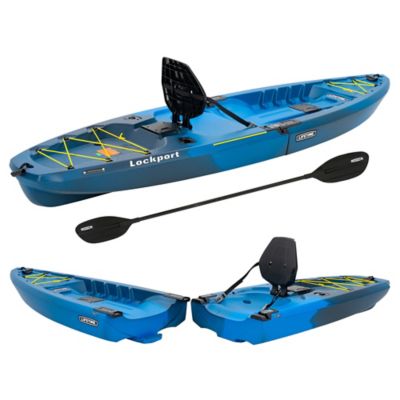
Kayak carriers for SUVs give paddlers a practical way to haul a boat to the lake, river access, or backroad launch without filling the cabin with gear. The right carrier depends on the kayak’s weight and hull shape, the SUV’s roof rack, and how comfortably the boat can be lifted into place. J-style cradles hold a kayak on its side at an angle, leaving more crossbar room than many flat-loading setups. That arrangement can make room for a second boat when the vehicle, rack, and carriers permit it. Saddle-style carriers support the hull from underneath and can suit wider recreational or fishing kayaks, provided their support range and weight rating match the boat. Stacker-style carriers hold compatible kayaks on edge alongside upright supports, making them an option for households hauling several boats within the rack’s space and load limits. Lift-assist carriers bring the loading position down alongside the vehicle and help move the kayak toward the roof, reducing some of the overhead effort. Their mounting requirements, operating clearance, and supported boat weights vary, so they need to match the whole setup rather than just the kayak. For someone heading to a farm pond with a light recreational boat, a straightforward cradle may cover the job. An angler hauling a broad fishing kayak has different needs, especially when the boat is awkward to grip or lift. A couple taking two kayaks to a public launch will also need enough crossbar width and separate support and restraint for each boat. These differences matter more than looks: a carrier should hold the hull as intended, leave room for the required tie-downs, and work with a loading routine that feels manageable after a long paddle. Roof-mounted kayak carriers also leave the SUV’s interior open for passengers, paddles, life jackets, and the rest of the day’s supplies, while keeping the boat itself on a designated support system above the vehicle.
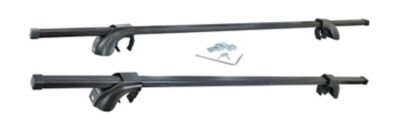
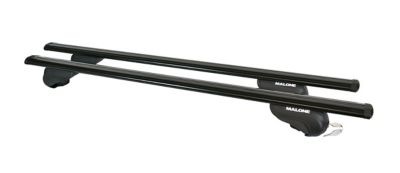
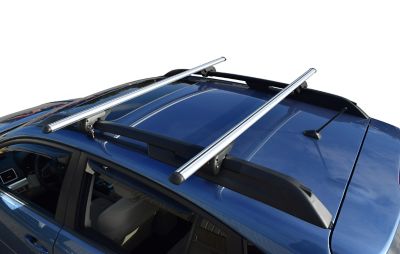
Fit starts with the SUV’s roof equipment, not simply its size or body style. Raised side rails, flush rails, and front-to-back roof tracks are not the same as crossbars, and most rigid kayak carriers attach to bars running across the vehicle. Factory and aftermarket crossbars can differ in shape, width, thickness, spacing, and mounting design. Round, square, and aerodynamic bars do not automatically accept the same clamps, even when a carrier is described as broadly compatible. Some systems attach around a bar, while others require a matching channel and mounting hardware. The vehicle and rack instructions establish which attachments and bar positions are permitted. Load ratings matter just as much: the SUV’s dynamic roof load limit applies while driving, and the roof-supported weight includes the rack, carriers, boats, and anything else carried there, as defined by the vehicle manufacturer. Each part of the system must stay within its own rating; a higher-capacity carrier does not increase the roof’s limit. Kayak width, hull profile, and length also affect placement, support spacing, and clearance. A long stern may interfere with an opening rear hatch, while a tall cradle adds height even after the boat comes off. Folding cradles can reduce that extra height between trips, though clearance still needs checking before entering a garage or passing beneath a low overhang. Loading is another everyday fit issue on an SUV. A boat that feels easy to carry at waist level can be much harder to settle onto a tall roof without bumping the doors or losing a steady grip. Rear-loading saddles, compatible loading aids, and lift-assist mechanisms offer different approaches, but each needs enough working space and a boat within its specified range. Lift assistance does not eliminate every lifting task, and some kayaks still call for two people. For a household also considering a boat that packs inside a smaller vehicle,
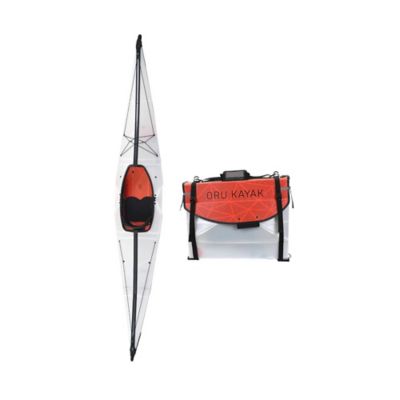
Easy To Transport Folding Kayaks For Small Cars offers a related direction to explore. With a full-length kayak on an SUV, the aim is a matched combination of vehicle, bars, carrier, and boat that works both in the driveway and at the launch.
Materials and contact points help determine how a kayak carrier handles repeated trips. Steel frames can provide solid support, with protective finishes helping resist corrosion where the coating remains intact. Aluminum frames can reduce carrier weight, though the design and rated capacity still matter more than the metal alone. Padded cradles, rubber-lined saddles, and cushioned contact surfaces help protect the hull from direct contact with the frame. Their shape should support the kayak where its manufacturer permits, rather than concentrate pressure on a small area. That matters for molded plastic hulls as well as composite boats, which may have different transport requirements. Straps and attachment hardware deserve the same attention as the frame. The carrier instructions determine the proper strap type and routing; excessive tension can deform or damage a hull, and tighter is not always better. Bow and stern lines, when required, connect to suitable vehicle attachment points and help control movement without replacing the main carrier straps. Loose strap ends need securing so they do not slap the paint or trail beside the vehicle. Before leaving the driveway, a check of the mounts, padding, straps, and boat placement helps catch a shifted clamp or twisted line; another check early in the trip can catch settling. Long service life also depends on simple care after unloading. Sand trapped beneath a pad can rub against the hull, and grit around hinges or clamps can interfere with movement. Cleaning according to the carrier instructions, rinsing away salt residue after saltwater outings, and letting straps dry before storage help keep the setup ready for another trip. Frayed webbing, cracked padding, bent hardware, and worn mounting parts need attention rather than another round of tightening. For paddlers who regularly haul boats from home to the water, easy-to-reach fasteners, replaceable pads, and manageable storage can make a real difference. A well-matched kayak carrier earns its place through repeat trips: loading at home, unloading beside the water, and getting everything secured for the ride back.