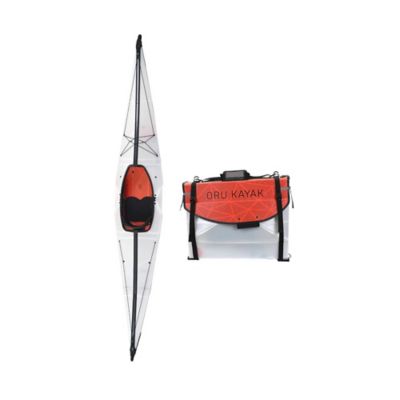
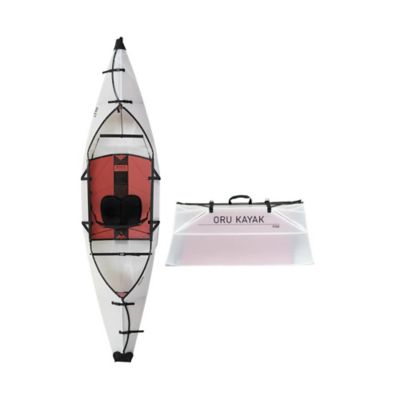
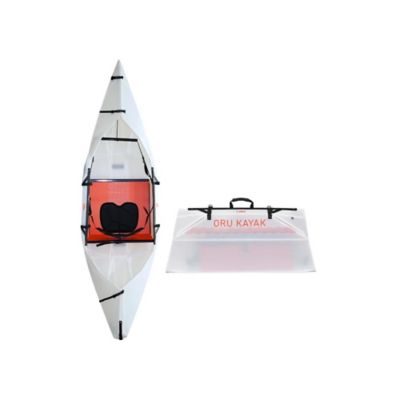
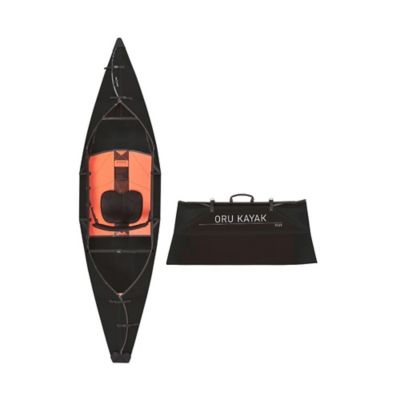
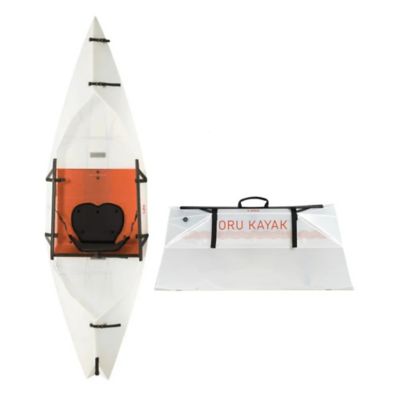
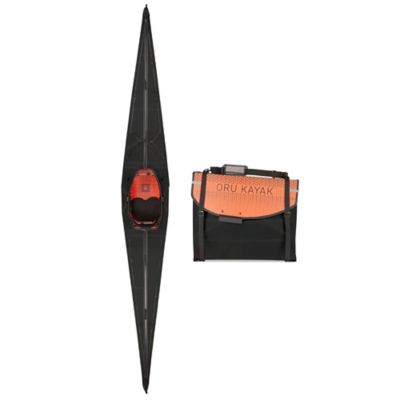
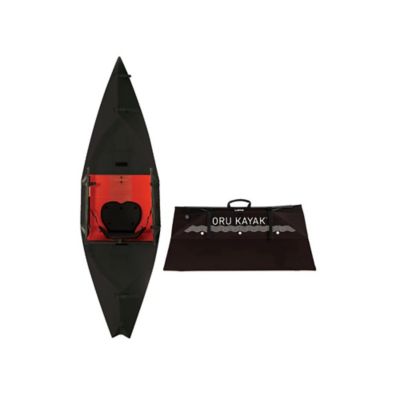
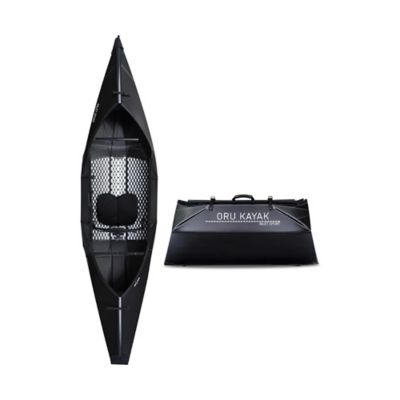
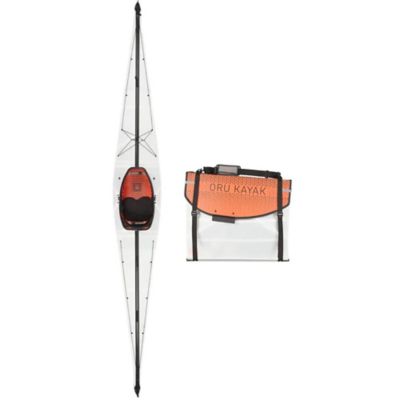
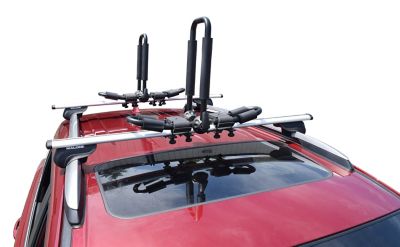
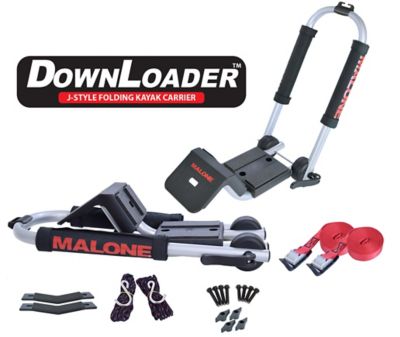
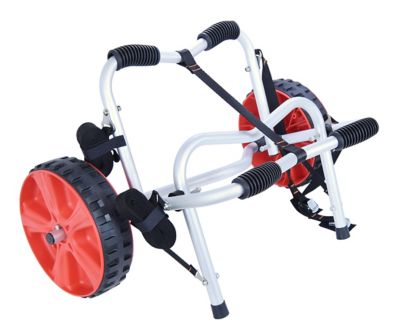
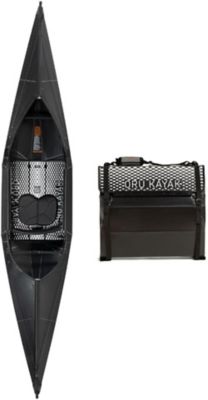
Easy-to-transport folding kayaks can fit in the trunk or rear cargo area of a small car, depending on the boat’s packed dimensions and the space inside the vehicle. Their hulls fold down into a carrying case or compact bundle rather than staying at full boat length. For many small-car owners, that means getting a kayak to the water without a roof rack, trailer, or larger vehicle. A compact package also leaves more options for storage at home, whether there’s a garage shelf, closet, or corner of the mudroom to spare. The important measurements include the packed length, width, and height, along with the size of the trunk opening or hatch. A bundle that fits inside the cargo area may still be awkward to pass through a narrow opening, especially when rigid seat parts or frame sections travel alongside it. Rear seats that fold flat can help, provided the load stays secure and doesn’t interfere with passengers, seat belts, or the driver’s view. Carrying weight matters just as much as folded size. Lifting a bag from the ground is different from reaching over a trunk lip, and a comfortable shoulder strap can make a difference on the walk from a gravel parking spot to the launch. Handles, balanced packing, and a case that contains the whole boat help keep loose pieces from turning a simple outing into a scavenger hunt. There should also be room for a paddle, life jacket, drinking water, and any gear that travels along. For a full-length boat carried outside the vehicle,
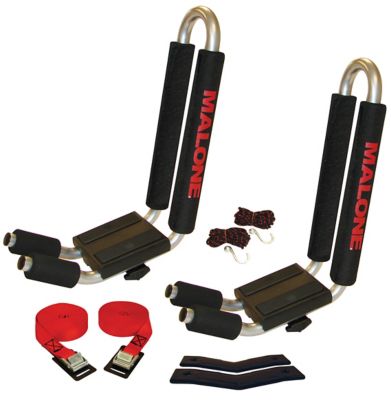
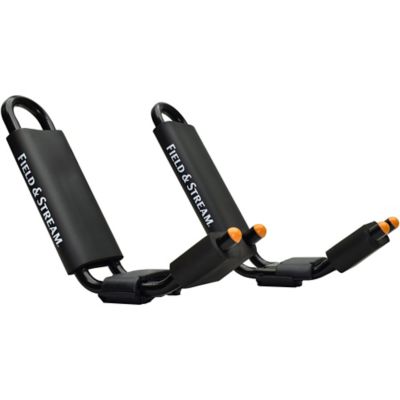
Kayak Carriers for Cars provide another transport option, with vehicle compatibility, load limits, and proper tie-downs still important. Folding designs serve a different need: keeping the boat compact enough that a paddle on a nearby lake doesn’t require hauling a long hull across town.
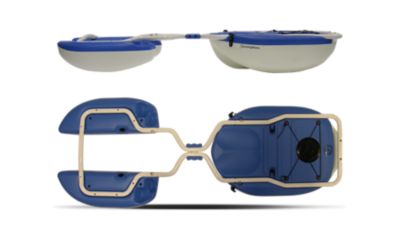
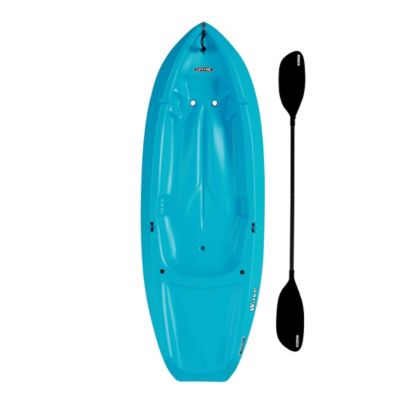
Folding kayak construction varies, and the way a boat packs down affects both handling and upkeep. Some designs use foldable plastic panels that take shape along established creases, while others combine a collapsible frame with a flexible outer skin. Panel-style hulls may feature polypropylene, with fasteners, straps, or closures that hold the assembled shape. Frame-and-skin designs may include aluminum sections and coated fabric, bringing a different packing routine and a separate set of connection points to check. An inflatable kayak isn’t automatically a folding kayak, so the construction description matters more than a general claim of portability. Materials, hull shape, and assembly details all help determine where a boat belongs. Calm ponds, sheltered lakes, and gentle waterways are common settings for recreational designs, but the manufacturer’s stated use and paddler requirements should set the limits. A compact packed shape does not mean every folding boat handles the same once it reaches the water. Hull length and width influence tracking, turning, and initial steadiness, while paddler position and load distribution affect how the boat feels beneath the seat. A broader recreational hull may feel steadier for relaxed paddling, but width alone doesn’t establish overall stability or suitability. Seat support, cockpit opening, footrests, and room for knees deserve close attention, especially for taller paddlers or anyone who finds a low seat difficult to enter. Listed capacity needs to account for the paddler and everything aboard, not just body weight. A tackle bag, lunch, water, and safety equipment all count toward that total. Storage space also needs to suit the outing, with secure places for smaller essentials and appropriate protection for anything that must stay dry. For a gift, the recipient’s size, lifting comfort, experience, and vehicle space matter more than color alone. The best match is a boat that suits both the person doing the paddling and the stretch of water they plan to enjoy.
The appeal of a folding kayak is the whole trip, from loading the car to putting the boat away afterward. A manageable package can make a short paddle after chores or a quiet outing at a campground lake feel less like a hauling job. Setup still takes attention, and assembly time varies with the design and the paddler’s familiarity with its parts. Clear connection points, accessible closures, and seat hardware that fits securely can make that routine easier to manage. Practicing assembly on a clean patch of ground at home gives the owner a chance to understand the hull before dealing with a busy launch. Folding boats also benefit from thoughtful handling along the shoreline: lifting rather than dragging helps protect panels, fabric, and seams from sharp gravel or broken concrete. Before launching, the hull, closures, frame connections, and any required flotation components need to be in their proper positions. A correctly fitted, Coast Guard-approved life jacket belongs on the paddler, and the outing should stay within the boat’s intended use and the paddler’s ability. Letting someone know the destination and expected return adds another sensible safeguard, particularly around quieter access points. Afterward, sand and grit deserve attention because they can collect in folds, joints, and fittings. Freshwater rinsing, when recommended by the manufacturer, helps remove mud and residue; saltwater outings call for particular attention to metal hardware and connections. Thorough drying before packing helps prevent mildew and trapped moisture inside the carrying case. Fold lines and fabric panels need the packing method specified for that design, rather than extra bends forced in to squeeze the bundle smaller. Periodic checks for worn straps, loose fittings, punctures, or stressed seams help catch trouble before another trip. With the right fit, sensible care, and room for essential gear, a folding kayak can make small-car transport a practical part of getting out on the water.