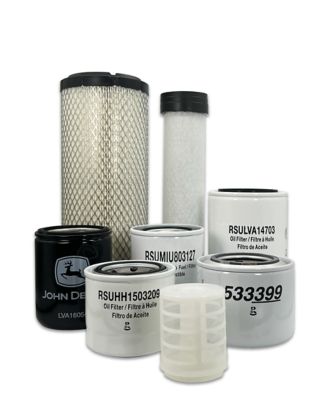
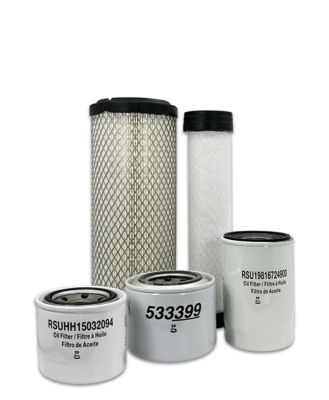
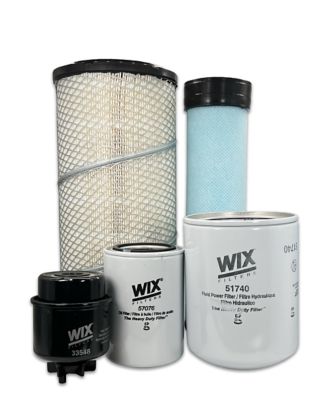
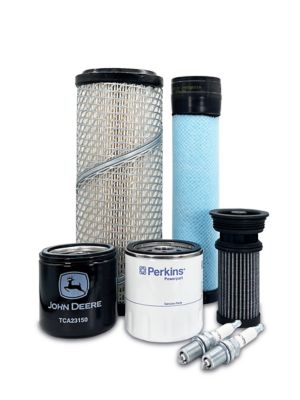
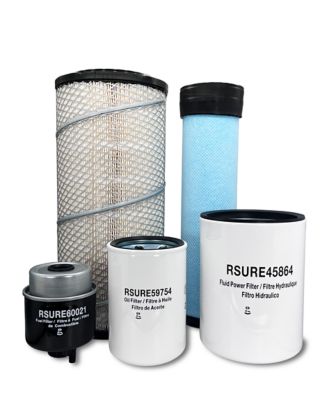
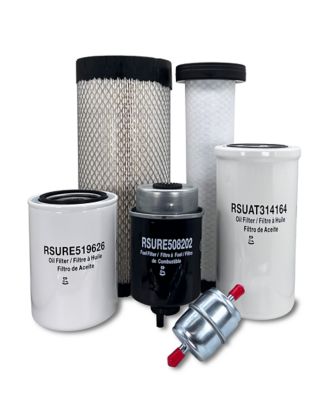
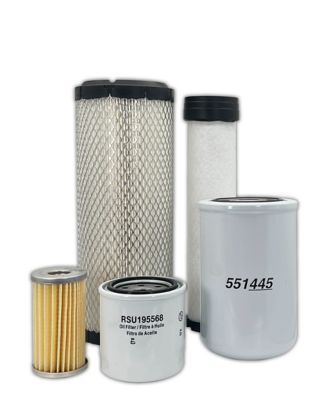
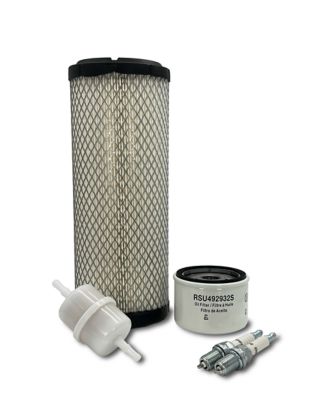
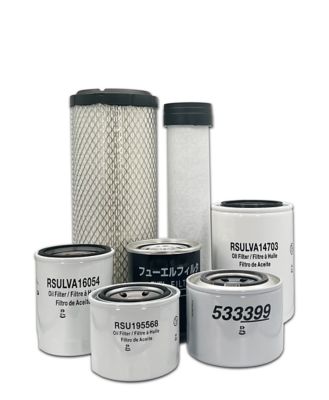
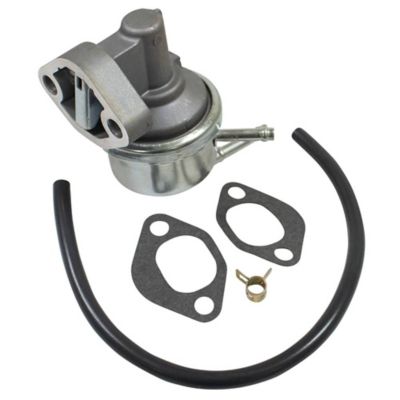
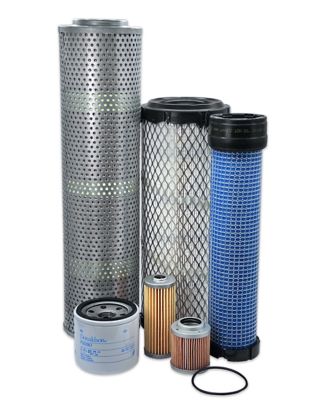
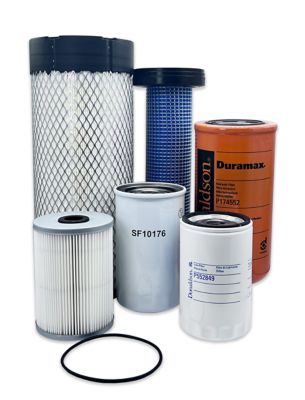
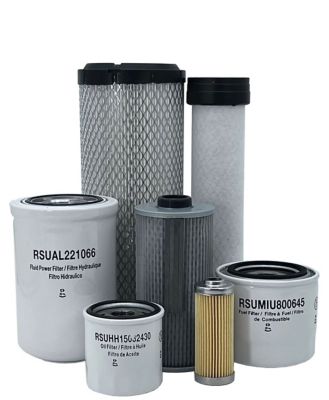
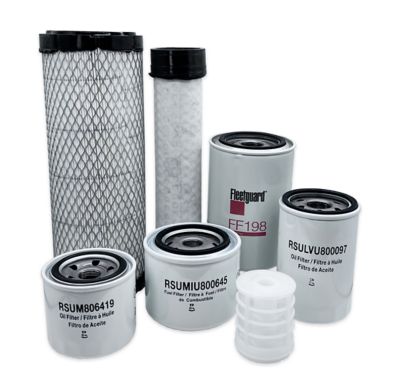
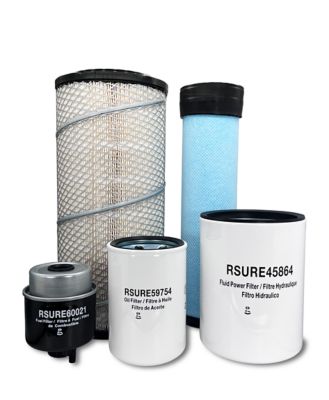
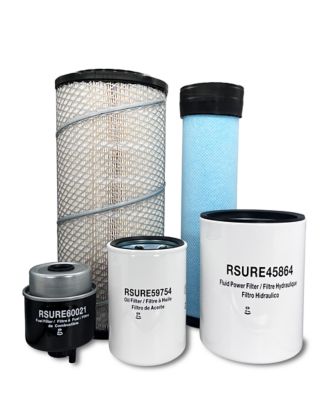
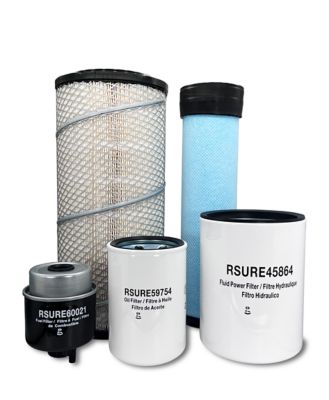
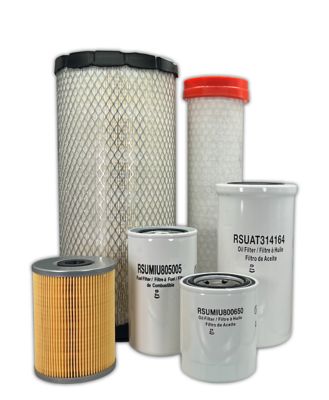
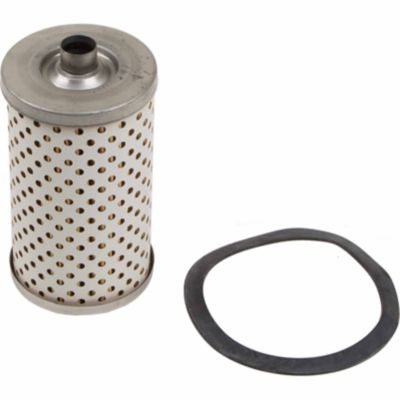
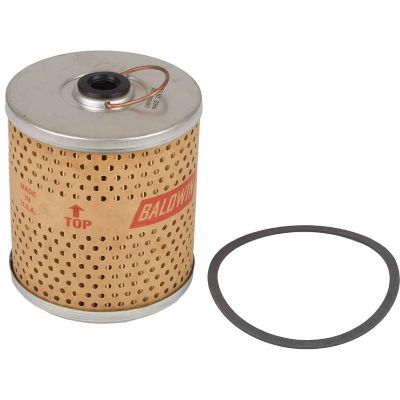
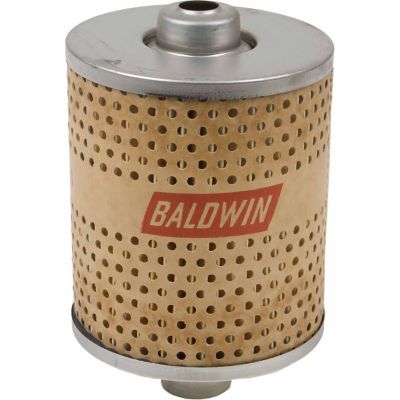
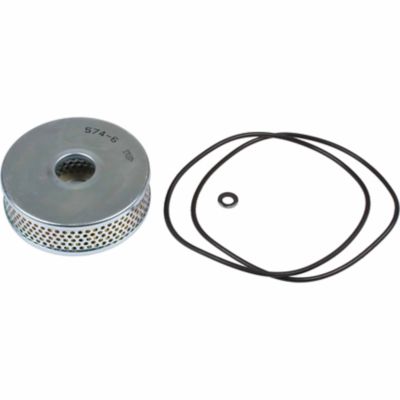
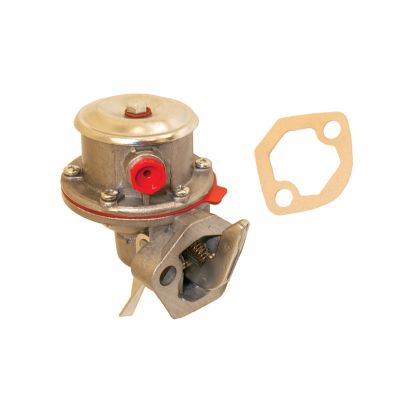
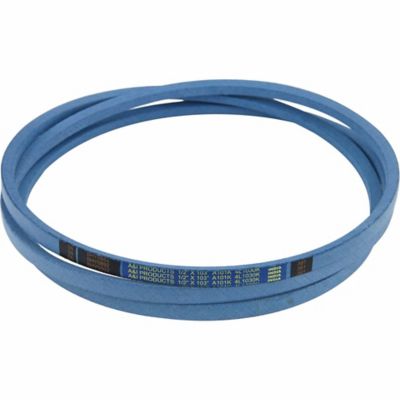
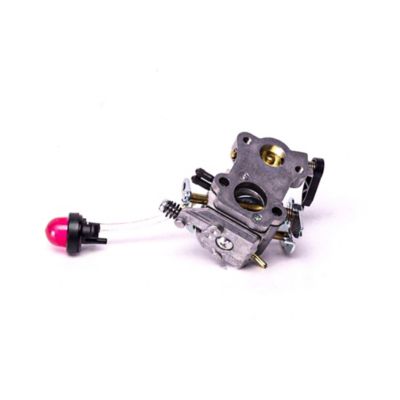
Keeping lawn and farm equipment in good shape is one of those chores that pays off every time the engine starts easily, the blades cut cleanly and the machine gets through a long day without a hitch. John Deere maintenance products are suited to routine care on riding mowers, lawn tractors, compact tractors and other equipment used around the property. Regular service helps protect working parts from grass clippings, dust, moisture and normal wear, while also giving you a chance to spot small issues before they turn into expensive repairs. A good maintenance routine can include checking engine oil, air filters, fuel filters, spark plugs, belts, blades, battery connections, tires and fluid levels. Grease fittings and pivot points also deserve attention because these areas take on plenty of stress as equipment moves across uneven ground, turns tightly and handles heavy work. The right supplies make these jobs more manageable, whether you are caring for a machine that trims a few acres, maintains a large lawn or helps with chores around a small farm. Before ordering parts or service supplies, locate the equipment model and serial number and compare them with the fitment information. Similar-looking machines may use different filters, belts, blades, plugs or fluid capacities, and checking those details helps prevent a return trip to the parts counter. Keep the owner’s manual nearby, follow the recommended service schedule and use fluids and replacement parts that meet the specifications for your equipment. A small notebook, phone reminder or mark on a shop calendar can help track oil changes, filter replacements and lubrication so seasonal upkeep does not get lost in the shuffle of fence repairs, feed runs and changing weather.
A simple check after each use can go a long way. Brush or blow grass clippings, leaves and dirt from the deck, frame, engine area and undercarriage, taking care around hot surfaces and moving parts. Built-up clippings can hold moisture against metal, restrict airflow and make the next mowing job harder. Check tire pressure, look over the blades and make sure there are no loose, damaged or missing fasteners. Never reach under a deck or near a blade while the engine is running; shut the machine down, remove the key, wait for moving parts to stop and follow the manufacturer’s safety directions before cleaning or inspecting. Every several hours of use, check fluid levels and grease active pivot points, blade spindles and other fittings called out in the manual. Oil and oil filter service is commonly scheduled at regular hour intervals, often around 25 to 50 hours depending on the machine and operating conditions, while air filters, fuel filters and spark plugs may need attention around 100 hours or once a year. Heavy dust, tall grass, frequent short trips, hauling, wet conditions and long periods of hard work can call for more frequent checks. An annual service is a practical baseline, but the equipment’s manual should always take priority. When changing engine oil, warming the engine for a few minutes can help the old oil drain more completely, though the machine should be parked safely and handled carefully because the oil and engine parts may be hot. Used oil, filters, fuel and other fluids should be collected in suitable containers and taken to an approved recycling or disposal location. For more information focused on walk-behind lawn equipment, visit
Push Mower Maintenance.
Maintenance supplies can be useful for a wide range of property owners, from someone keeping a compact yard neat to a landowner relying on a tractor for mowing, grading and everyday chores. They also make a thoughtful, practical gift for a parent, neighbor, farmer or weekend mechanic who takes pride in keeping equipment ready for the next job. A maintenance bundle assembled around the correct model can be especially handy before the cooler months, when many people finish the last mowing and prepare equipment for storage. Give the machine a thorough cleaning, let wet surfaces dry, inspect for rust or damage, change fluids as recommended and store it in a dry, covered space when possible. Battery care, fuel treatment and protection from rodents may also be part of the storage plan, depending on the equipment and the owner’s manual. As the weather warms again, a quick inspection before the first full day of work can uncover low tires, stale fuel, a weak battery, dull blades or nesting material. Keeping common service supplies on hand saves time when a repair cannot wait, but parts should never be chosen by appearance alone. Match filters, belts, plugs, blades and other components by model and serial number, and replace worn or questionable parts rather than trying to stretch them through another season. Good maintenance is not about making every machine look showroom new; it is about dependable starts, smoother operation and fewer interruptions when the grass is high, the driveway needs work or chores are waiting. With steady cleaning, lubrication, inspections and scheduled service, equipment can stay safer and more useful through changing conditions, helping make the work around home and acreage feel a little more manageable.