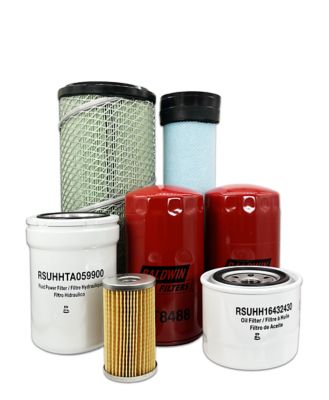
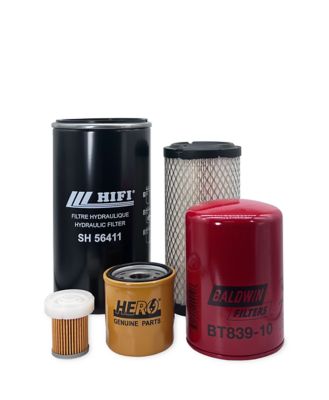
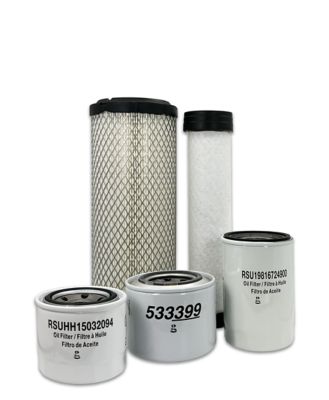
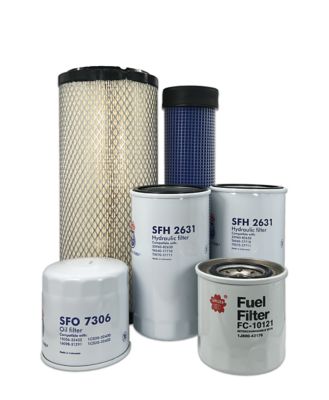
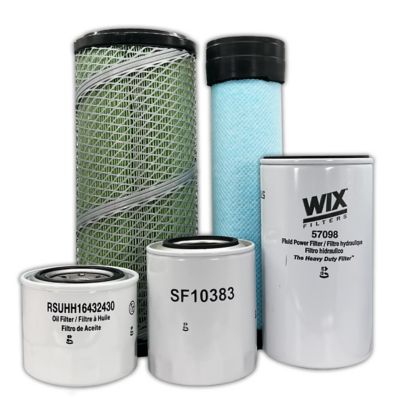
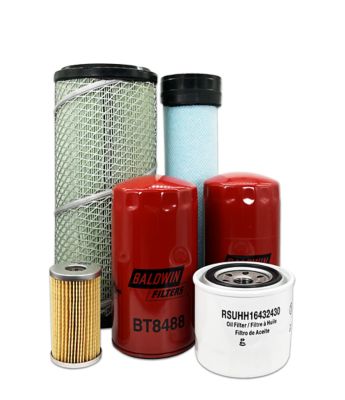
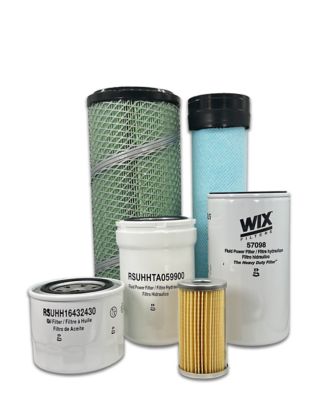
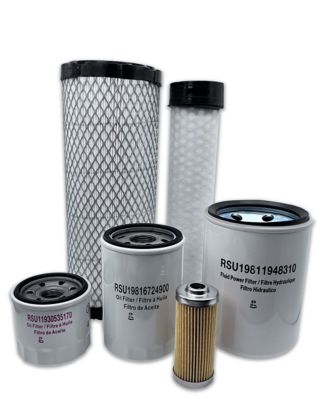
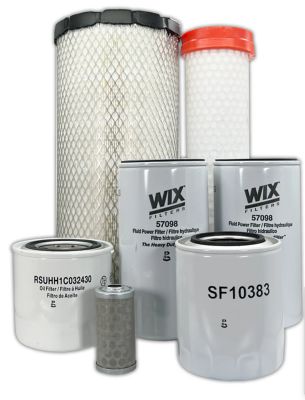
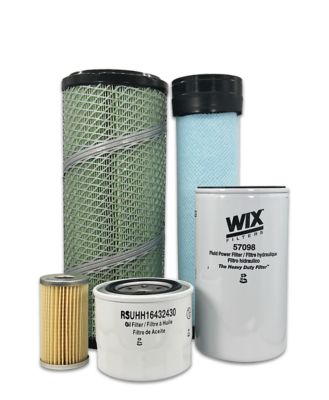
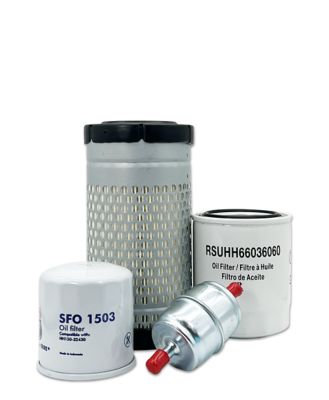
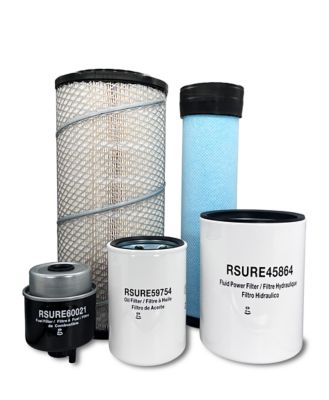
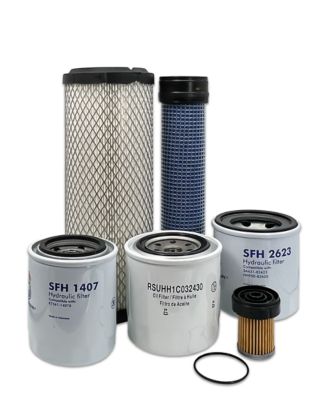
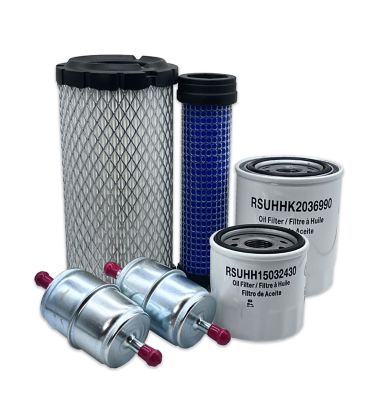
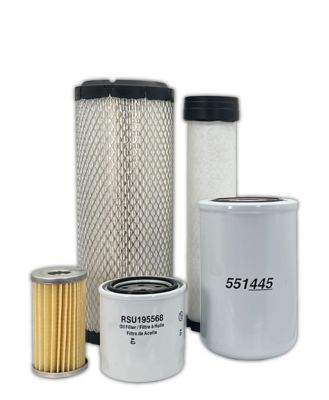
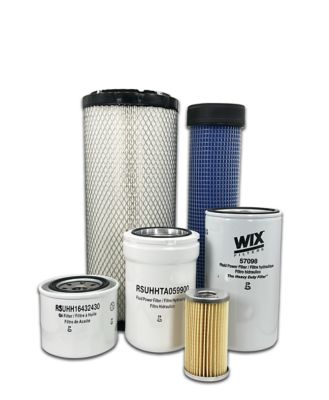
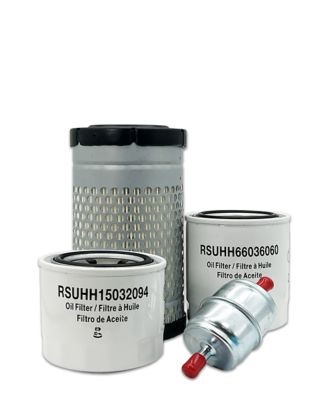
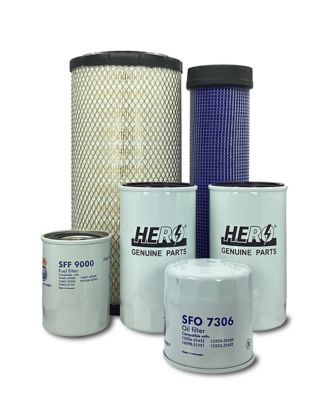
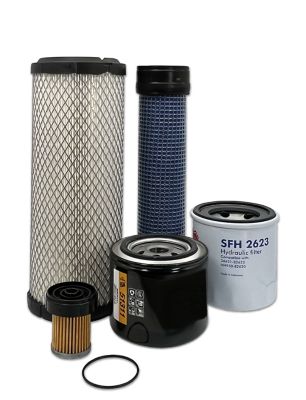
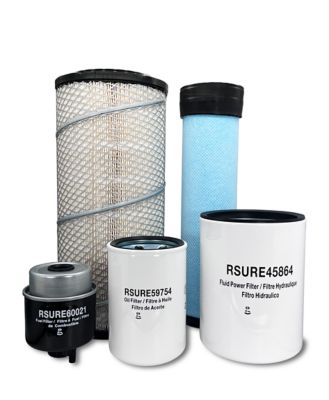
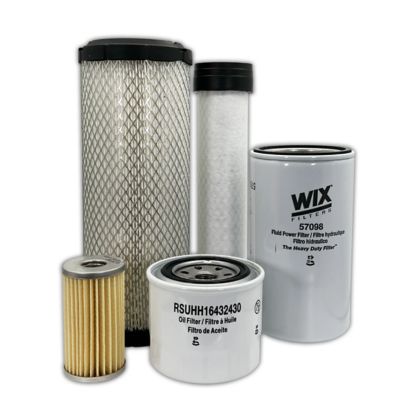
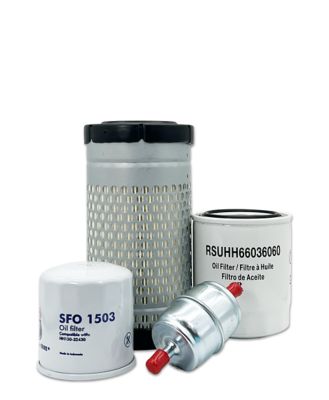
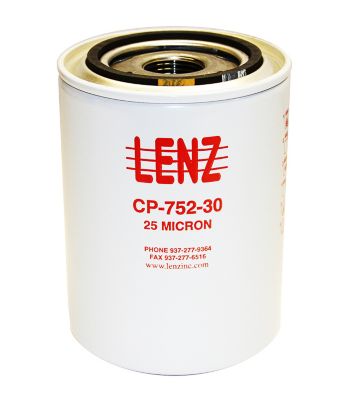
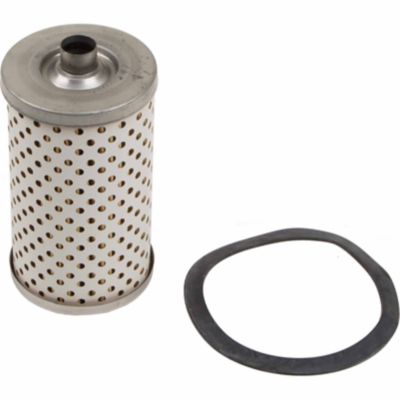
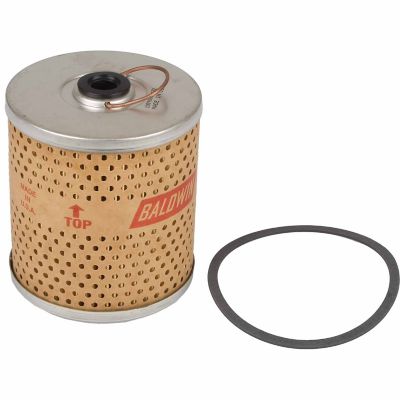
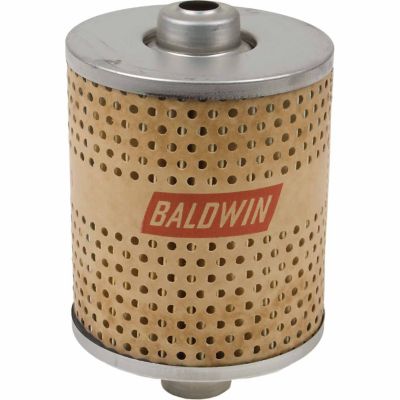
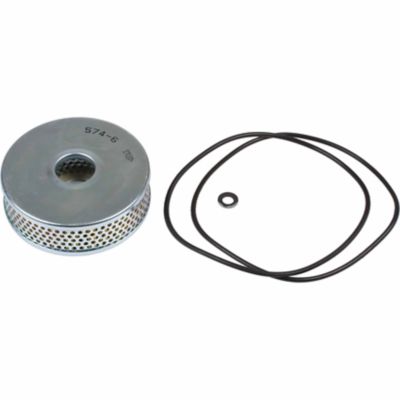
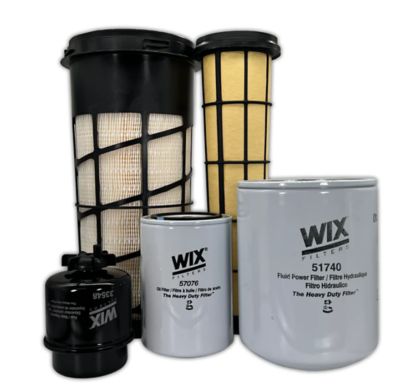
Tractor maintenance supplies include engine oil, hydraulic and transmission fluids, grease, replacement filters, belts, hoses, seals, and the shop supplies that support routine service. Together, these essentials help manage friction, keep contaminants out of working systems, and address normal wear on equipment that earns its keep around the farm. A compact tractor tending an acreage, a utility tractor moving hay, and a larger machine pulling field equipment may handle different chores, but each depends on supplies matched to its design and service schedule. Fit matters just as much as the type of maintenance being done. A tractor’s model, serial number, engine designation, and equipment configuration can all affect filter selection, fluid requirements, and replacement-part dimensions. Two machines that look alike from across the barnyard may call for different components under the hood. Filter kits can bring several service components together, though their contents need to match the maintenance interval and the tractor’s requirements. Some intervals involve engine oil and its filter, while others include fuel, air, or hydraulic filtration. Filter media, housing construction, gasket dimensions, thread size, and valve specifications all play a part in choosing a suitable replacement; outside dimensions alone do not tell the whole story. Fuel-system supplies may also need to account for water separation and the arrangement of the tractor’s fuel filters. For air filtration, a secure seal and the correct element dimensions help keep field dust from reaching the engine. Owners who mow pasture, tend livestock, maintain gravel drives, or handle loader work benefit from thinking about maintenance supplies as a matched set rather than unrelated purchases. That means considering the fluid, filter, sealing components, and handling supplies for the same job together. It also means checking whether a service kit includes every component the scheduled work calls for, rather than assuming one package covers the whole tractor.
Fluids and lubricants do different jobs throughout a tractor, so the specification on the container matters more than a broad claim about being suitable for farm equipment. Engine oil needs to match the required viscosity and performance classifications, including any requirements associated with the engine’s emissions system. Hydraulic and transmission fluids may serve shared reservoirs, wet brakes, clutches, steering components, or separate systems, depending on the machine. A multipurpose tractor fluid is not automatically the right choice for every tractor, and engine oil, gear lubricant, and hydraulic fluid should not be treated as interchangeable. Manufacturer approvals and the operator’s manual provide the right basis for comparison. Capacity matters, too: a complete service may take more fluid than a routine top-off, and changing a filter can affect the refill amount. Grease selection brings another set of considerations, including thickener compatibility, consistency, load rating, and resistance to water washout where the equipment calls for it. Loader pivots, steering joints, and implement connections can have different lubrication needs, while sealed components may require no routine greasing at all. A grease gun with a fitting that seats properly can make hard-to-reach service points less of a wrestling match, especially around loader frames and front axles. Beyond lubrication, belts and hoses deserve attention for their dimensions, construction, routing, and intended application. Belt width, profile, and length influence how a belt rides in its pulleys. Hose material and pressure rating need to suit the fluid and system involved; hydraulic hose and coolant hose are not substitutes for one another. Rubber seals and gaskets likewise need compatibility with the fluid they contain. These details matter when the tractor is carrying feed before chores or grading a lane after a long stretch of equipment traffic. Properly matched maintenance supplies support the work without asking a part or fluid to do a job it was never built for.
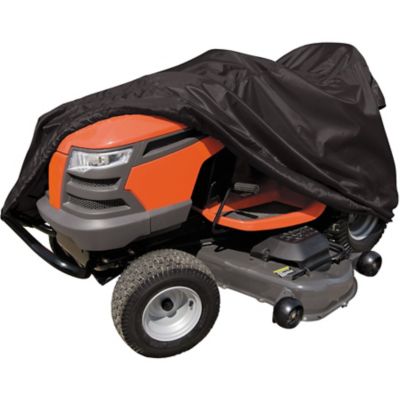
The supplies around the service job can be just as important as the components going into the tractor. Drain pans need enough capacity for the system being serviced, along with a shape that fits beneath the drain point. Funnels, transfer pumps, and fluid containers help control pouring, while separate, clearly labeled handling equipment helps prevent one lubricant from contaminating another. Clean caps, covered spouts, and closed containers help keep shop grit out of fresh fluids. Filter wrenches also come in different styles and size ranges, and working clearance can matter as much as the filter’s diameter when a loader bracket or frame rail sits close by. Absorbent materials, shop towels, gloves, and eye protection belong in the same conversation, with material compatibility and the task’s safety requirements guiding their selection. Cleaning supplies intended for equipment can help lift grease and dirt without calling for harsh scrubbing around every fitting, but compatibility with paint, rubber, plastics, and electrical components still matters. Clean surfaces make it easier to spot a damp hose connection, a worn belt edge, or seepage around a housing before the next round of chores. Storage and care help preserve the maintenance supplies themselves: fluid containers need secure closures, filters need protection from dust, and rubber components need storage that follows the maker’s directions. For tractors parked between jobs,
Tractor Covers can help keep dust and debris off covered surfaces, with fit accounting for the machine’s dimensions and attached equipment. A simple service record ties everything together by tracking operating hours, fluid specifications, filter references, and completed work. That record gives acreage owners, farm crews, and anyone sharing tractor duties a clear starting point for the next service. With the right fit, compatible materials, and sensible handling, tractor maintenance supplies support the steady work of hauling, mowing, lifting, and keeping a place in shape.