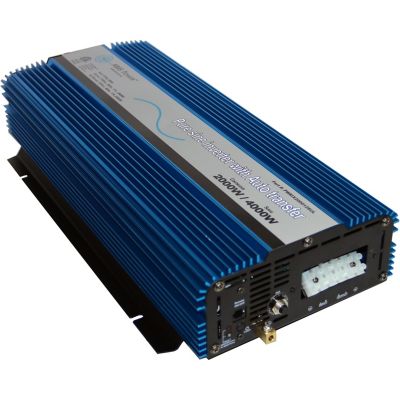
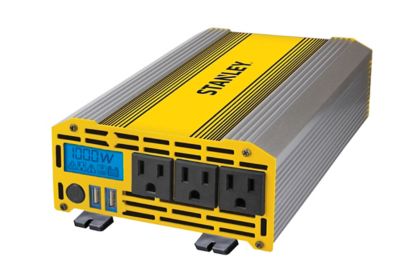
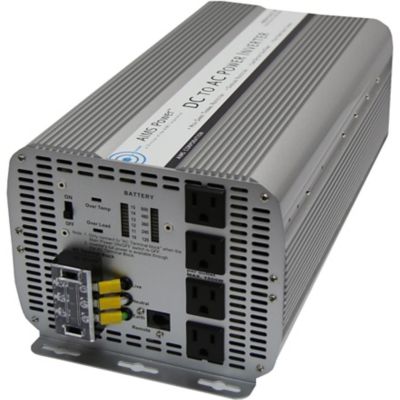
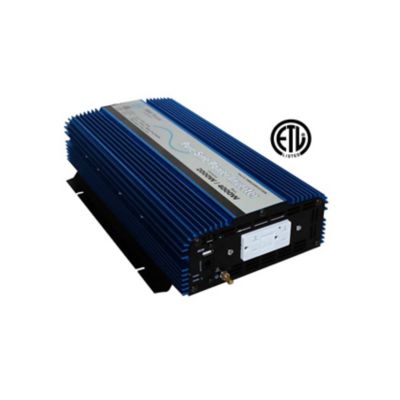
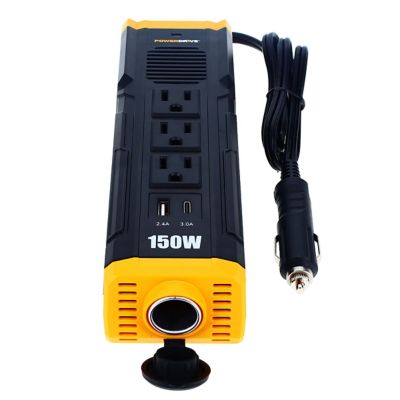
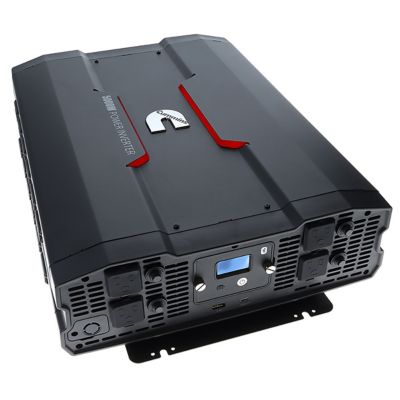
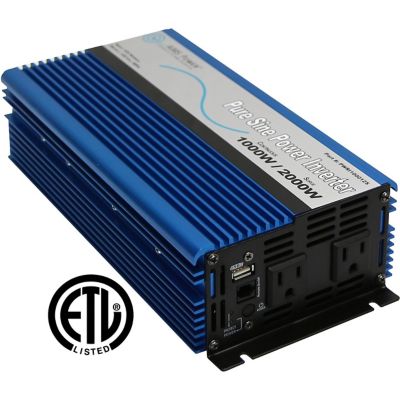
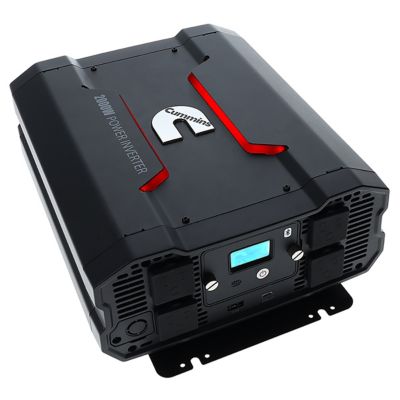
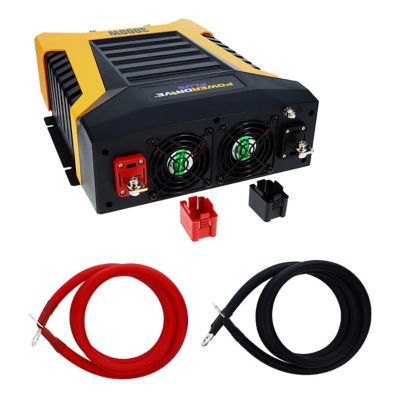
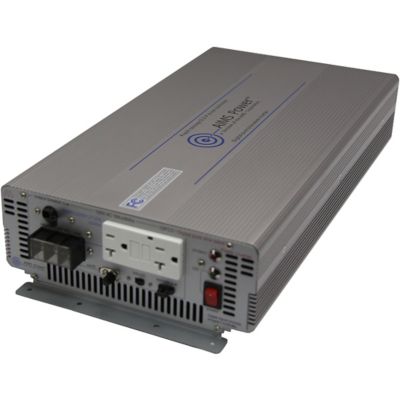
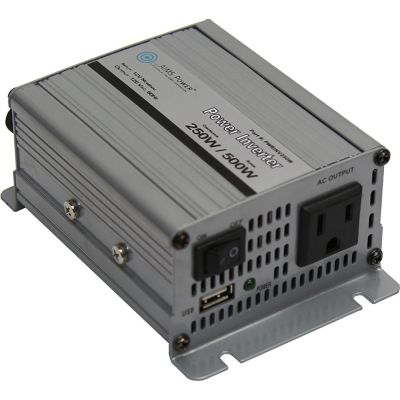
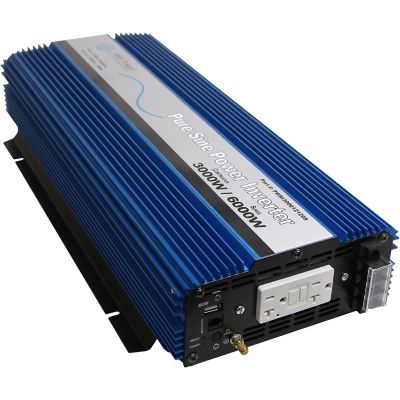
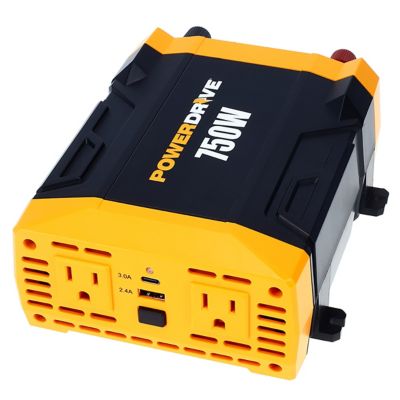
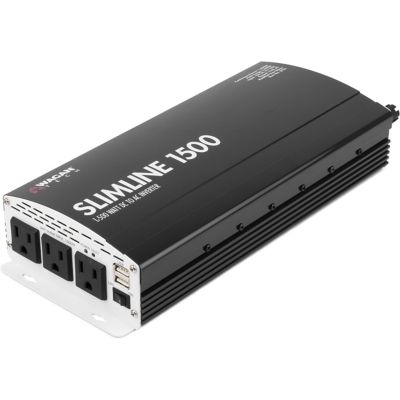
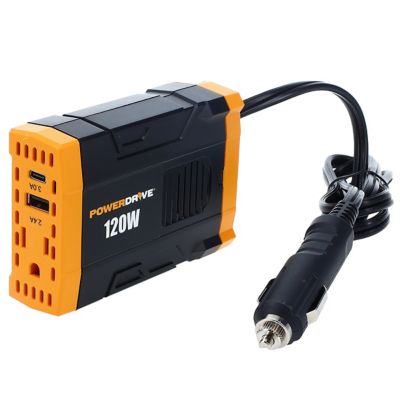
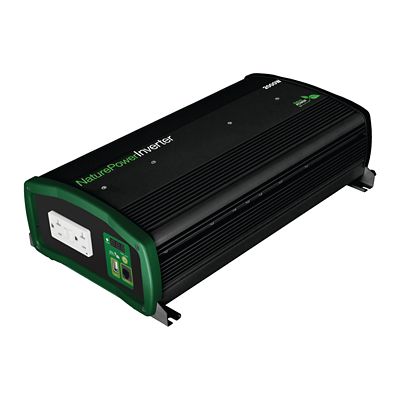
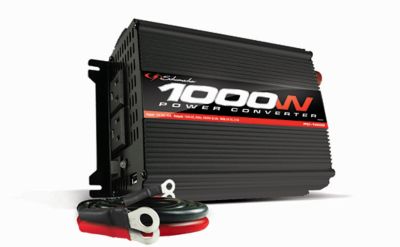
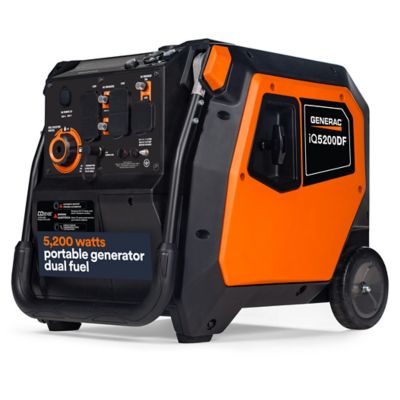
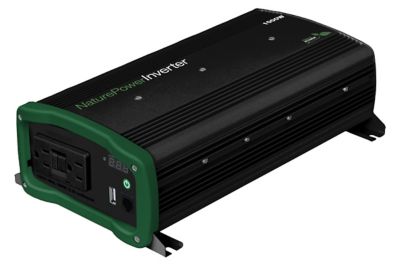
A vehicle power inverter converts direct current (DC) from a vehicle’s battery into alternating current (AC) for equipment that plugs into a household-style outlet. In a typical 12-volt vehicle, that means turning 12V DC into nominal 120V AC, giving a pickup, car, or properly equipped work vehicle another way to power compatible electronics away from a wall outlet. For someone keeping records between farm stops, charging cordless tool batteries near a fence line, or running a laptop at a parked jobsite, that extra connection can make the vehicle a more useful part of the workday. An inverter does not store electricity or recharge the vehicle battery on its own; it draws on the vehicle’s electrical system, with some energy lost in the conversion. Its usefulness depends on the battery, charging system, connection method, and equipment attached to it. Compact plug-in designs fit lighter electrical needs, while larger battery-connected designs support greater loads when the vehicle and installation can handle them. Options within
12V DC Inverters center on that common battery voltage, but input voltage still needs to match the vehicle rather than being assumed from its size or appearance. Some trucks and equipment have different electrical systems. Outlet count, cord reach, mounting space, and access to the controls also affect how comfortably an inverter fits into daily work. A unit that sits neatly beside a parked truck’s console serves a different purpose from one mounted in a service body with dedicated wiring. For anyone spending long stretches between buildings with electrical service, the practical appeal is straightforward: power for compatible equipment closer to where the work happens, without treating every vehicle outlet or battery as though it has the same capacity. Matching the setup to the actual task matters more than choosing the largest wattage printed on a housing.
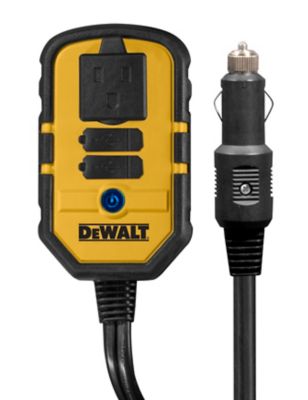
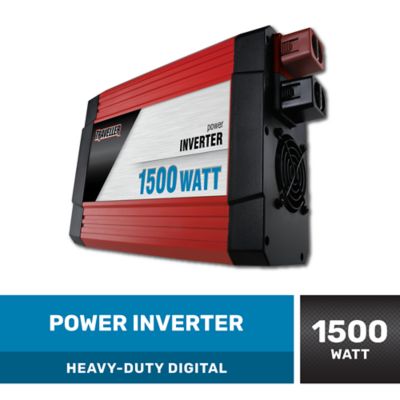
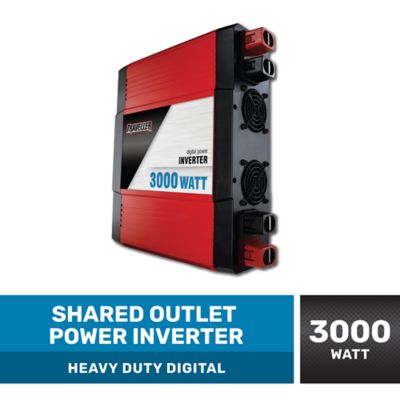
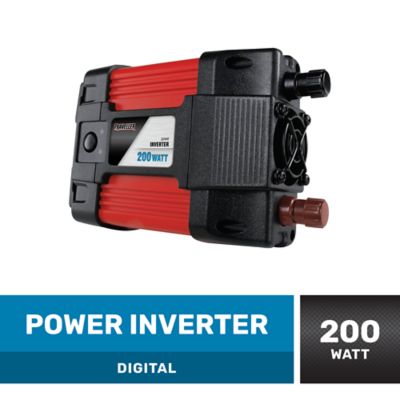
Wattage ratings help separate light-duty vehicle inverters from models intended for more demanding electrical loads. Continuous wattage describes the power an inverter can supply on an ongoing basis under its specified operating conditions. Surge or peak wattage describes a brief allowance for startup demand, not an output level it can maintain throughout a job. Motors and compressors can need substantially more power to start than to keep running, so a small refrigerator or motor-driven tool may require more inverter capacity than its running wattage suggests. The combined demand of everything connected matters, too. A laptop power adapter and a tool battery charger share the same power allowance when plugged into one inverter. Nameplate ratings and equipment manuals provide a better starting point than the number of outlets alone. Small socket-powered inverters often fall around 100 to 150 watts, but the vehicle socket’s stated limit, fuse rating, and inverter instructions determine what that connection can support. A higher inverter rating does not raise the capacity of the socket feeding it. Greater output generally calls for a direct battery connection with the specified cables, secure terminals, and properly rated circuit protection. At 1,000 watts of AC output, a 12-volt inverter draws more than 83 amps once conversion losses are included, which explains why cable size and installation details carry so much weight. Cable length also affects voltage drop, making a properly planned mounting location part of the electrical setup rather than just a matter of convenience. Output waveform is another important distinction. Pure sine wave inverters produce an AC waveform closer to utility power and are generally a better match for sensitive electronics and equipment whose manufacturers call for that output. Modified sine wave designs may suit some loads, but certain chargers, motors, and electronic controls can run poorly or may not be compatible. The equipment manufacturer’s requirements remain the deciding factor, especially when one inverter will serve several different tasks around a farm, campsite, or worksite.
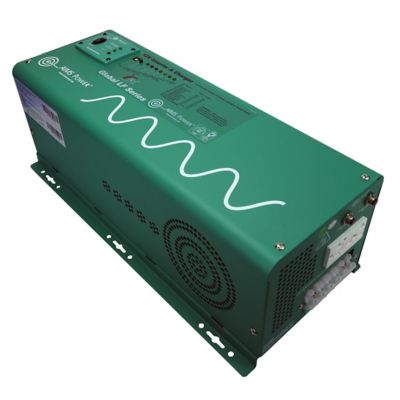
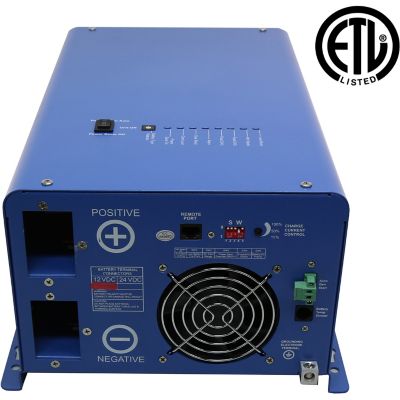
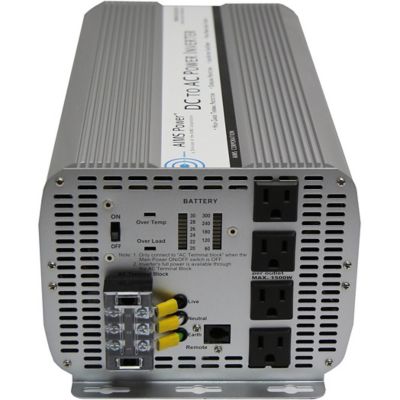
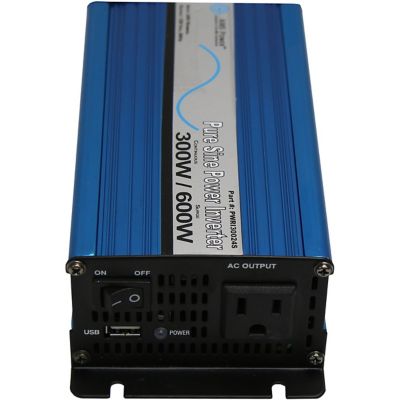
Physical construction and placement matter once an inverter becomes part of a working vehicle. Housings may include metal panels, aluminum heat-dissipating surfaces, or molded components, with fans and vents helping move heat away from internal parts. A metal case alone does not establish resistance to water, dust, or vibration; enclosure ratings and mounting instructions tell more about where a unit belongs. A sensible location keeps the inverter dry, secured against movement, and clear of loose tools, feed dust, clothing, and other material that could block airflow. It also leaves room for plugs without stretching cords across pedals, seat tracks, or walkways. Larger installations benefit from a qualified installer who can account for battery access, cable routing, circuit protection, and the vehicle manufacturer’s electrical limits. Protective features such as overload shutdown, short-circuit protection, and low-voltage cutoff can help protect the setup, but they do not replace correct wiring or guarantee enough battery power to start the vehicle afterward. With the engine off, an inverter draws down the battery, and a starting battery is not intended for repeated deep discharge. Even with the engine running, the charging system may not support a heavy inverter load along with the vehicle’s own electrical needs. Any engine-running operation belongs outdoors, away from doors, windows, and enclosed spaces; an open garage or barn door does not make indoor idling safe. Routine care includes disconnecting power as directed before cleaning, keeping vents clear, and checking cords, terminals, and mounting hardware for wear or looseness. Damaged cables or housings call for attention before the next job. For a rancher handling paperwork from a pickup, a contractor charging equipment between stops, or a traveler powering compatible electronics while parked, a well-matched inverter adds useful flexibility. The strongest fit comes from matching electrical capacity, waveform, connection style, and physical installation to the way the vehicle actually earns its keep.