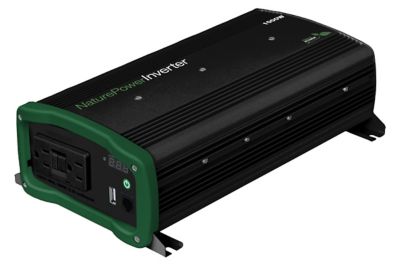
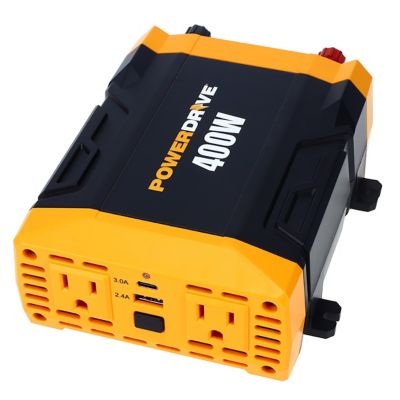
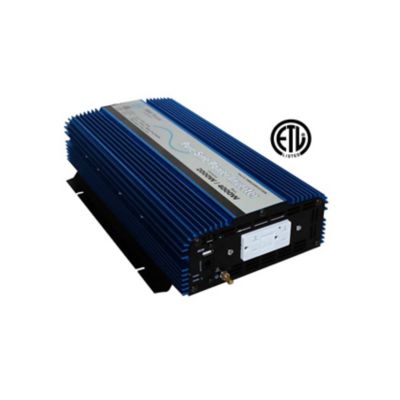
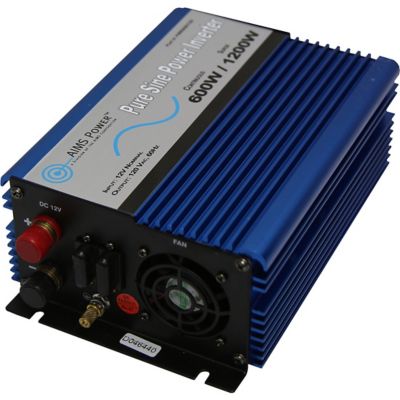
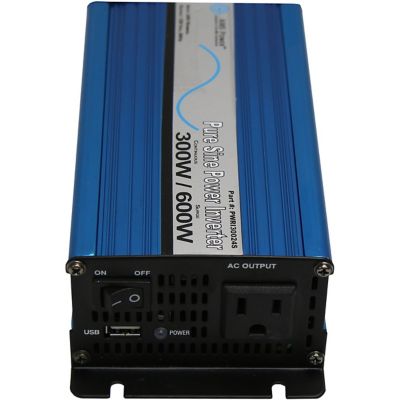
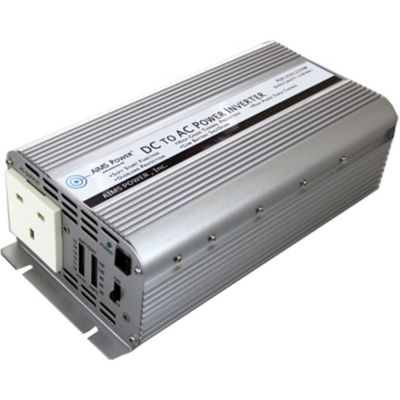
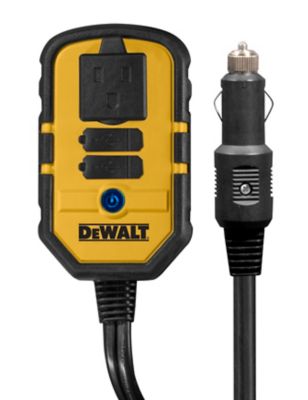
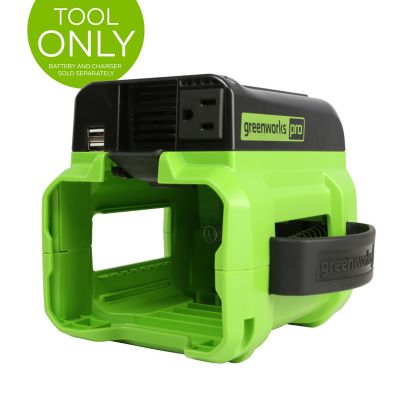
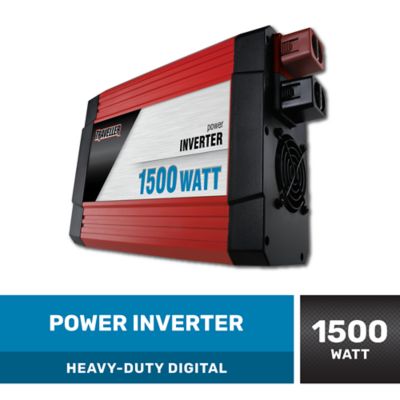
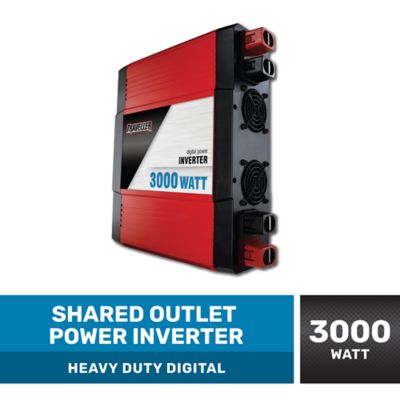
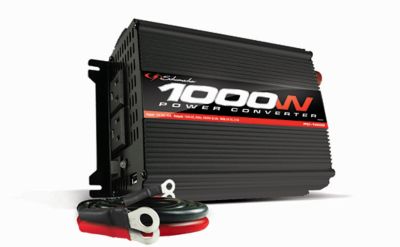
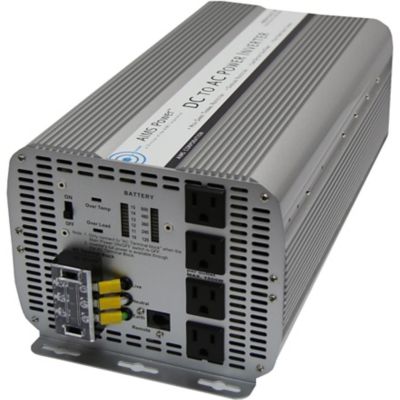
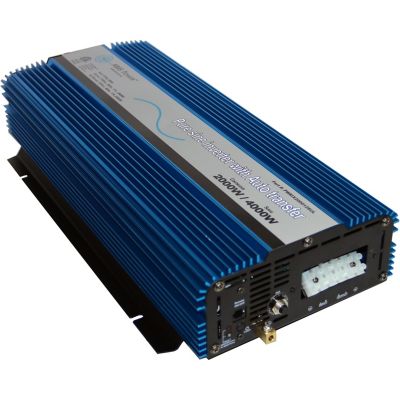
A DC-to-AC inverter converts direct current from a battery or compatible DC power system into alternating current for appliances, chargers and other electrical equipment. Many models supply the 120-volt, 60-hertz AC power common in American homes, making battery power useful beyond equipment with a DC plug. Around a farm, at a remote worksite or beside a camper, an inverter can support tasks such as charging cordless-tool batteries, powering a laptop or running a small appliance when a wall outlet is out of reach. An inverter does not create electricity or replenish its battery; its operating time depends on the energy available from the connected power source. That distinction matters when comparing a compact unit for electronics with a larger setup for equipment that draws more power. Continuous wattage describes the load an inverter can support during normal operation, while surge wattage describes the brief extra output it can supply when certain devices start. Motors, compressors and pumps may need considerably more power at startup than they draw once running, and the length of that starting surge matters along with its size. Multiple outlets share the inverter’s overall capacity, so extra receptacles do not mean extra wattage. Output waveform is another important difference. Pure sine wave inverters produce a smooth AC waveform and are often the better match for sensitive electronics, variable-speed equipment and appliances whose manufacturers specify that power type. Modified sine wave inverters produce a stepped waveform that may suit some basic loads, but compatibility varies. Some equipment may hum, operate differently or require pure sine wave power instead. The electrical requirements listed for both the inverter and the connected equipment carry more weight than appearance or outlet count. For a truck cab full of charging cables or a workbench away from the barn, the useful match is one that covers the actual load, including startup demands, without stretching the battery system beyond its limits.
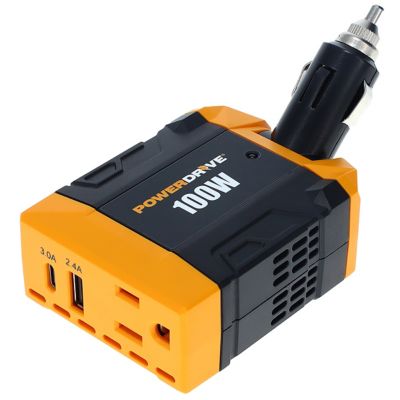
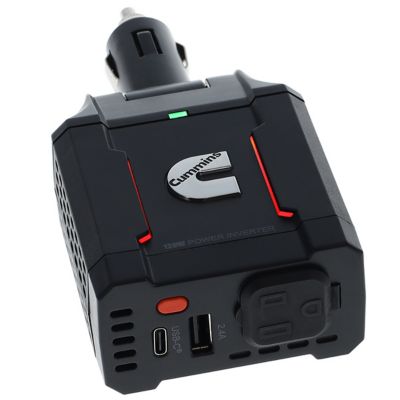
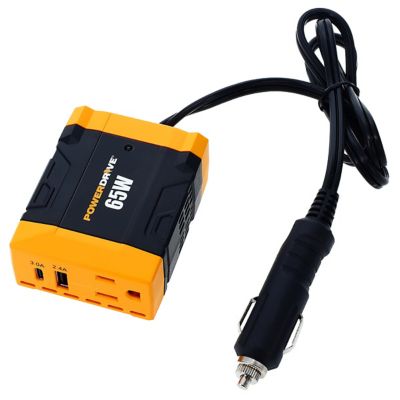
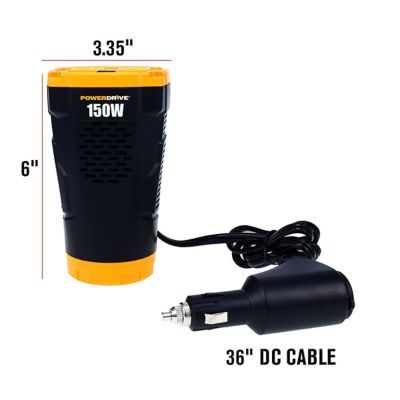
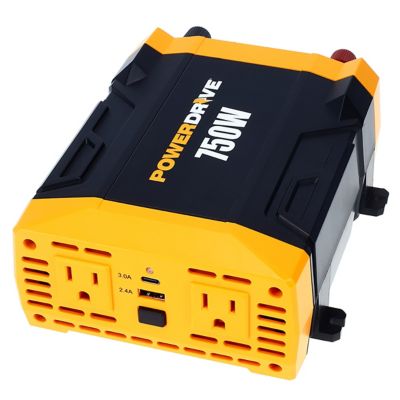
Physical fit and electrical fit both shape how well a DC-to-AC power inverter works in a vehicle, trailer or stationary battery setup. Input voltage must match the power source: an inverter designed for a 12-volt battery system is not interchangeable with a model intended for 24-volt or 48-volt service. Connection style matters just as much. Smaller units may connect through a vehicle accessory receptacle, while higher-output units generally require a properly sized, fused connection directly to the battery. The vehicle receptacle, its wiring and its fuse impose their own limits, even when the inverter carries a higher wattage rating. The
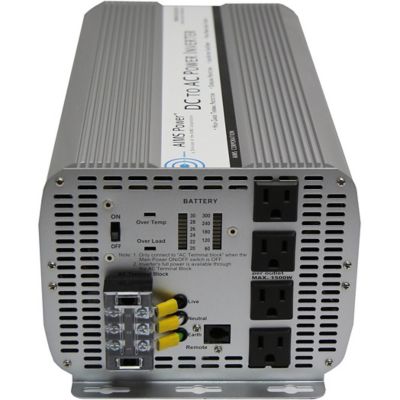
Inverters for Vehicles category is relevant to setups in pickups, work trucks and other vehicles, where mounting space, cable routing and access to outlets all affect everyday convenience. A compact housing can fit more easily around a cab or storage compartment, but the installation still needs the clearance and ventilation specified by the manufacturer. Mounting points, terminal placement and cord reach help determine whether a unit suits a particular spot. Cable length and wire size affect voltage drop, especially on the battery side, where a substantial AC load can demand considerable DC current. Secure terminals, appropriate circuit protection and protected cable routes are important parts of the complete setup, not just finishing touches. Grounded AC outlets, readable displays and accessible switches can make routine operation easier, while overload protection and low-voltage shutdown provide safeguards within the limits described in the manual. Low-voltage shutdown does not guarantee that a vehicle battery will retain enough charge to start the engine. Any setup that depends on a running engine also requires attention to exhaust safety; an engine belongs outdoors, away from enclosed spaces and building openings. Permanent wiring, grounding arrangements and connections to building circuits call for equipment intended for that purpose and qualified installation, never a cord feeding power backward through a wall outlet.
Battery capacity has a direct effect on what an inverter can accomplish between charges. A high wattage rating describes output capability, not how long the system will run. A 100-watt load operating for four hours needs 400 watt-hours of energy at the AC outlet, with additional energy drawn from the battery to cover conversion losses and the inverter’s own consumption. Actual operating time also depends on battery condition, battery chemistry, discharge limits and whether other equipment shares the same source. A starting battery and a deep-cycle battery serve different jobs, so long stretches of stationary operation call for more consideration than a quick charging stop. Standby draw matters when an inverter stays switched on while connected equipment sits idle, and an energy-saving mode may help in applications with intermittent loads if it suits the equipment attached. For solar-powered arrangements, the inverter must fit the complete system, including its battery bank, charging equipment and intended operating mode. A portable battery inverter is not a substitute for equipment designed to connect a solar installation to the electrical grid. Construction also deserves attention in places where tools, feed sacks and cords share close quarters. Housing materials, supported terminals, protected controls, mounting brackets and strain relief around leads can affect how well a unit stands up to regular handling. Metal housings may offer a firm mounting structure, while lighter designs can be easier to move between appropriate locations. Neither style removes the need for protection from impacts, moisture and accumulated dust. Clear vents and cooling-fan openings help support normal operation, and cleaning should follow the manufacturer’s directions with power disconnected. Frayed leads, loose connections or damaged outlet faces need attention before another job. An inverter with suitable capacity, compatible output and sensible placement can make a battery bank useful for chores far from an outlet, whether the task is keeping communication equipment powered, supporting a mobile workspace or running essential equipment within the system’s limits.