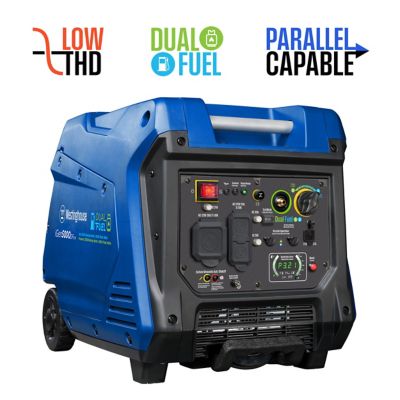
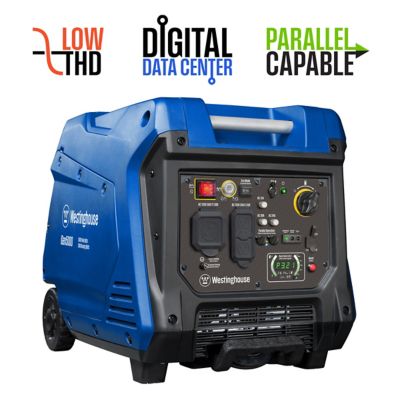
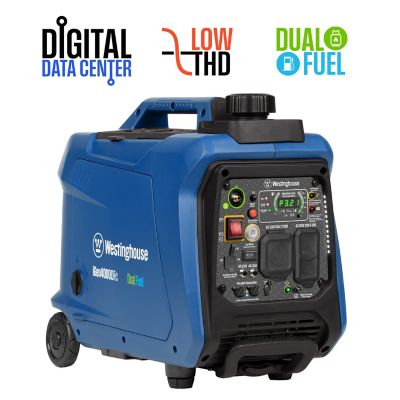
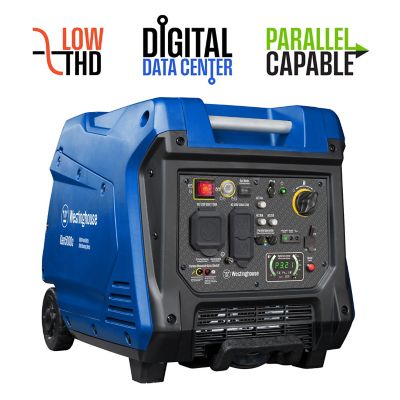
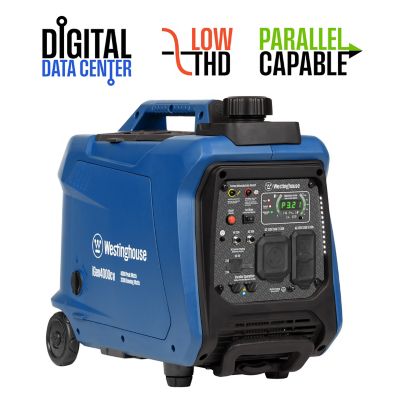
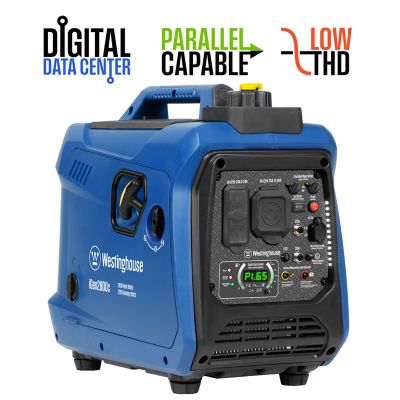
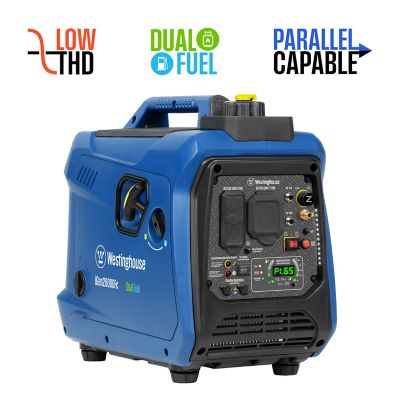
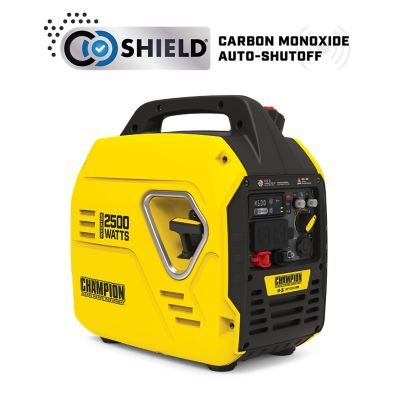
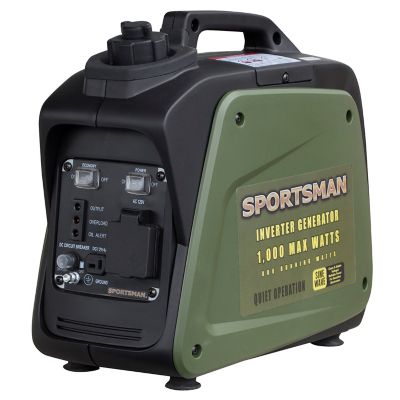
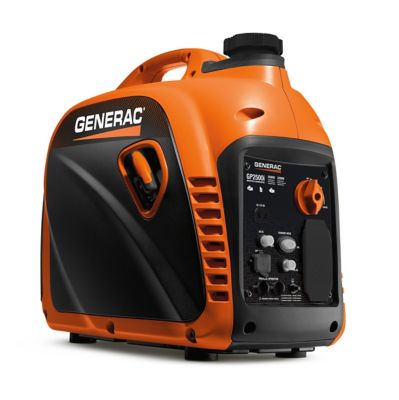
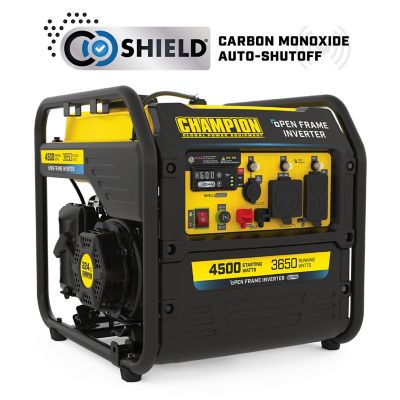
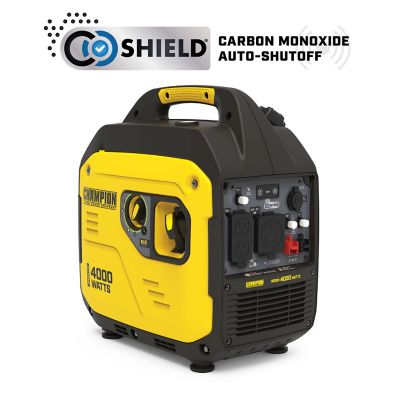
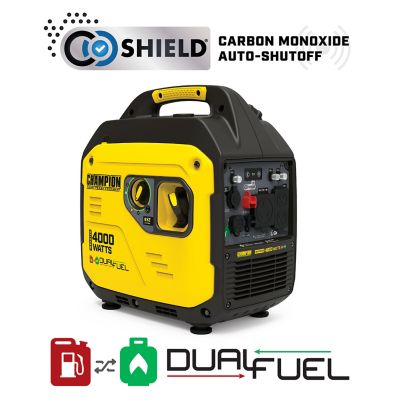
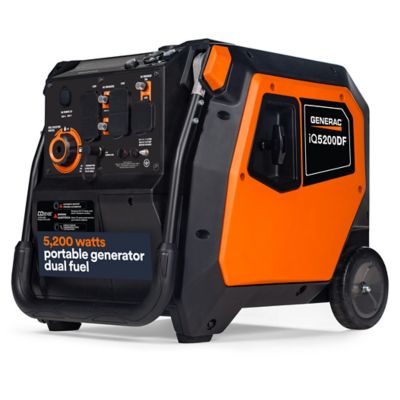
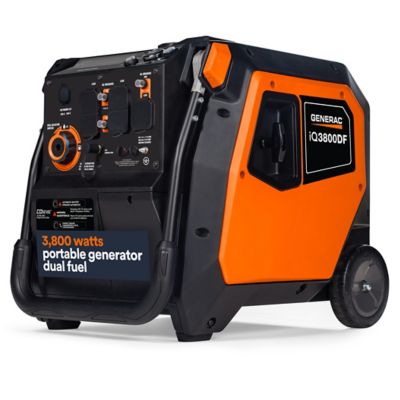
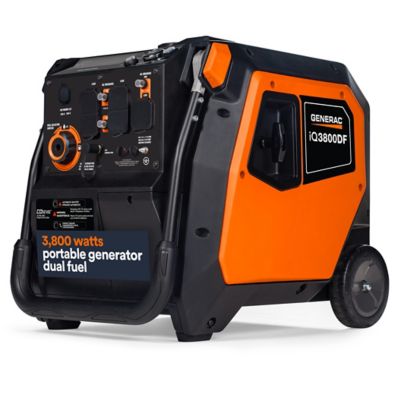
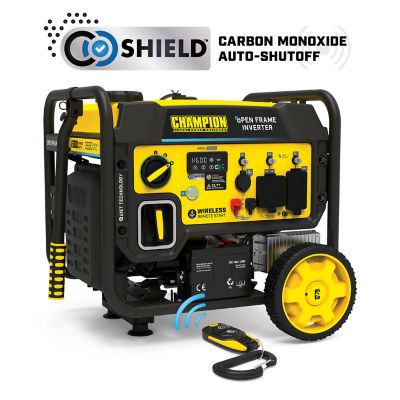
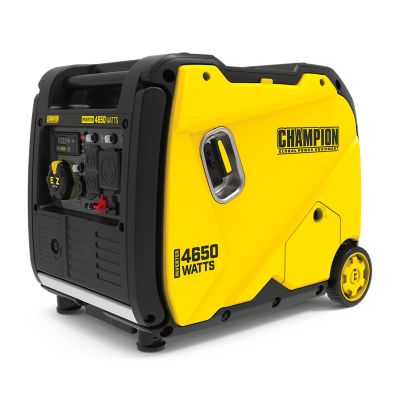
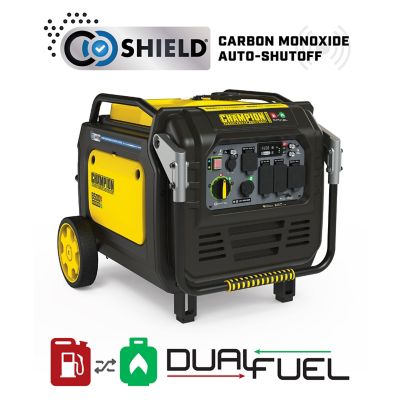
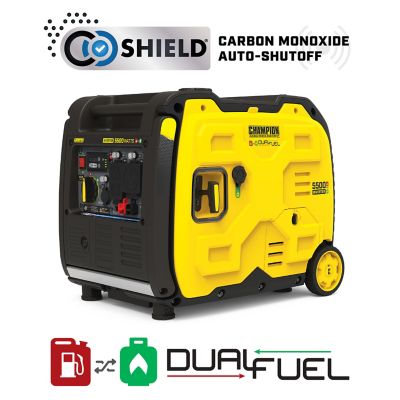
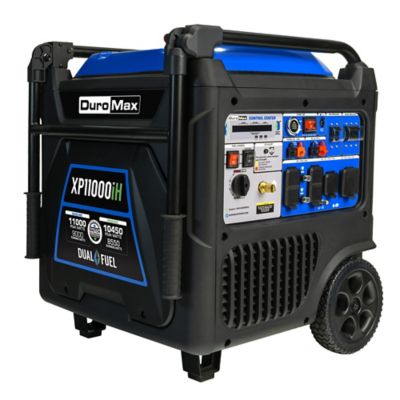
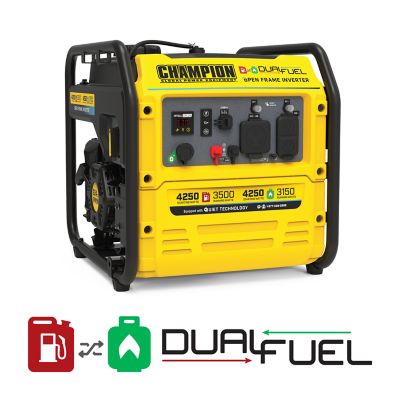
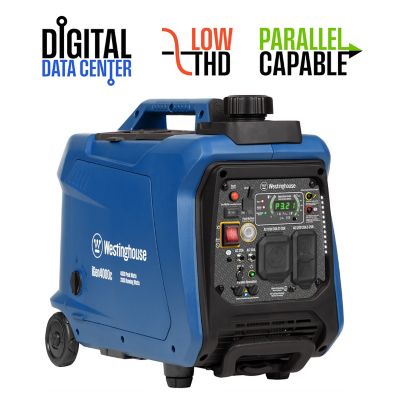
Inverter power generators provide portable electricity for chores around the property, trips away from hookups and essential appliances during a power outage. A fuel-powered engine drives an alternator, and electronic circuitry converts the electricity to direct current before turning it back into controlled alternating current. That extra conversion helps produce steady voltage and frequency for equipment that needs consistent power. Many inverter generators specify total harmonic distortion below 3%, though the actual rating depends on the model and operating conditions. Checking that specification alongside an appliance’s power requirements matters more than assuming every inverter generator has the same output. Compared with a conventional fixed-speed generator, an inverter model can often adjust engine speed to match the electrical load, helping conserve fuel and reduce sound when demand is light. That makes this category a practical fit for anything from charging cordless tool batteries near a fence repair to running a refrigerator and a few lights when utility service is interrupted. Running watts describe the power a generator can supply continuously, while starting watts cover the brief extra demand of motors and compressors. A refrigerator, sump pump or air compressor may need considerably more power to start than to keep running. The combined load, including overlapping startup demands, determines whether a generator has enough capacity for the job. Smaller portable inverter generators suit lighter electrical needs, while larger models can support more equipment at once within their rated limits. Wattage alone does not tell the whole story, either. Outlet configuration, amperage and voltage must match the intended equipment; a generator with only 120-volt output cannot supply a 240-volt load. For a workshop, campsite or home backup setup, the right fit comes from matching those electrical details to the actual work rather than choosing by the largest number on the housing. Electronics with strict power requirements still call for a check of both the generator specifications and the device manufacturer’s guidance.
Portability makes a real difference when the power source needs to move from a storage shed to a truck bed, then across a campsite or out toward a work area. Compact enclosed inverter generators often have molded housings and built-in carrying handles, while larger designs may combine metal frames, folding handles and wheels. A lighter housing can make lifting easier, but total operating weight also includes fuel and oil. Handle placement, wheel size and ground clearance deserve attention when gravel, grass or uneven ground lies between the parking spot and the job. Enclosed housings and vibration-isolating mounts can help limit sound, although noise ratings only make sense when the listed distance and load conditions are considered. An engine supplying a heavy load will generally sound different from one charging a phone and powering a lamp. For camping and RV travel, outlet compatibility is just as important as carry weight. An RV-style receptacle can simplify the connection when its voltage, amperage and plug configuration match the trailer, but it does not increase the generator’s available wattage. Air conditioners and other motor-driven appliances can have substantial startup demands. The
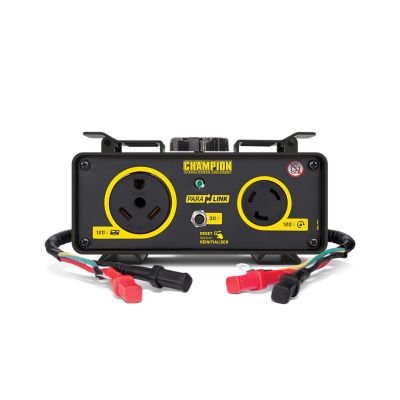
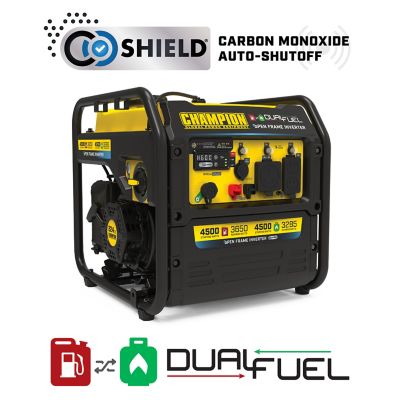
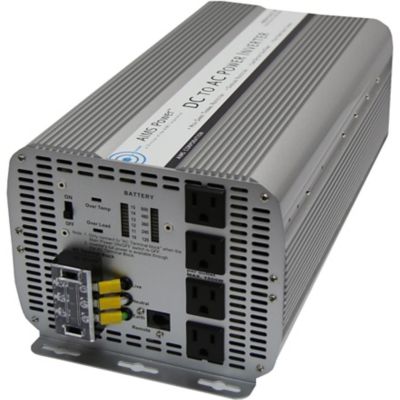
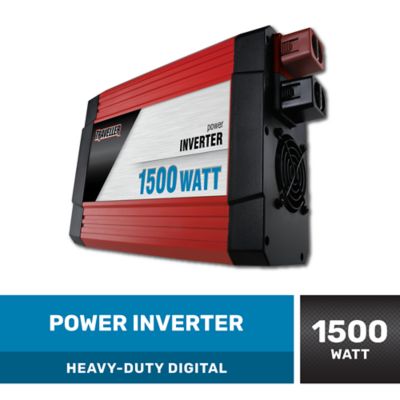
Inverter For Campers selection relates to another part of a camping power setup: a standalone inverter draws from a compatible battery system, while a fuel-powered inverter generator produces electricity with an engine. Fuel choice brings another set of practical differences. Gasoline models fit setups where gasoline is already kept for equipment, while dual-fuel models offer gasoline and propane operation. Output and runtime can differ by fuel, so both ratings matter. Runtime figures also depend on tank capacity and electrical load, not simply engine size. Parallel capability is another feature on some models, allowing compatible generators to work together with an approved connection kit. It is not universal, and matching compatibility requirements matters before planning around a two-generator setup.
Construction, upkeep and safety features all affect how an inverter generator fits into everyday life around a home, farm or campsite. Metal frames help protect larger assemblies during handling, molded panels shield enclosed components, and rubber mounts help control vibration. Accessible oil-fill points, service panels and air filters make routine maintenance less of a chore, especially when the generator gets regular work away from the house. Oil changes, filter care and spark plug checks should follow the manufacturer’s schedule, including any initial break-in service. Gasoline storage also deserves attention: fuel can deteriorate over time, so storage preparation may involve an approved stabilizer or draining specified parts of the fuel system according to the manual. A storage cover belongs on a cool, stopped generator, never over a running engine. Low-oil shutdown, overload protection and carbon monoxide shutdown are helpful features, but none replaces proper operation. Every fuel-burning generator must run outdoors, at least 20 feet from homes and other occupied buildings, with exhaust directed away from doors, windows and vents. Garages, barns, sheds, tents and RV interiors are not safe operating locations, even with doors open. Working carbon monoxide alarms inside occupied spaces add another important layer of protection. Refueling requires shutting the engine down and allowing it to cool, with fuel kept in approved containers away from ignition sources. Power connections need the same care as engine maintenance. Outdoor-rated extension cords must have enough capacity for the connected load and enough reach to maintain safe generator placement. Connecting a generator to household wiring requires properly installed transfer equipment and a qualified electrician; feeding electricity through a wall outlet can endanger utility workers and people nearby. For someone keeping a freezer running, powering tools beyond the reach of a building outlet or setting up a trailer away from hookups, these practical details matter as much as wattage. A generator that fits the load, can be moved safely and has straightforward service access is better suited to the work ahead.