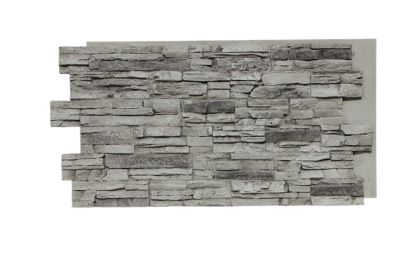
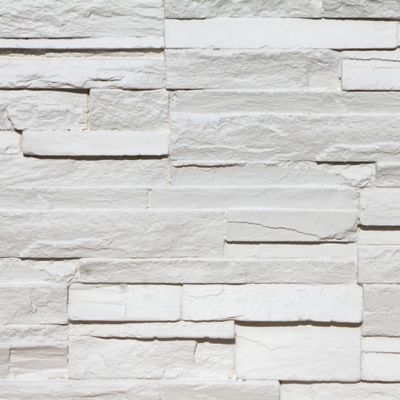
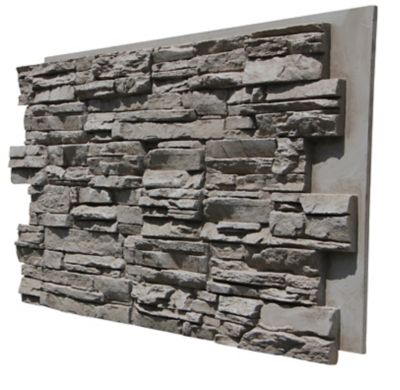
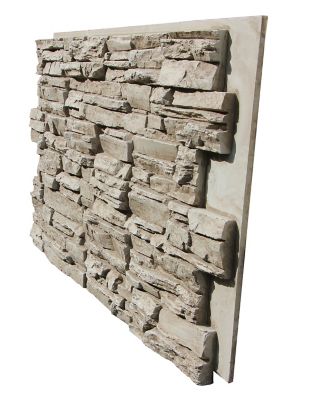
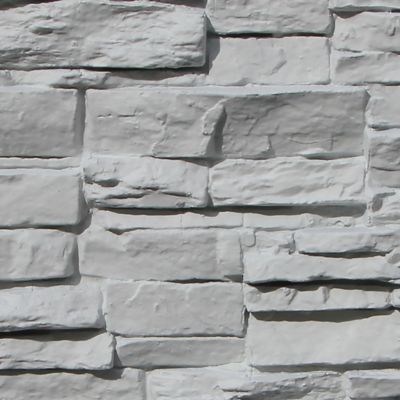
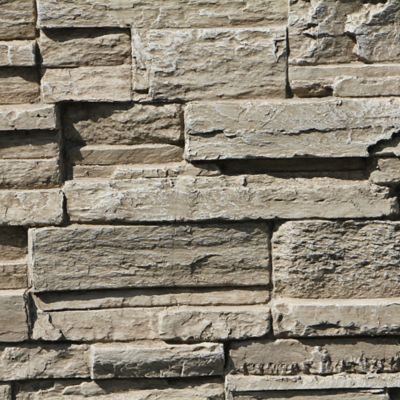
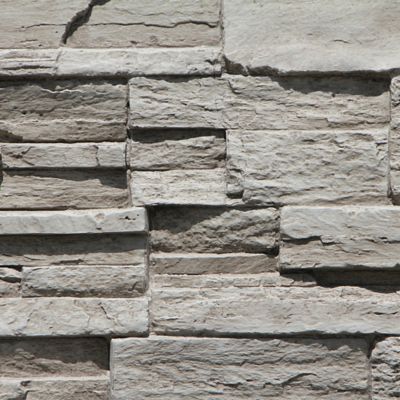
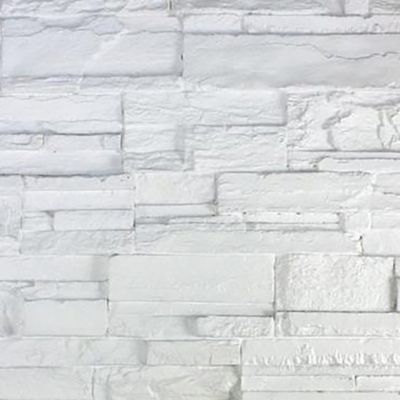
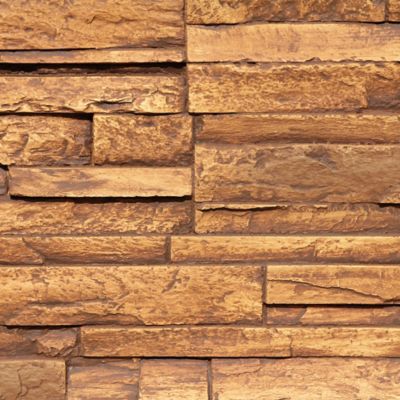
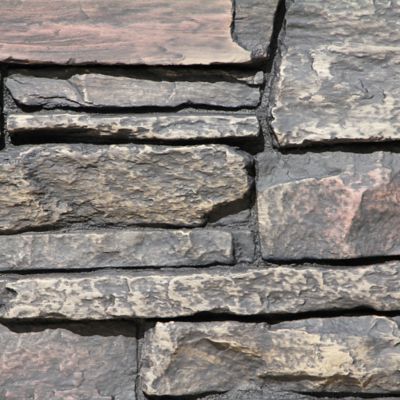
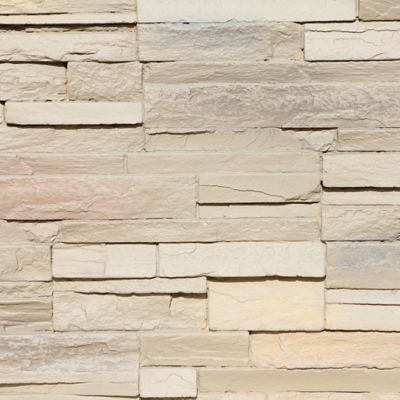
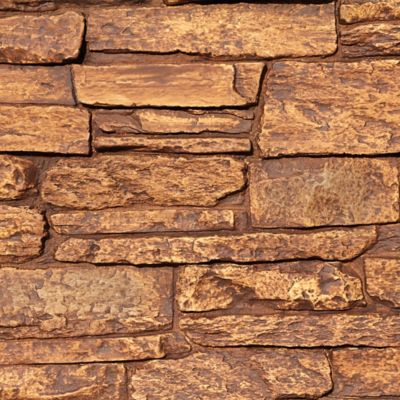
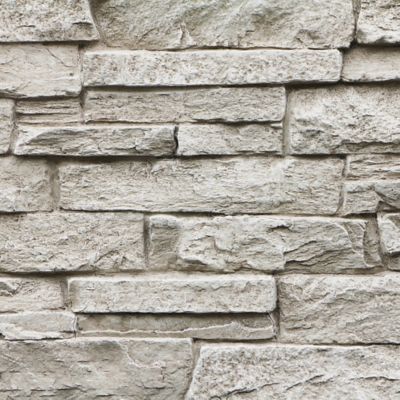
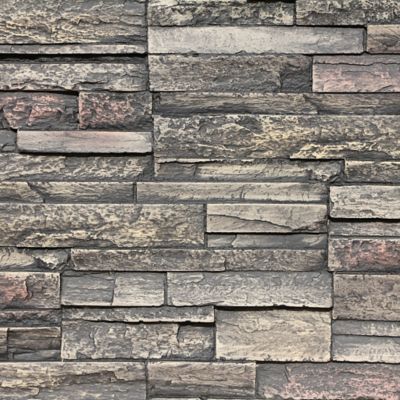
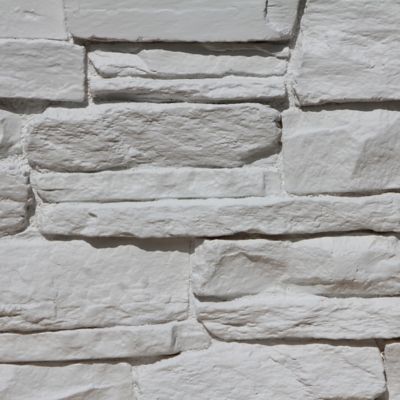
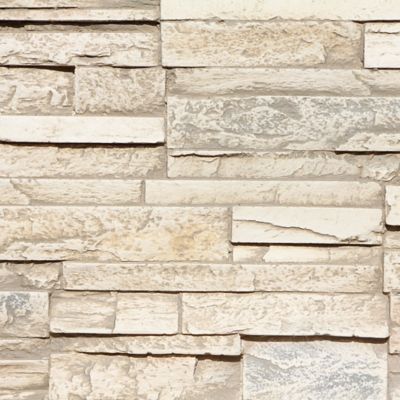
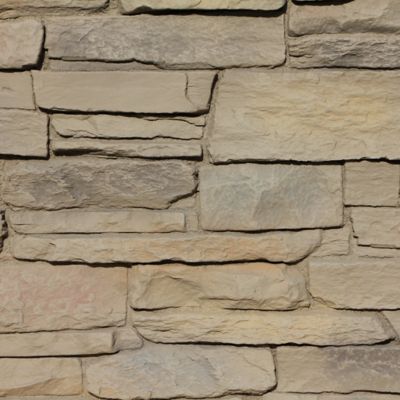
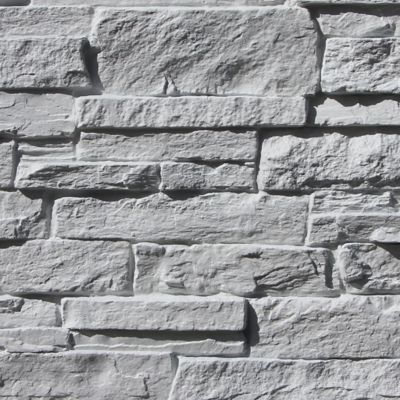
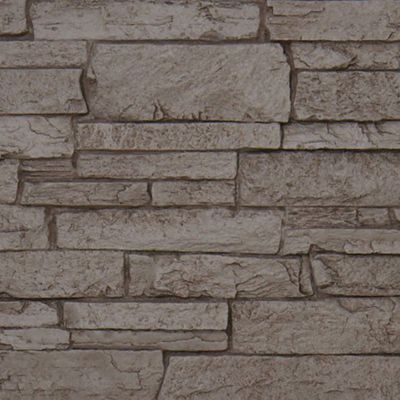
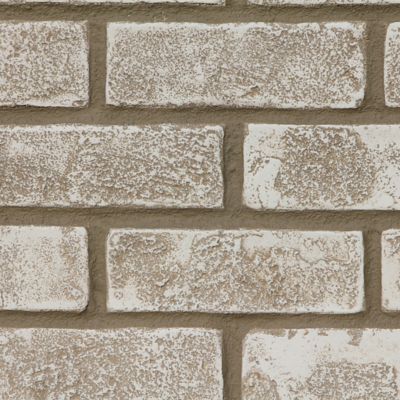
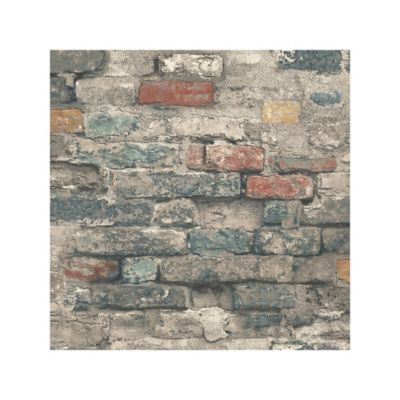
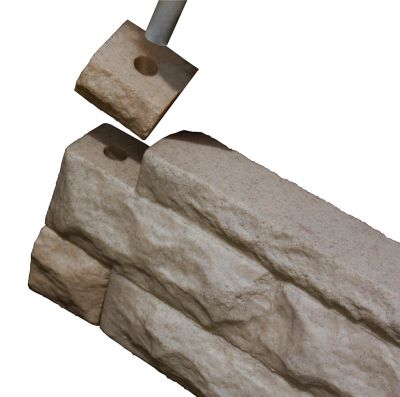
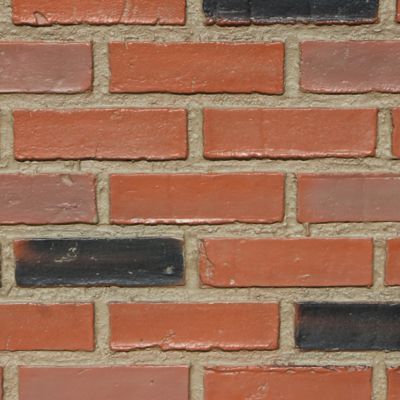
Interior faux stone wall panels bring the look of a stone wall into rooms where full masonry may not be practical. They can add depth behind a television, give a mudroom a sturdy lodge-like feel, or create a warm backdrop around a seating area, entryway, kitchen island, or home office. In a farmhouse, cabin, workshop, or country home, stone-look panels pair well with wood shelving, iron hardware, leather seating, plaid textiles, and other hardworking finishes. They also help break up a large blank wall without making the room feel busy. During the cooler months, a stone-style surface can make a room feel especially inviting, whether it frames a fireplace, adds character to a family room, or gives a basement gathering space a more finished appearance. For rooms with limited natural light, lighter gray, cream, tan, or mixed-stone tones can help keep the space open. Deeper brown, charcoal, and slate shades can create a grounded backdrop where lamps, warm bulbs, and wood accents stand out. Since color can shift under daylight, overhead fixtures, and evening lamps, it helps to think about how the wall will look throughout the day before selecting a panel style. Texture matters, too. A pronounced raised surface creates strong shadows and a rugged feel, while a more even profile may work better in a narrow hall or smaller room where too much visual depth could feel crowded.
Before buying, measure the wall area and compare it with the coverage listed for each panel, allowing for cuts around doors, windows, outlets, corners, and trim. A simple sketch of the wall can help you estimate how many full panels will fit and where seams may land. Keep the room’s existing lines in mind: panels look more settled when their edges meet trim, cabinets, or corner pieces cleanly rather than stopping in an awkward spot. Check the panel thickness as well, especially near door casings, baseboards, light switches, and built-in shelving. Some rooms may need extra space for trim or outlet extensions after the wall surface is installed. Review the recommended mounting method and make sure the wall is clean, dry, sound, and free of loose paint or peeling material. Depending on the panel construction and wall condition, installation may call for adhesive, screws, clips, or another approved fastening method. Follow the product directions for spacing, cutting, ventilation, and cleanup, and confirm that the panel is suitable for the intended location. A panel made for general interior walls may not be rated for direct heat, damp areas, or contact with a fireplace opening. For a fireplace surround, cooking area, bathroom, laundry room, or enclosed porch, check moisture and heat guidance before placing an order. Think about maintenance, too. Raised stone patterns can collect dust in their grooves, so a surface that can be gently brushed or wiped may be easier to live with in busy rooms. Families with pets, children, muddy boots, or frequent visitors may prefer a texture and color that do not show every bit of daily activity.
These panels can suit homeowners refreshing a tired room, landlords preparing a rental between occupants, hunters and anglers fitting out a cabin, or anyone giving a workshop, garage lounge, or entryway a stronger sense of place. They may also make a practical housewarming gift when you know someone is settling into a new home and has a project wall in mind. A panel collection can be paired with other home project supplies, such as measuring tools, wall fasteners, trim, corner pieces, lighting, or shelving, so the recipient has a clear starting point for a room update. For a small space, a single accent wall behind a bench or coat rack may be enough to change the feel of the room without covering every surface. In a larger family room, panels can help define a reading nook, dining area, or entertainment wall within an open floor plan. They also work well as a backdrop for signs, framed photos, clocks, antler-style accents, or shelves filled with everyday belongings, though leaving some open wall around the panel can keep the room from feeling crowded. If your project continues outdoors, browse
Large Faux Rocks for Landscaping for another stone-inspired way to carry a natural look beyond the walls. Whether the goal is a cozy cabin feel, a clean farmhouse finish, or a more rugged workshop setting, compare panel size, texture, color, coverage, installation needs, and room conditions before choosing. A little planning around edges, lighting, and nearby materials can help the finished wall look like it belongs in the space from the start.