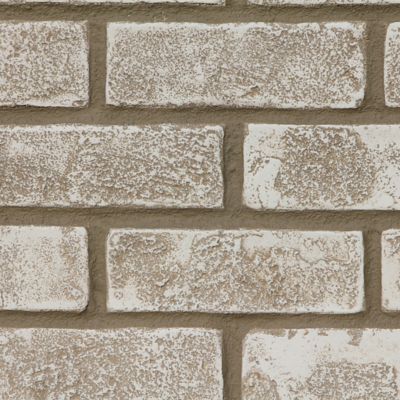
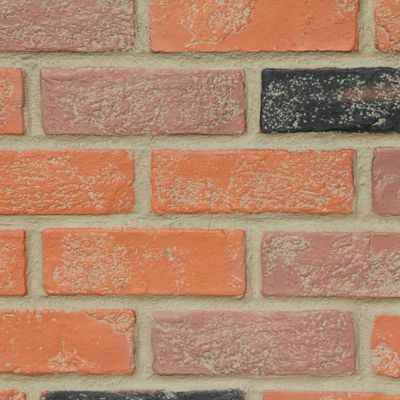
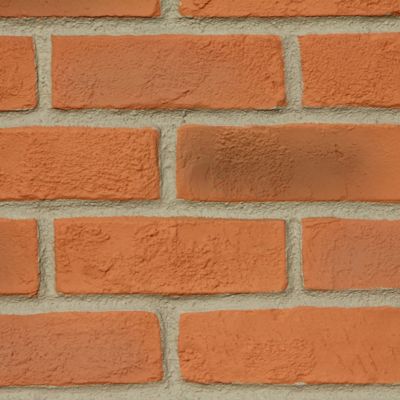
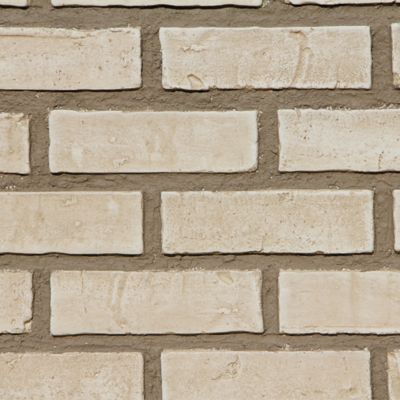
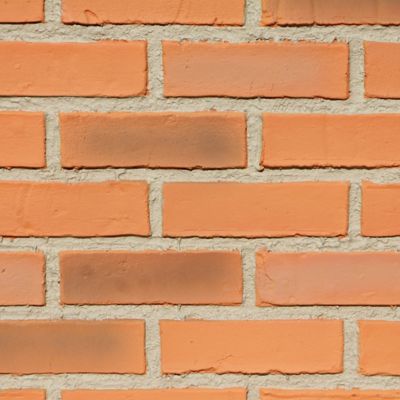
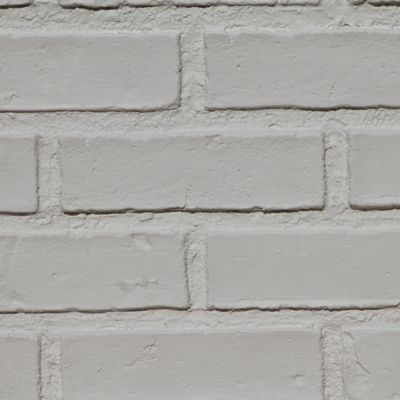
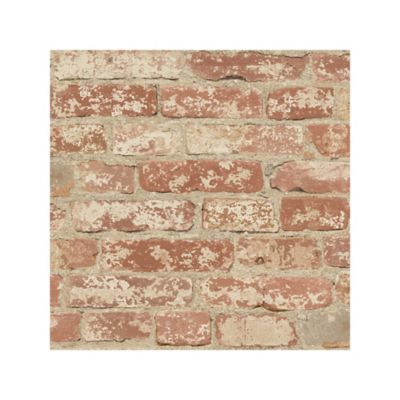
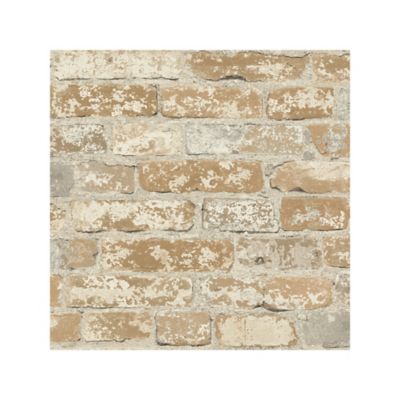
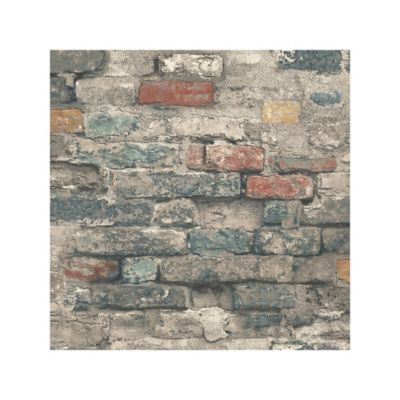
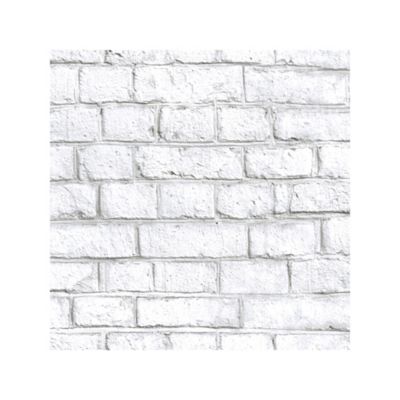
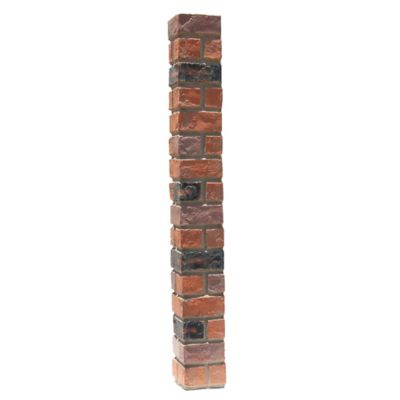
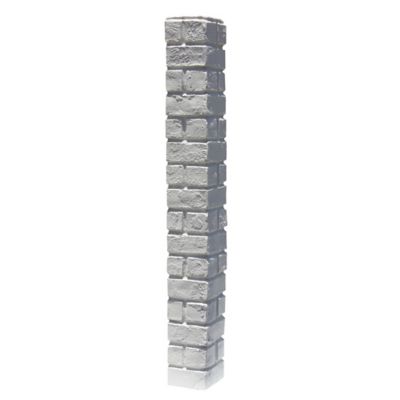
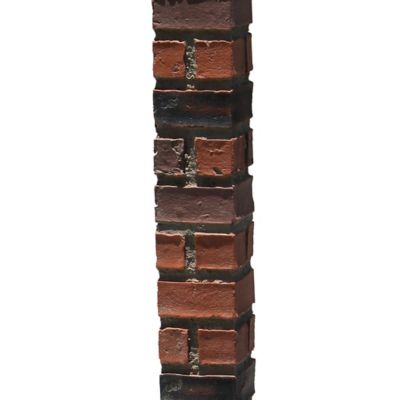
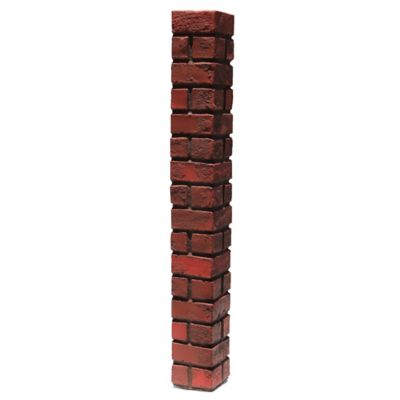
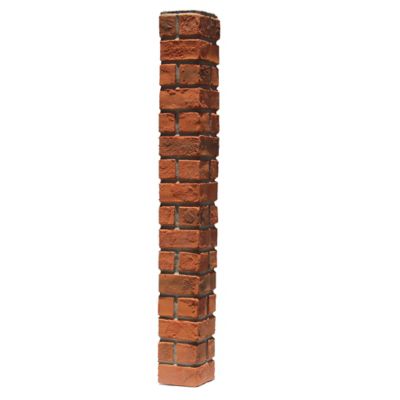
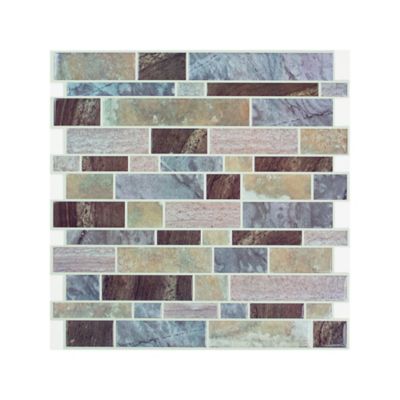
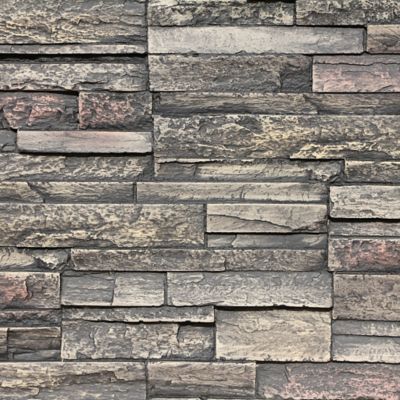
Interior faux brick wall panels bring the look of an old masonry wall indoors without the weight, mess and expense of laying real brick. They can add warmth to a living room, mudroom, hallway, kitchen, bedroom or finished basement, giving a plain wall the kind of texture that makes a space feel settled and lived in. In a farmhouse, cabin or country home, brick-look panels fit naturally with wood floors, barn-style doors, metal lighting and comfortable, hardworking furniture. They can also add character to a newer home where the walls feel a little too smooth or plain. During the cooler months, a brick pattern paired with warm lighting, woven blankets and natural wood can make a room feel especially welcoming. These panels are also useful for smaller updates, such as creating a backdrop behind a television, framing a fireplace surround where approved, dressing up a breakfast nook or giving a home office a more finished appearance. A few well-placed panels may be all it takes to define a space without taking on a full room remodel. For shoppers who enjoy changing up their home décor, faux brick offers a simple way to introduce the appearance of classic masonry while keeping the room flexible. It may also make a thoughtful housewarming gift for someone settling into a new home, renovating a spare room or building out a workshop, studio or entertaining area. Before choosing a style, consider the overall feel of the room and the other materials already in place. Soft white or light gray brick can brighten a dark hallway and blend with a clean, farmhouse-inspired look, while deeper red, brown or weathered finishes can create a more rustic, traditional feel. A panel with pronounced texture may become the main feature of a wall, whereas a subtler pattern works well behind shelves, artwork or furniture.
Measuring the space carefully is one of the best ways to make a faux brick wall project go smoothly. Check the total wall height and width, then account for windows, doors, outlets, trim and corners. It helps to order or select enough material to cover the full area while allowing for cuts and pattern matching, since a little extra can be valuable when working around a light switch or an uneven corner. Compare panel dimensions, thickness and coverage rather than judging size by appearance alone. Some wall panels are designed to overlap or meet edge to edge, and the finished look may depend on how the seams line up. Look closely at the color variation and brick pattern, too. Repeating sections can be less noticeable on a small accent area but more visible across a long wall. A staggered layout, trim pieces or furniture placement can help the finished surface look more natural. The wall itself should be clean, dry and reasonably smooth, with loose paint, dust and grease removed before installation. Follow the manufacturer’s recommendations for adhesives, screws, nails, cutting tools and indoor use, and take extra care around electrical outlets, plumbing and heat sources. If the panels will be used near a stove, fireplace or other warm area, verify that the material is suitable for that location and maintain any required clearances. Bathrooms, laundry rooms and damp basements also deserve a closer look at moisture guidance, ventilation and sealants. Faux brick is intended to create a decorative masonry appearance, not to replace structural brick or provide the same protection as a masonry wall. Renters and shoppers working in temporary spaces should check with a landlord before attaching anything, especially when an installation may leave holes or adhesive residue. For a coordinated decorative update in another part of the home,
Decorative Screen Panels can offer a different kind of texture and visual separation.
Faux brick wall panels are a practical choice for many kinds of spaces and people. A homeowner may use them to give a dated den a fresh backdrop, while a small-business owner could use them to add personality to a salon, café-style seating area, retail counter or office reception space. They can also be handy in a hunting room, game room, workshop office or converted outbuilding where a durable-looking wall treatment helps tie the room together. Families often choose brick-look accents for entryways and mudrooms because the pattern helps conceal small marks and everyday wear better than a completely plain surface, though the panels should still be cleaned according to their care instructions. A young adult moving into a first home may appreciate a manageable accent wall project, and a friend who enjoys woodworking, home improvement or rustic decorating may find panels useful for a future renovation. When planning the finished room, think beyond the wall itself. Black or oil-rubbed metal can bring out darker mortar lines, while warm wood shelves and leather seating can make red or brown brick feel comfortable rather than heavy. Light-colored furnishings, simple hardware and plenty of open space can keep a textured wall from overwhelming a smaller room. During changing seasons, the same backdrop can support different décor, from baskets and greenery as the weather warms to heavier textiles and soft lamps during colder stretches. Keep cleaning simple by using a soft cloth or the method recommended for the panel material, and avoid harsh products unless the manufacturer specifically approves them. Store any extra pieces in a dry, protected place for future repairs or small additions. With the right measurements, a compatible wall surface and a finish that suits the room, interior faux brick wall panels can deliver the character of old brick in a lighter, more approachable format—one that works just as well in a country home as it does in a modern space that needs a little more warmth.