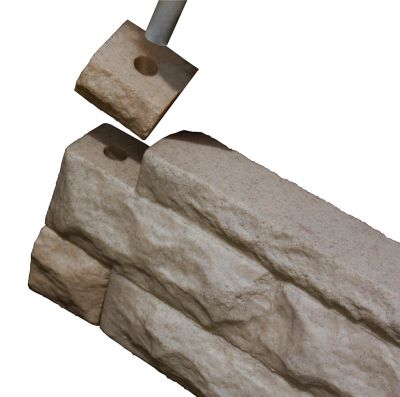
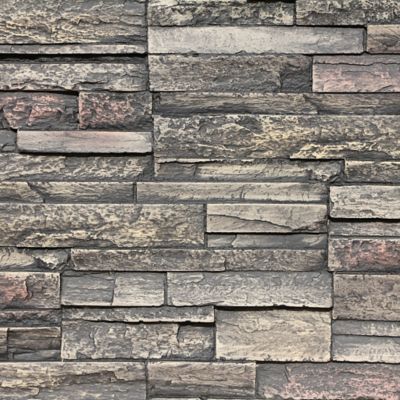
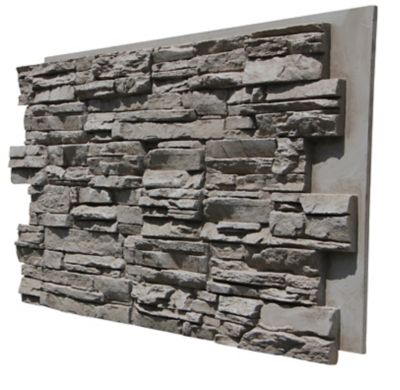
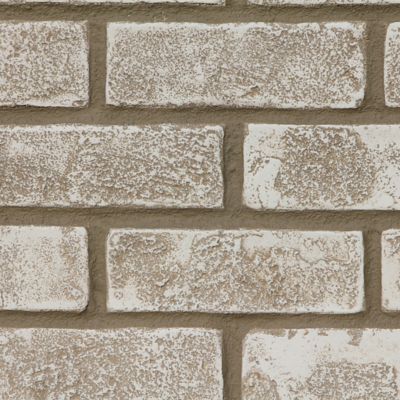
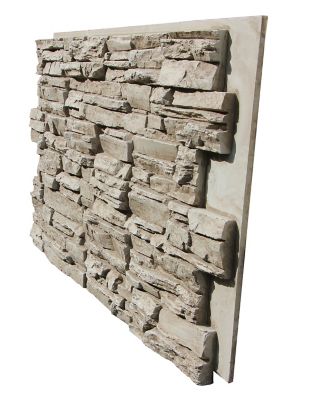
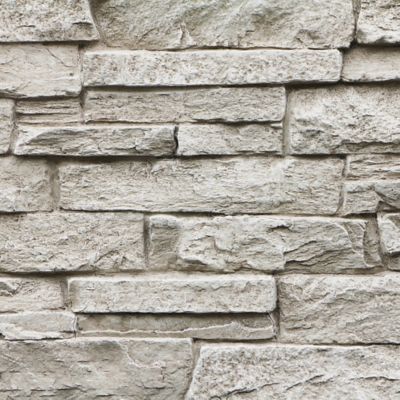
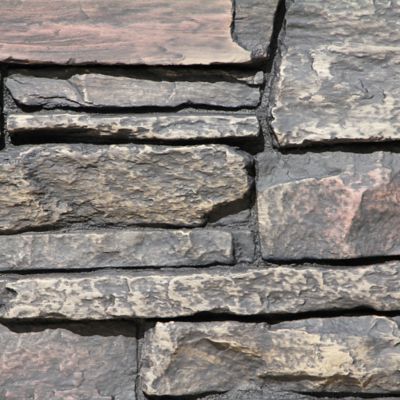
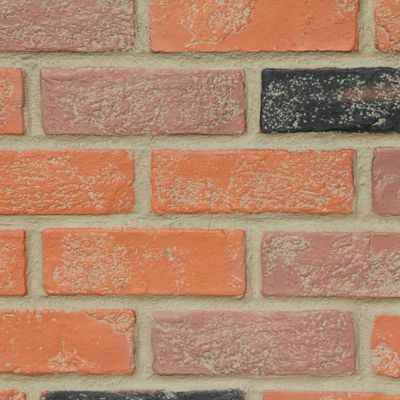
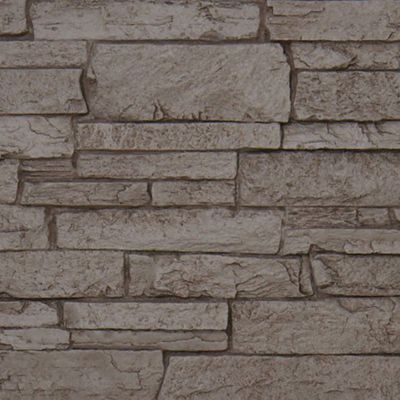
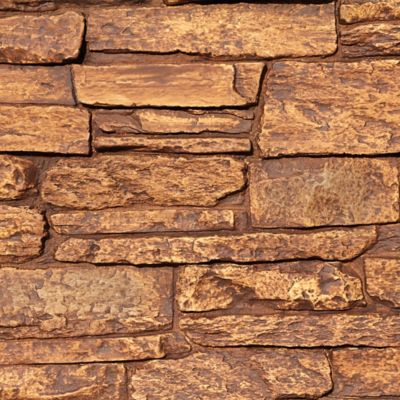
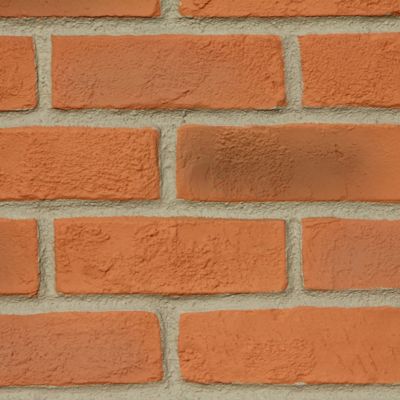
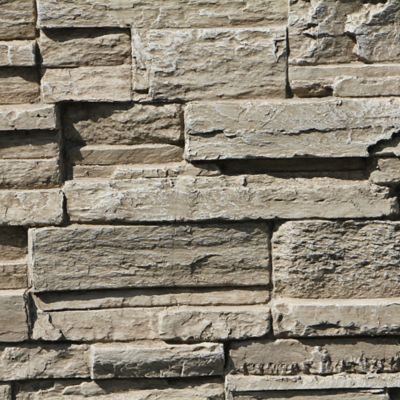
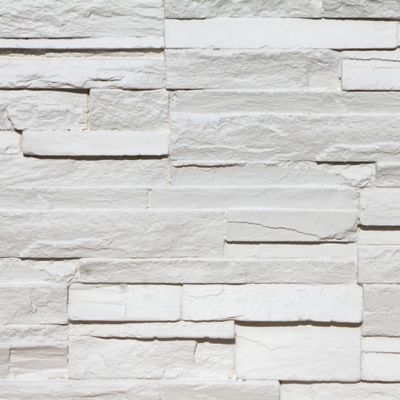
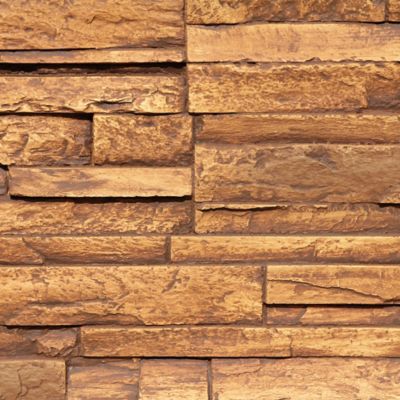
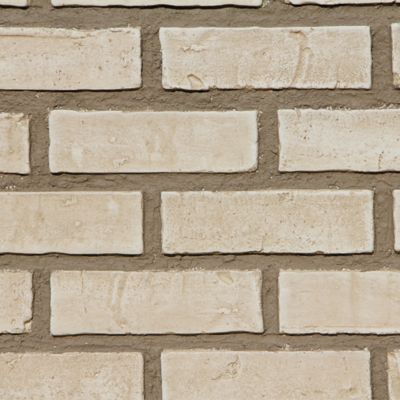
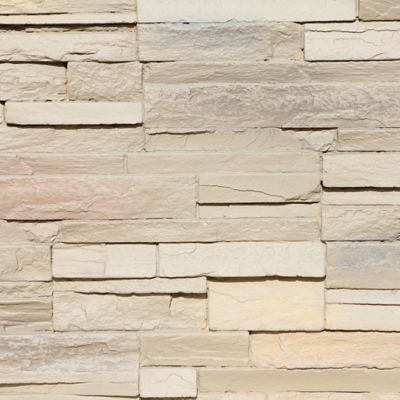
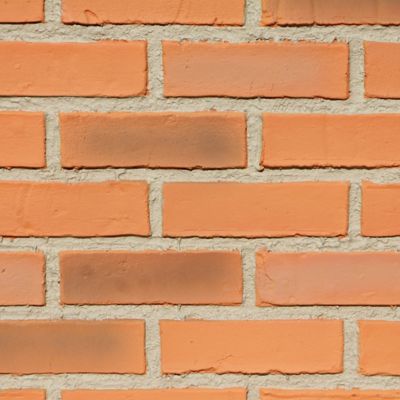
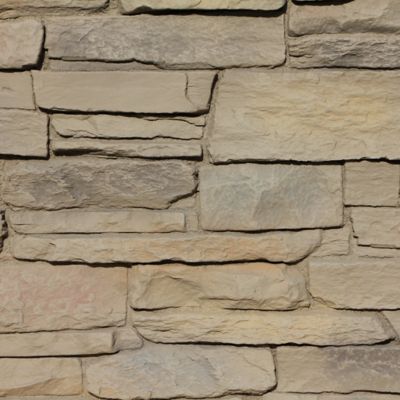
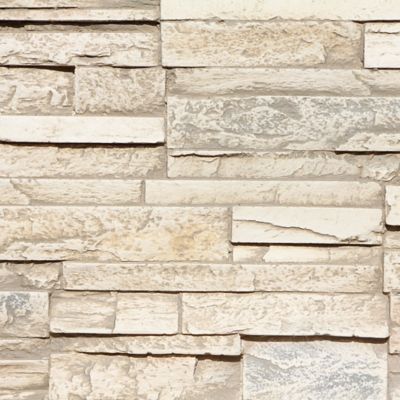
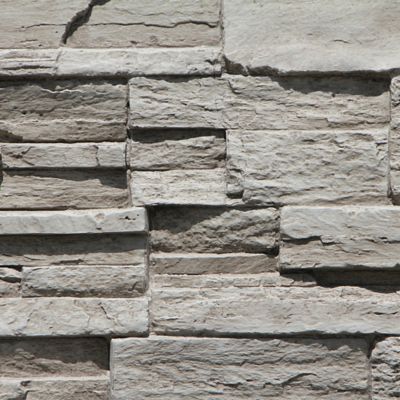
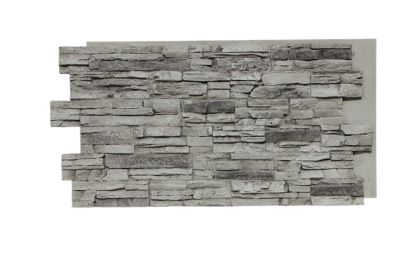
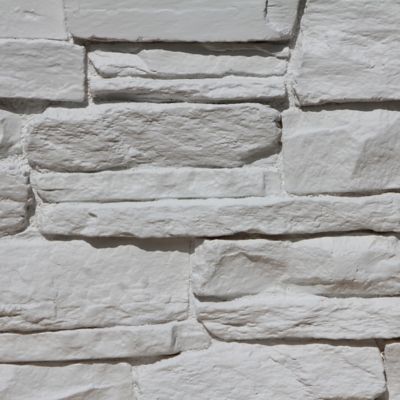
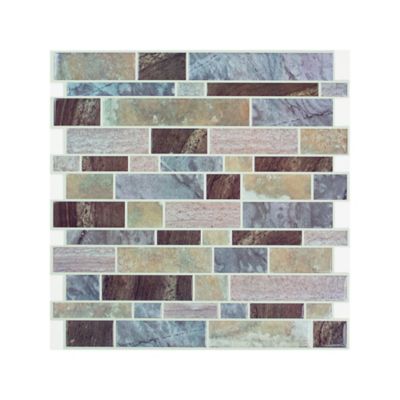
Lightweight faux stone wall panels bring the look of stacked ledgestone, fieldstone or cut masonry to a space without the heft of full-thickness stone. Molded faces capture the ridges, shallow pits and uneven edges that give stone its character, while earth-tone finishes help a wall settle into a farmhouse living room, cabin entry or gathering spot off the kitchen. Depending on their construction, panels may feature polyurethane foam, other molded polymers or composite materials, so weight, rigidity and surface feel can vary. That difference matters when comparing a small accent behind a console table with a full wall beneath a vaulted ceiling. A narrow stacked-stone pattern gives a wall plenty of texture without large individual shapes, while broader block patterns can suit open rooms with heavy timber beams or substantial furniture. Color makes just as much difference: sandy tan and brown tones sit comfortably beside pine trim and leather seating, while gray and charcoal shades pair well with painted cabinets and black hardware. Look beyond the main color to the shading along edges and recessed joints, since those details influence how convincing the surface looks across a room. Daylight from a nearby window can bring out deeper shadows, and overhead lighting can make raised edges more noticeable. Panel dimensions and pattern repeats also affect the finished appearance, especially across a long, uninterrupted wall. Offset stone shapes and well-matched seams help individual sections read as one surface rather than a grid. For homeowners freshening up a den, property owners finishing a guest cabin or contractors working on a room update, these panels offer a way to add a stone-look finish where handling and supporting real masonry would be a bigger undertaking. They are a wall covering, not a substitute for structural framing, and their lighter weight does not eliminate the need for a sound mounting surface.
Fit involves more than measuring the width and height of a wall. The coverage listed for a panel may differ from its overall dimensions when interlocking edges overlap, and cuts around windows, doors and outlets can affect how much material a project takes. A simple rectangular accent wall has different needs from an entry with outside corners, short returns and several trim transitions. Coordinating corner pieces, edge treatments and suitable joint materials can make those transitions look finished rather than abruptly cut off. Panel thickness deserves attention around outlet boxes, switch plates, door casings and baseboards, where a raised stone profile may extend farther from the wall than expected. Electrical boxes may need approved extensions, with any electrical changes handled according to local requirements. The mounting surface matters, too: drywall, wood sheathing, masonry and other substrates do not all call for the same preparation, adhesive or fasteners. Manufacturer instructions should spell out the compatible surfaces, fastening method and any spacing needed for movement. A wall that is flat, dry and sound gives panels a better starting point than loose paint, crumbling material or a surface with an unresolved moisture problem. Lightweight construction can make carrying and positioning panels more manageable, but larger sections may still take a second set of hands to align neatly. For rooms with a fireplace or stove, the stone appearance is no indication of heat resistance. Foam and polymer materials can have strict temperature limits, so check the panel’s fire-performance information and the appliance’s required clearances before considering that location. Bathrooms, enclosed porches and exterior walls bring their own exposure concerns. An indoor wall panel is not automatically suitable for splash zones, freezing weather or direct sun. For projects that extend beyond an interior accent,
Faux Stone Siding Panels offer a related category to compare, with exterior suitability, water-management details and installation requirements still worth checking for the intended application.
Everyday wear is another part of choosing lightweight faux stone wall panels, particularly in a house where work boots, muddy coats and armloads of firewood pass through the same doorway. A deeply textured wall can hide minor visual irregularities, but projecting edges may be more exposed to bumps from furniture, toy trucks or a swinging gear bag. Foam-backed panels and harder composite constructions can respond differently to impact, and neither should be assumed to perform like solid stone. In a busy mudroom, placement above a bench or away from the main traffic path may help limit scuffs; behind dining chairs, enough clearance keeps chair backs from repeatedly striking the surface. Finish characteristics matter as well, including whether color runs through the material or sits mainly on its face, and whether the manufacturer provides a compatible touch-up method. Routine care is generally about keeping dust out of the crevices without harming the finish. A soft brush attachment or gentle dusting can reach recessed joints, while a damp cloth and a manufacturer-approved cleaner may handle everyday marks. Harsh solvents, abrasive pads and forceful washing can damage some finishes, so cleaning directions should guide care rather than habits carried over from brick or natural stone. Near a kitchen or eating area, consider how readily grease and food splashes can be removed from a rough surface. For any exterior-rated application, resistance to sunlight, moisture and temperature changes matters alongside the condition of joints, flashing and trim. Indoors, a few thoughtful choices help the texture feel at home: a stone-look wall behind a wooden bench, a modest accent beside built-in shelves or a broad backdrop for a family room seating area. Keeping adjoining finishes quieter lets the relief and color variation stand out without making a small room feel crowded. The best match balances the look of the stone pattern with the demands of the setting, from the width of the wall and its trim details to the cleaning and contact it will see day after day.