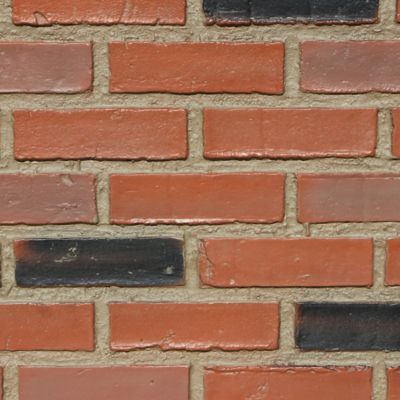
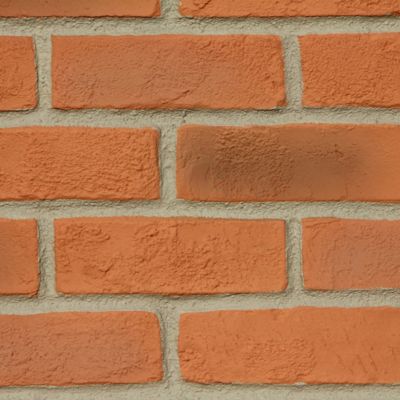
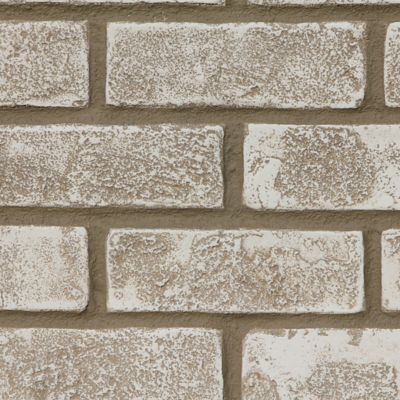
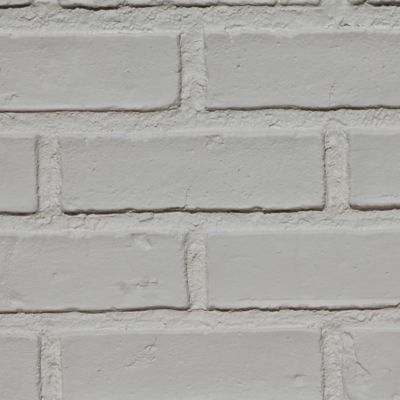
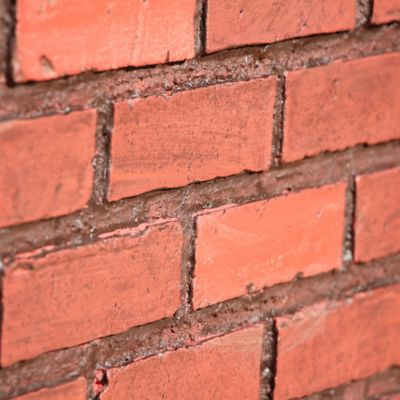
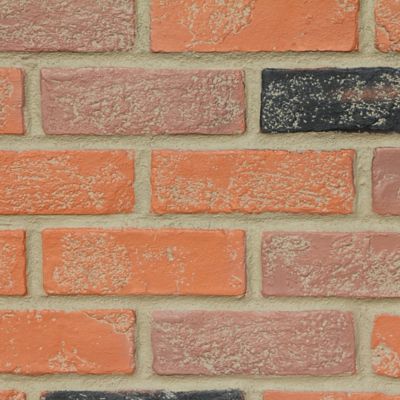
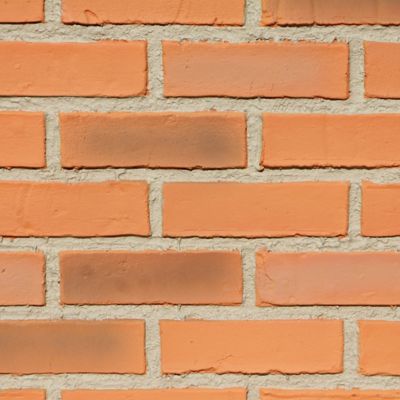
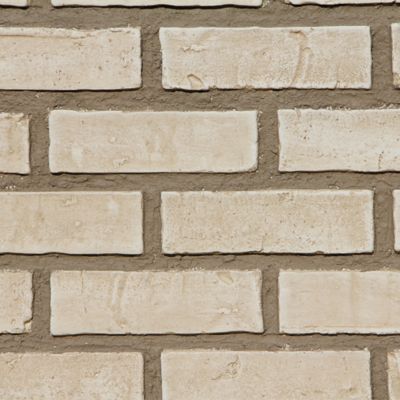
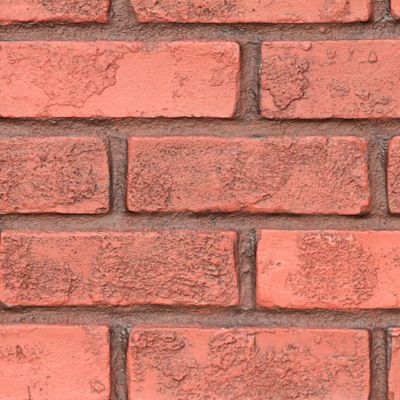
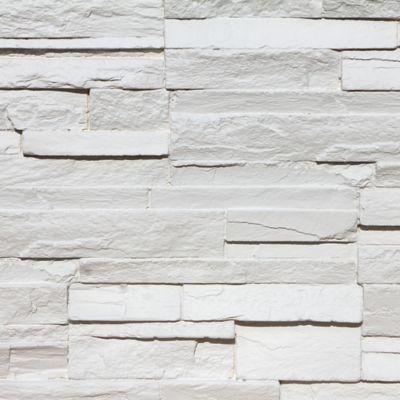
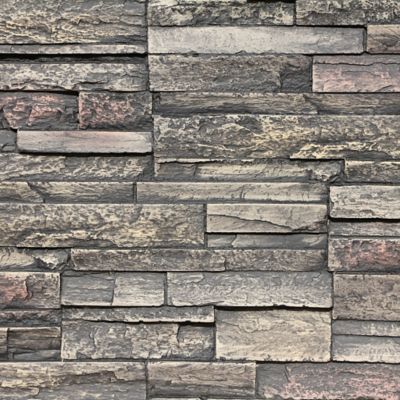
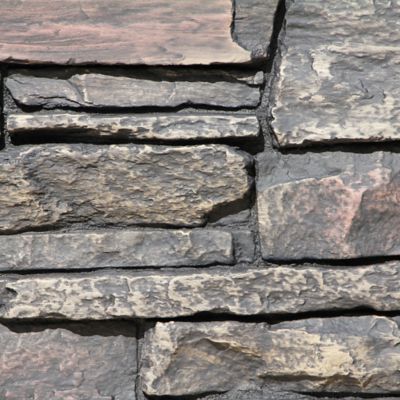
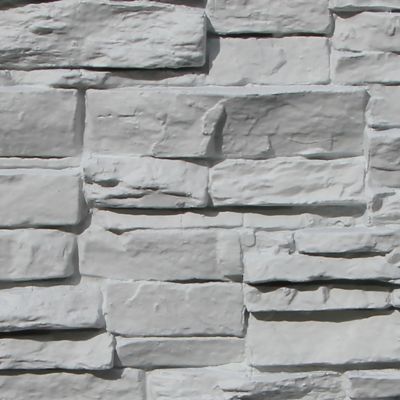
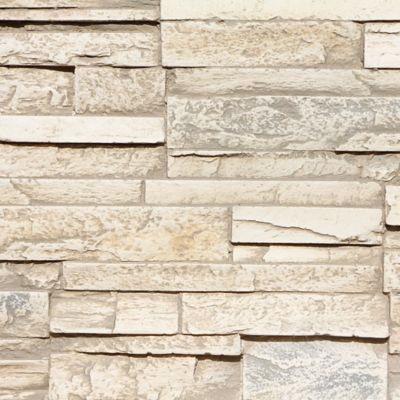
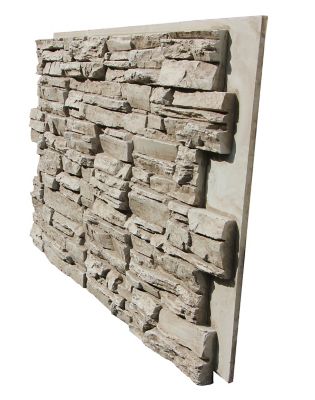
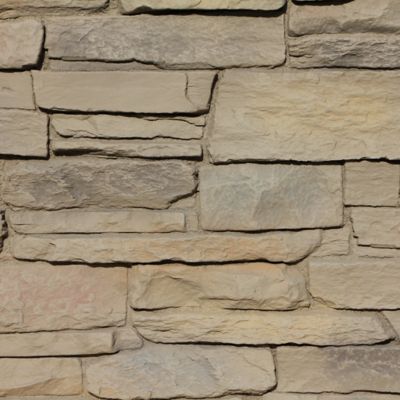
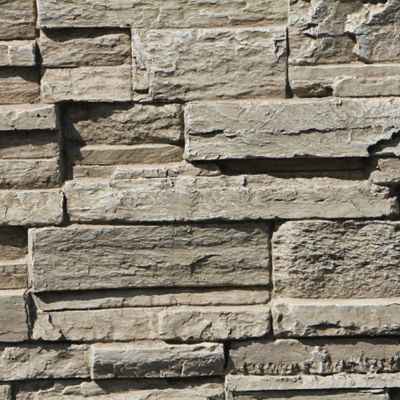
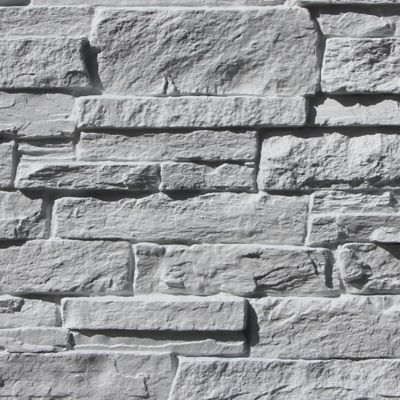
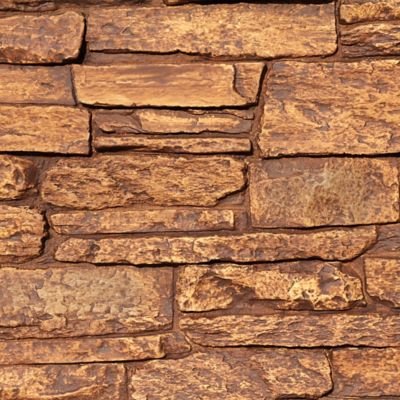
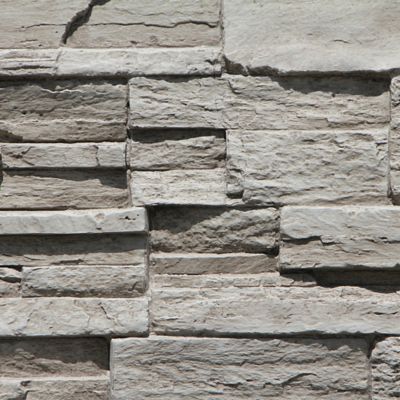
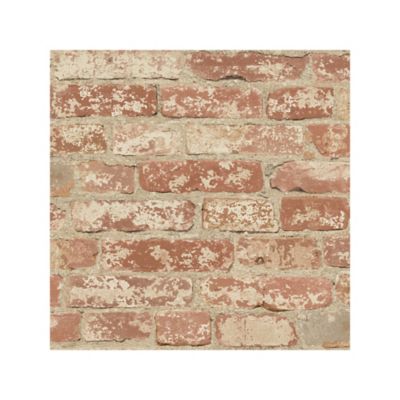
3D faux brick wall panels bring the shape, shadow, and character of brick to a wall without building a masonry wall. Their raised faces and recessed mortar lines create a surface with real depth, rather than the flat image of brick found on printed wallpaper. That texture can give a farmhouse dining nook a little more character, make a home office feel less plain, or put a finished backdrop behind a bench and coat hooks in an entryway. The panels serve as a wall covering, not structural masonry, and their performance depends on the material, finish, and installation method. Flexible polyethylene foam panels have a softer feel and often feature a peel-and-stick backing. Expanded polystyrene panels are lightweight and formed with a brick pattern, while molded polyurethane can carry detailed impressions that resemble the pits, edges, and uneven faces of fired brick. PVC panels offer another approach, with rigidity and surface characteristics that vary by construction. Fiberboard and MDF panels tend to feel firmer and may feature embossed faces or shaped edges that help neighboring sections meet. Those differences matter as much as color when choosing a covering for a particular room. A wall behind a reading chair has different demands than one beside a busy hallway, where bags, boots, and moving furniture can leave marks. Soft foam may dent or tear under rough contact, while firmer panels can still chip, scratch, or suffer edge damage. Red and brown brick tones bring a familiar farmhouse feel, while white, cream, and gray finishes can blend with painted cabinets, natural wood, or metal shelving. Some faces have gentle color changes from brick to brick; others have a more even finish. The best match is one that looks at home with the room’s woodwork and holds up to the activity around it.
Panel size, brick scale, and seam design all affect how convincing a finished wall will look. Large brick shapes can feel bold across a broad living room wall, while smaller patterns may sit more comfortably in a narrow alcove or above a work counter. Deep mortar lines cast stronger shadows, especially under light from a nearby window or wall fixture. A shallower face gives a quieter effect and may leave fewer recesses to collect dust. When comparing finishes, consider how
Textured Brick Wall Panels will sit alongside flooring, trim, and furniture, rather than judging the brick color by itself. Coverage also takes more than multiplying a panel’s outside dimensions. Interlocking edges, overlaps, pattern matching, and cuts around doors or windows can change the amount of wall each panel covers. Repeating brick layouts look more natural when courses line up and narrow slivers do not crowd the ends of a wall. Corners deserve attention, too: a panel that looks convincing straight on may reveal its thickness along an exposed edge unless a matching return, trim piece, or suitable finishing method completes it. The wall underneath matters just as much. Adhesive-backed panels generally need a clean, dry, sound surface, and heavy texture, loose paint, dust, or grease can interfere with bonding. Glue-on and mechanically fastened panels have their own requirements for adhesives, fastener placement, and backing. Some adhesives can damage certain foams, so material compatibility is worth checking rather than assuming any construction adhesive will work. Panel thickness also affects the fit around baseboards, door casing, switches, and outlets. Electrical boxes may need appropriate extensions to remain properly positioned at the finished surface, with electrical work handled according to local requirements. Lightweight construction does not automatically make a panel removable, either. Peel-and-stick backing can pull paint or wall facing away during removal, an important consideration in a rental home or any room where the finish may change later.
Everyday care and the intended setting help narrow the choice between 3D faux brick wall panel materials. For an interior accent wall, a surface that tolerates routine dusting may be enough. Around an eating area, entry bench, or utility-room counter, a finish that permits gentle wiping can be more practical. Raised brick faces and recessed joints give dust places to settle, so a soft brush attachment or cloth is often a sensible starting point when the care directions allow it. Abrasive pads, stiff brushes, and strong cleaners can scratch a finish, lift color, or damage softer surfaces. Moisture resistance also needs a close look. A wipeable face does not necessarily mean the whole panel assembly is waterproof; seams, exposed edges, adhesive, and the wall behind it can remain vulnerable. Fiber-based panels can swell if moisture reaches unprotected areas, and a brick-look covering is not a substitute for a required waterproofing system. Kitchen backsplashes, bathrooms, and laundry spaces call for panels specifically rated for the exposure they will face. The same care applies around fireplaces, ranges, heaters, and other heat sources. A brick appearance does not provide the fire resistance of masonry, and combustible panels must stay outside required clearances. Exterior walls and covered outdoor areas require an explicit exterior rating rather than an assumption based on appearance. In a workshop office or hobby room, panels can make a plain wall feel finished, but they are not protective cladding for grinding sparks or repeated impacts. Shelves, coat racks, cabinets, and televisions need support from suitable framing or anchors in the underlying wall, not the panel face alone. Paintability varies as well; some surfaces accept compatible coatings, while others do not. Checking those details helps keep the finish looking good beyond installation day. With the right material and placement, faux brick panels can add welcome depth to a gathering room, a tidy entry, or a quiet corner of the house without turning the space into a masonry project.