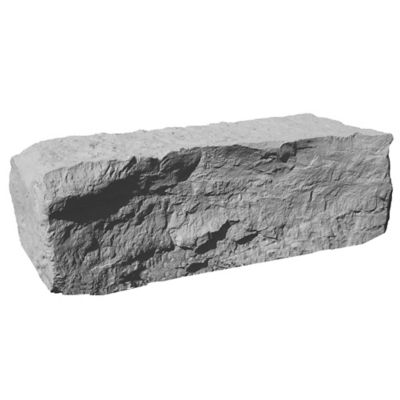
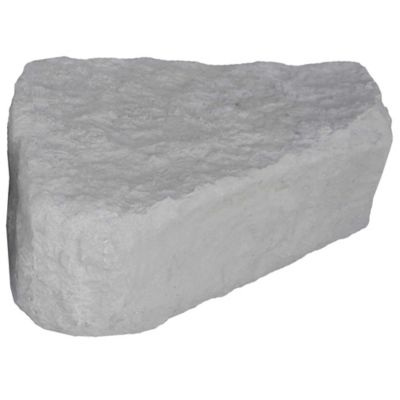
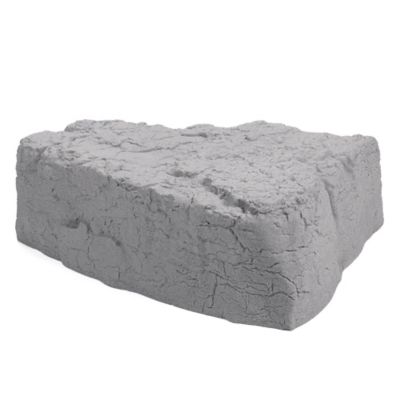
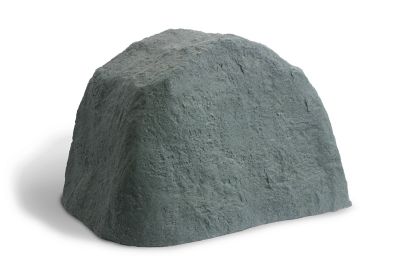
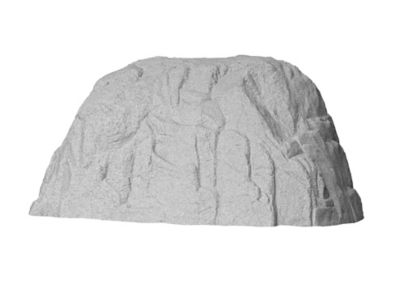
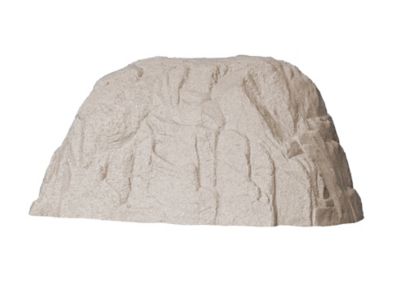
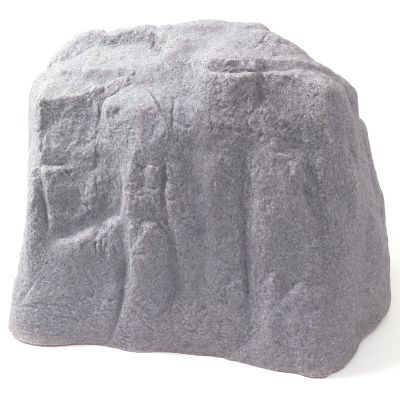
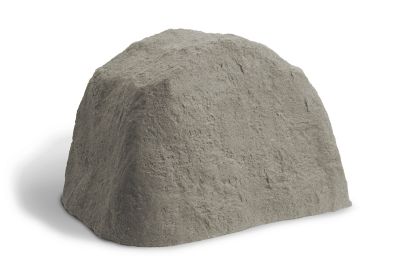
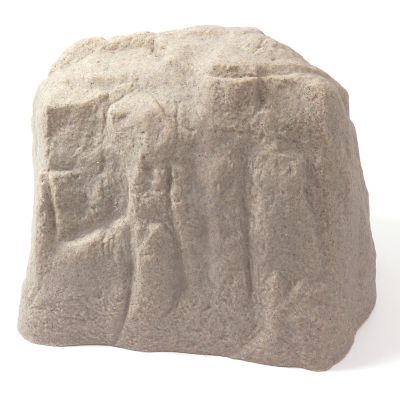
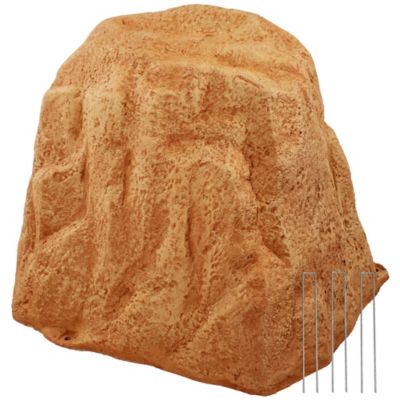
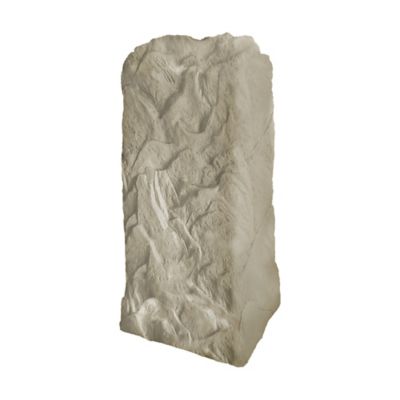
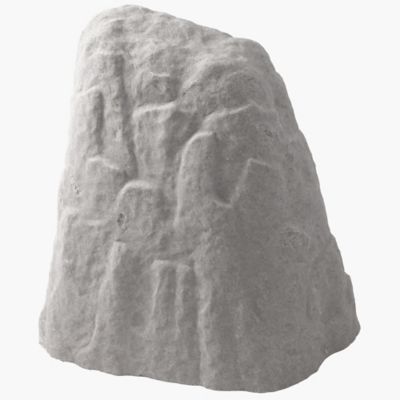
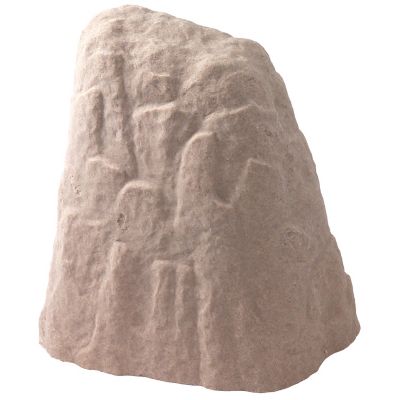
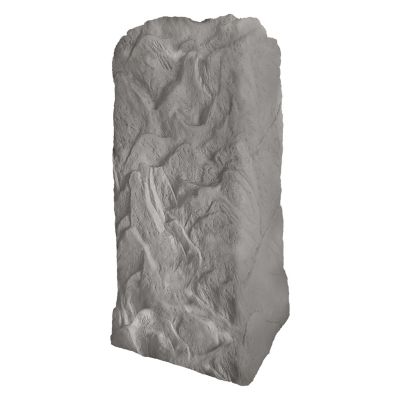
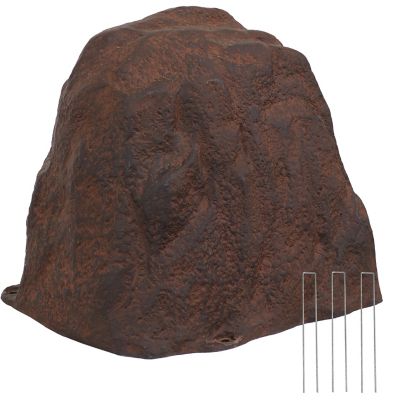
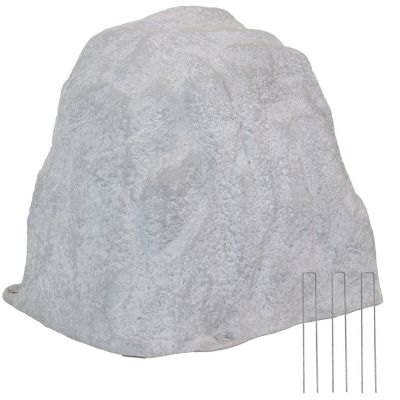
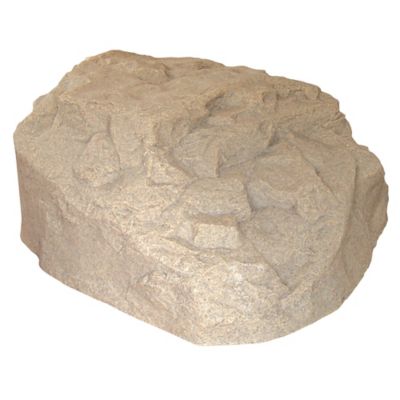
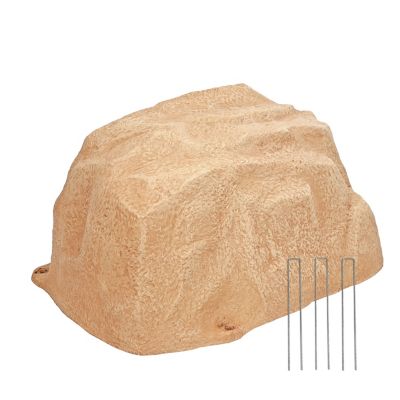
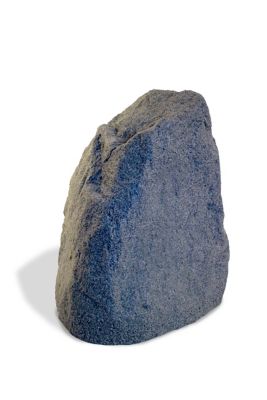
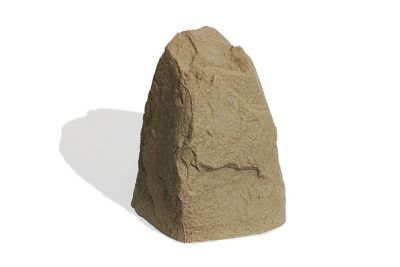
Large faux rocks for landscaping are typically hollow, rock-shaped covers that help hide sprinkler valves, well covers and other suitable yard fixtures while adding the look of stone. Their open-bottom construction leaves room for the equipment underneath, and their shells are generally much lighter than solid boulders of a similar size. Depending on the design, these landscape rocks may be made from molded polyethylene, other resins or fiberglass composites, with textured surfaces that resemble natural stone. Irregular outlines, shallow grooves and blended colors help break up the appearance of a smooth, manufactured cover. That makes them a practical fit for homeowners, acreage owners and property caretakers who want a tidy yard without making everyday maintenance harder. A broad, low rock can settle visually into a foundation bed, while a taller shape can help screen an upright fixture near a fence or driveway. Along an irrigation line, a rock-shaped cover can soften the view of exposed fittings while keeping them within reach for service. Near a porch or garden entrance, it can provide a stone-like focal point without requiring heavy equipment to move a solid boulder into place. Color and scale make a noticeable difference: gray tones can sit comfortably beside gravel, while tan and brown shades can blend with soil, mulch and masonry. A single large shape often looks more at home when it has room around it rather than being squeezed between shrubs. A modest border of low plants or loose stone can help connect its base to the surrounding bed without crowding the cover. For a working property, the appeal is straightforward: less visual clutter around practical equipment, a more finished planting area and a cover that can be lifted away when the equipment needs attention.
Fit matters more than the outside measurements alone, especially when a large faux rock needs to cover something other than a small, low fitting. A rounded shell may have plenty of space at ground level but narrow sharply toward the top. The usable interior width, depth and height need to accommodate the widest and tallest parts of the fixture, including handles, pipe elbows and connections that stick out to one side. A square irrigation enclosure, for instance, may need more shoulder room than a narrow pipe of the same height. Interior clearance also helps keep the shell from resting directly on equipment or rubbing against a connection. Ground level matters, too: a cover sitting on a raised mulch bed may fit differently from one resting on bare soil, and a sloping base can leave part of the opening exposed. A broad footprint can provide a more settled look, but it still needs enough surrounding space for removal and routine yard work. Not every utility component belongs beneath a landscape cover. Electrical equipment, gas equipment, meters, vents and service points may have clearance, airflow or visibility requirements set by the equipment maker or utility provider. Approval for the particular application should come before appearance, and a faux rock should never replace a required well cap, protective enclosure or other safety component. Any necessary access needs to remain clear, including the space a technician needs to inspect or repair the equipment. Where a design calls for anchoring, the specified hardware and installation method matter; underground lines also need consideration before anything enters the ground. For frequently serviced irrigation equipment, a manageable shell and a clear lifting path can make routine checks simpler. The best fit covers the intended fixture without pressing on it, interfering with its operation or turning a quick inspection into a landscaping chore. That balance keeps the yard looking orderly while leaving its working parts accessible.
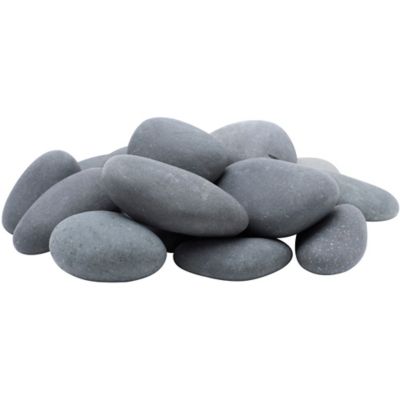
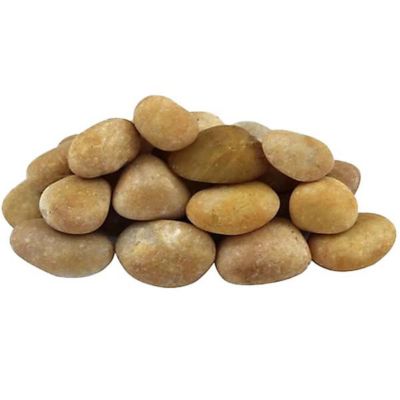
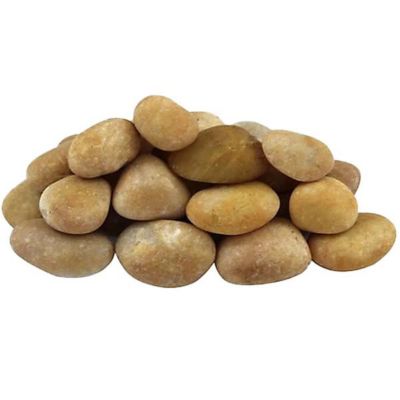
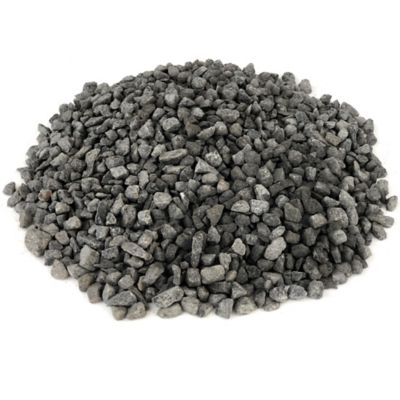
Materials and construction influence how a landscape rock handles everyday outdoor exposure and repeated removal. A molded plastic shell can offer a manageable weight, while fiberglass composites can provide a different balance of weight, stiffness and surface detail. Wall thickness, reinforcement around the base and the way the finish is applied all deserve attention alongside the stone-like appearance. Statements about resistance to fading, cracking or impact should come from the manufacturer rather than appearance alone. A convincing surface does not necessarily mean the shell can support a person, a parked mower or heavy garden equipment. Unless the design expressly allows it, a faux rock belongs beside a path rather than in the walking surface, and it should not serve as a seat or step. Keeping it clear of mower decks and string trimmers helps protect the edges and finish. Routine care is usually straightforward, with the manufacturer’s cleaning directions taking priority: loose soil and grass clippings can often be rinsed away, while a soft brush can help lift dirt from textured areas. Harsh cleaners, abrasive tools and forceful washing may damage some finishes. Leaves and mulch should not pile up around openings or make the cover harder to lift, and an occasional look underneath can confirm that equipment remains accessible. For the surrounding landscape, pairing a hollow cover with
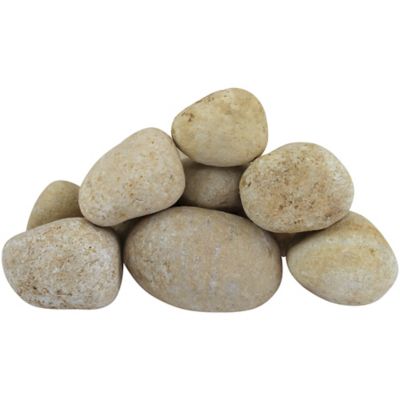
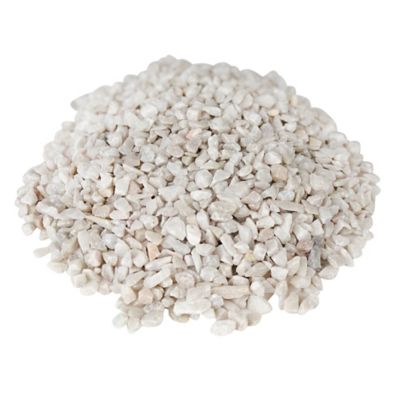
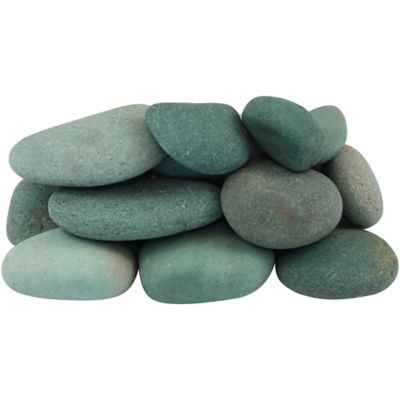
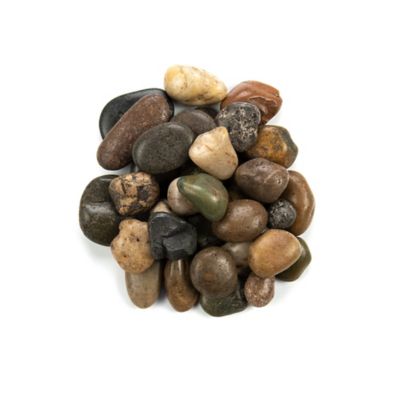
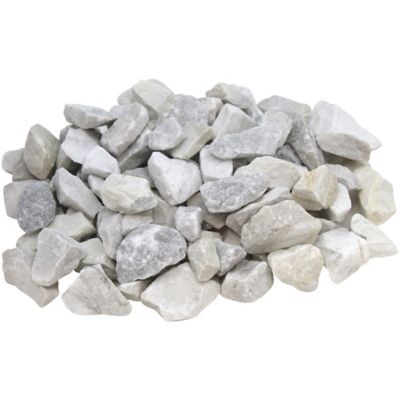
Natural Landscaping Stones can help tie the area into a gravel border, planting bed or stone-lined path. Smaller real stones around the perimeter can ease the visual transition, provided they do not trap the cover in place or obstruct access. A few well-spaced plants can do the same without hiding the entire shape. Whether the setting is a farmhouse yard, a garden beside a workshop or a planting strip along a driveway, large faux rocks work best when their size, interior space and placement suit the job—not just the view from the road.