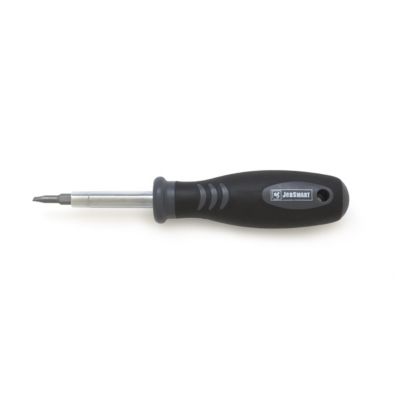
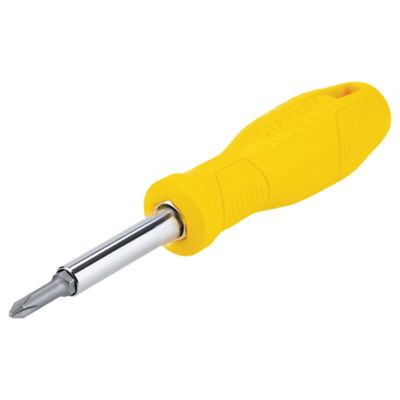
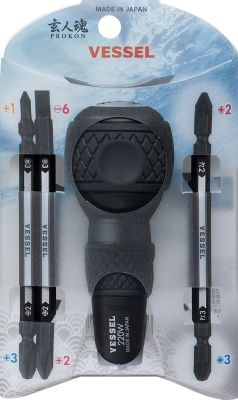
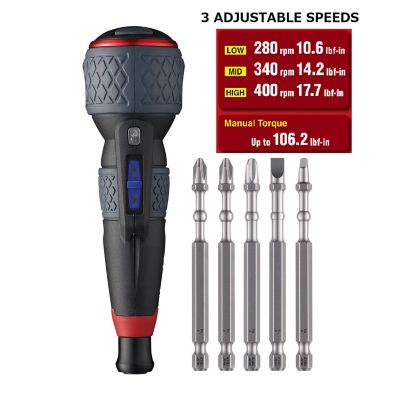
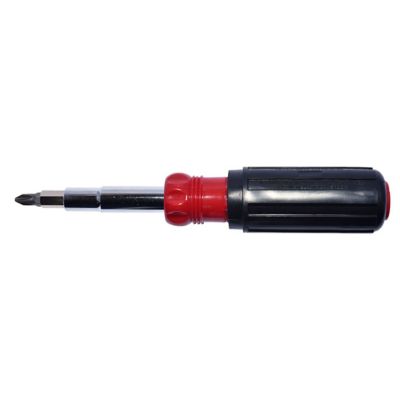
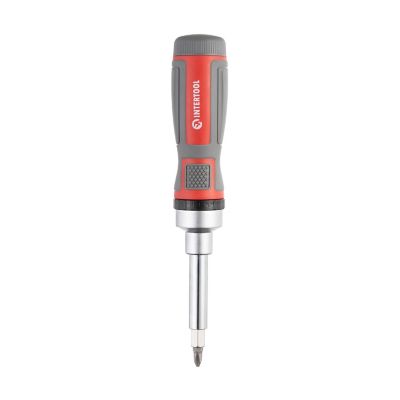
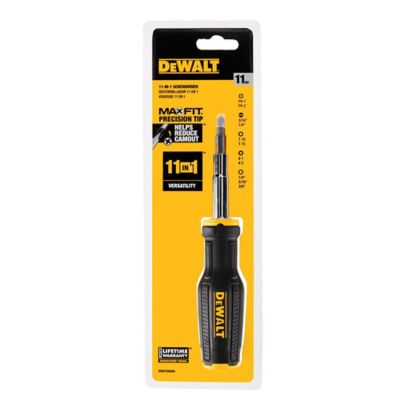
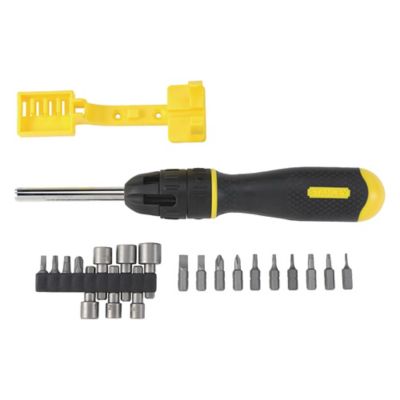
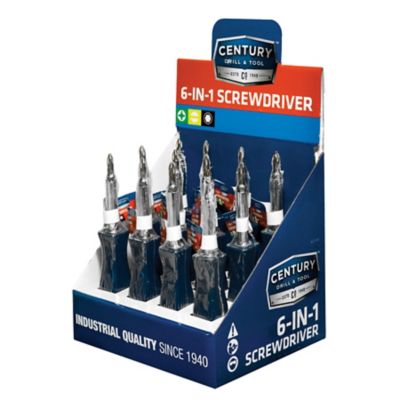
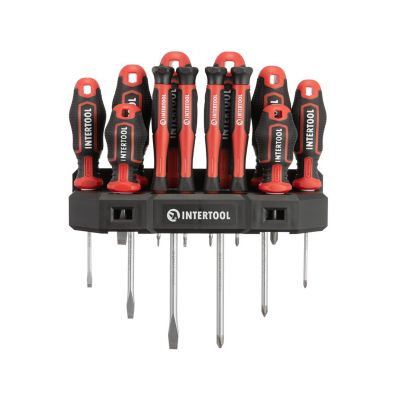
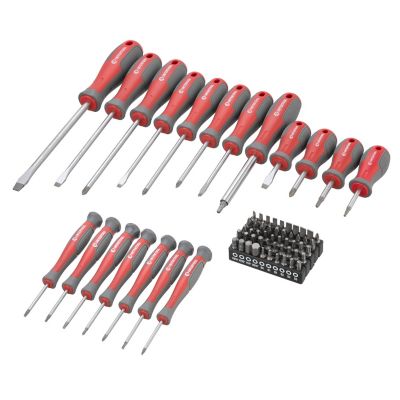
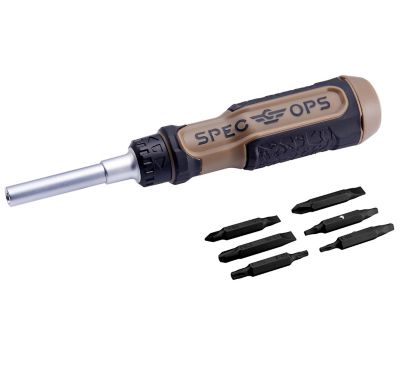
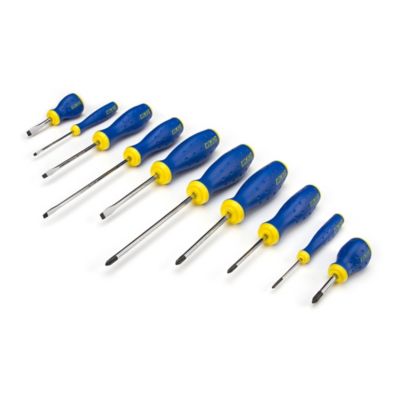
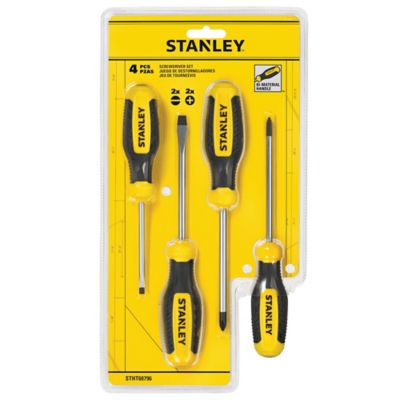
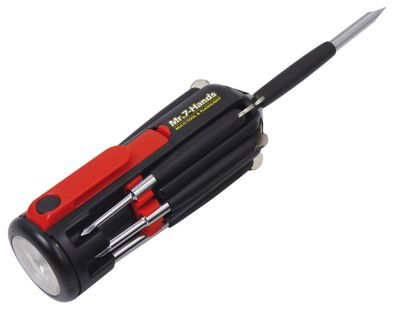
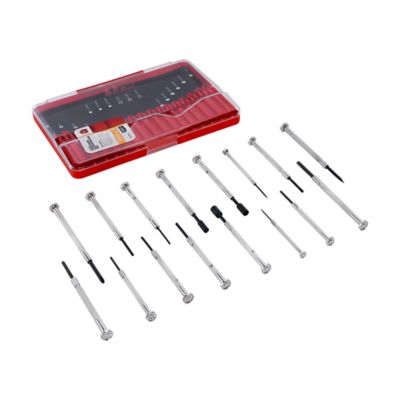
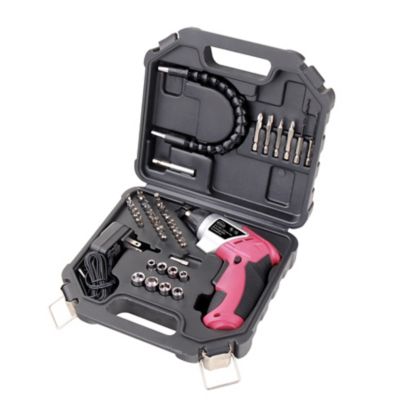
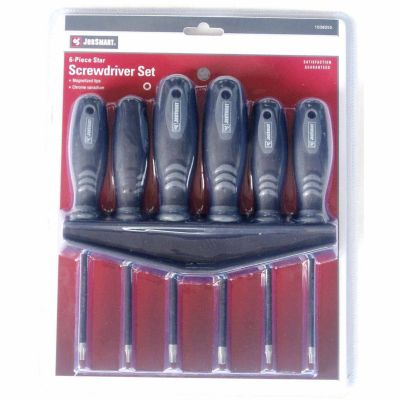
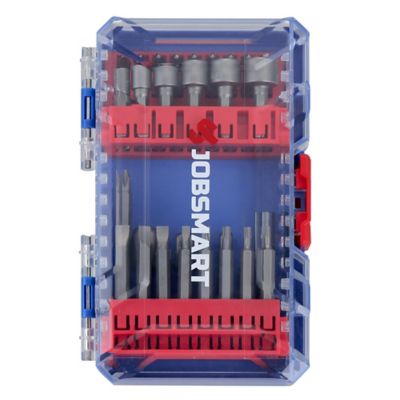
Interchangeable screwdrivers combine one handle with removable bits or blades, letting a single hand tool turn several types and sizes of screws. Also called multi-bit or multi-blade screwdrivers, they save space in a toolbox and make it easier to move between fasteners without carrying a separate driver for every screw head. That comes in handy when a cabinet hinge needs tightening, a mower cover needs removing or a loose latch needs attention out by the barn. Common driver profiles include slotted, Phillips, square, star and hex, though the sizes and styles included vary by configuration. Some designs accept short insert bits in a holder, while others have longer removable blades or reversible shafts with a different tip at each end. Many bit holders accept a 1/4-inch hex shank, but blade systems and retention mechanisms are not all interchangeable. Matching the shank size and connection style matters just as much as matching the screw head. Magnetic holders help keep compatible bits seated, while other designs secure them with a spring clip, detent or locking collar. A snug connection helps limit unwanted movement between the handle and tip. Steel bits and shafts provide the working strength, with alloy composition, heat treatment and surface finish affecting resistance to twisting, wear and rust. Hardened tips can hold their shape through repeated jobs, but even a strong bit can suffer if it is the wrong size or forced against a stubborn fastener. For a toolbox that travels between the house, shop and equipment shed, an interchangeable screwdriver offers a practical middle ground between carrying several individual drivers and reaching for a powered tool. It gives direct control over turning pressure, which is helpful around small screws, finished surfaces and parts that need a gentle touch. The main distinction is versatility: the handle stays the same while the working end changes to suit the job. The number of bits matters less than whether their profiles and sizes match the fasteners that show up most often.
Handle shape makes a noticeable difference during a long stretch of turning screws. A broad, rounded grip gives the palm more surface to push against, while a narrower handle may feel better for lighter work or smaller hands. Molded plastic handles tend to wipe clean easily, and cushioned grip sections can make repeated turning more comfortable. Texture, contours and finger clearance also affect how securely a handle sits in the hand, especially when work gloves are part of the job. A handle that feels comfortable with bare hands may feel crowded in gloves, so overall diameter and grip length deserve a look. Ratcheting interchangeable screwdrivers add a mechanism that turns the shaft in a selected direction while allowing the handle to reset without lifting the tip out of the screw. That can be handy when assembling shelving, adjusting hardware inside a cabinet or working where there is little room to reposition a wrist. A fixed-drive setting, where provided, gives direct turning action in both directions. Shaft length brings another tradeoff: a longer shaft can reach a recessed screw, while a short configuration fits into tighter spaces. The bit holder’s outside diameter matters, too, because a wide holder may stop at the entrance to a narrow recess even when the tip itself matches the screw. For small equipment panels and household hardware, a well-fitting tip should sit fully in the fastener rather than balance on its edges. Phillips and cross-shaped profiles are not necessarily interchangeable, and hex sizes in inch and metric measurements can look close without fitting properly. Keeping the right sizes together helps prevent rounded recesses and chewed-up screw heads. A tool kit built around
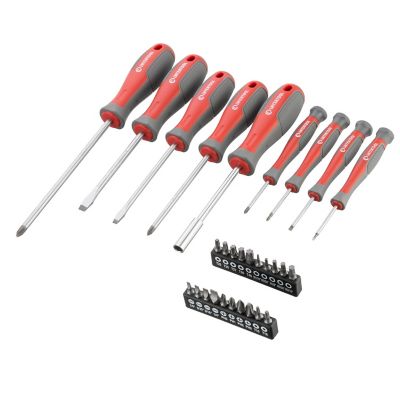
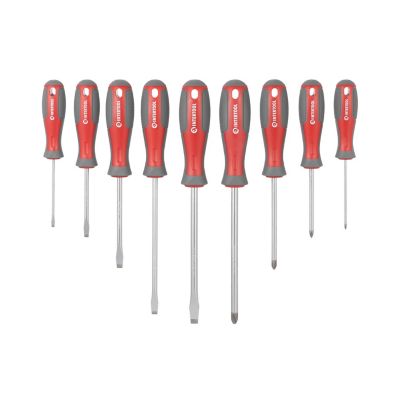
Mechanical Screwdrivers can include both interchangeable handles for varied jobs and fixed-shaft designs for tasks that call for a particular reach or shaft shape. Neither format replaces the other in every situation; the better fit depends on access, turning force and the hardware involved.
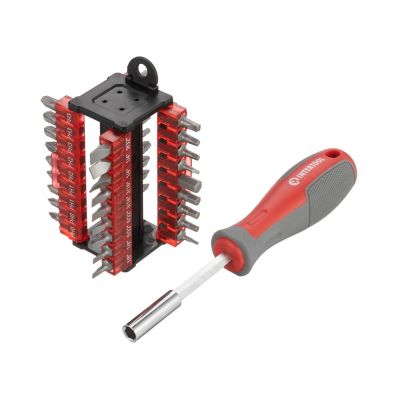
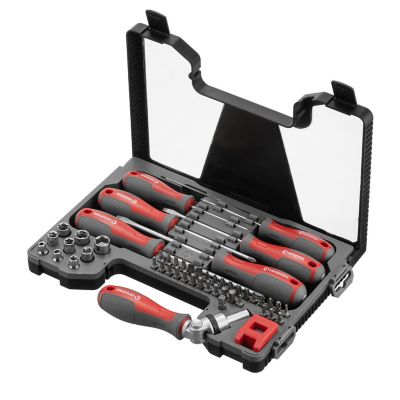
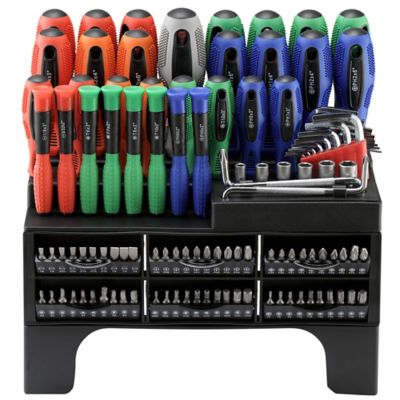
Storage is another part of what makes an interchangeable screwdriver useful day after day. Some handles hold spare bits inside, keeping several common sizes close at hand without a separate case. Others pair with a bit rack, tray or compact organizer that makes each profile easier to spot. Internal storage can simplify a quick trip to the gate or feed room, while an organized case works well at a bench where several people share tools. Clear size markings help tell similar bits apart, especially when a small Phillips tip and the next size up are sitting side by side. Keeping the holder, storage compartment and bit shanks free of grit helps parts seat fully and keeps small pieces from binding. After a job, wiping away dirt and moisture before putting the tool away helps protect exposed steel. Any protective oil should follow the tool maker’s recommendations, with gripping surfaces kept clean and dry. Tips deserve a regular look for rounded edges, chips or twisting, since a worn bit can slip and damage the fastener even when the handle still feels sound. These tools are meant for driving compatible fasteners, not prying apart stuck parts or taking hammer blows unless the design expressly permits that work. Likewise, a comfortable grip does not provide electrical protection; power should be disconnected before work on electrical equipment, and specialized tasks call for appropriately rated tools. Interchangeable screwdrivers suit homeowners, farm and ranch operators, maintenance crews and anyone who prefers a compact hand-tool setup for everyday repairs. They also make a practical gift for someone setting up a first toolbox, heading into a trade or keeping a second set of tools in a farm truck. For those users, a manageable selection of clearly marked bits, a comfortable handle and secure storage often matter more than a large piece count. From snugging a drawer pull to removing an access panel on disconnected equipment, the appeal stays straightforward: several useful driver profiles, one familiar grip and less rummaging when the next screw has a different head.