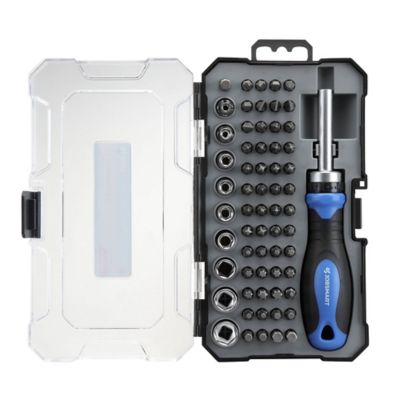
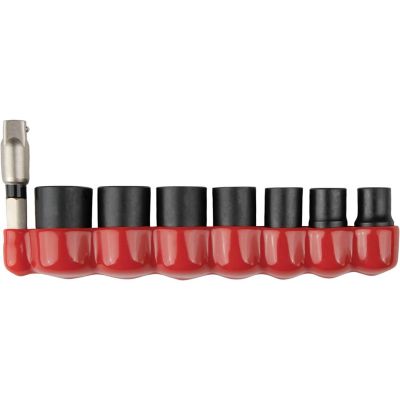
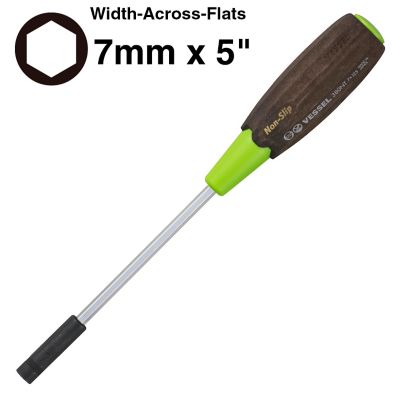
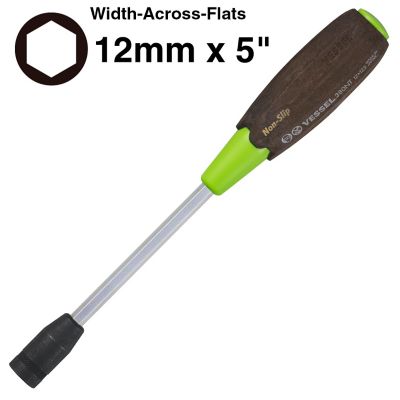
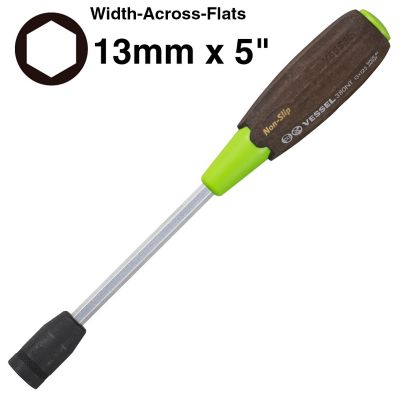
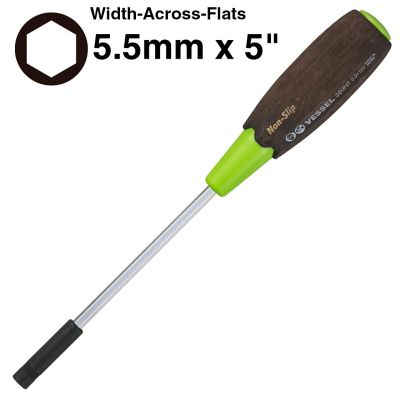
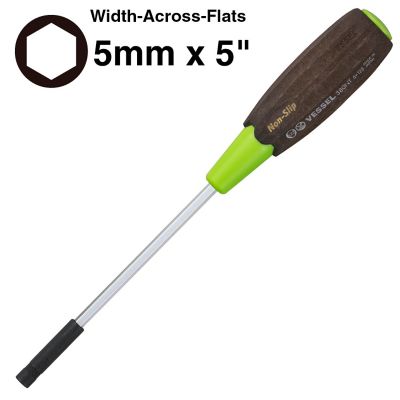
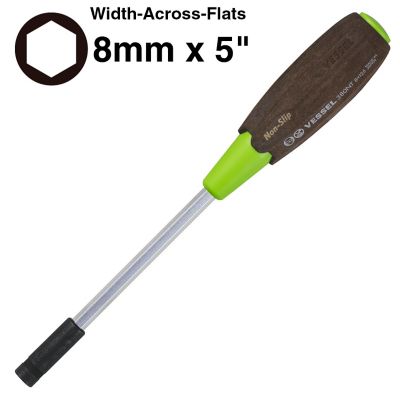
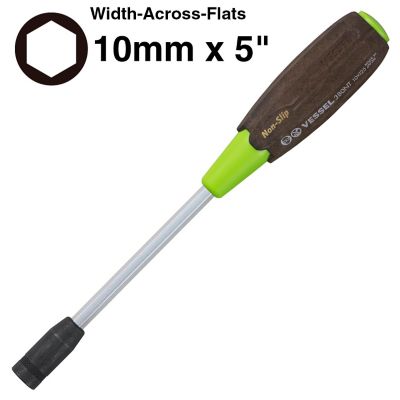
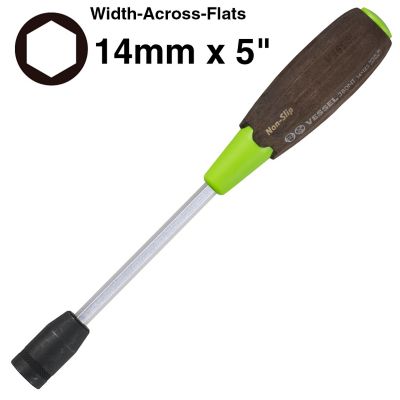
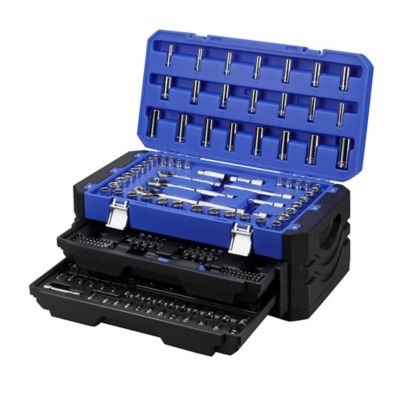
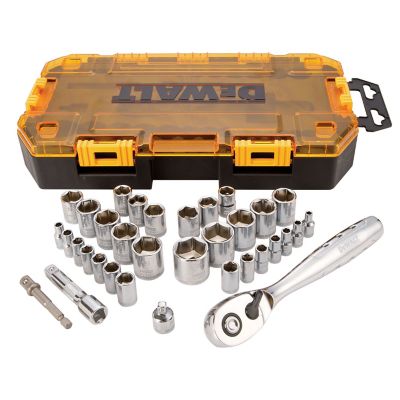
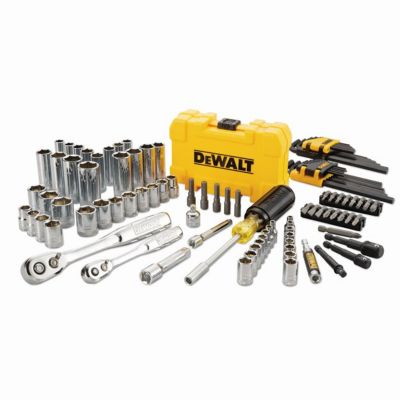
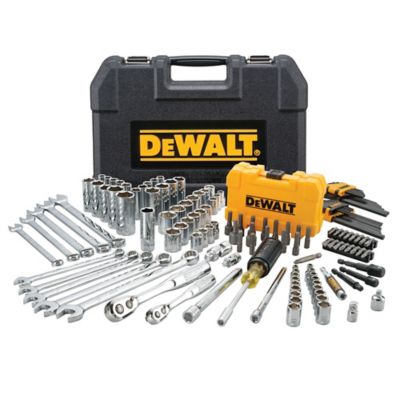
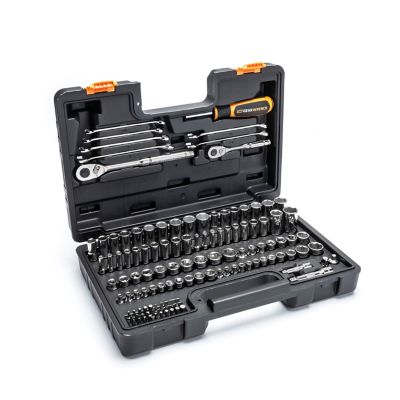
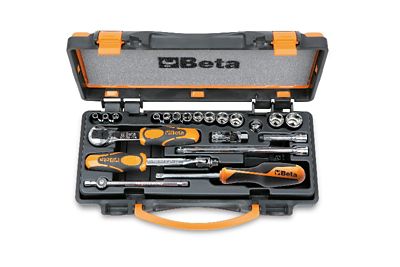
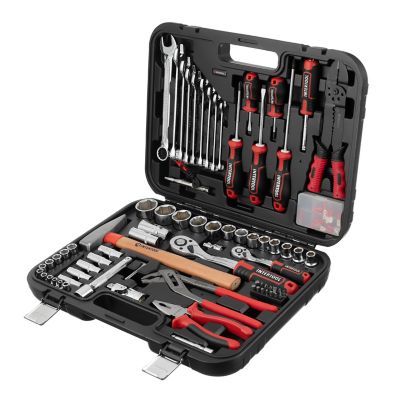
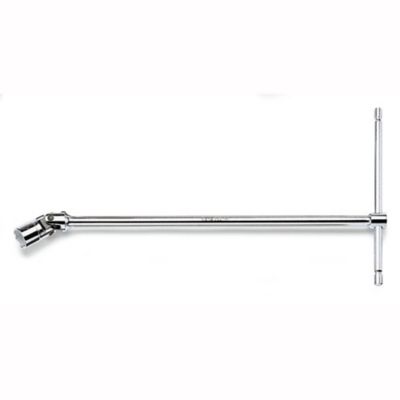
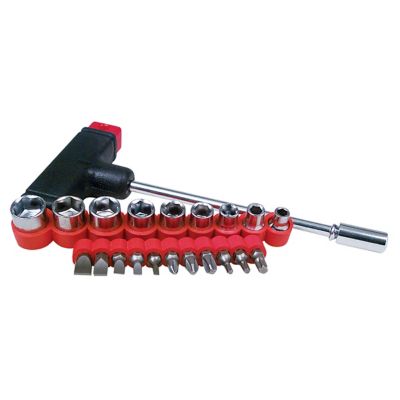
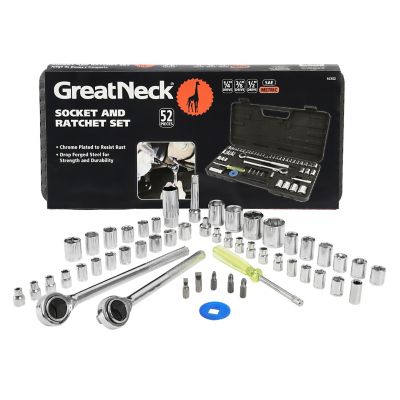
Socket screwdrivers bring the reach and familiar grip of a screwdriver together with the working end of a small socket wrench. They are commonly called nut drivers, and some styles use a fixed socket built into the shaft while others have a square drive that accepts interchangeable sockets. Ratcheting socket screwdrivers may also include standard screwdriver bits, giving you one compact hand tool for nuts, bolts and ordinary screws. This makes them handy for the kind of small repairs that turn up around a house, barn, garage or workshop: tightening a loose hose clamp, securing a battery terminal, adjusting bicycle parts, assembling shelving, replacing hardware on a gate latch or taking off a small appliance panel. They are especially useful when a full-size ratchet feels too bulky and a regular screwdriver cannot get a grip on a hex-shaped fastener. A socket screwdriver usually offers better control than a large wrench for light mechanical work, helping you work neatly in narrow spaces without putting more force on a fastener than it needs. Fixed nut drivers can be a good choice when you regularly work with one common size and want a simple tool that is ready to grab, while interchangeable styles make more sense for a mixed drawer of SAE and metric fasteners. As you compare socket screwdrivers, pay close attention to the socket sizes included, the drive size, the handle shape and the way the tool stores its bits. A clear size marking is worth having when you are working under a sink, behind a mower panel or in the dim corner of a shed. Deep sockets can reach nuts on longer bolts, while shallow sockets are often easier to use in tight clearances. A magnetic tip may help hold a small fastener in place during assembly, and a textured, comfortable handle can make a difference when a repair takes several turns. For delicate jobs, choose a hand tool that gives you a steady feel rather than reaching for a high-torque powered driver. Small nuts, appliance hardware and terminal screws can strip or crack when overtightened, so snug is often better than muscle. When a fastener calls for a specific torque, use the appropriate torque tool instead of relying on a socket screwdriver alone.
The right socket screwdriver setup depends on the fasteners you see most often. SAE sizes are commonly found on many older machines, outdoor equipment and household hardware, while metric sizes are standard on much imported equipment, bicycles, appliances and newer mechanical assemblies. A set with both size systems can save a trip back to the hardware aisle, particularly when you maintain a mix of lawn equipment, trailers, vehicles and household fixtures. A ratcheting handle is useful when there is not enough room to lift and reposition a straight tool, and a reversible switch lets you change direction without removing the socket from the fastener. Interchangeable bit storage also helps keep small pieces from wandering across a workbench or disappearing into the grass beside a repair. Look for a firm connection between the handle, drive and socket, along with a release that is easy to operate but secure enough to prevent the socket from dropping when you reach into a cramped space. If you prefer a straightforward tool chest, fixed nut drivers keep things simple and can be sorted by size in a drawer or hanging organizer. If you are outfitting a first workshop, a complete socket screwdriver set is a practical starting point because it covers common sizes and leaves room to add specialty pieces later. These tools are useful for homeowners, farmers, maintenance workers, hobby mechanics, cyclists, campers and anyone who likes to handle ordinary fixes without calling for help every time a fastener loosens. They can also make a thoughtful gift for a new homeowner, a student setting up a first apartment, a family member working on a project vehicle or a handy friend who spends cooler months tuning up equipment indoors. Pairing socket screwdrivers with a toolbox, work gloves or a small parts tray can round out a useful repair kit without taking up much space.
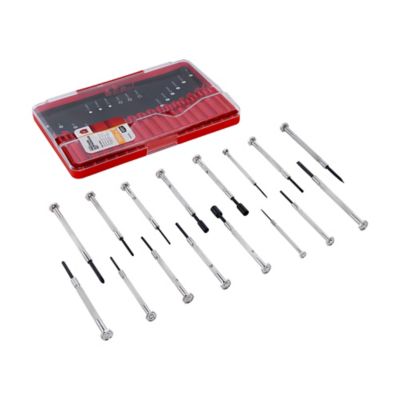
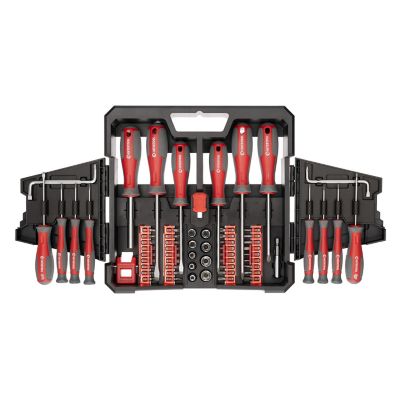
During the cooler months, a dependable hand tool is often what keeps an indoor project moving when you would rather not make a long drive for one missing size. Socket screwdrivers can help with assembling furniture, tightening loose cabinet hardware, servicing small engines in a garage, checking trailer lights or preparing outdoor equipment for storage. They are also convenient to keep in a vehicle, camper, utility room or barn office for quick adjustments away from the main toolbox. Keep the sockets clean and dry, especially after use around livestock areas, damp sheds or muddy equipment, and wipe away grit before placing them back in their holder. Rust, packed dirt and damaged edges can make a socket fit poorly, so replace worn pieces rather than forcing them onto a fastener. Match the socket to the fastener as closely as possible; a nearly correct size can round off the corners and make a simple repair much harder. Hold the driver straight against the fastener, use steady pressure and stop if the head begins to slip. For small screws and delicate fittings that do not use a hex nut or bolt head, a selection of
Small Screwdrivers may be a better fit. Keeping both types nearby covers more of the everyday jobs found around the home and farm. Whether you choose a compact fixed nut driver for quick maintenance or a versatile ratcheting set for a busy workbench, socket screwdrivers earn their place by handling small mechanical tasks with less fuss, better access and a comfortable amount of control.