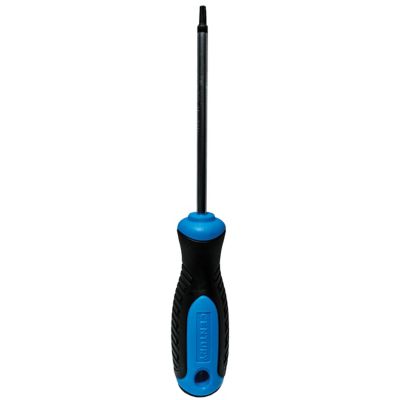
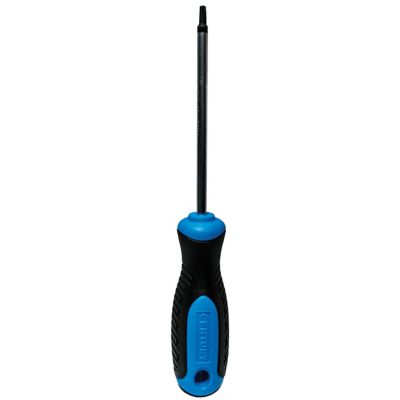
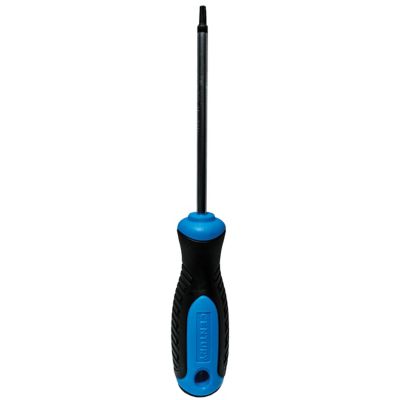
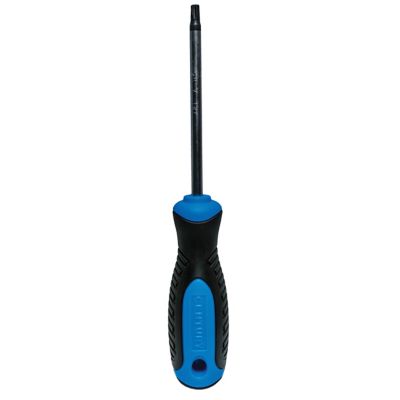
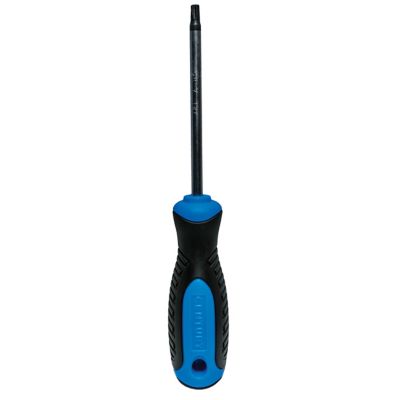
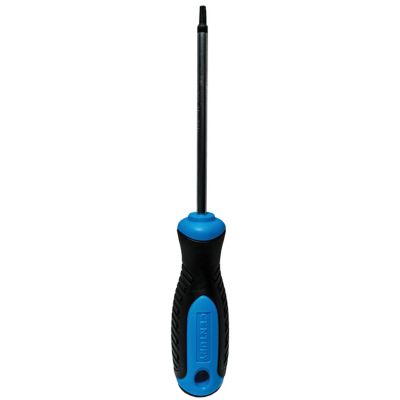
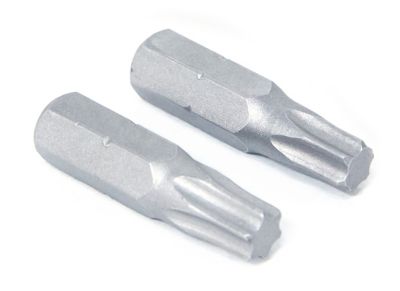
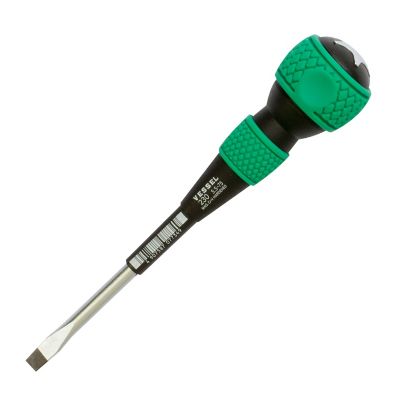
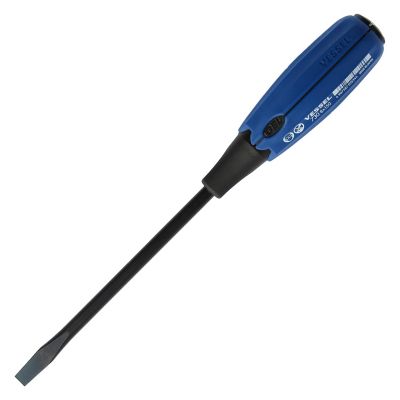
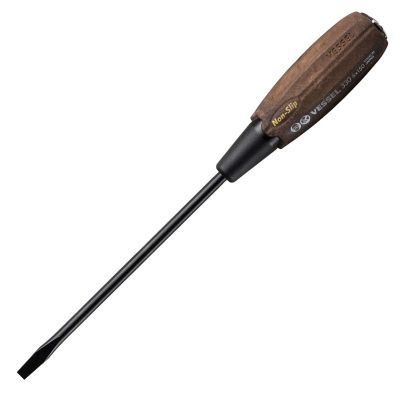
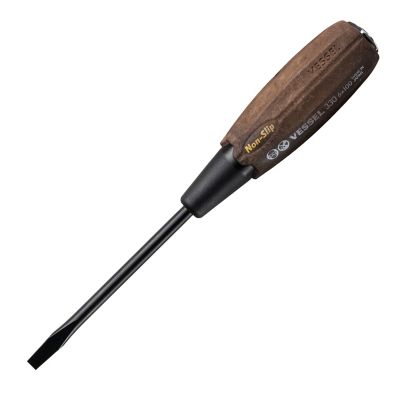
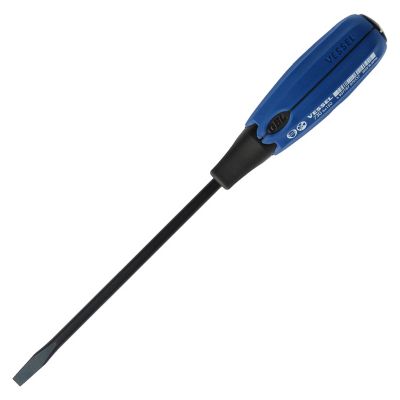
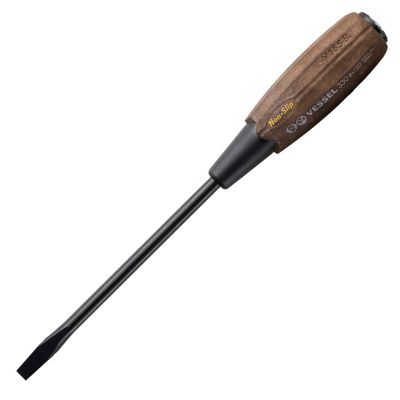
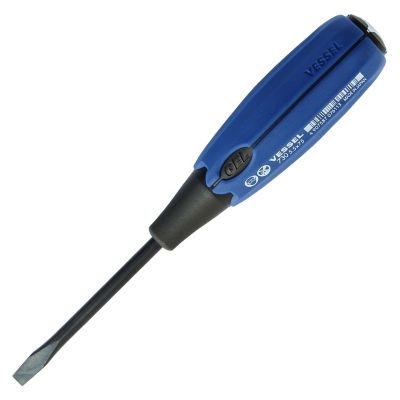
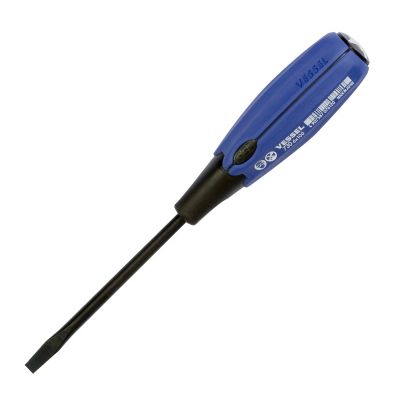
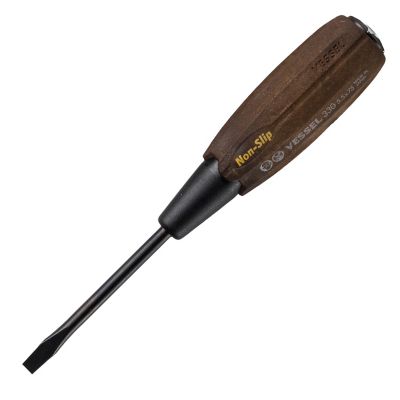
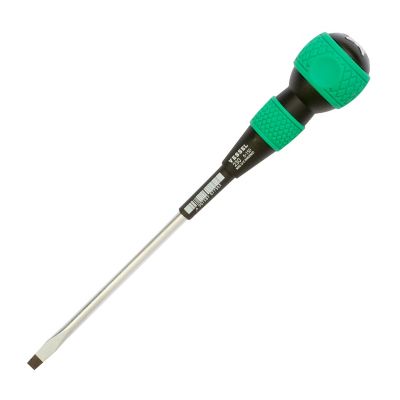
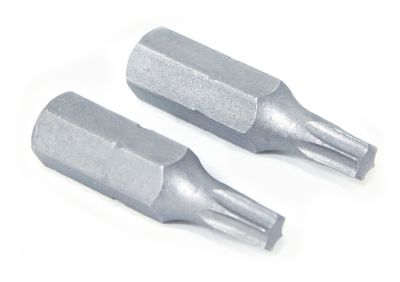
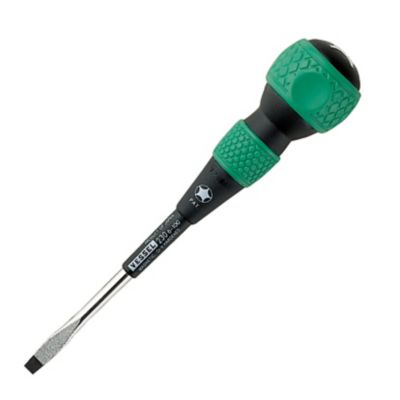
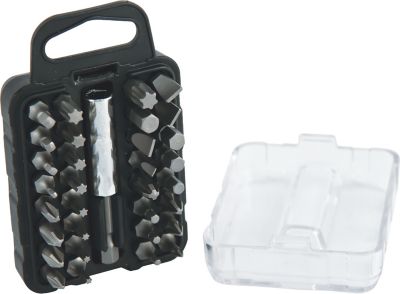
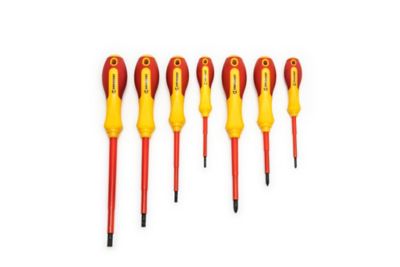
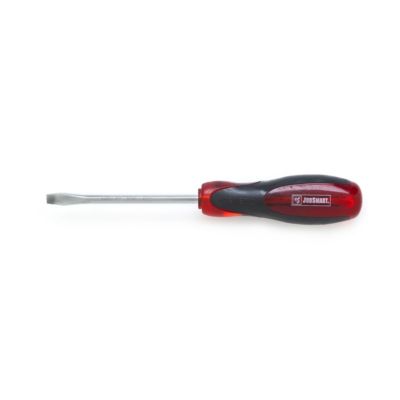
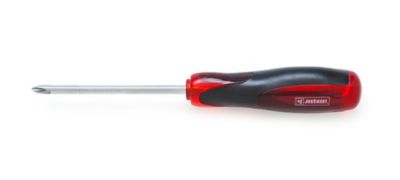
A star tip screwdriver has a six-pointed, star-shaped tip that fits the matching recess in a screw head. Its rounded lobes spread turning force across the contact surfaces, helping transfer torque while reducing the tendency to slip out of the recess, a problem often called cam-out. That secure engagement makes star tip screwdrivers a practical part of a toolbox for equipment maintenance, vehicle repairs, household projects, and small mechanical jobs. Around a farm shop or garage, star-drive fasteners can turn up on equipment covers, vehicle trim, power tools, and other assemblies that need occasional attention. A properly fitting driver helps keep those fasteners in good shape through repeated removal and installation. Fit matters more than how snug a tool might feel at first: the tip should seat fully, with little play, rather than catching only the edges of the screw recess. Star-drive sizes are commonly identified by a T followed by a number, and matching that designation to the fastener helps narrow the choice. A larger handle does not make an undersized tip suitable for a bigger screw. Standard star tips also differ from tamper-resistant versions, which have a hole in the center to clear a pin inside the fastener. Other specialty drive profiles can look similar without being interchangeable, so the shape deserves a close look before turning force is applied. Six-point star tips are different from the straight-sided, six-sided tips found on
Hex Screwdrivers, even when both appear to fit into a recessed screw head. Keeping the right drive styles together in a toolbox saves time when a repair involves several kinds of hardware. For anyone opening an equipment housing or taking apart a small assembly, the right match can mean less wobble, steadier control, and fewer damaged screw heads standing between the job and getting back to work.
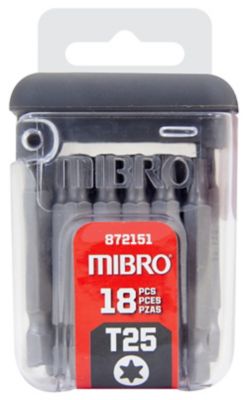
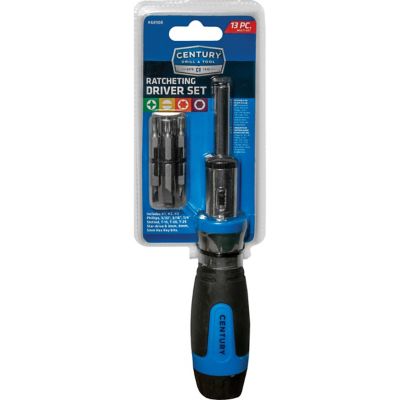
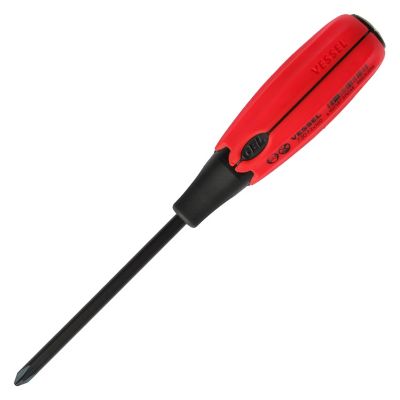
The way a star tip screwdriver is built affects how it feels in the hand and how well it holds its shape over time. Hardened steel tips and alloy steel shafts are common construction choices, with heat treatment helping the working end resist twisting and wear. Chrome-vanadium steel and S2 tool steel are among the materials found in screwdriving tools, though the steel name alone does not tell the whole story; tip fit, heat treatment, and overall construction matter, too. Plated shafts and treated finishes can help limit surface corrosion, but no finish takes the place of sensible care. Handle shape is another everyday consideration, especially when several fasteners need attention. A broad, rounded grip gives the palm more surface to work against, while a slimmer handle can suit light turning and smaller screws. Textured or cushioned surfaces may feel easier to hold with work gloves, provided the handle is not so large that it crowds the surrounding parts. Some designs include a rotating end cap for controlled fingertip work, while others favor a fuller grip for general shop tasks. Shaft length changes access as much as reach: a longer shaft can get past a housing edge, but it still needs a reasonably straight path to the screw. A short driver can be easier to manage beneath a bench or inside a shallow compartment where a full-length handle will not clear. Dedicated screwdrivers keep the tip and shaft together, making the tool straightforward to grab from a rack. Interchangeable-bit designs put several drive sizes into one handle, which can be handy in a truck toolbox or a compact repair kit. With either style, the tip diameter, shaft clearance, and handle space all need to suit the job. A bit holder adds width near the fastener, so a narrow opening may call for a different tool shape even when the drive size matches.
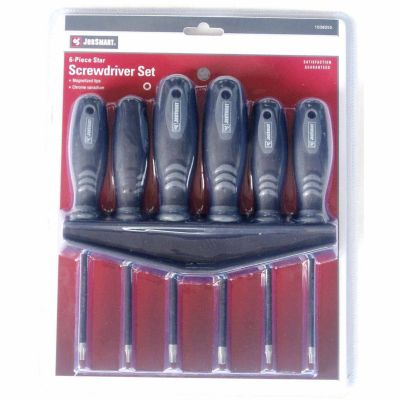
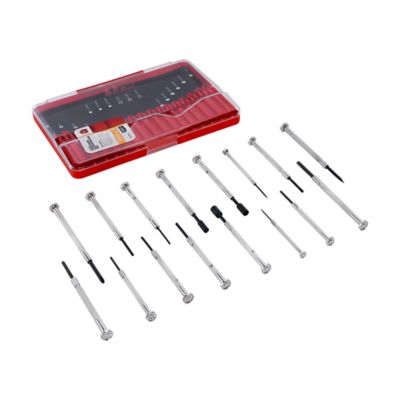
Star tip screwdriver sets make sense for households and shops that encounter a range of fastener sizes, while a single driver can be a sensible addition when the same equipment calls for the same size again and again. Someone maintaining a mower, checking a removable access panel, or repairing a household fixture may value a familiar handle and a clearly marked size more than a large assortment of seldom-needed pieces. For smaller assemblies, a compact precision-style driver offers a different feel from the fuller handles suited to general mechanical work. Neither is a substitute for following the equipment maker’s service instructions, particularly where tightening specifications or restricted service areas apply. A hand screwdriver provides control, but it does not measure torque; fasteners with a stated torque requirement call for the appropriate torque-measuring tool. The handle material also should not be taken as proof of electrical insulation. These distinctions help keep an everyday repair from becoming a bigger problem. Between jobs, wiping away grease and grit helps preserve the grip and keeps debris from collecting around the tip. Tools put away dry in a tray, rack, or fitted case are easier to inspect and less likely to knock against loose hardware. Rounded lobes, bent shafts, cracked handles, or tips that no longer seat cleanly are signs that a driver needs replacement rather than extra force. A screwdriver also belongs on fasteners, not under a stubborn lid as a pry bar or against a part as an improvised punch. Keeping sizes visible and returning each tool to the same spot makes the next repair less of a hunt through the bottom of a drawer. For a mechanic, equipment owner, hands-on homeowner, or someone setting up a first workbench, star tip screwdrivers can also make a useful gift when the sizes and handle style match the work they enjoy. The best fit is a tool that feels comfortable, reaches the fastener cleanly, and earns its place beside the other everyday shop essentials.