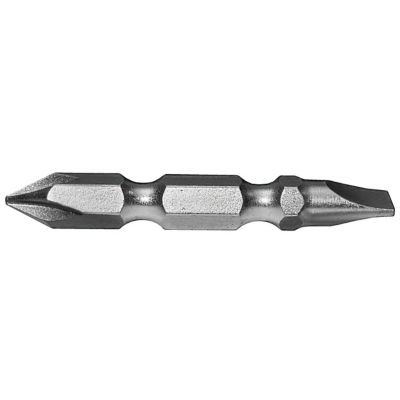
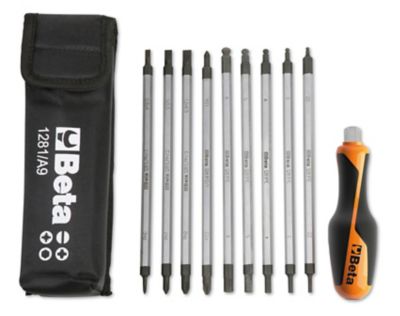
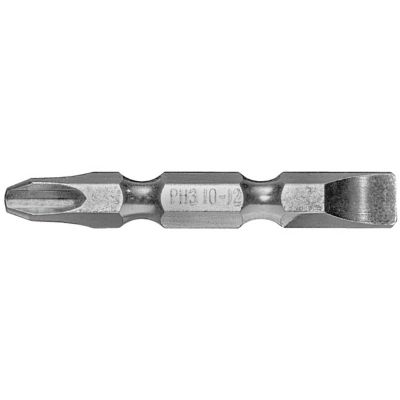
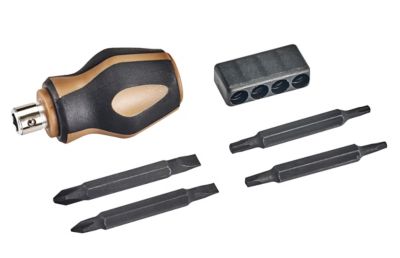
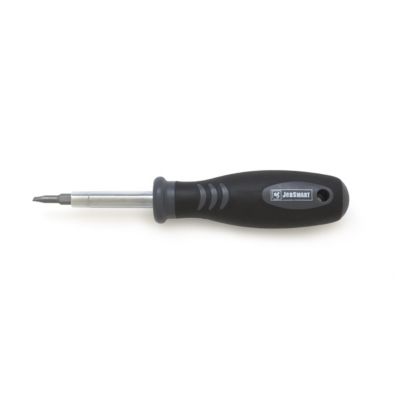
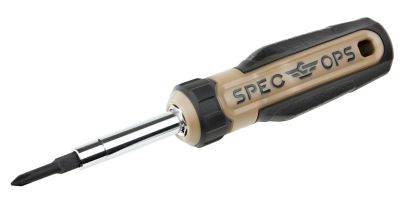
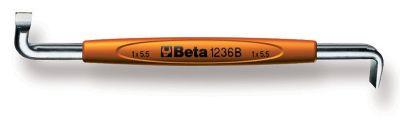
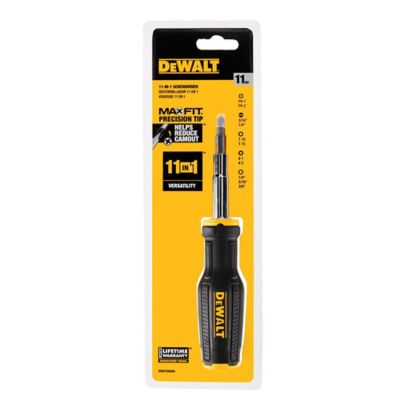
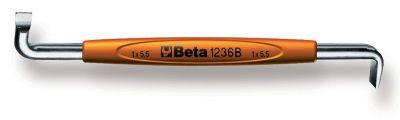
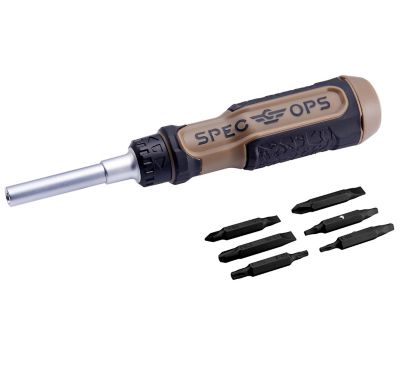
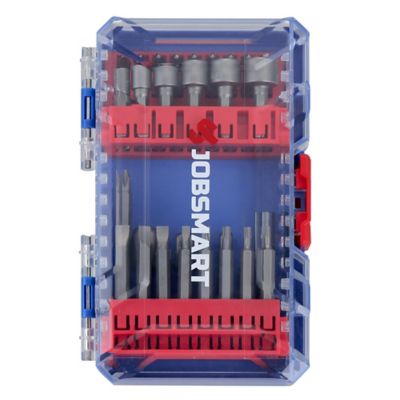
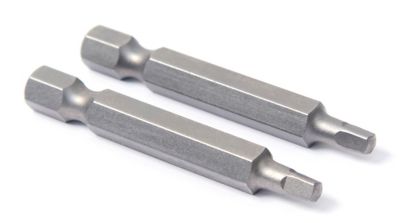
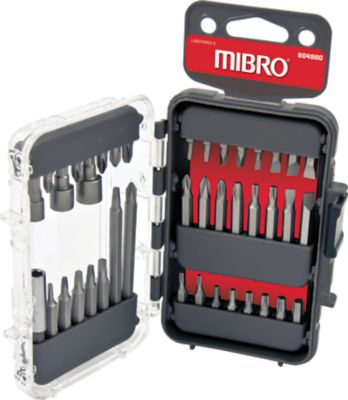
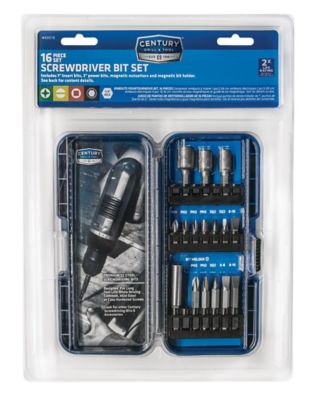
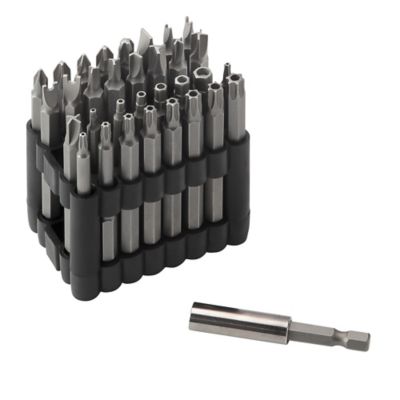
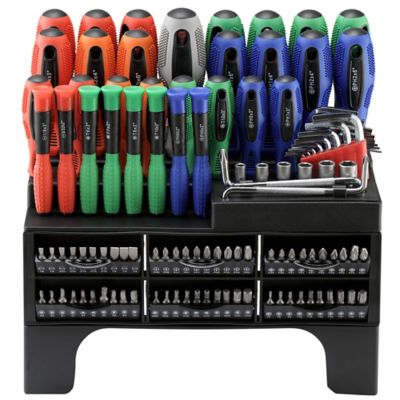
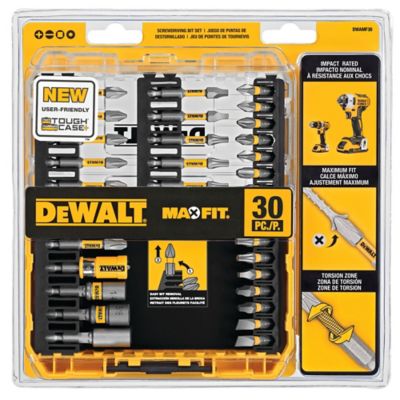
Double end screwdriver bits have a driving tip at each end, letting you flip one bit to switch between screw sizes or drive styles without reaching for a separate bit. Some pair two different profiles, such as Phillips and slotted, while others combine different sizes of the same profile or put a matching tip on each end. That two-ended layout helps cut down on loose pieces in a tool pouch and keeps common fastening options close at hand. Around a farm, garage, or workshop, that can mean moving from a gate latch to a storage cabinet without digging through a crowded bit case. These bits suit jobs that involve driving and removing screws in wood, metal, and other materials, provided the fastener and tool match the work. They make sense for property owners handling everyday repairs, tradespeople moving between tasks, and anyone keeping a compact kit in a truck or utility vehicle. A double-ended bit does not replace every specialty driver, but a well-chosen combination can cover several familiar jobs with less clutter. Tip selection matters more than simply having two ends: a pair that matches the screws around the place earns its spot in the toolbox. Someone repairing cabinet hinges may reach for a different combination than someone fastening shed hardware or assembling a workbench. Longer bits can offer extra reach past a bracket or into a recessed opening, while shorter designs take up less room in a pouch and may suit work with limited clearance. The useful choice depends on the screw head, the space around it, and the tool holding the bit. For anyone putting together a practical tool kit, double end screwdriver bits bring a straightforward benefit: two driving ends in one piece, with fewer separate bits to keep track of between jobs. That is handy when the toolbox stays on the bench but the repair is out at the barn.
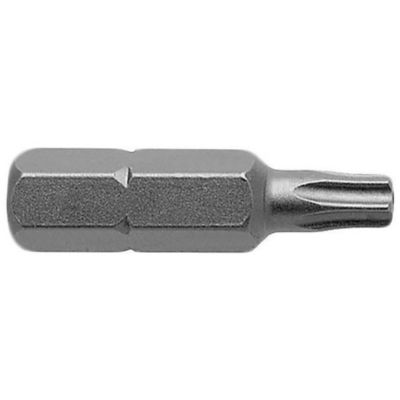
Fit starts at the screw head, where the bit needs to match both the drive style and the size. Phillips, slotted, square, and star-shaped profiles each call for their own matching tip, and a close-looking fit is not always a proper fit. A tip that sits fully in the recess transfers turning force better than one that rocks, slips, or rests too high. That matters when backing out an old hinge screw or setting a fastener flush against a bracket, where slipping can chew up the screw head or mark the surrounding surface. On the tool end, a quarter-inch hex shank is common, but shank size alone does not settle compatibility. Double-ended designs can have different lengths, center sections, and retention features, so the chuck, holder, or reversible screwdriver must accept that particular shape. Some quick-release holders need a locking groove in a certain position, and some holders do not have enough internal clearance for the opposite driving tip. Magnetic retention also depends on the holder and the bit design; a hex shape by itself does not guarantee a secure connection. The tool and bit specifications help clarify those differences before a job gets underway. Impact-driver work calls for bits expressly rated for impact use, rather than an assumption that every steel bit can handle repeated hammering torque. A bit intended for a hand screwdriver or drill/driver is not automatically suitable for an impact driver. Reach deserves the same attention as fit. Extra length may help clear a cabinet face or reach through an opening, but the bit still needs room to stay lined up with the screw. In a tight corner, the combined length of the bit and holder can matter as much as the bit alone. A secure workpiece, steady alignment, and a tool setting suited to the fastener help keep ordinary fastening work controlled without asking the bit to make up for a poor match.
Steel composition, heat treatment, and tip shape all play a part in how double end screwdriver bits stand up to repeated work. Tool steels balance hardness with toughness so the driving edges can resist wear without becoming overly brittle. For shoppers comparing material options,
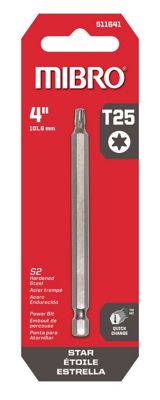
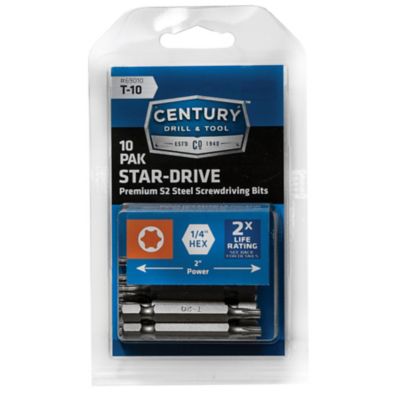
S2 Steel Screwdriver Bits provide a related category to consider, though the steel designation alone does not establish impact suitability or compatibility with a particular holder. Heat treatment and the finished design still matter. Surface finishes may help limit corrosion, but they do not make a bit rustproof or eliminate the need for sensible storage. In a working shop, metal filings, sawdust, and grit can collect around the tips and inside a holder, so clean contact surfaces help the bit seat as intended. Wiping away debris before storage and keeping bits in a dry, organized case helps protect both ends from unnecessary wear. Any protective oil should stay light, with excess wiped away before the next task. Rounded edges, chips, cracks, or a twisted shank are signs that a bit no longer belongs in regular service. Flipping to the other end is convenient when both tips remain sound, but it is not a fix for damage that affects the whole bit. Keeping the tips out of loose piles of hardware also makes the right profile easier to spot and helps prevent small pieces from disappearing beneath sockets and wrenches. For someone who handles fence hardware, shop fixtures, cabinet repairs, and equipment covers, a compact selection built around familiar fasteners is often more useful than a crowded assortment of seldom-needed profiles. The same thinking makes these bits a practical addition to a tool kit for a new homeowner, farmhand, or family member who enjoys fixing things. Matching drive styles, suitable reach, sound steel, and proper tool compatibility give double end screwdriver bits their everyday value, whether the job is a loose latch beside the feed room or a bench project with several kinds of screws.