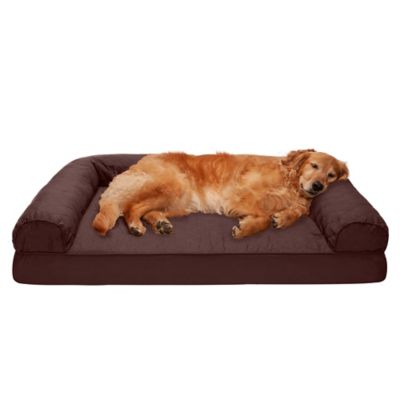
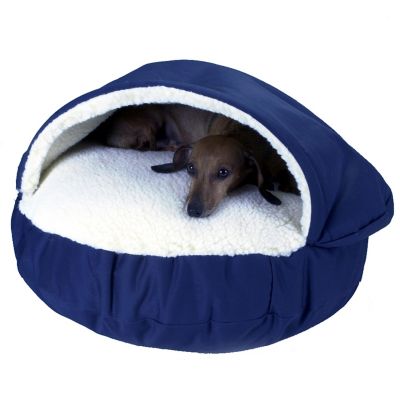
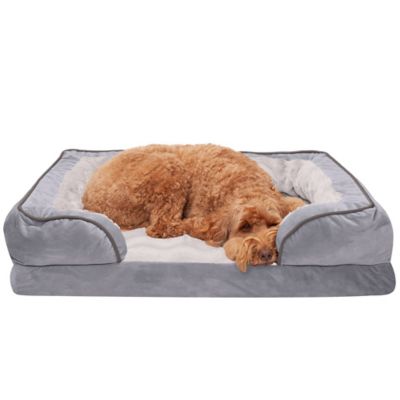
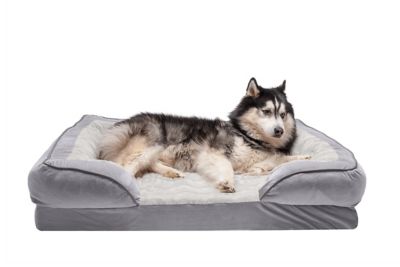
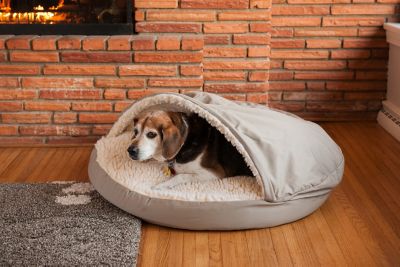
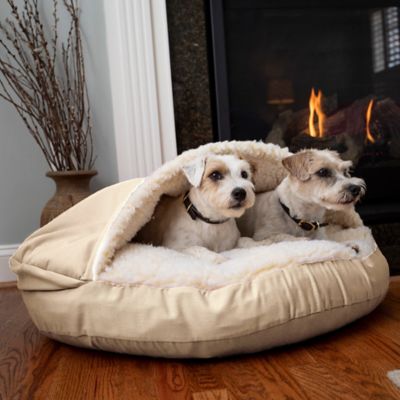
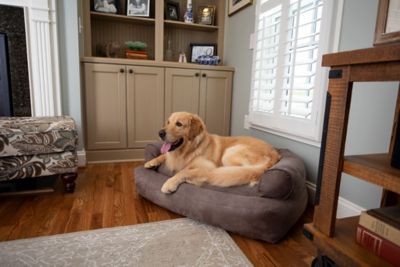
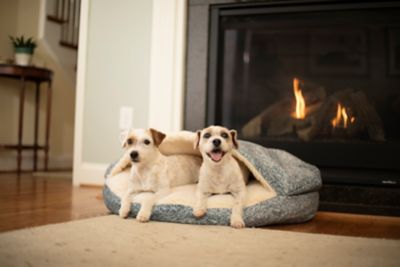
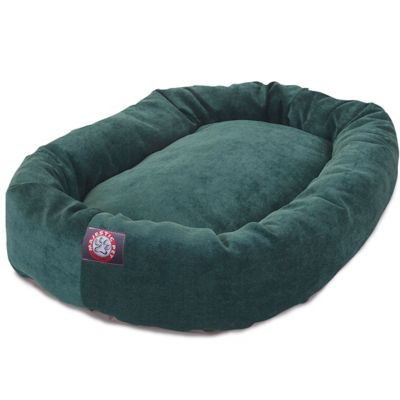
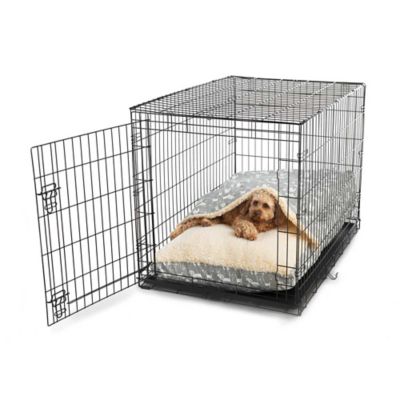
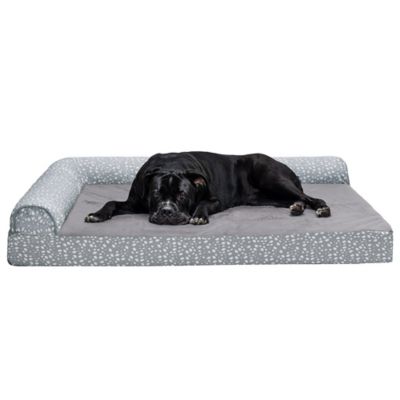
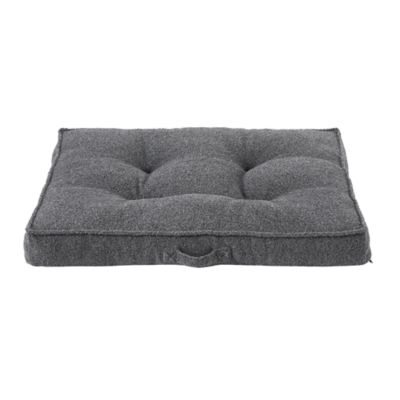
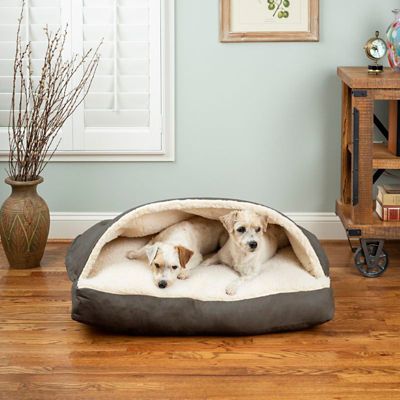
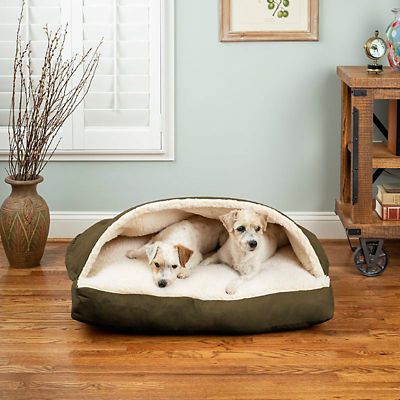
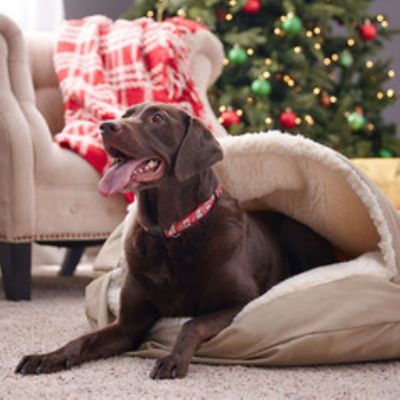
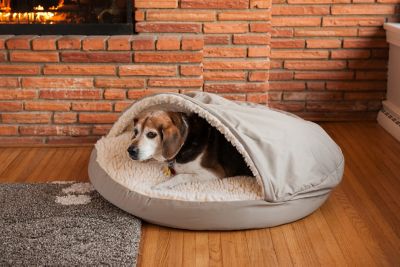
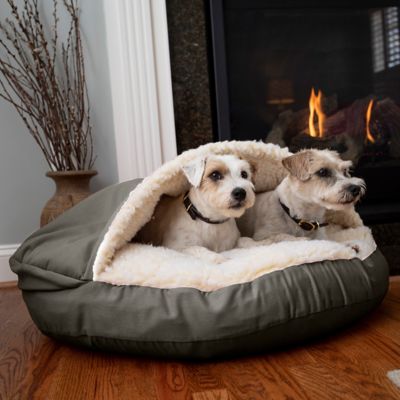
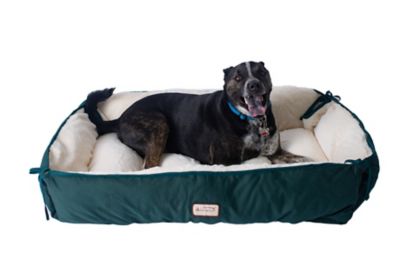
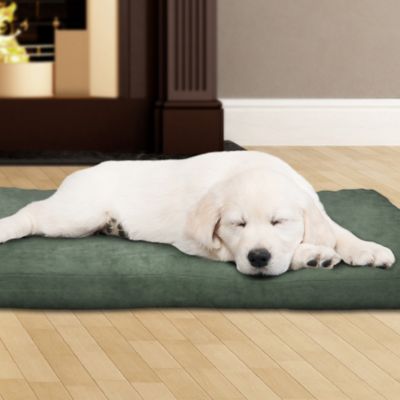
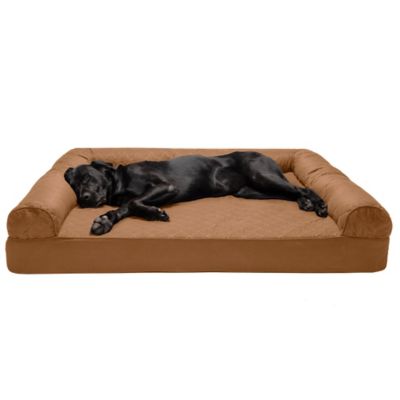
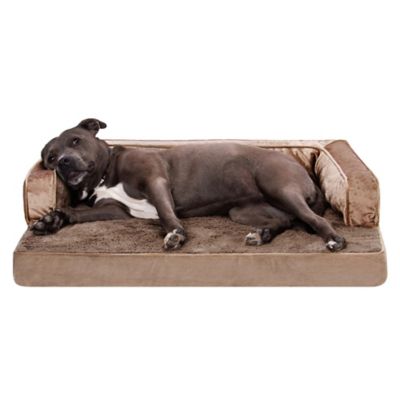
Enclosed dog beds for large dogs give big pups a cozy place to stretch out, settle down and feel tucked away from the hustle and bustle of the household. Many dogs naturally enjoy den-like spaces, especially those that burrow beneath blankets, curl up under a table or retreat to a quiet corner when the house gets busy. A covered bed can help create that same sense of privacy while giving your dog a dedicated spot to rest. It may be useful for a nervous dog that needs a little separation from visitors, a senior dog that spends more time napping, or a young dog that seems happiest with a blanket pulled over its back. During the warmer part of the year, an enclosed bed can sit in a cool, shaded room away from drafts and busy doorways. As the weather turns cooler, the hooded design helps hold in body heat and offers a snug place to sleep after a long day outside. These beds can be especially handy in homes with children, other pets or plenty of foot traffic, since a familiar covered space gives a dog a dependable place to unwind without being shut away in another room. They also make a thoughtful gift for a new large-breed puppy, a dog settling into a new home or an older companion whose usual bed no longer provides enough comfort. For dogs that like to burrow, look for a blanket-style hood or cave opening that is roomy enough for the dog to enter and turn around without feeling cramped. For dogs that prefer a more enclosed hideaway, a house-style bed with sturdy sides can provide extra privacy and a stronger sense of shelter.
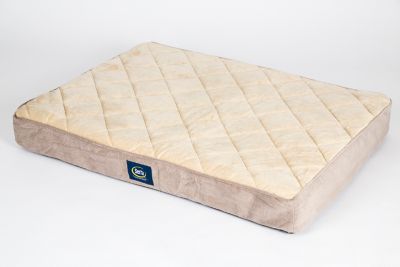
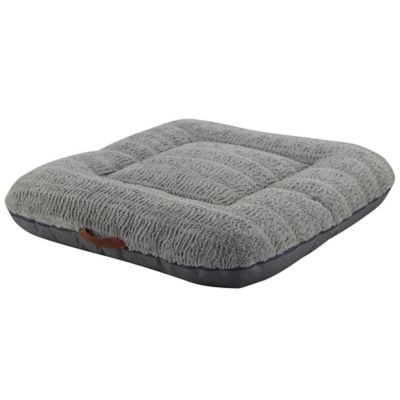
Size and support matter more for large dogs than they do for smaller pets. Start by measuring from your dog's nose to the base of the tail while they are lying down, then add enough room for stretching, changing positions and settling with the head or paws outside the opening. Check the bed's interior measurements rather than relying only on a general size label, since a thick hood, raised walls or generous bolsters can reduce the usable sleeping area. A good enclosed bed should let your dog walk or crawl inside comfortably, lie on its side and stand up without rubbing against the top or sides. Keep your dog's preferred sleeping position in mind, too. A dog that curls into a tight ball may enjoy a snug cave, while a long-backed dog that sleeps sprawled out may need a wide rectangular base with a loose, flexible cover. Large breeds also place more weight on a mattress, so a supportive base is worth careful attention. Dense foam, memory foam or egg-crate foam can help cushion pressure points and distribute weight more evenly than thin polyester fill. This is useful for older dogs, dogs with stiff joints and breeds prone to hip or elbow discomfort, though a bed is not a substitute for veterinary care when a dog is showing pain or trouble moving. A firm, cushioned base should support the body without feeling hard, while low entry points make it easier for aging dogs to step inside. Hood support is another important detail. Flexible tubing, reinforced seams or structured foam walls can help keep the opening propped up instead of collapsing flat beneath the weight of the cover. The opening should remain broad enough for easy access, with good airflow and no loose pieces that could become a chewing hazard. If your dog is new to an enclosed bed, place a familiar blanket or favorite toy inside and allow the dog to explore at its own pace.
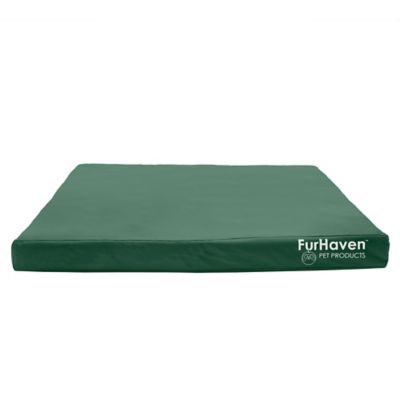
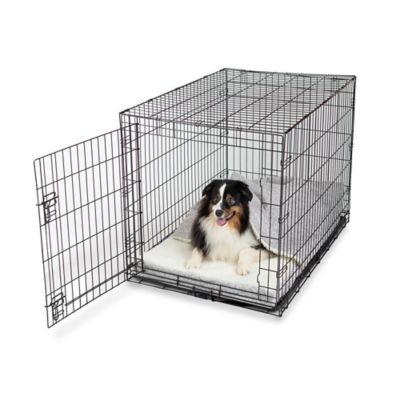
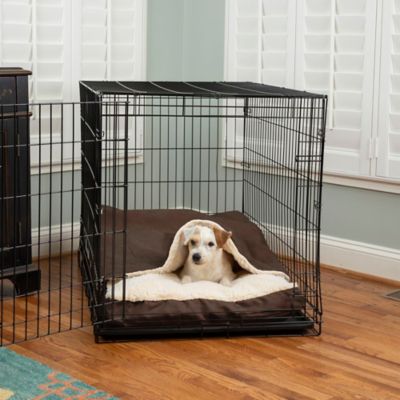
Everyday convenience makes a big difference with a large dog bed. Muddy paws, shed hair, drool and the occasional accident can build up quickly, so look for a removable, zippered outer cover that can go in the washing machine. Durable upholstery, microsuede, canvas or tightly woven fabric can stand up well to regular use, while a soft fleece or sherpa-style lining adds warmth and a comfortable feel during cooler months. Check care instructions before purchase, and make sure the cover can be removed without a struggle; wrestling a bulky cover off a large foam cushion is no one's idea of a good afternoon. A washable liner or waterproof barrier can help protect the inner fill and extend the life of the bed. Set the bed on a dry, level surface away from direct heat, damp floors and busy paths through the house. A quiet corner of a family room lets your dog rest near the household without being in the middle of every step, while a bedroom or covered porch may suit a dog that prefers a calmer retreat. Enclosed beds are generally best used in a supervised, temperature-controlled area rather than left in direct sun or exposed to rain. For dogs that spend time in a kennel, mudroom or barn office, an enclosed bed can add comfort and a little insulation, but it should never block ventilation or become overly warm. Families looking for a roomy option for a dog that relaxes outside can also browse
Extra Large Outdoor Dog Beds. Before choosing, consider your dog's weight, sleeping habits, coat, age and ability to step over the entry. A burrowing dog may settle happily beneath a soft hood, while a dog that dislikes covered spaces may prefer a partially enclosed design with an open front. With the right combination of generous dimensions, reliable structure, washable materials and supportive cushioning, an enclosed bed can become the spot your big dog heads for after a trail walk, a busy afternoon in the yard or a cool evening spent by your side.